
Doll Strollers & Shopping Carts
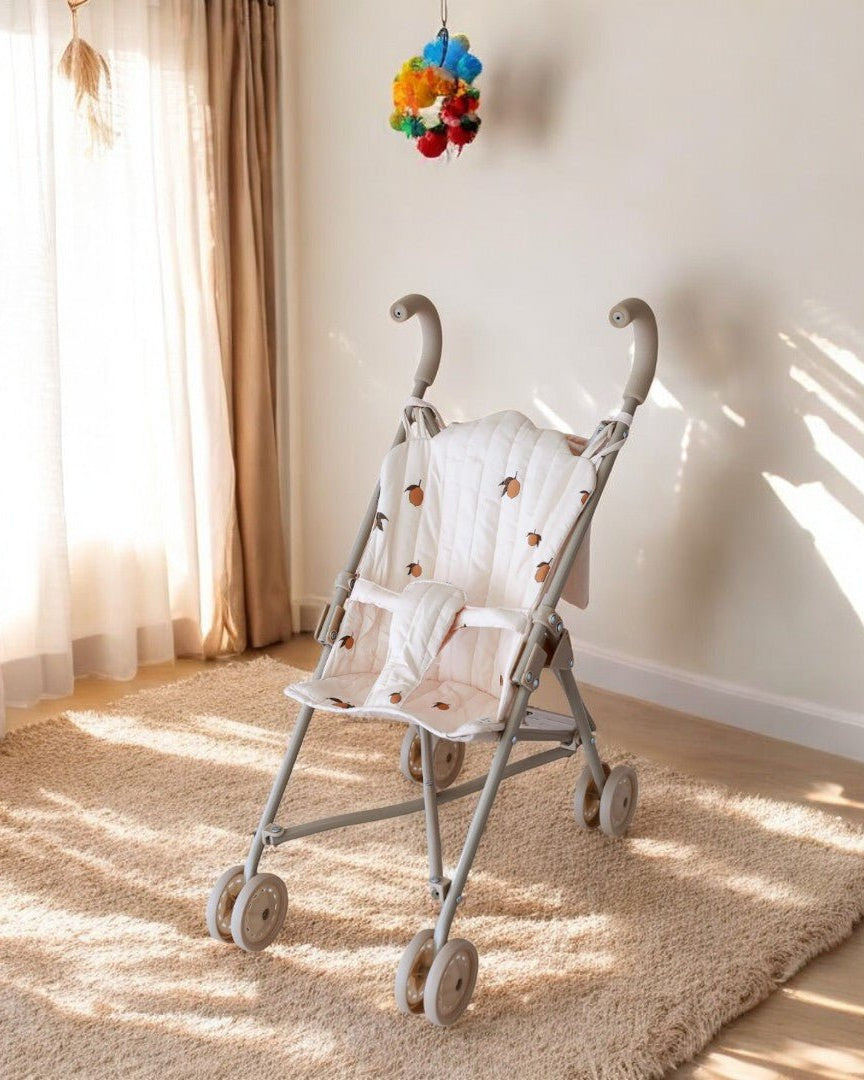
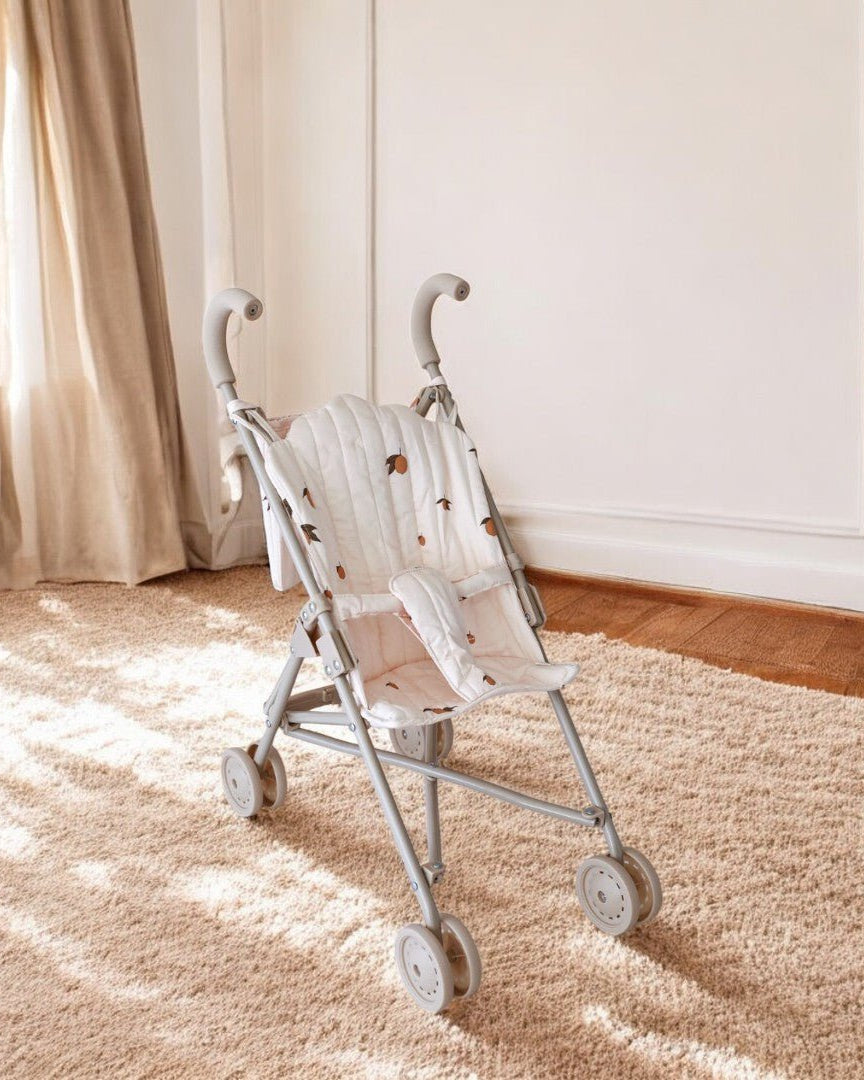
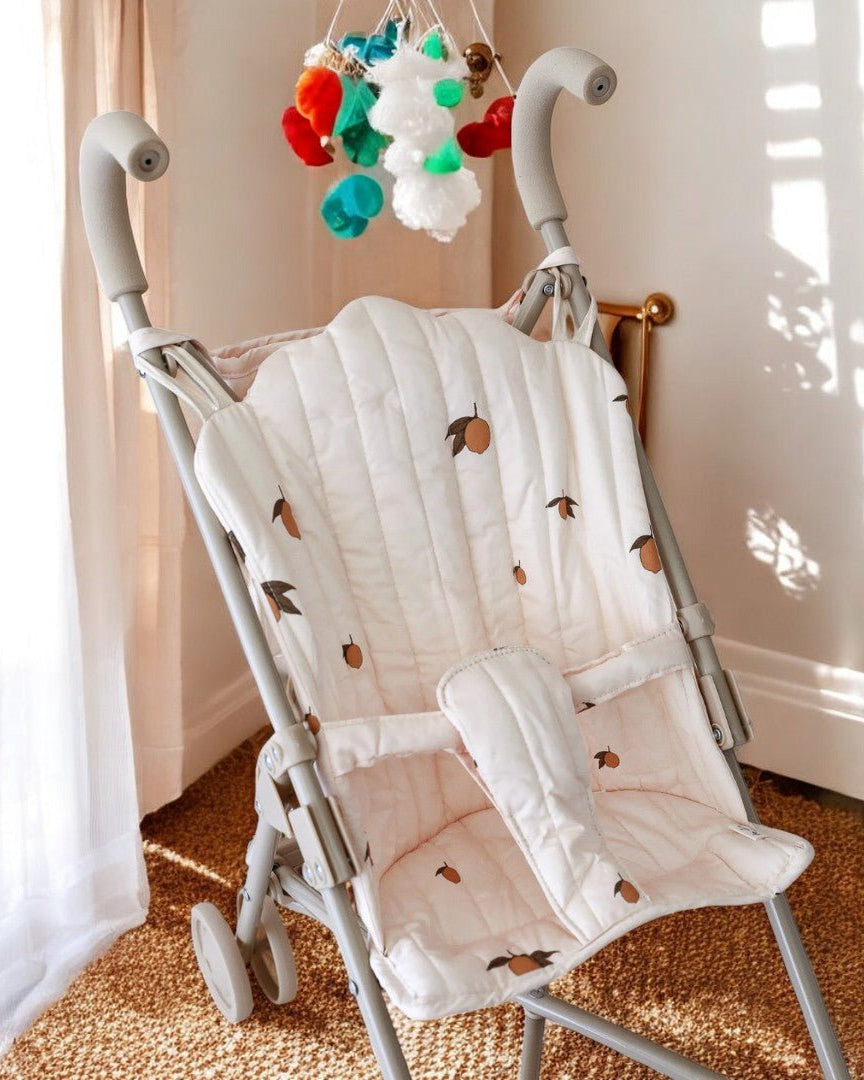
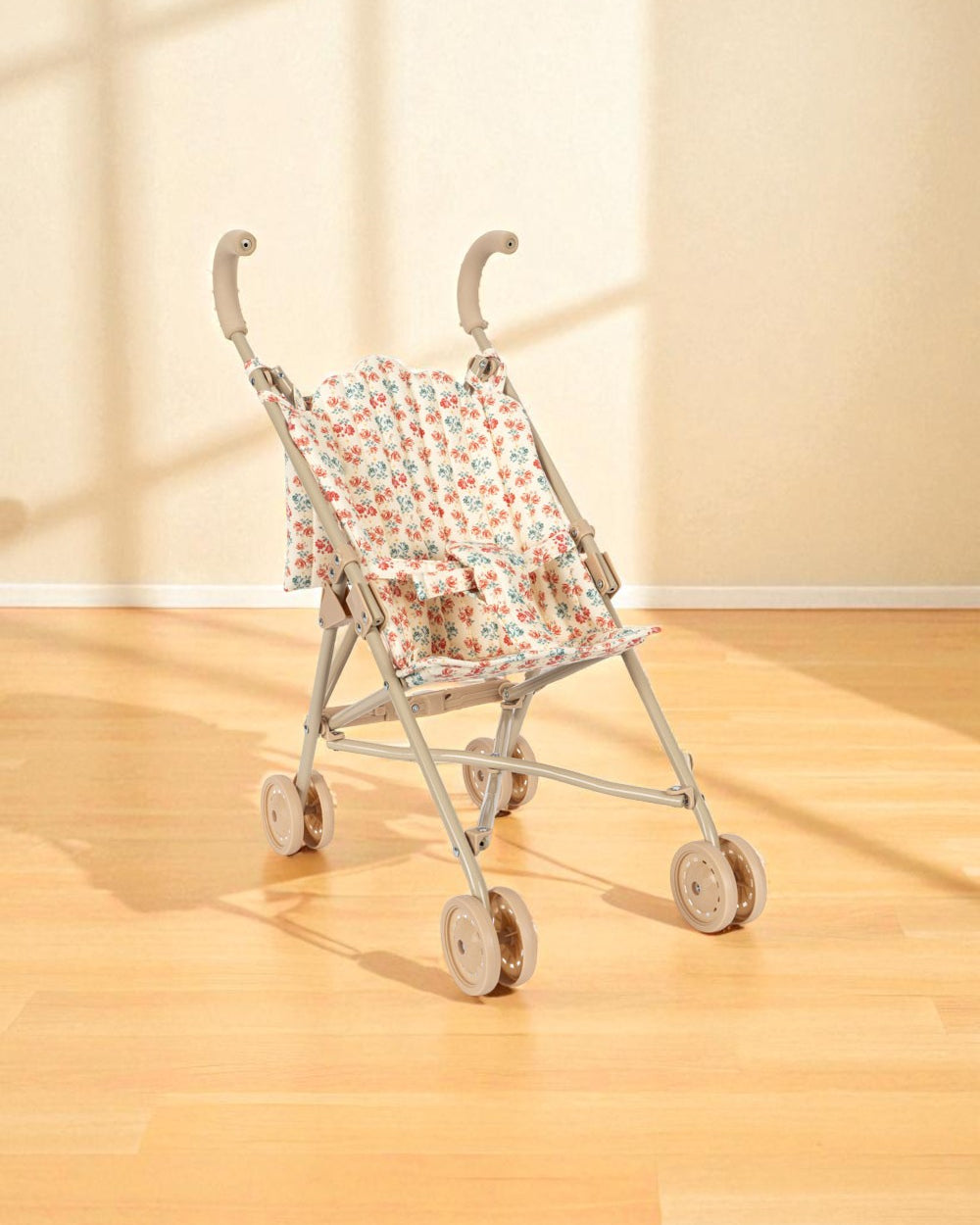
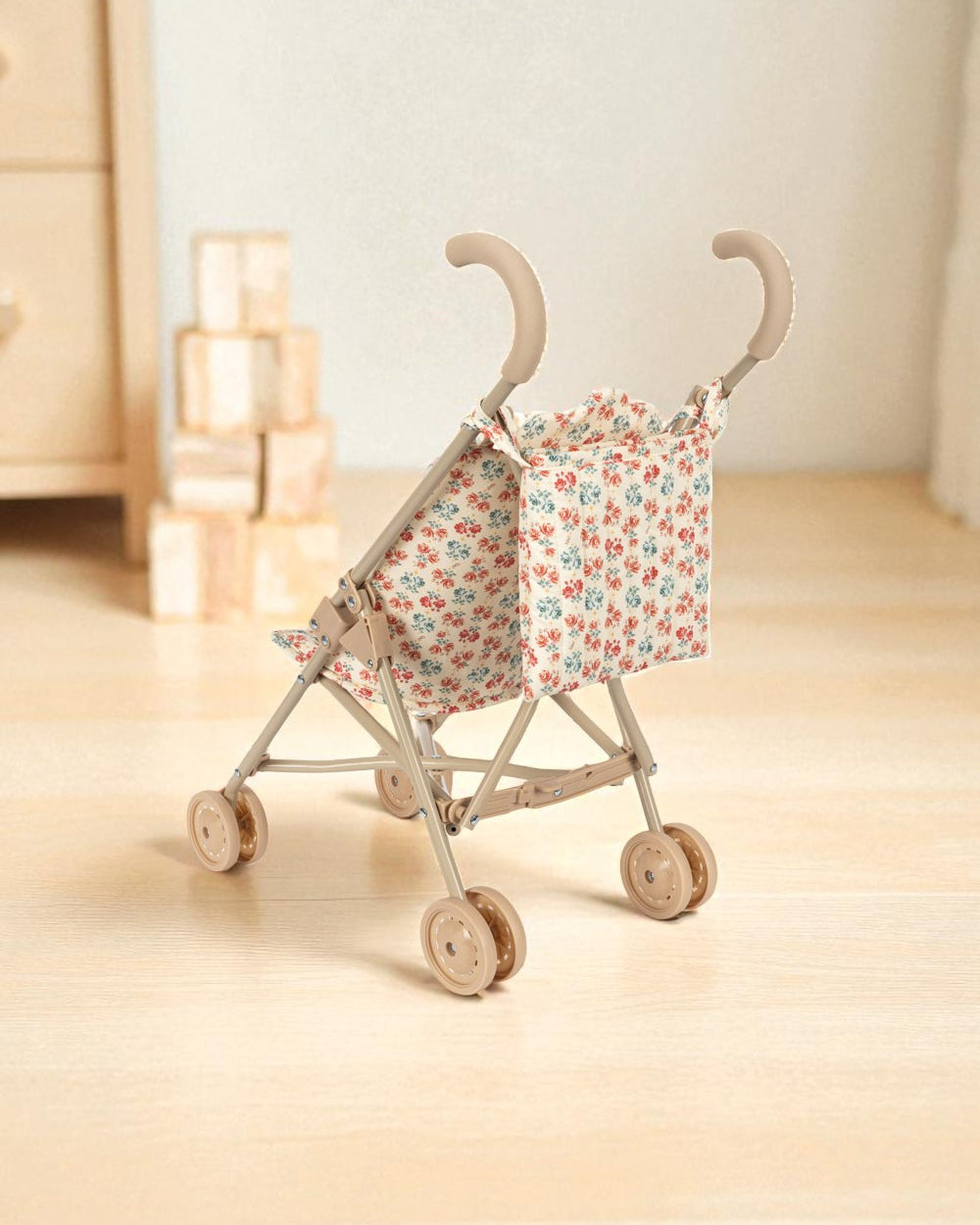
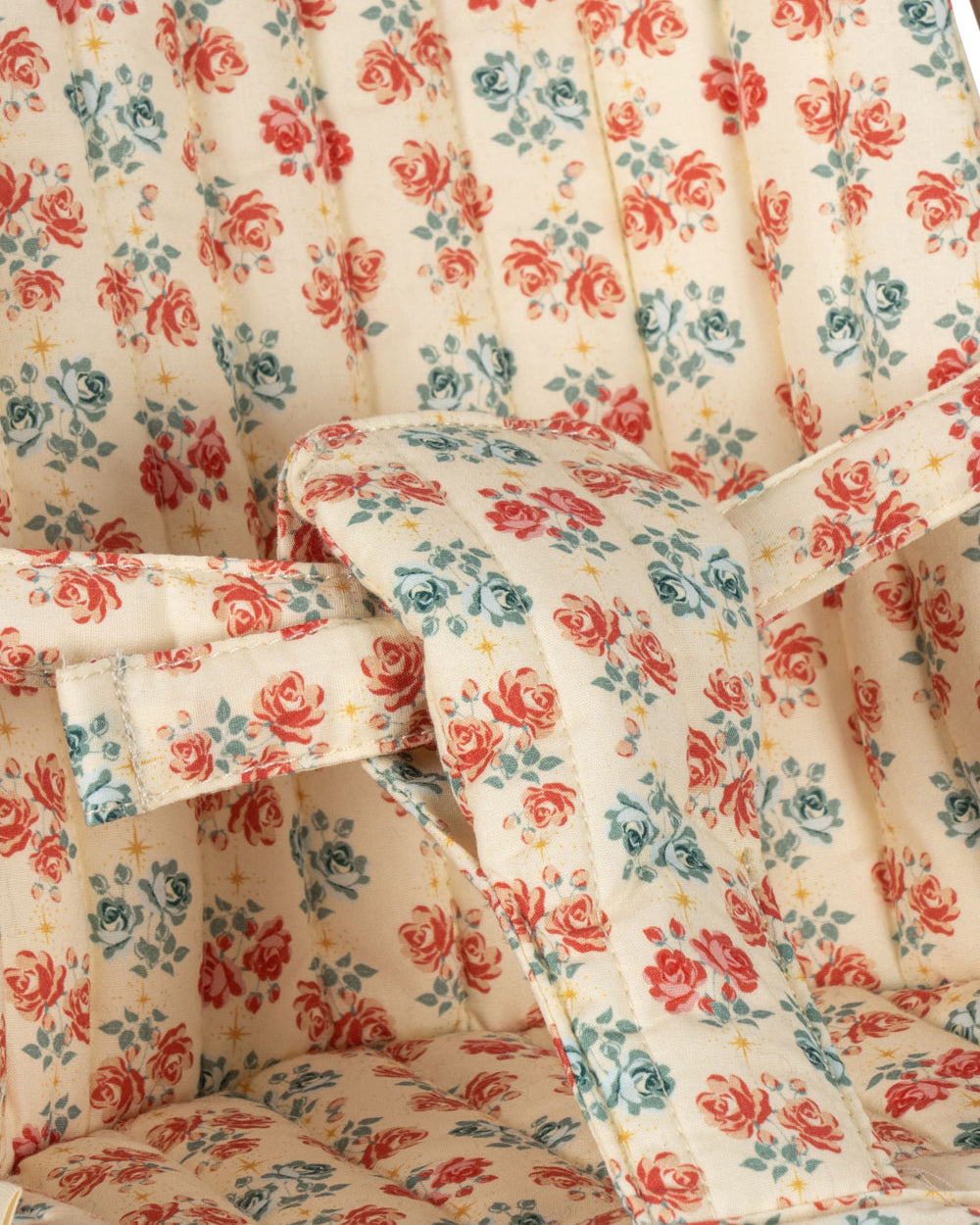
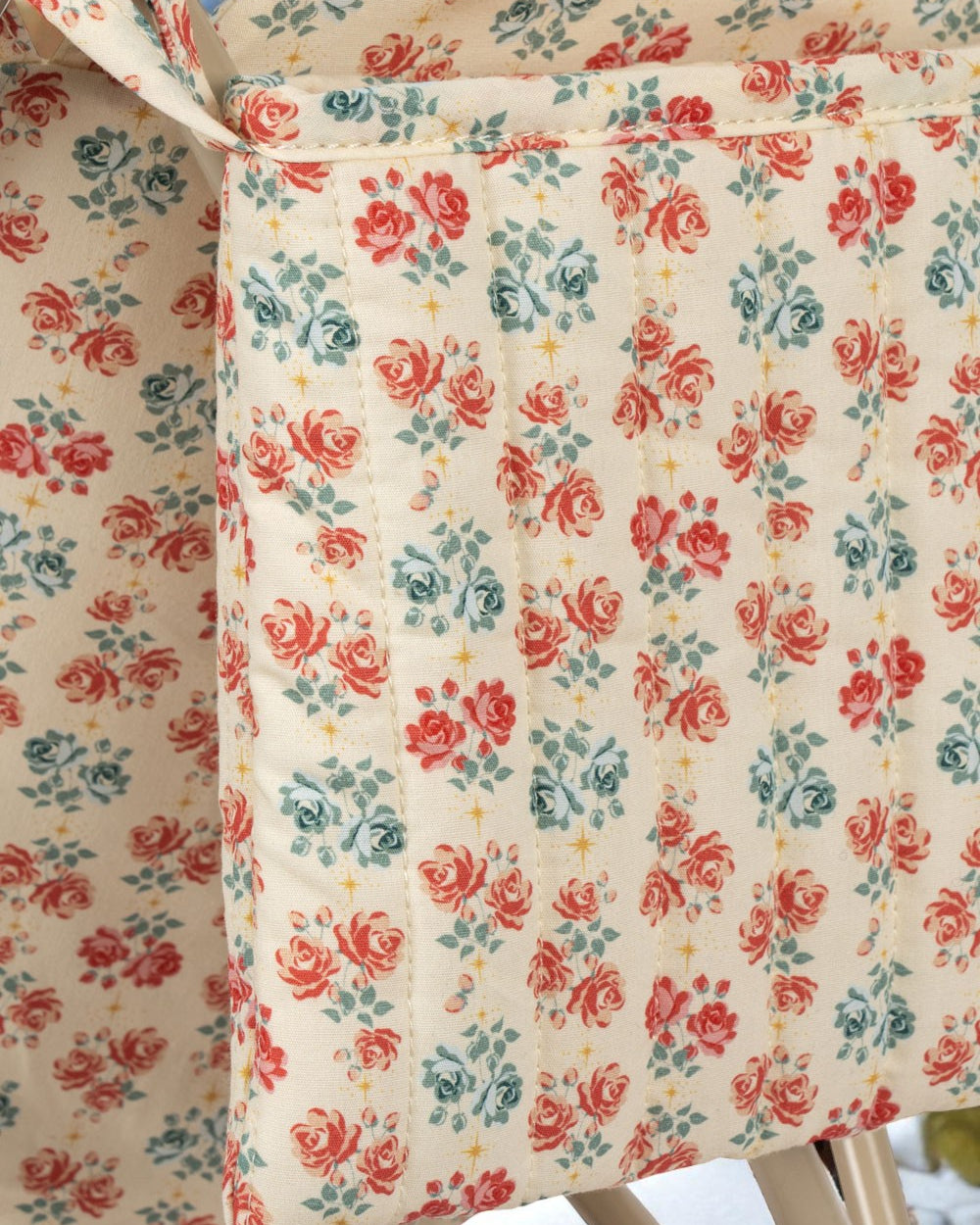
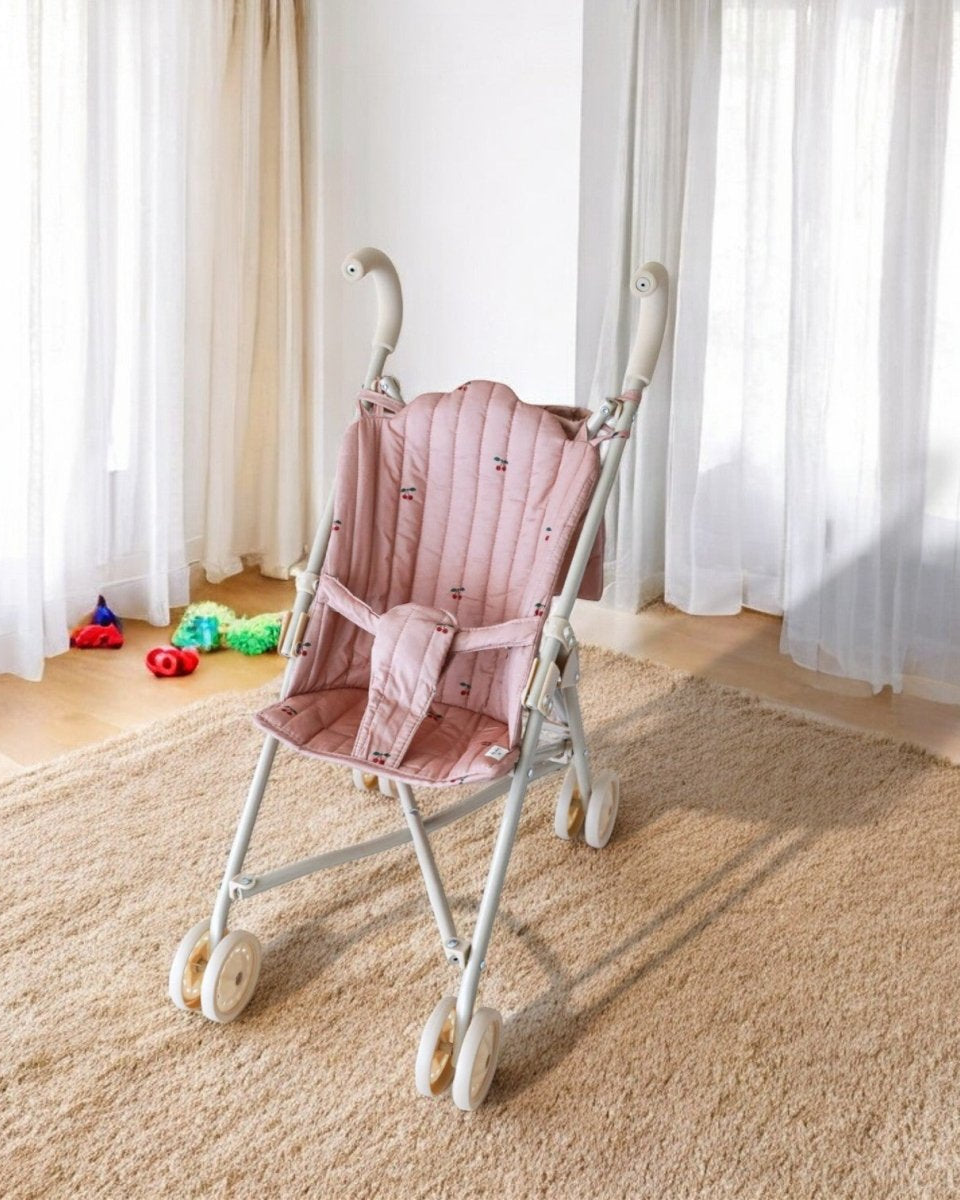
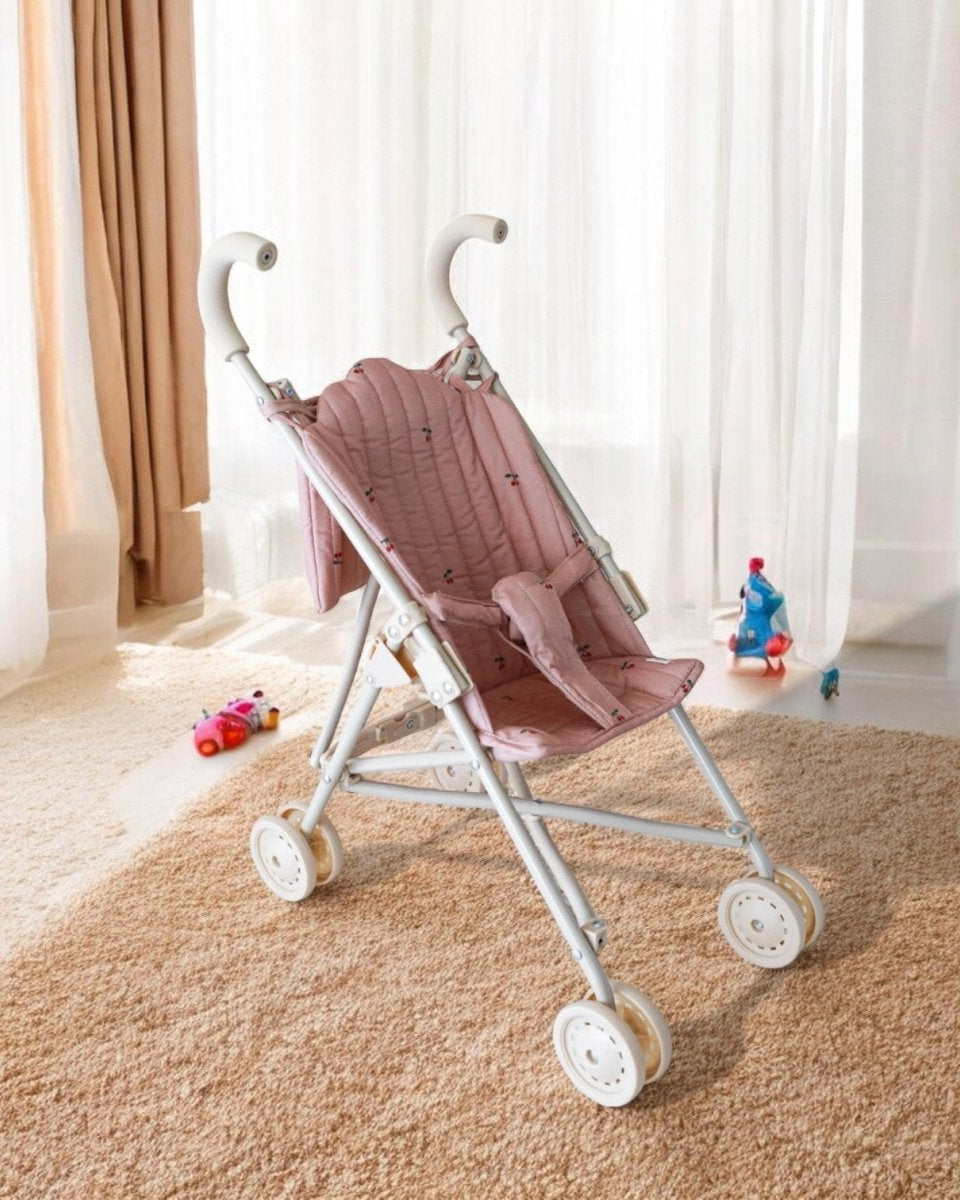
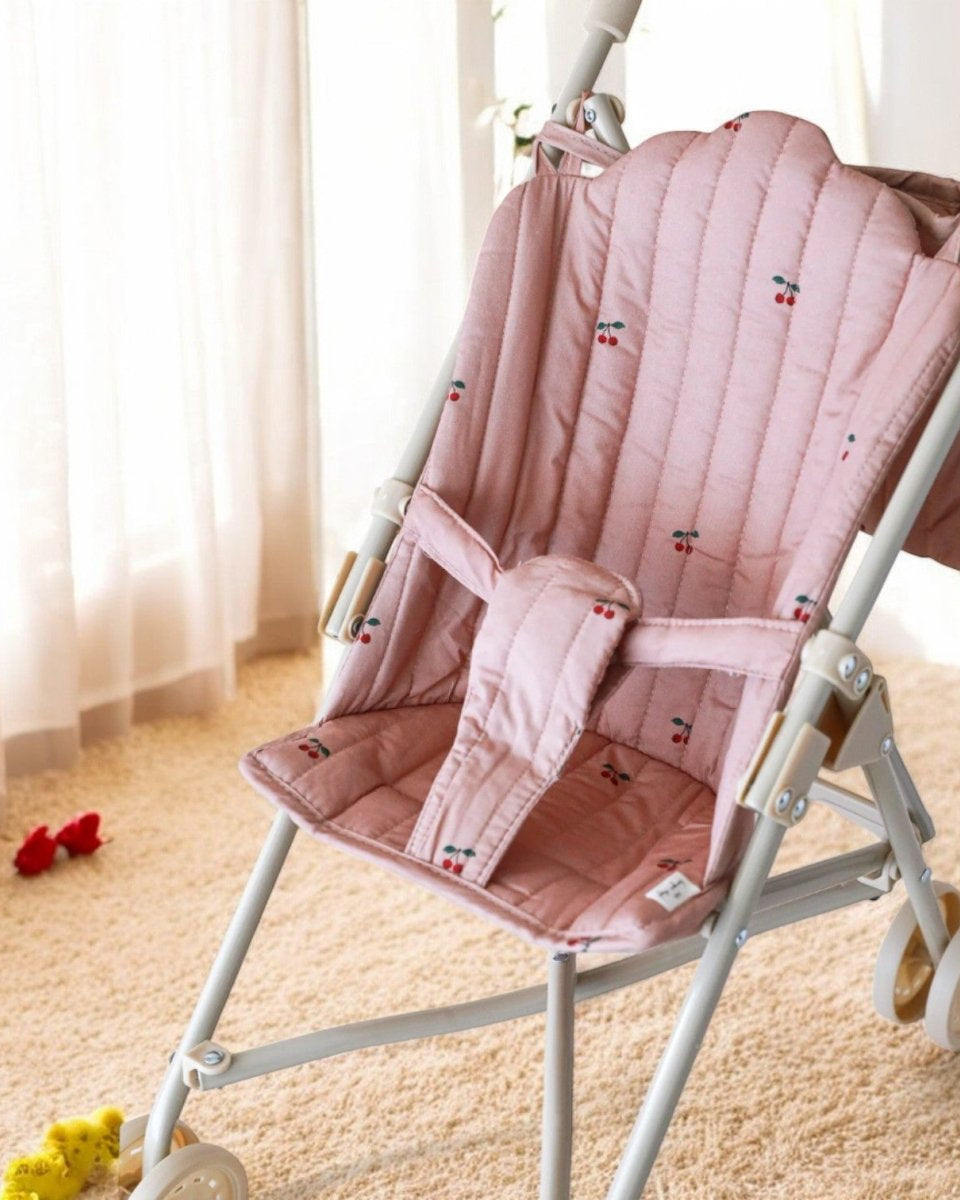
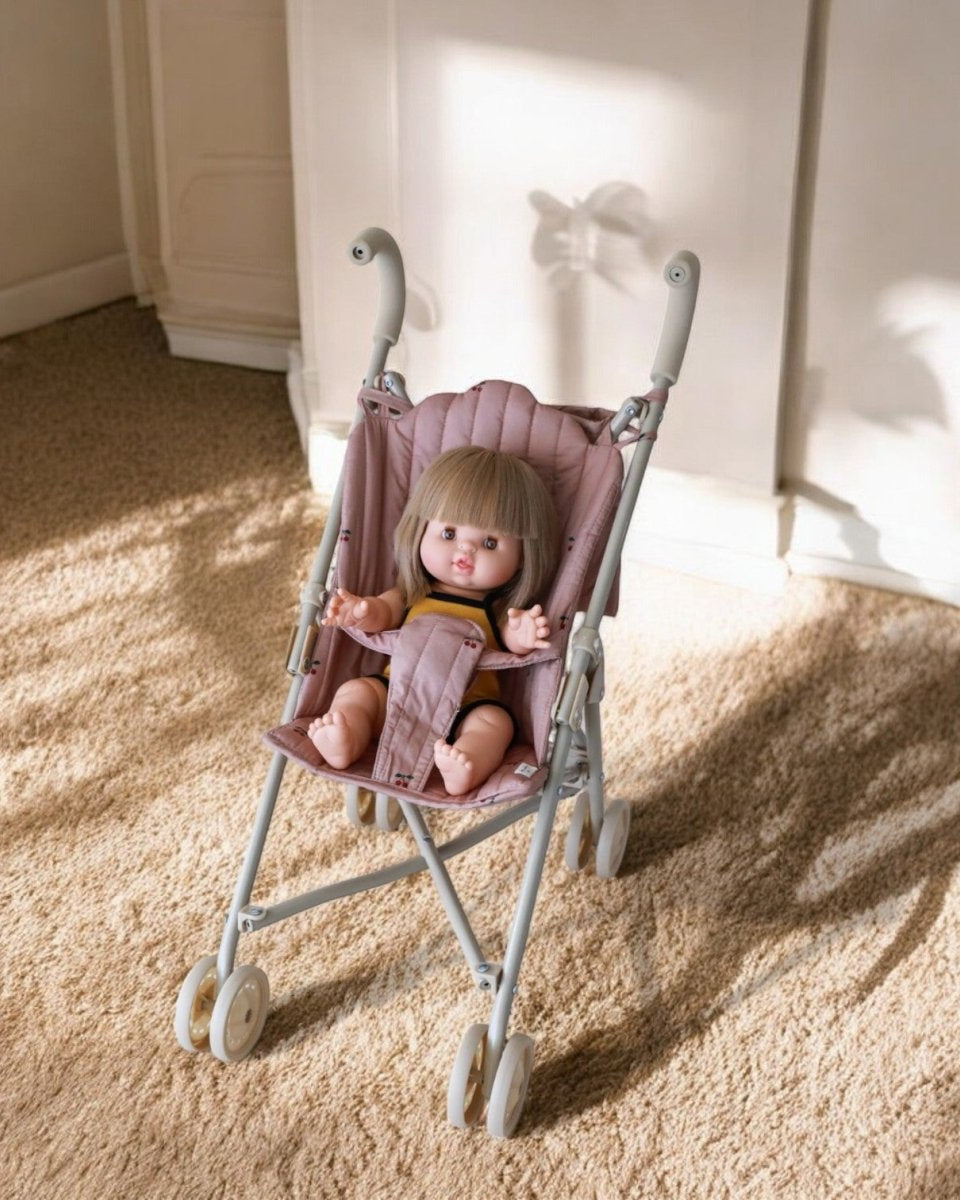
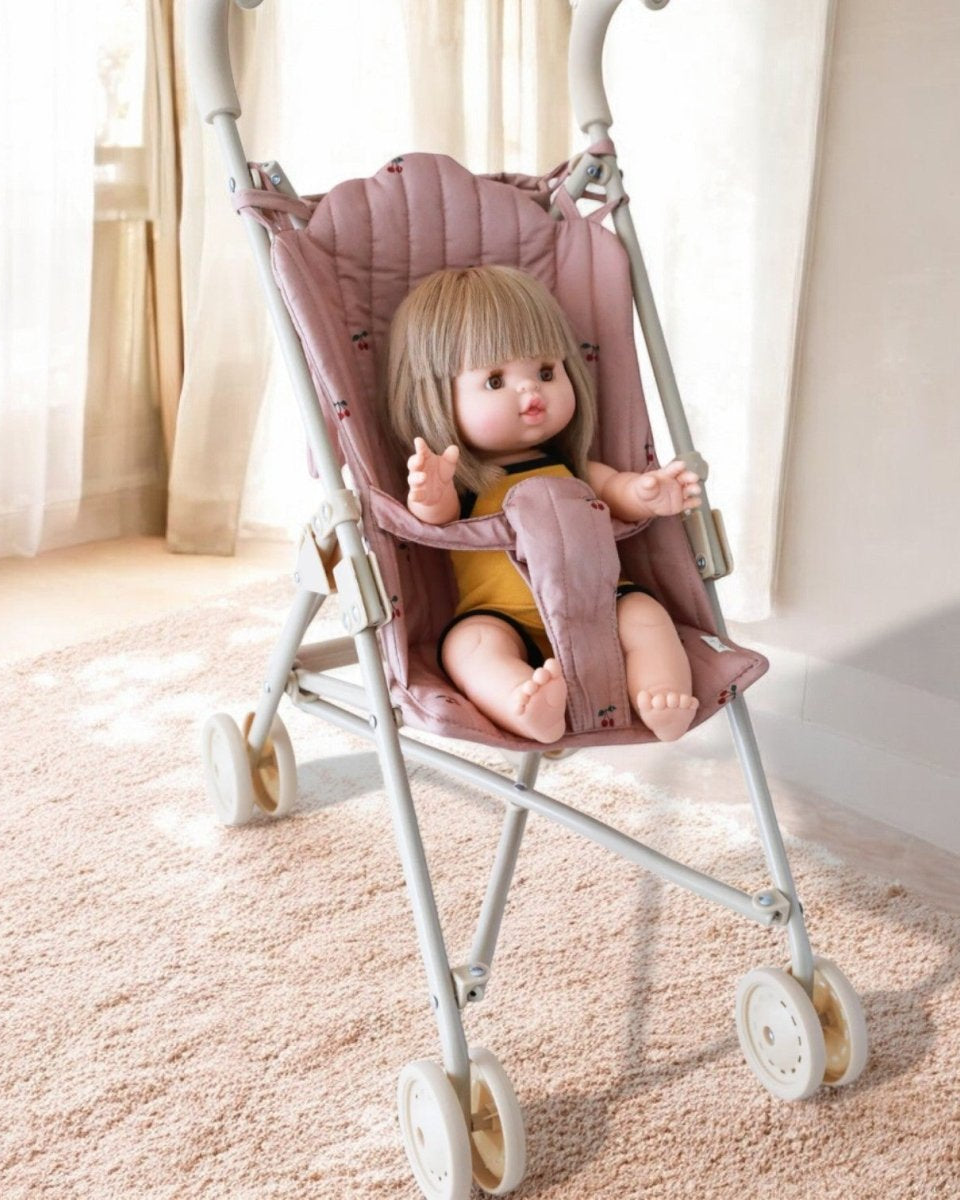
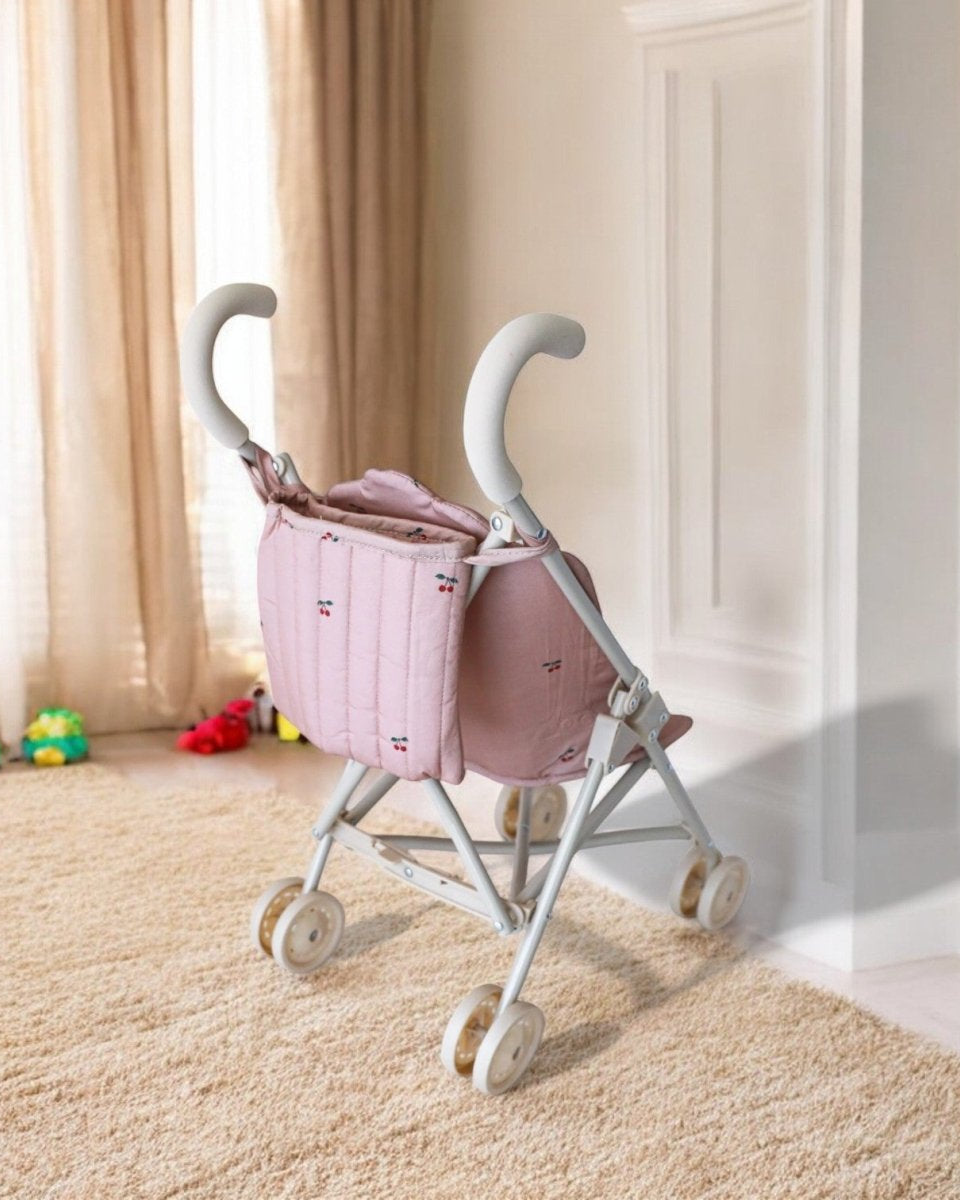
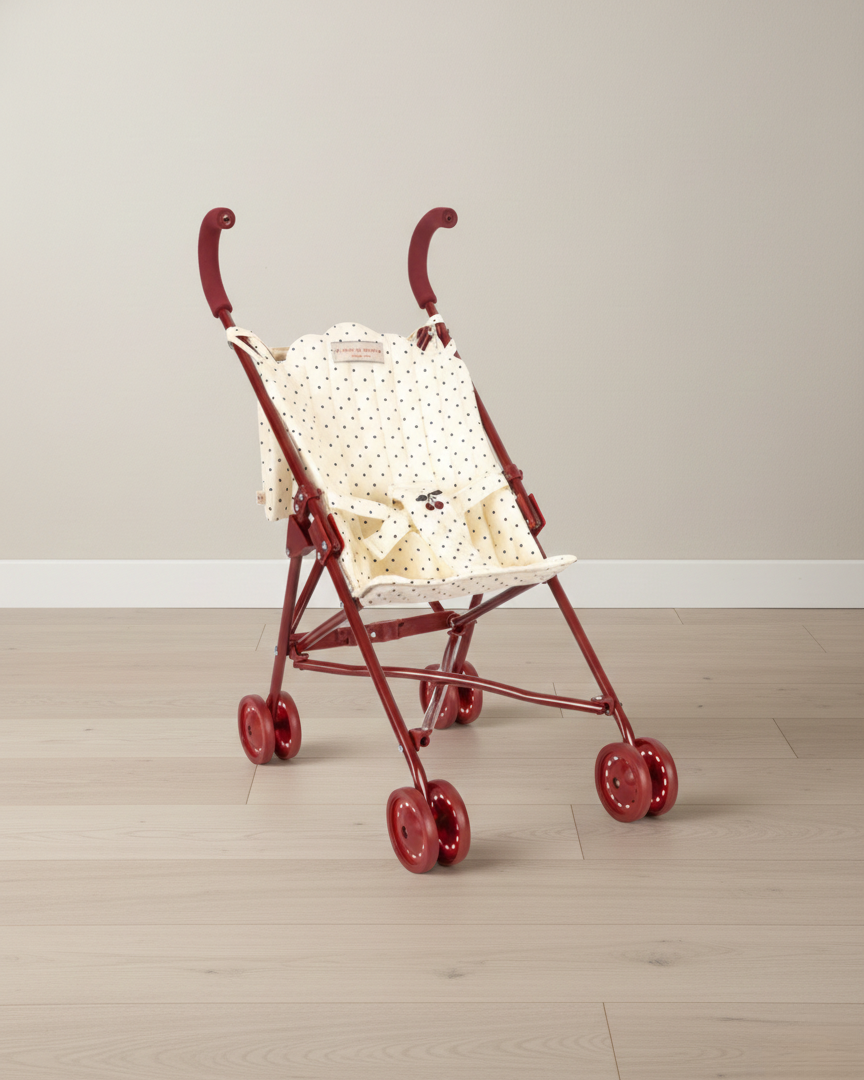
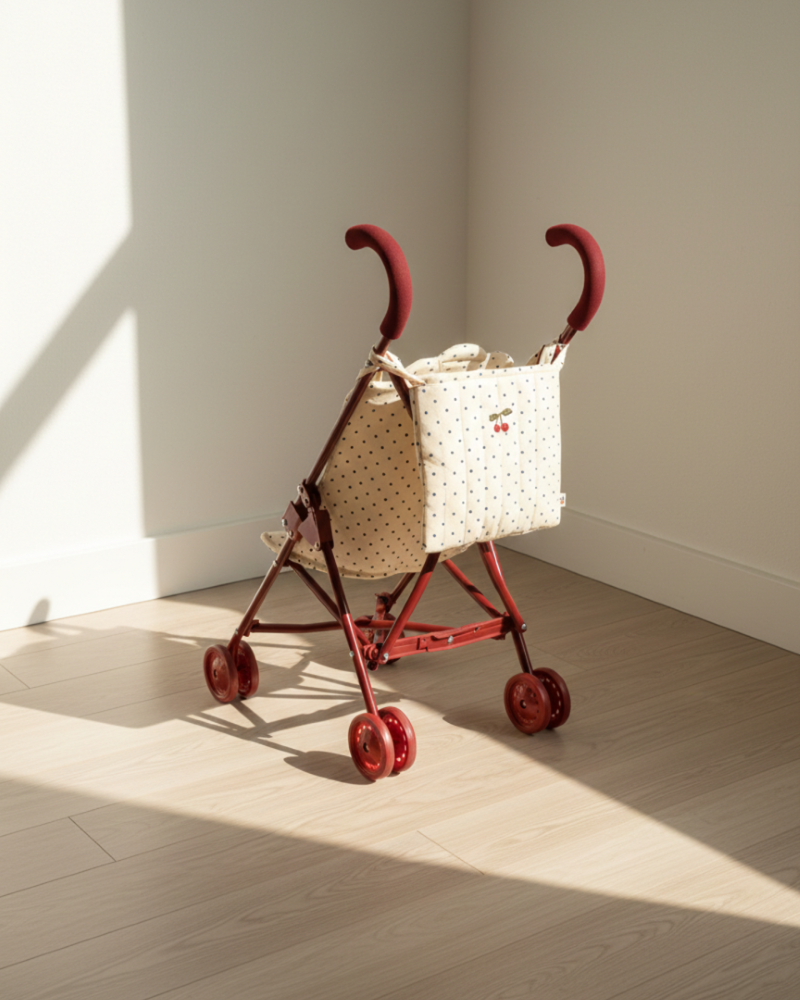
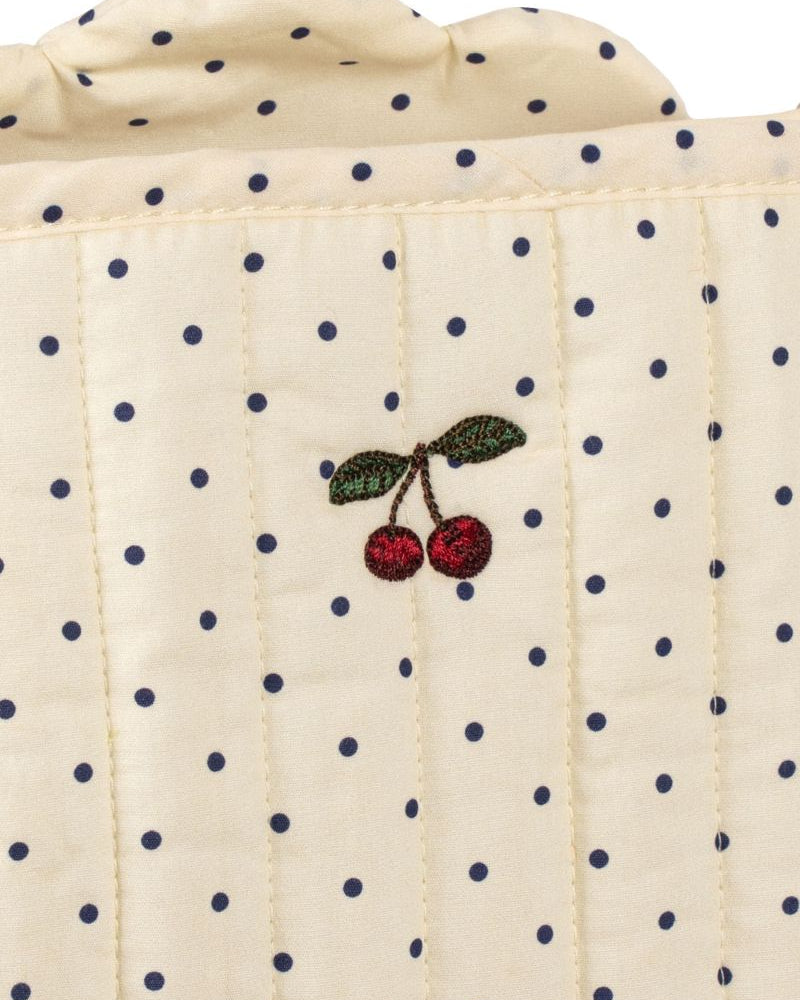
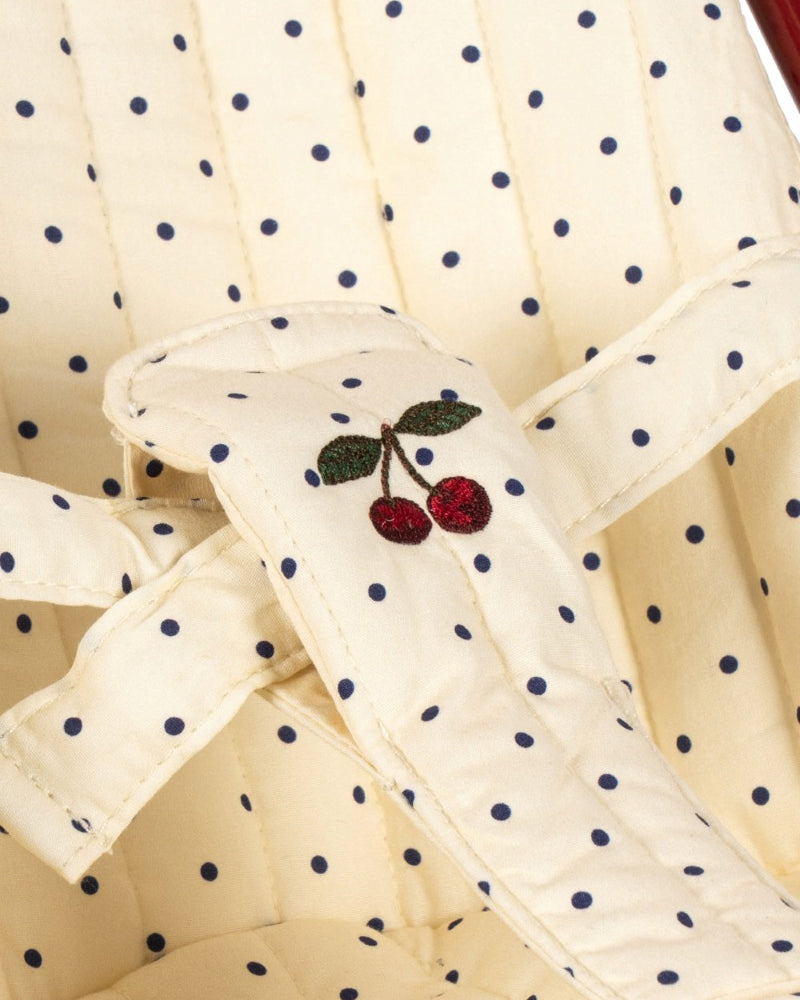
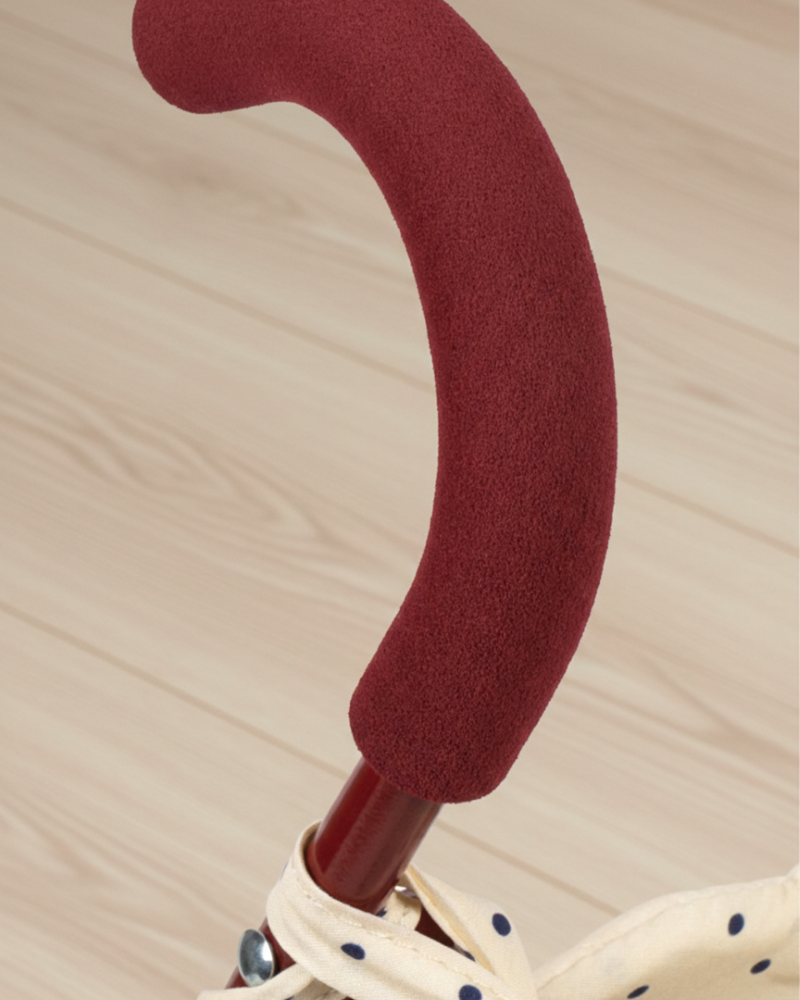
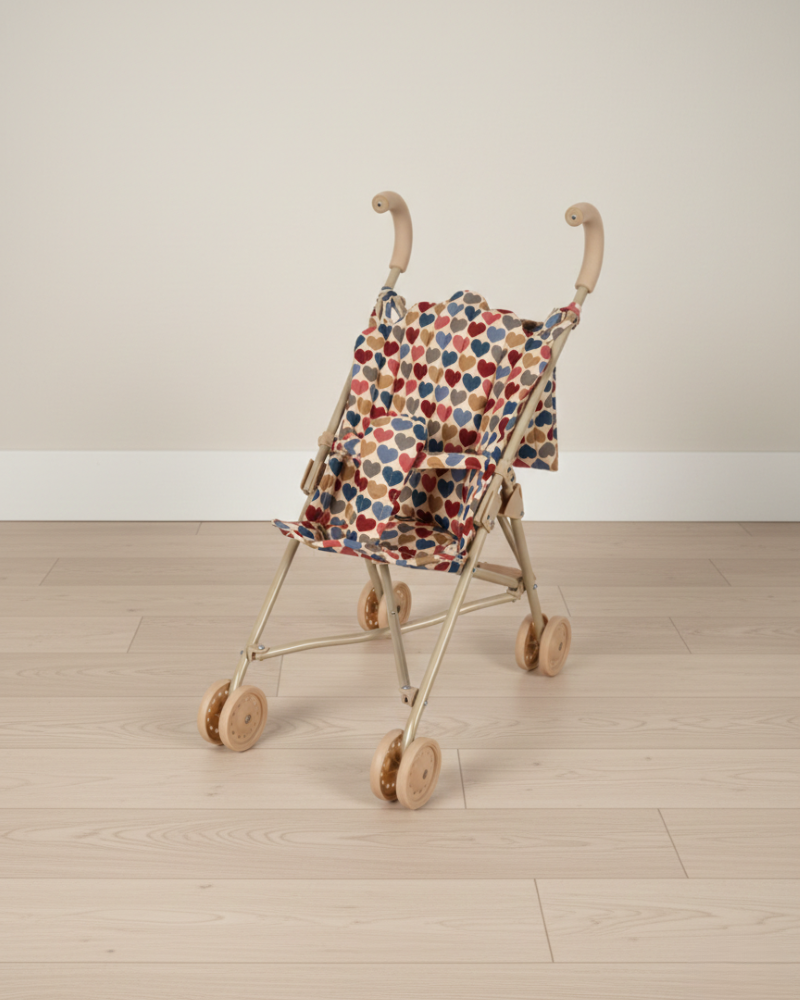
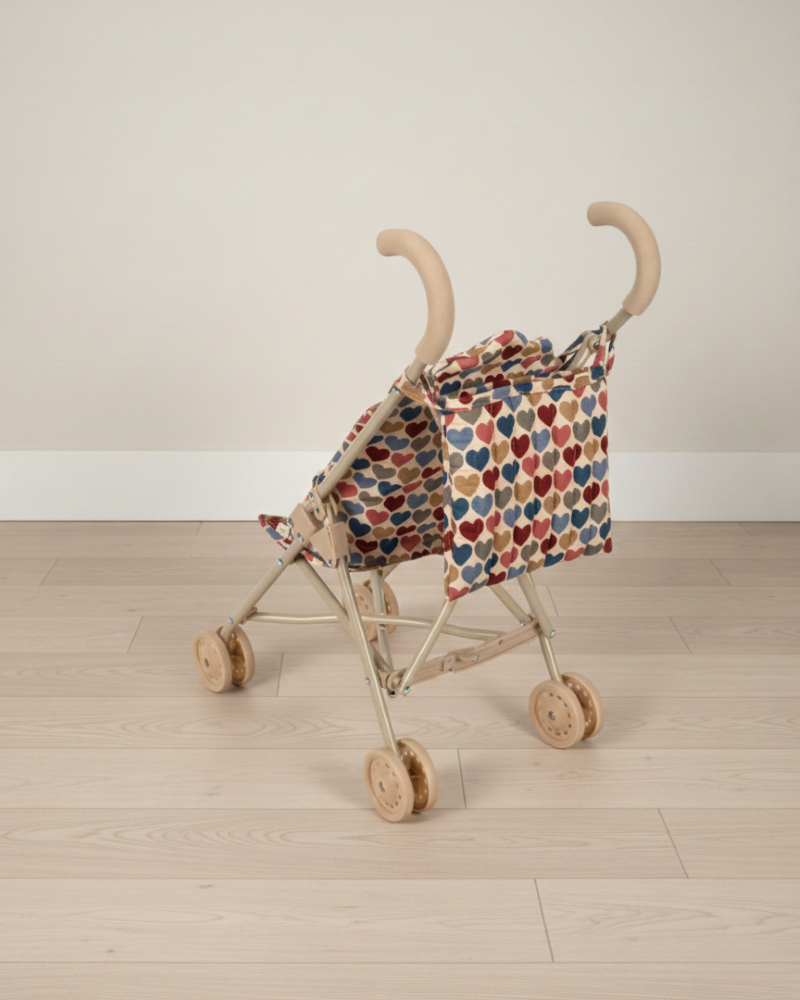
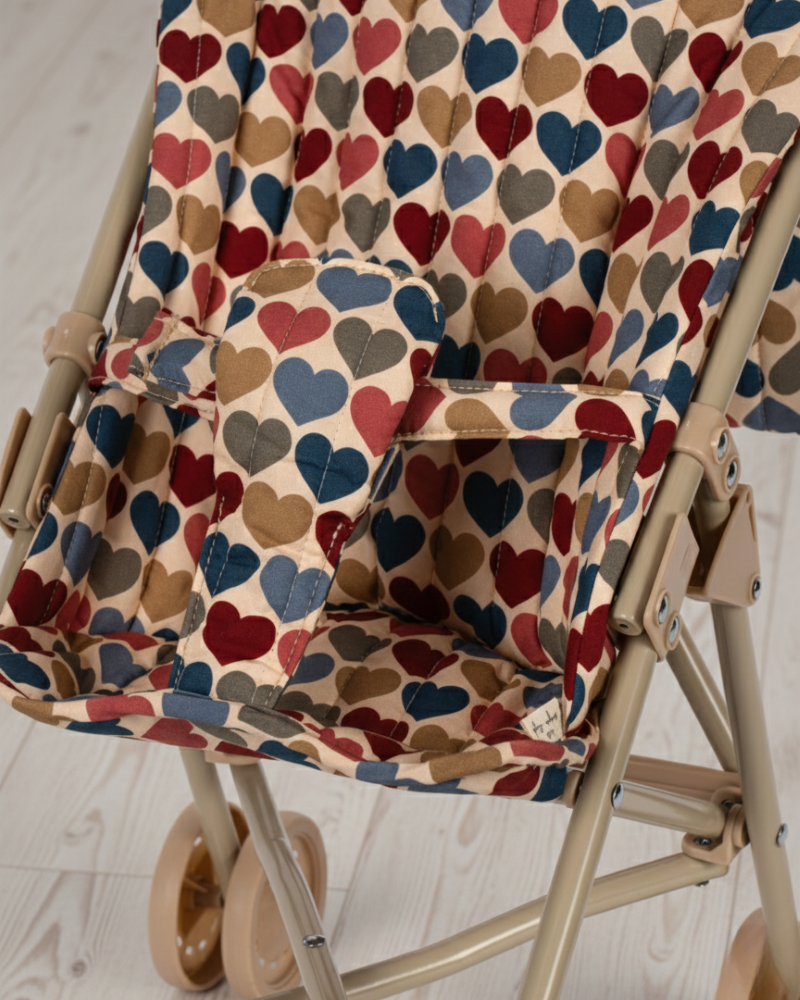
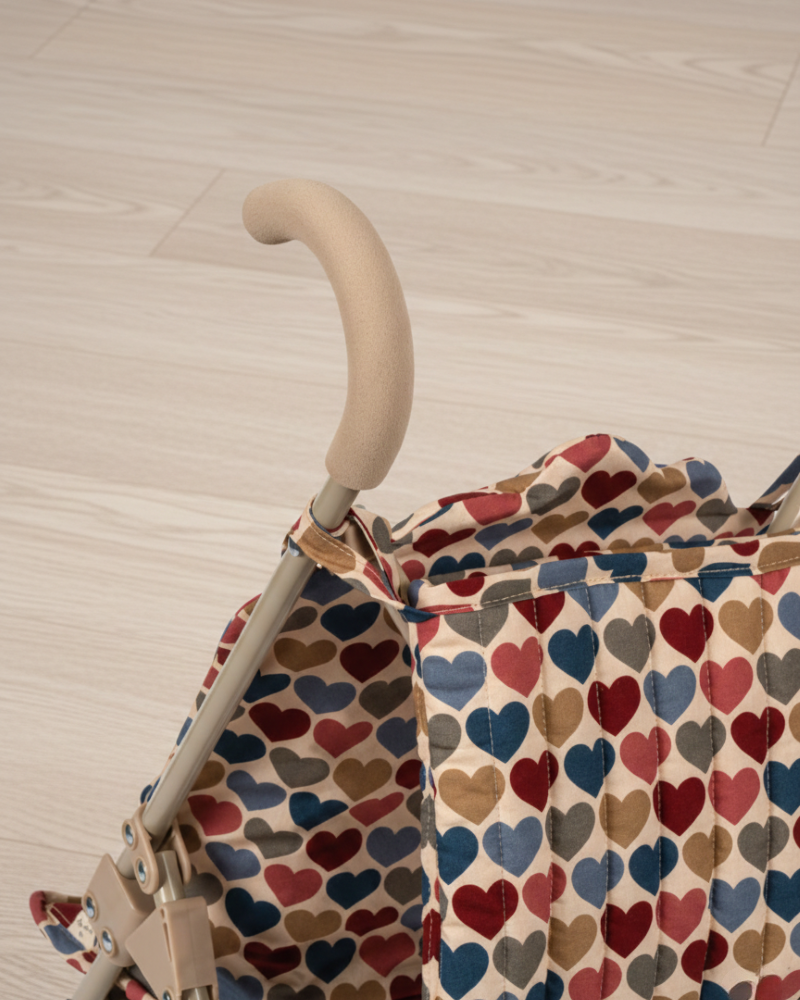
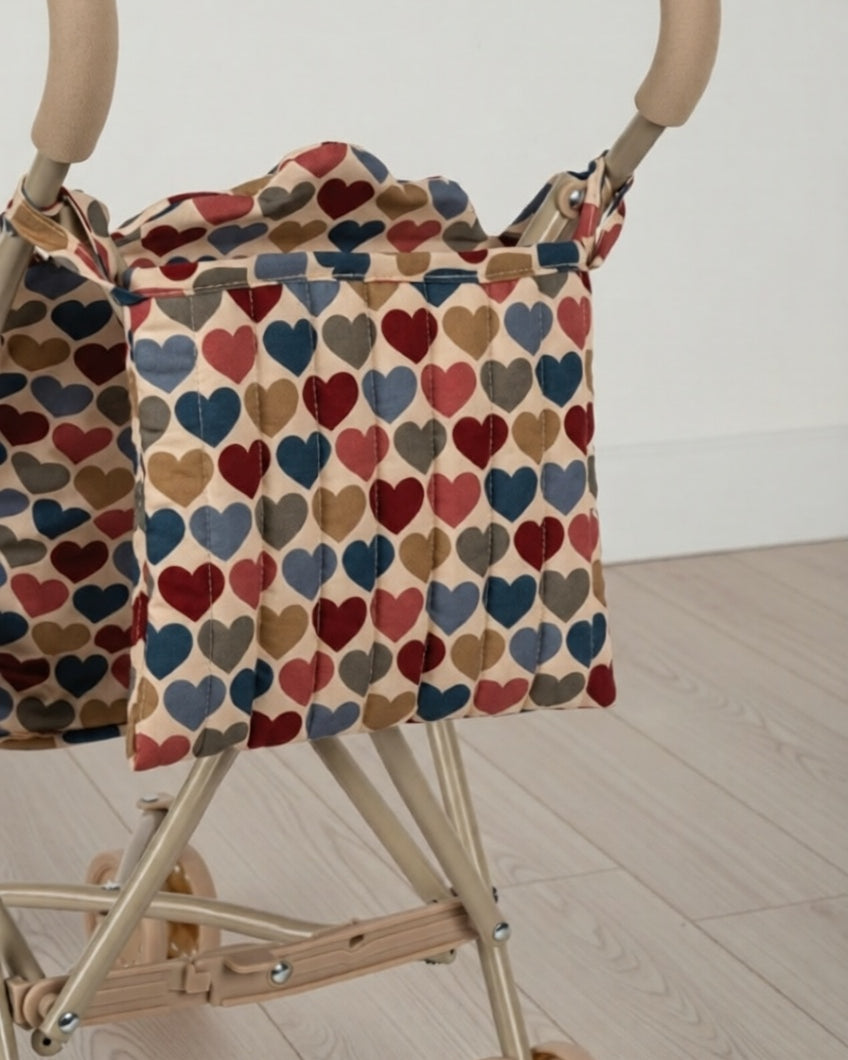
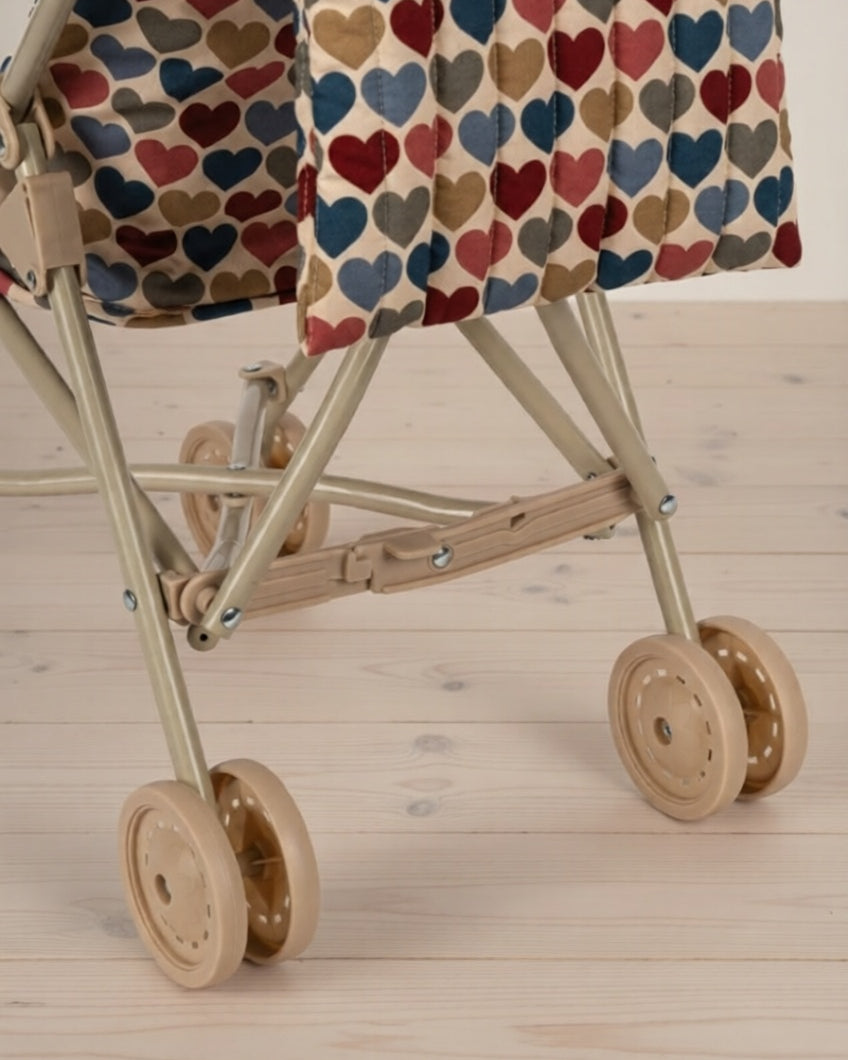
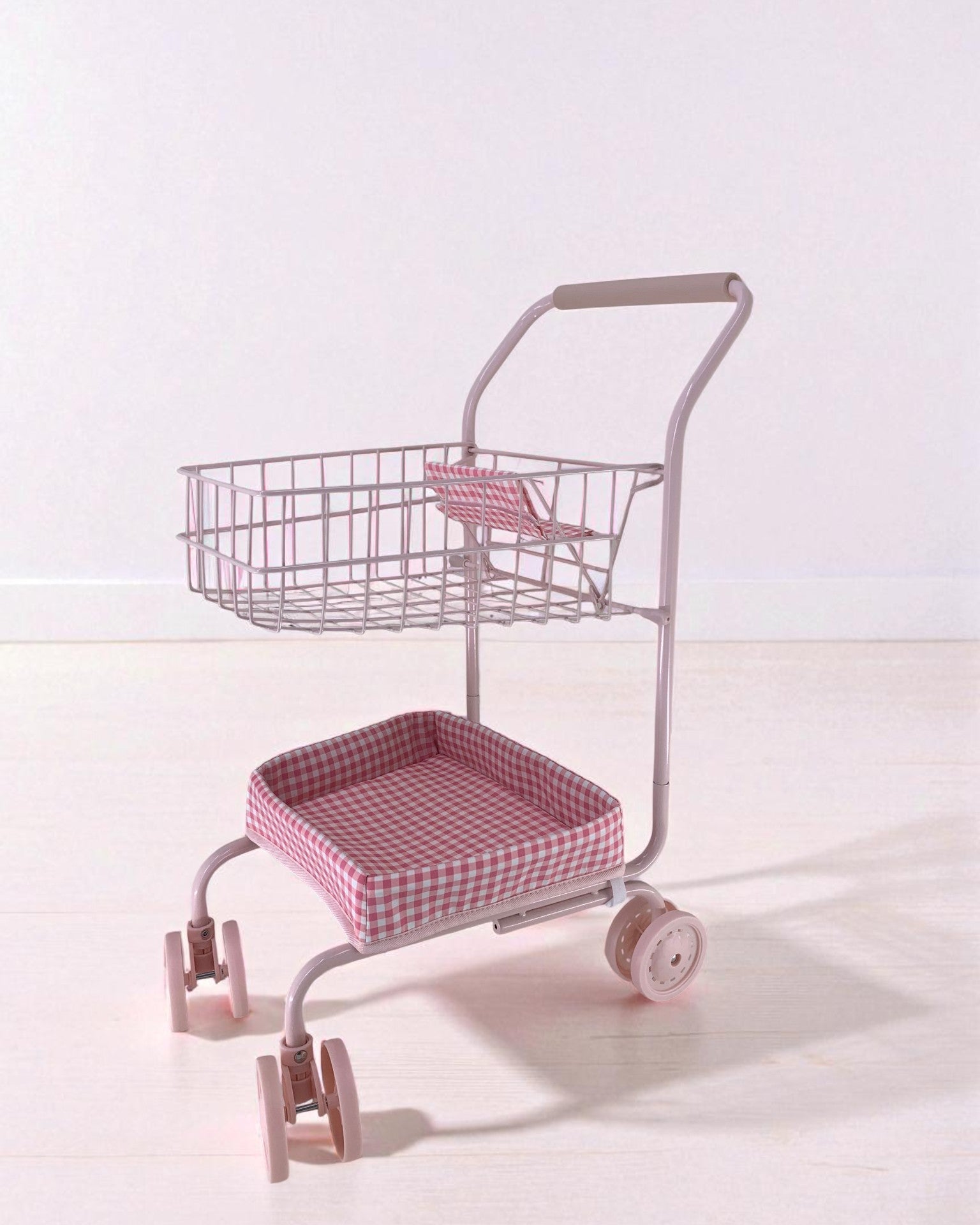
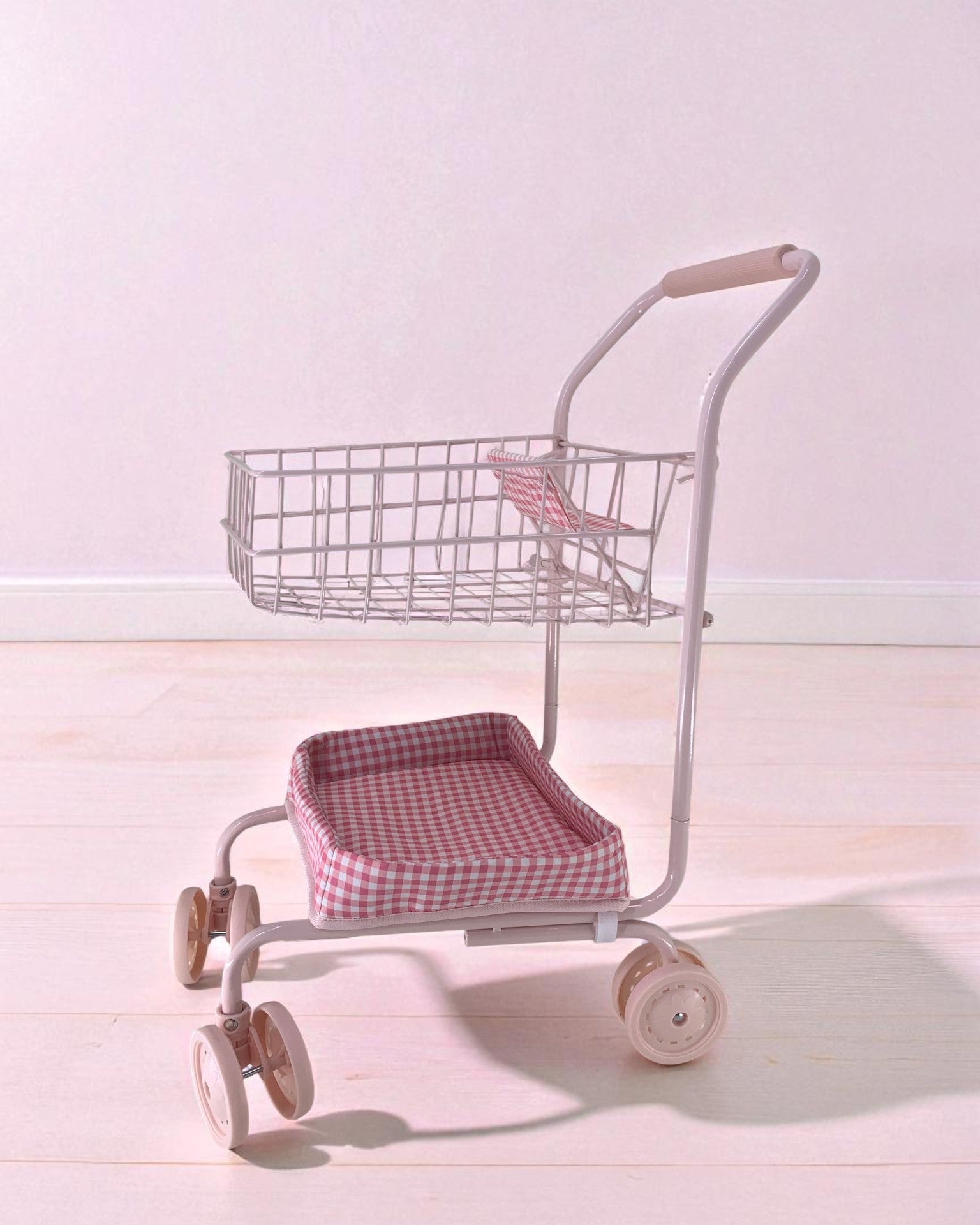
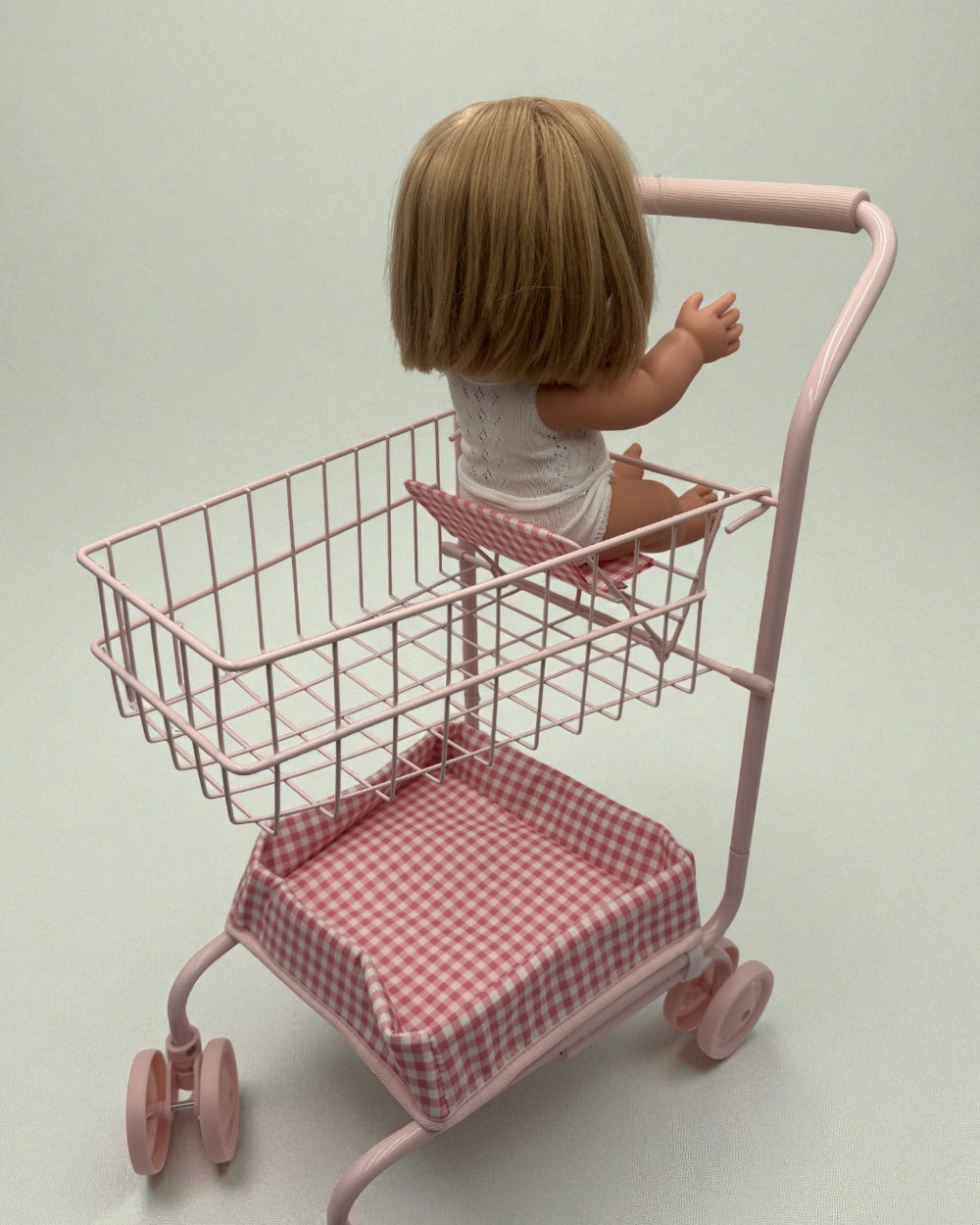
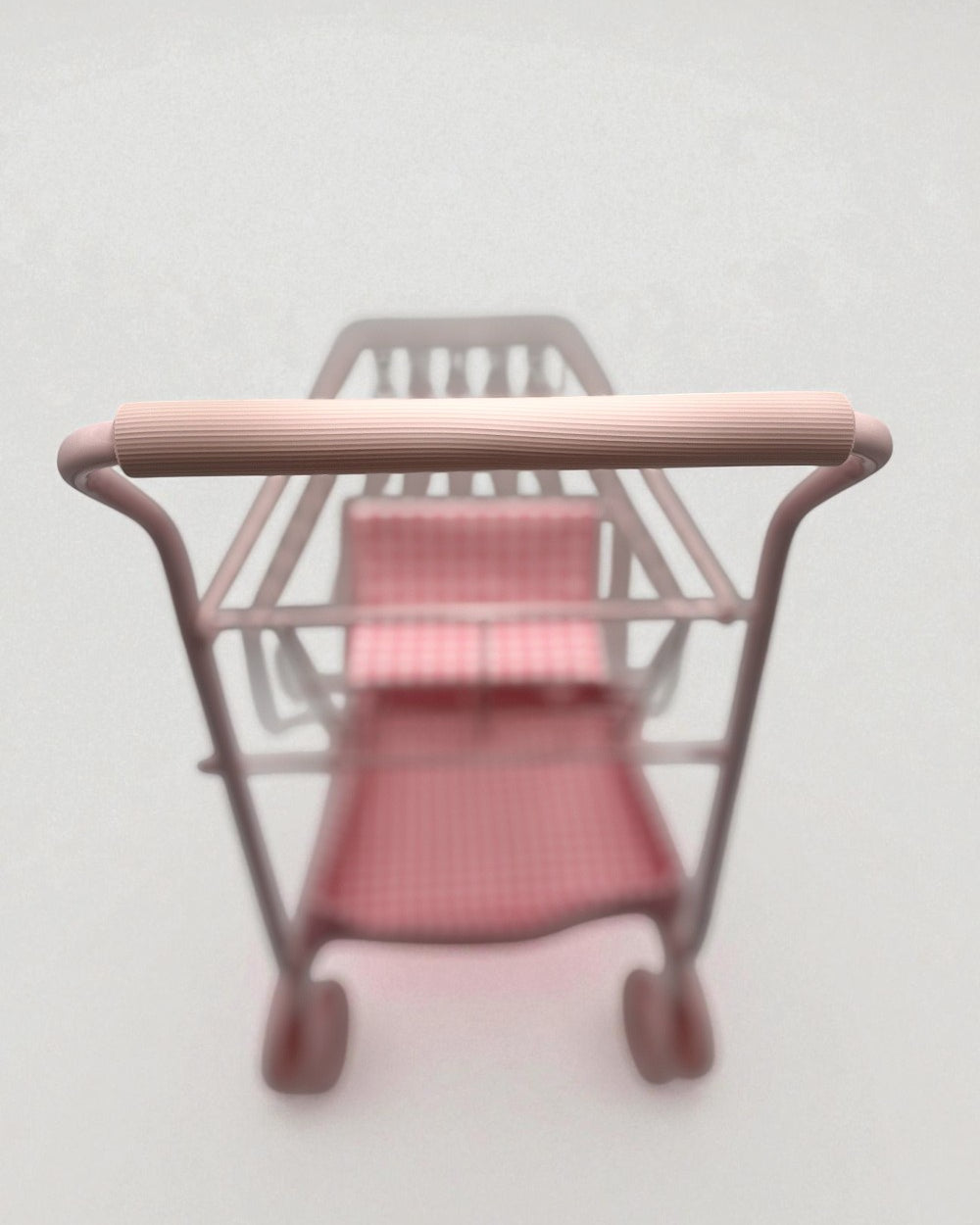
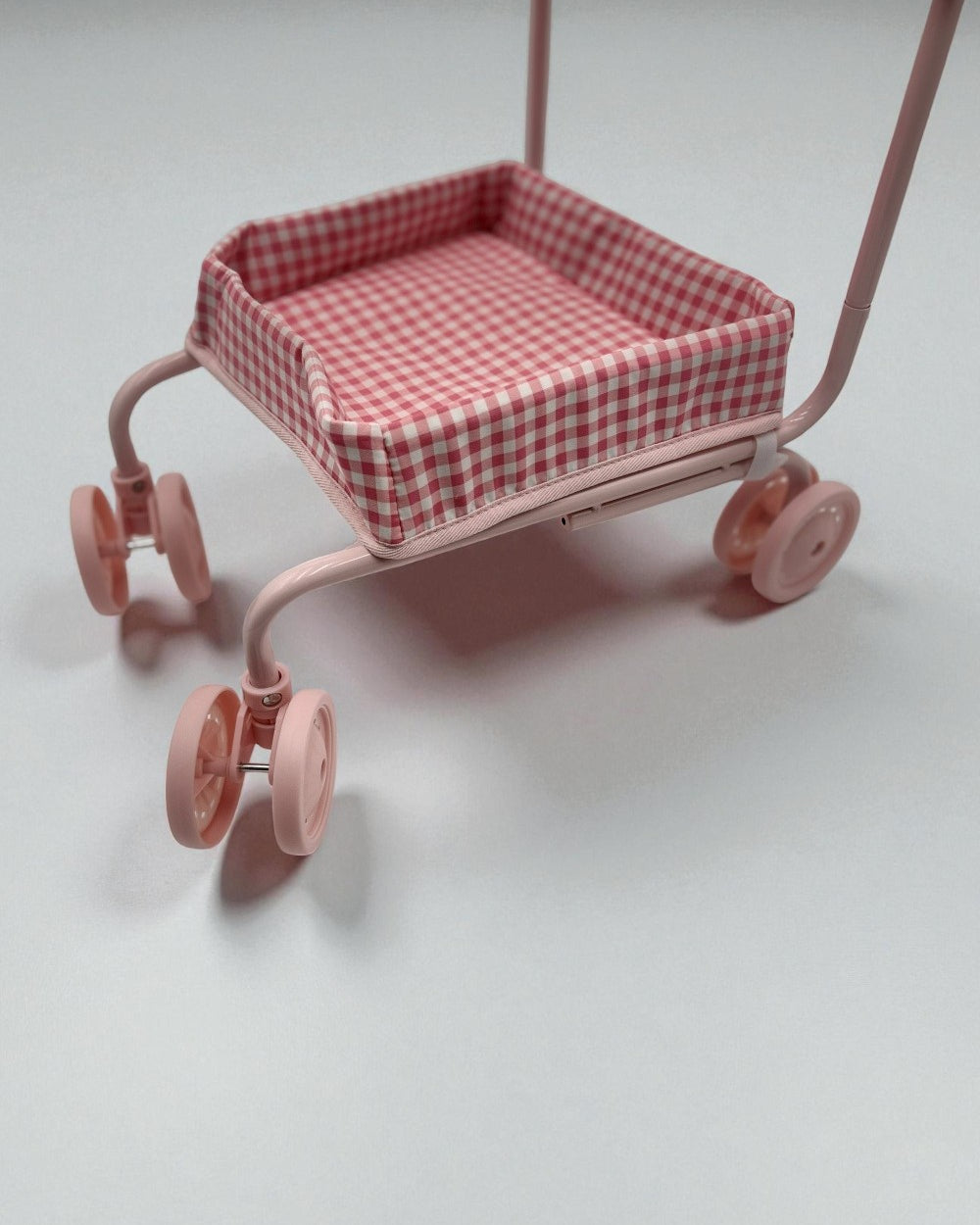
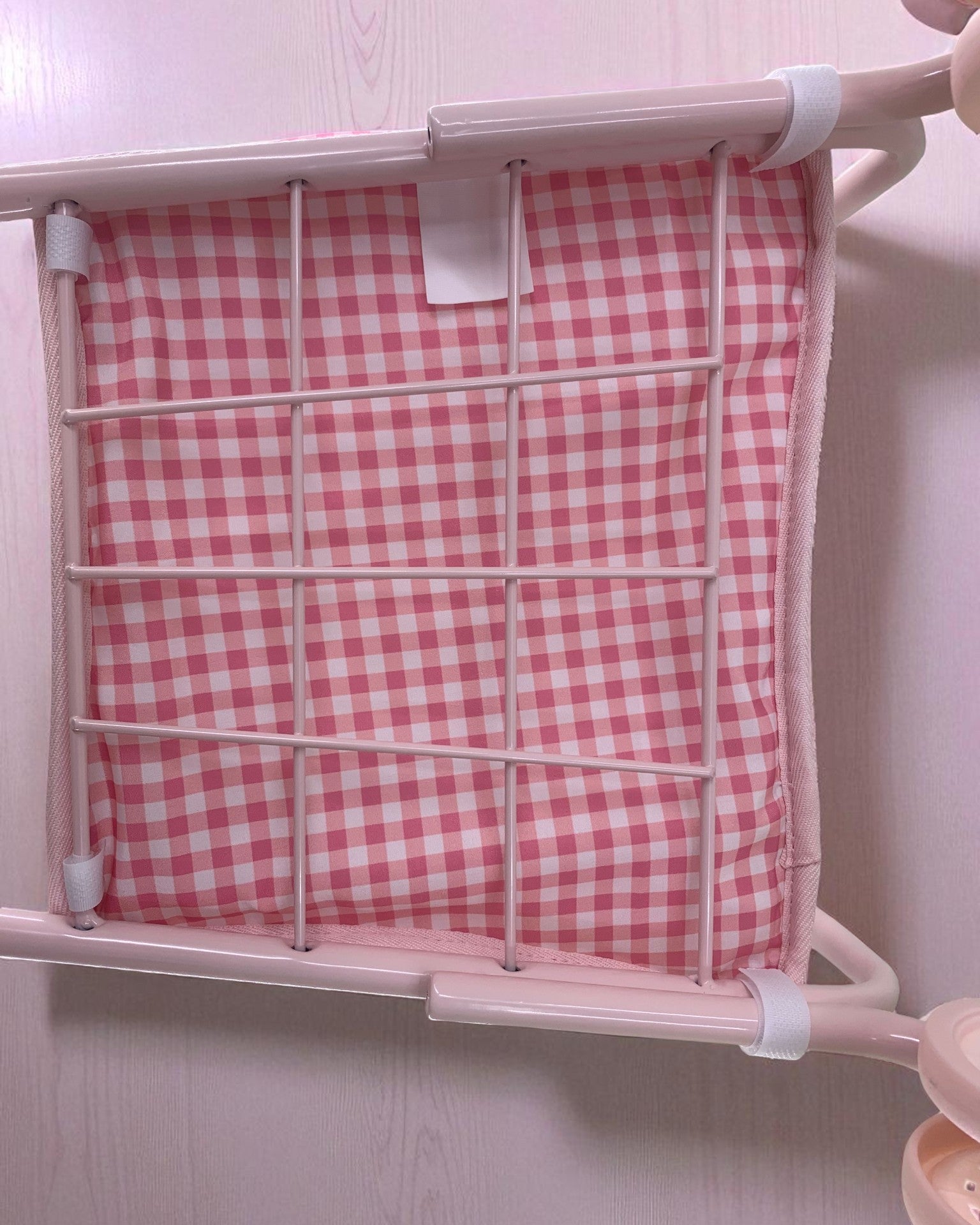
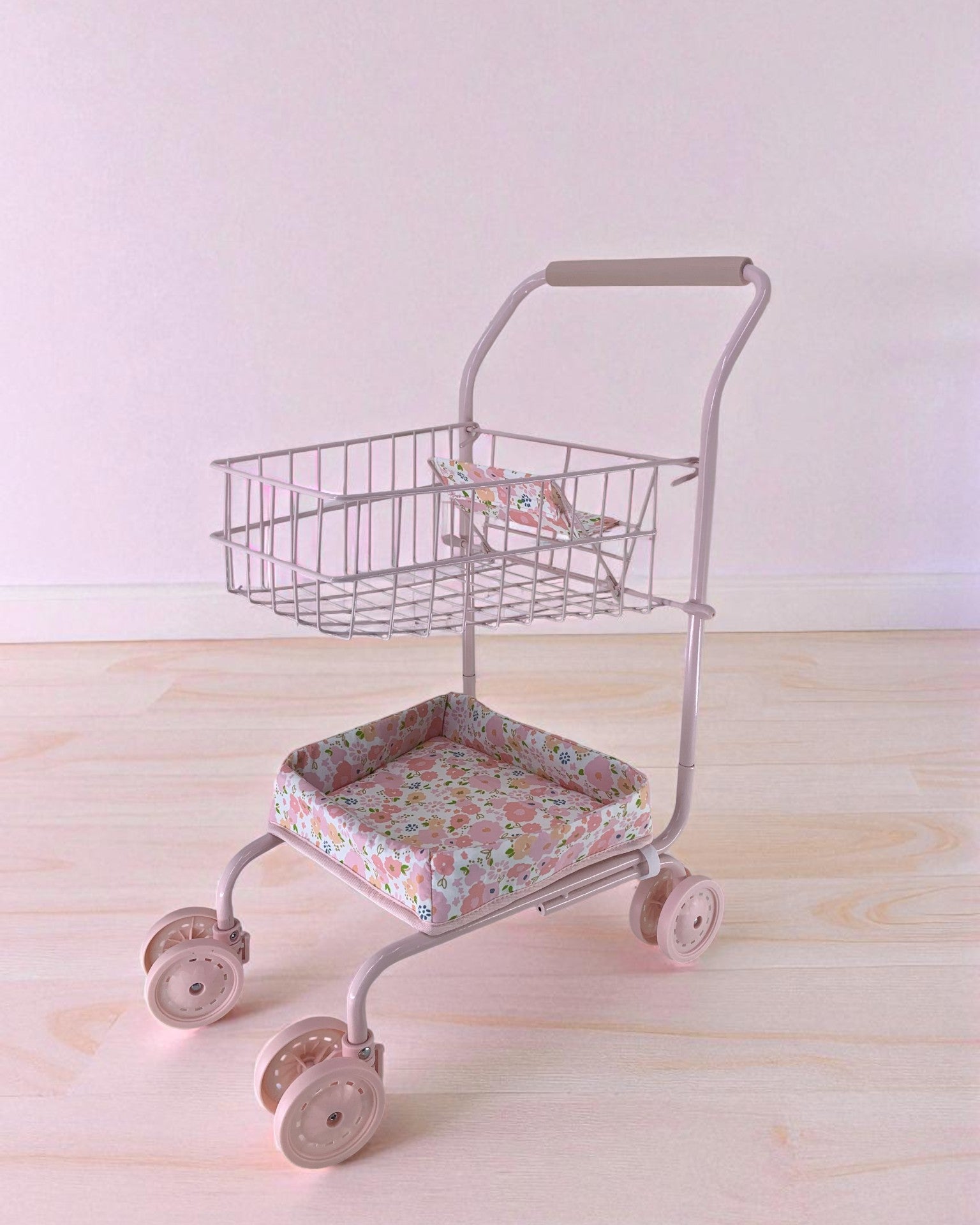
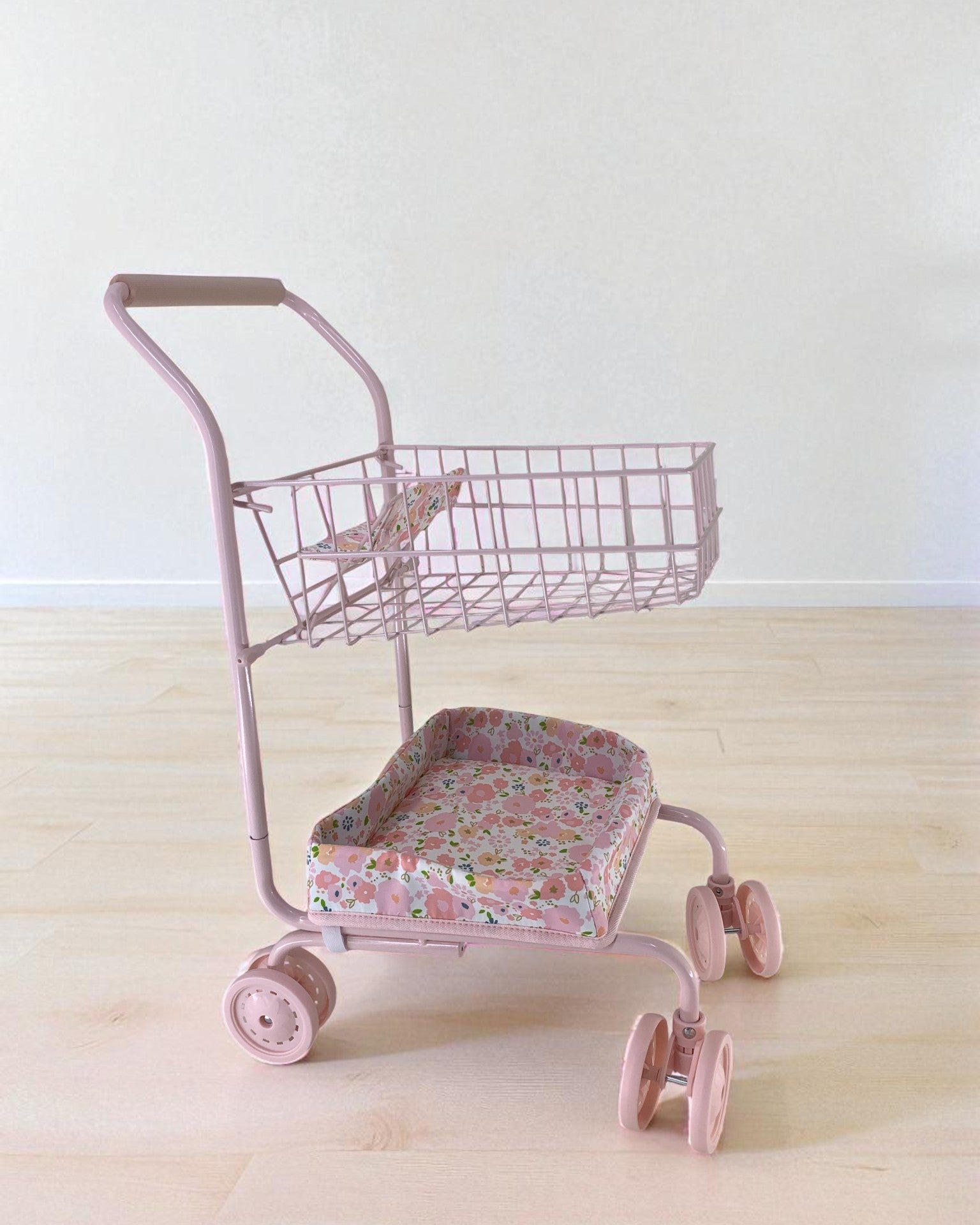
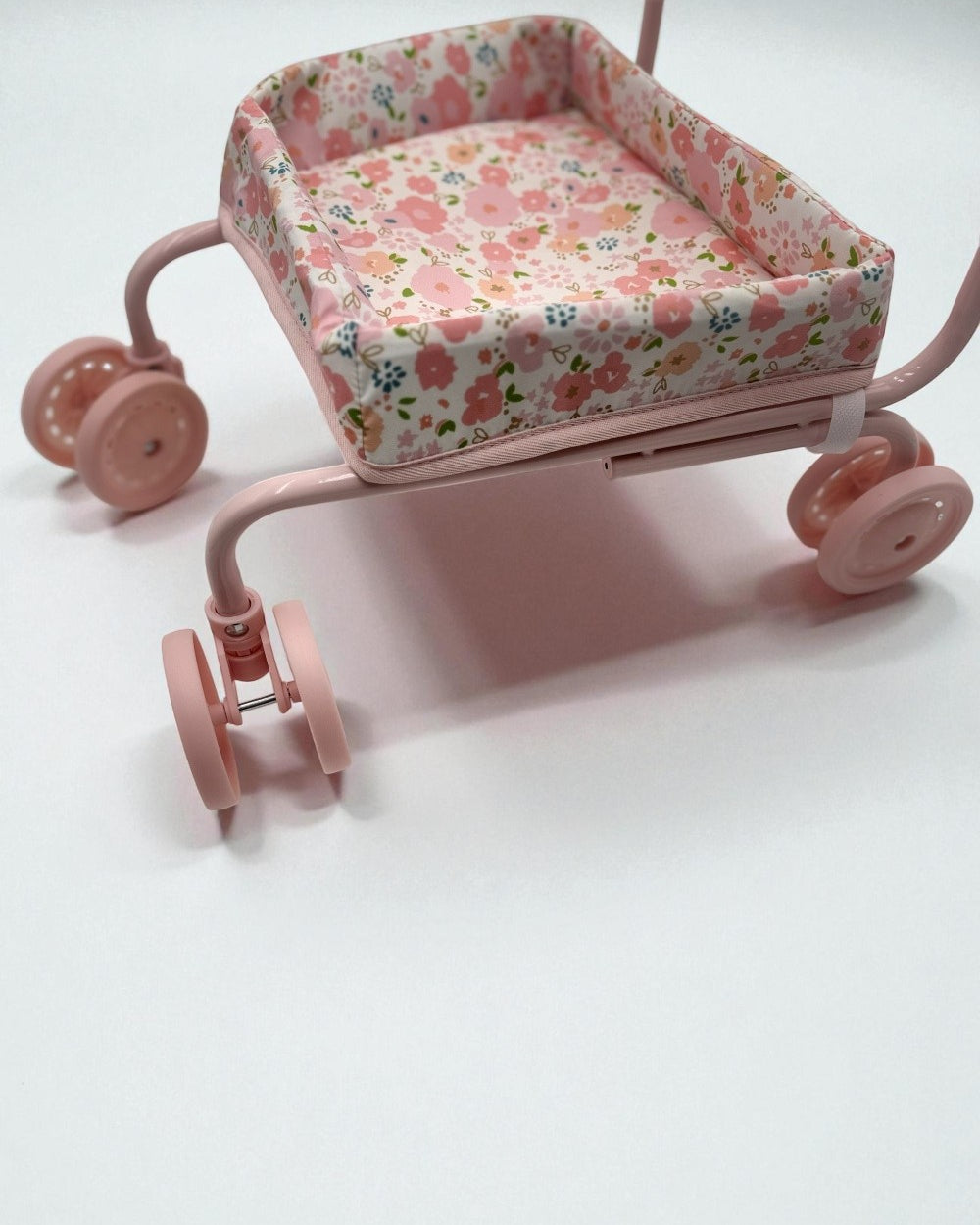
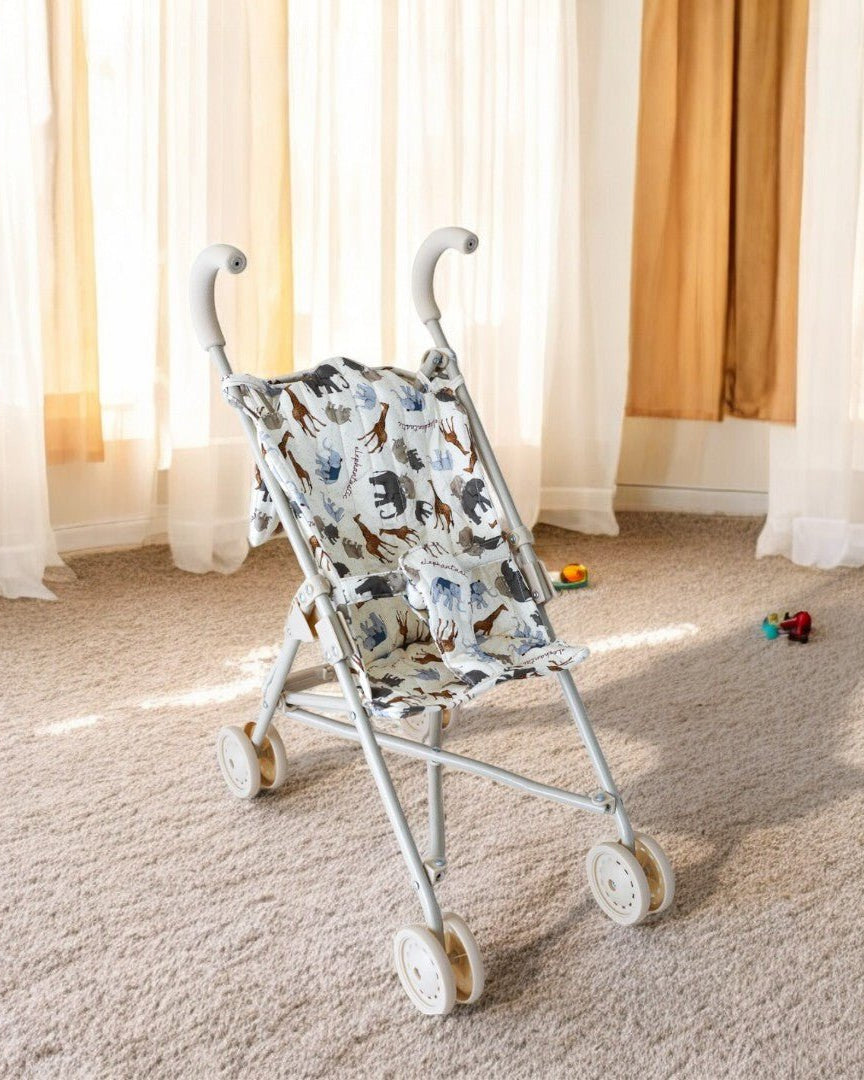
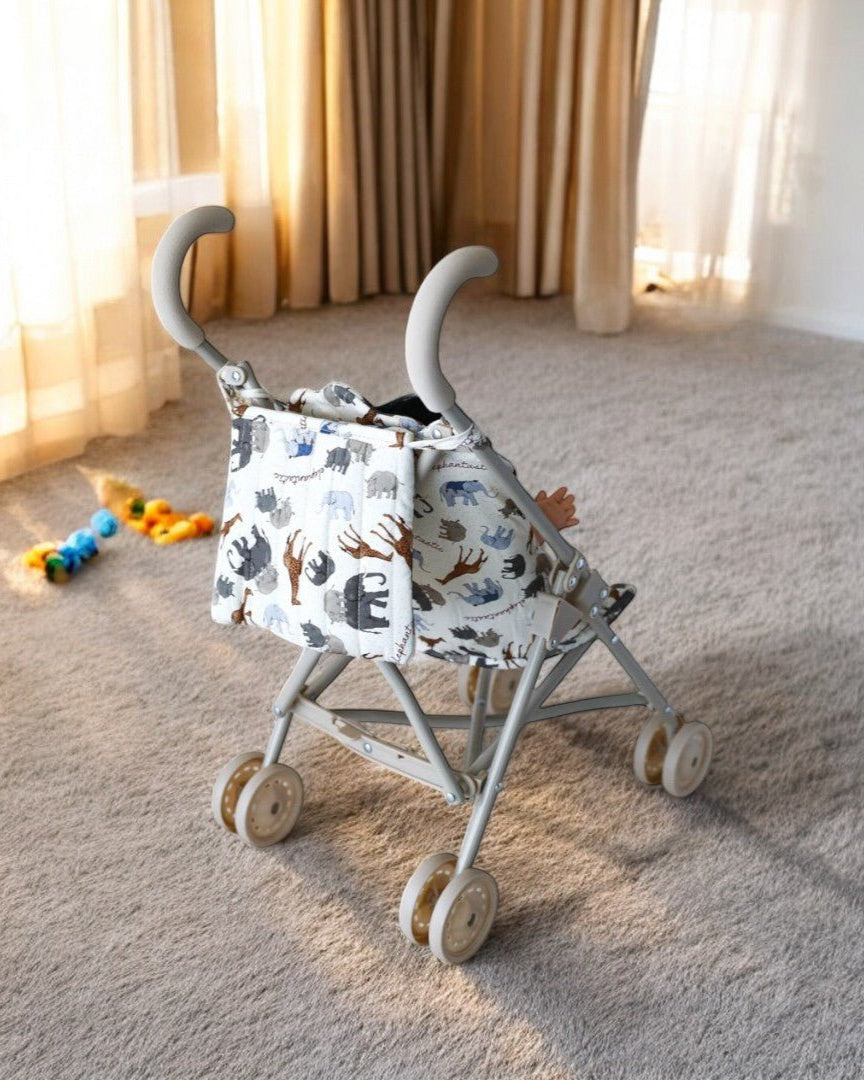
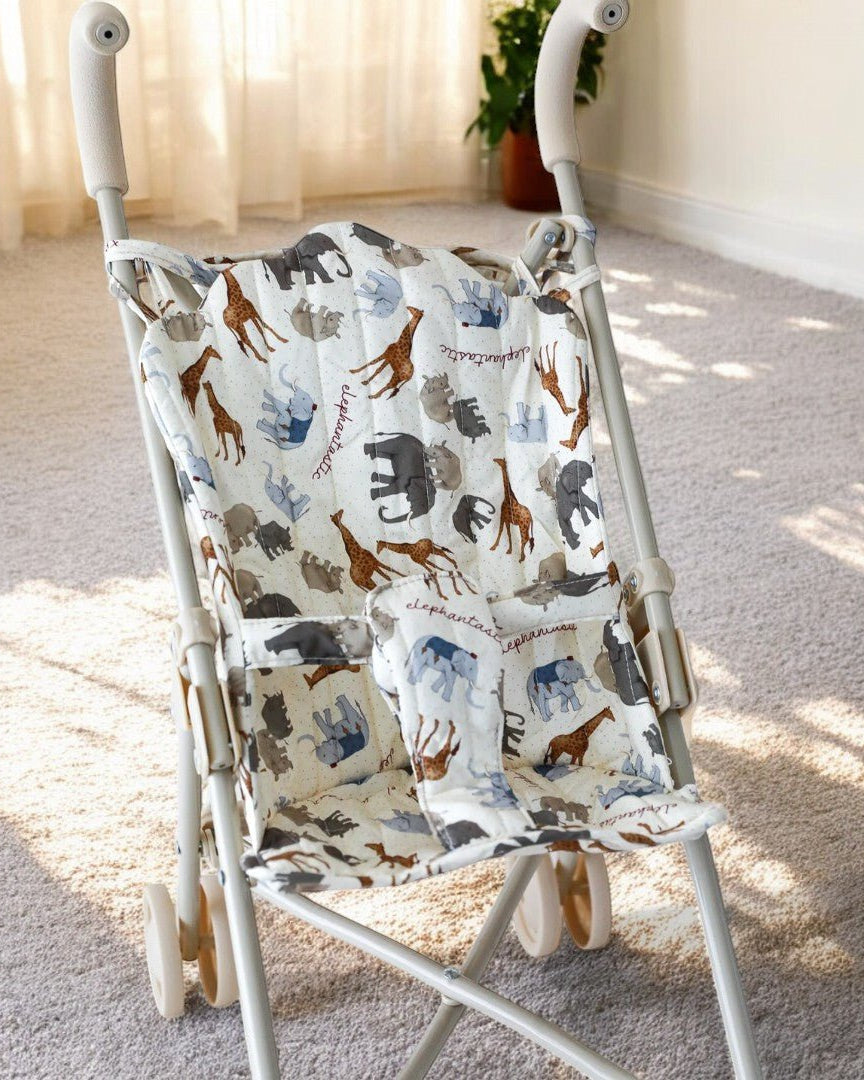
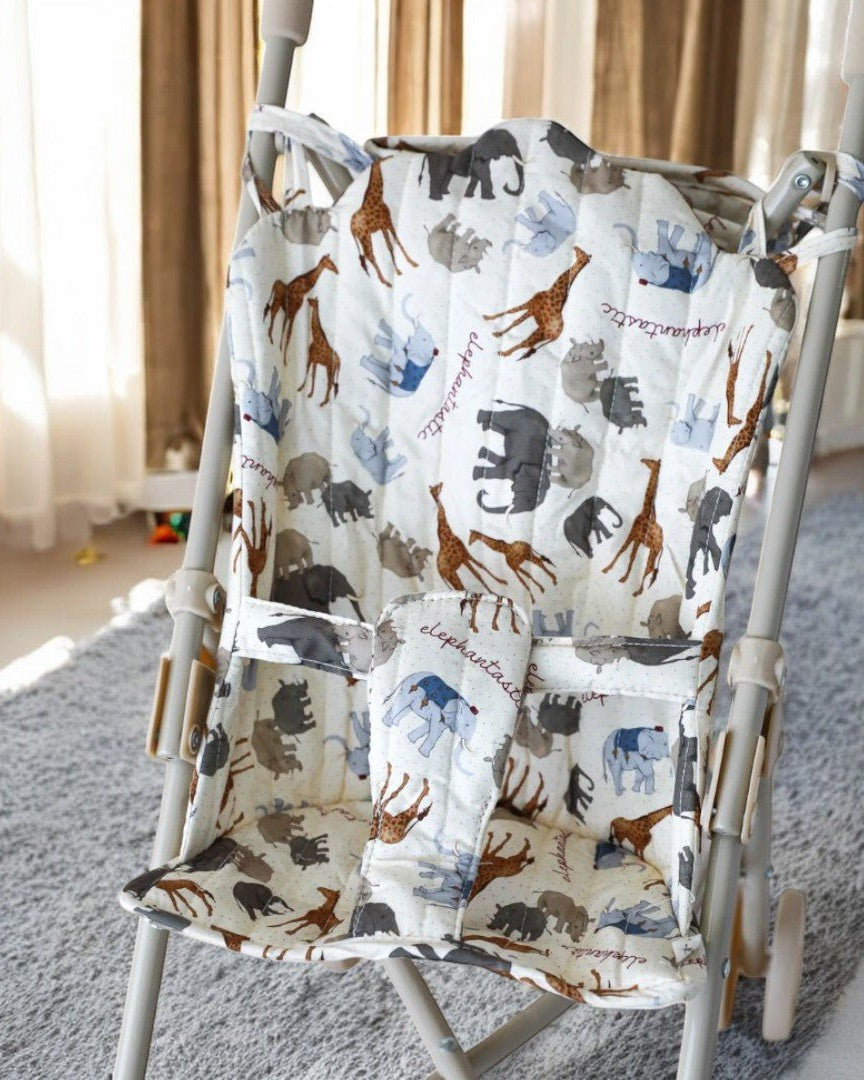
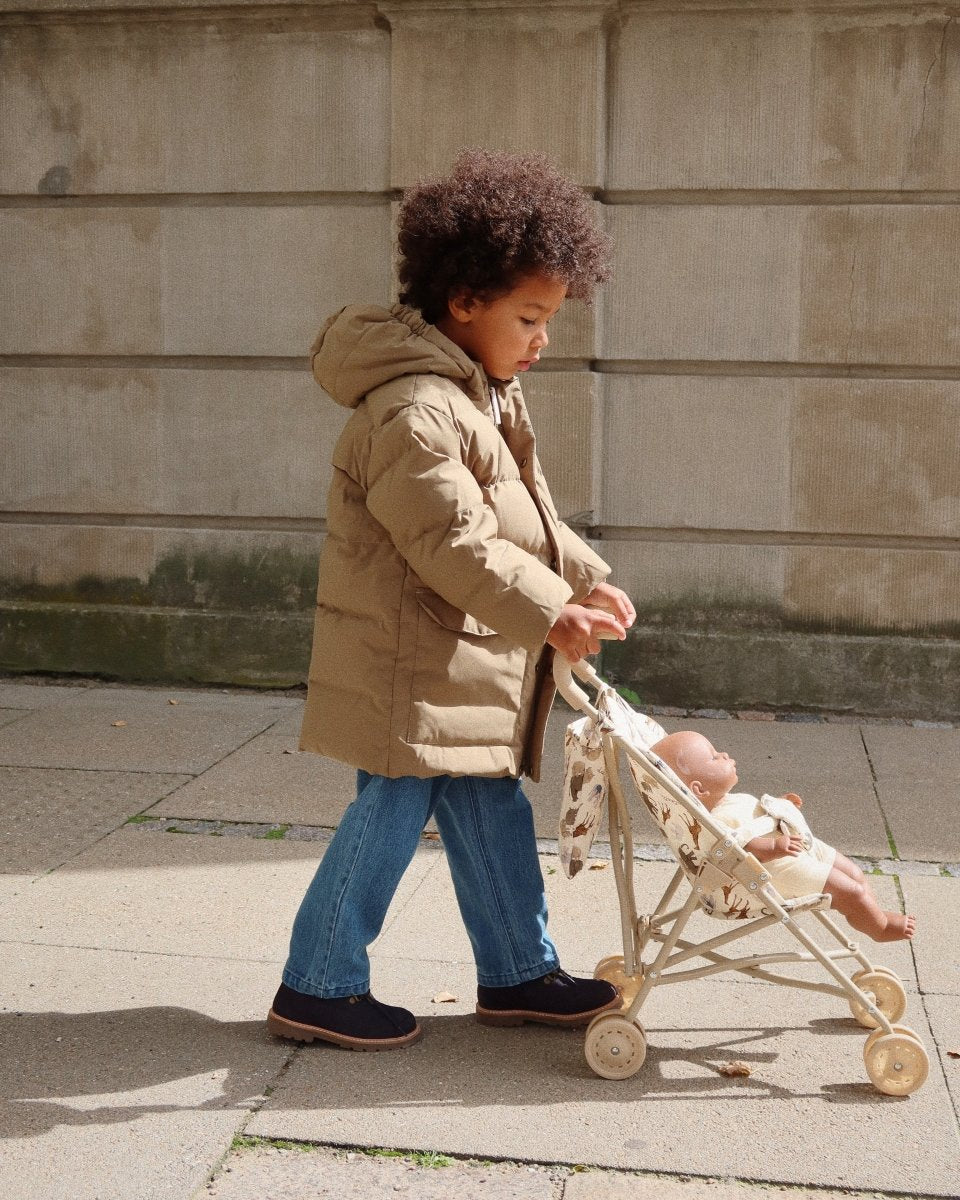
Our doll strollers and shopping carts are European-designed, CPSIA safety certified, and built to keep up with everyday adventures. Available in various stroller prints and shopping cart styles, each one is crafted from sturdy materials and sized for children 3 years and up.
★ European-designed - crafted with attention to detail and quality materials
★ CPSIA safety certified - independently tested, not just manufacturer claims
★ Built for real play - sturdy enough for daily use, indoors and out
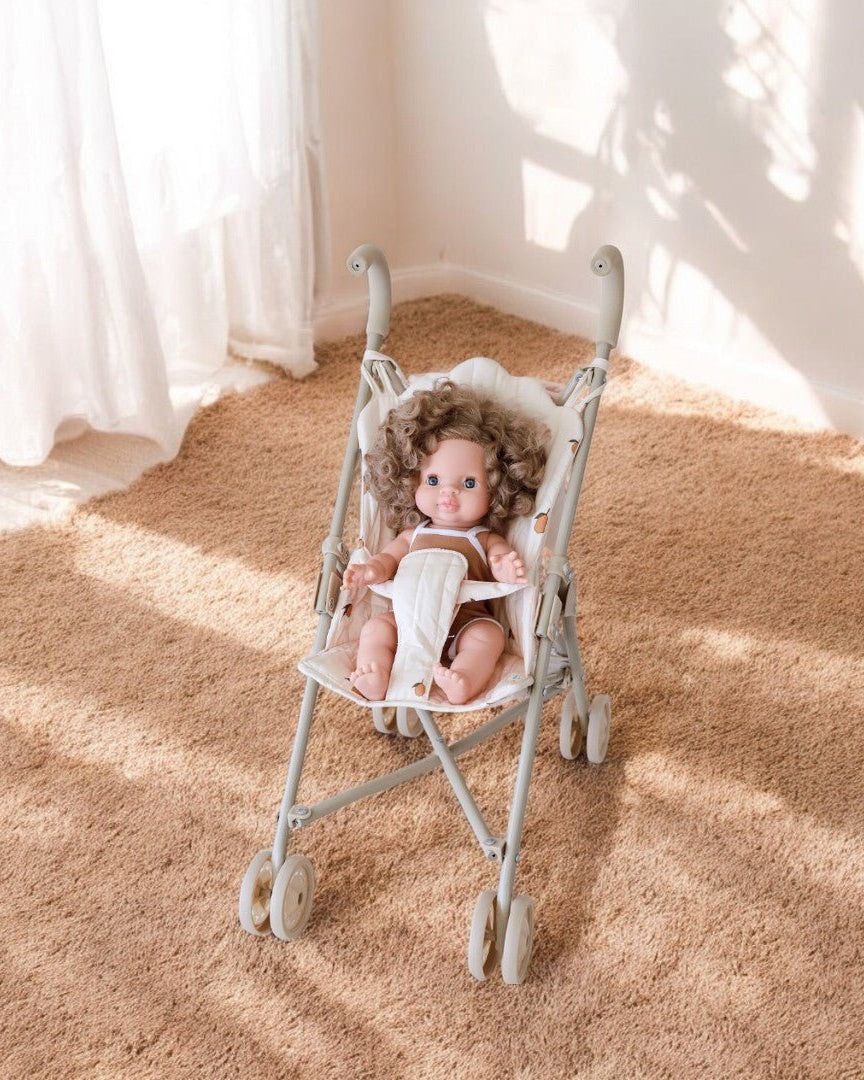
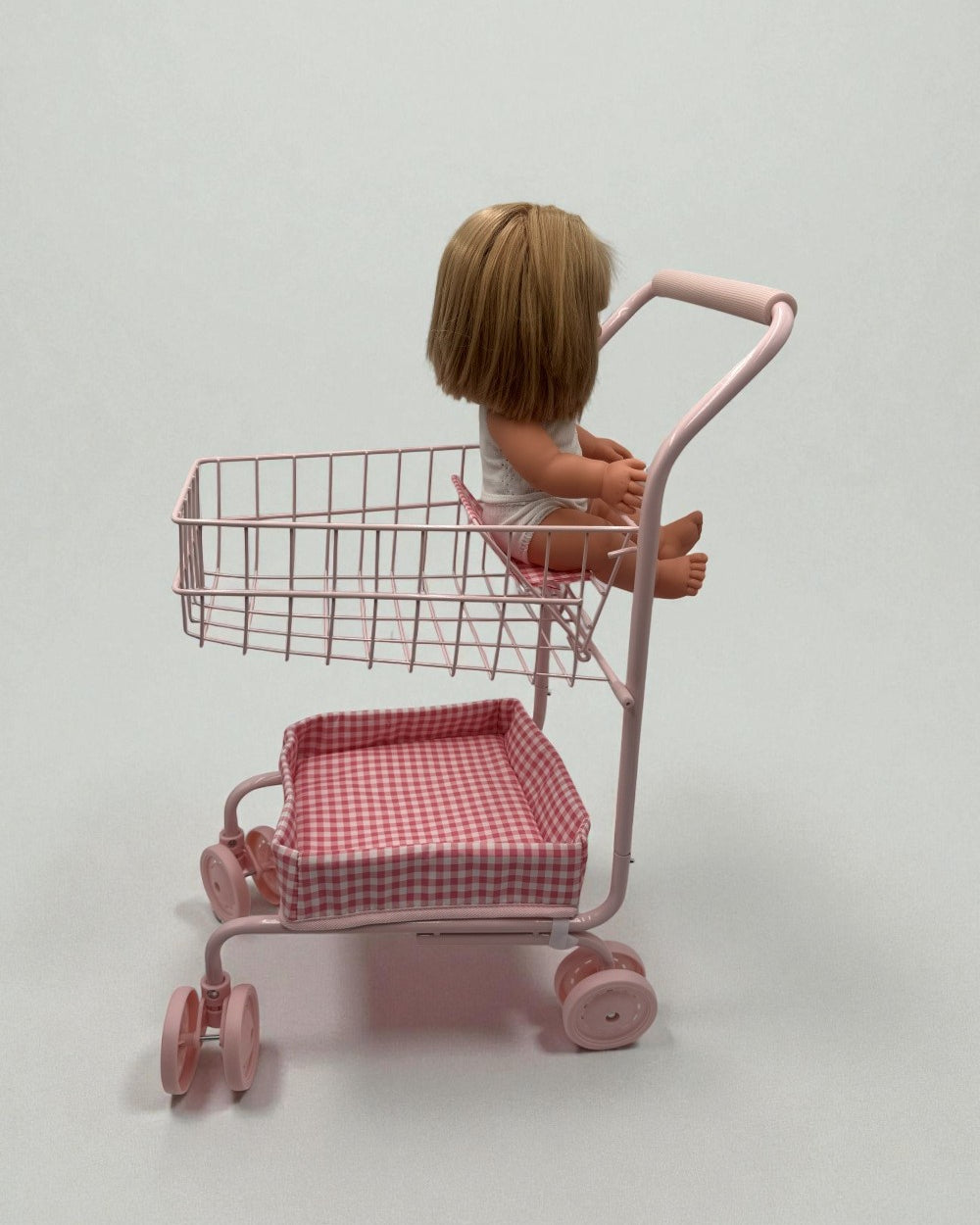
★ Sized for all dolls including Minikane and similar brands



FAQs
What age is a doll stroller appropriate for?
Our doll strollers are safety tested and rated for children ages 3 and up. That said, many of our customers introduce them earlier — children as young as 2 who are walking confidently often enjoy pushing a stroller around the house. If you're considering one for a younger child, we'd recommend supervised play. Kids typically get the most use between ages 2 and 5, though plenty of 6 and 7 year olds still incorporate strollers into their pretend play.
What age is a toy shopping cart appropriate for?
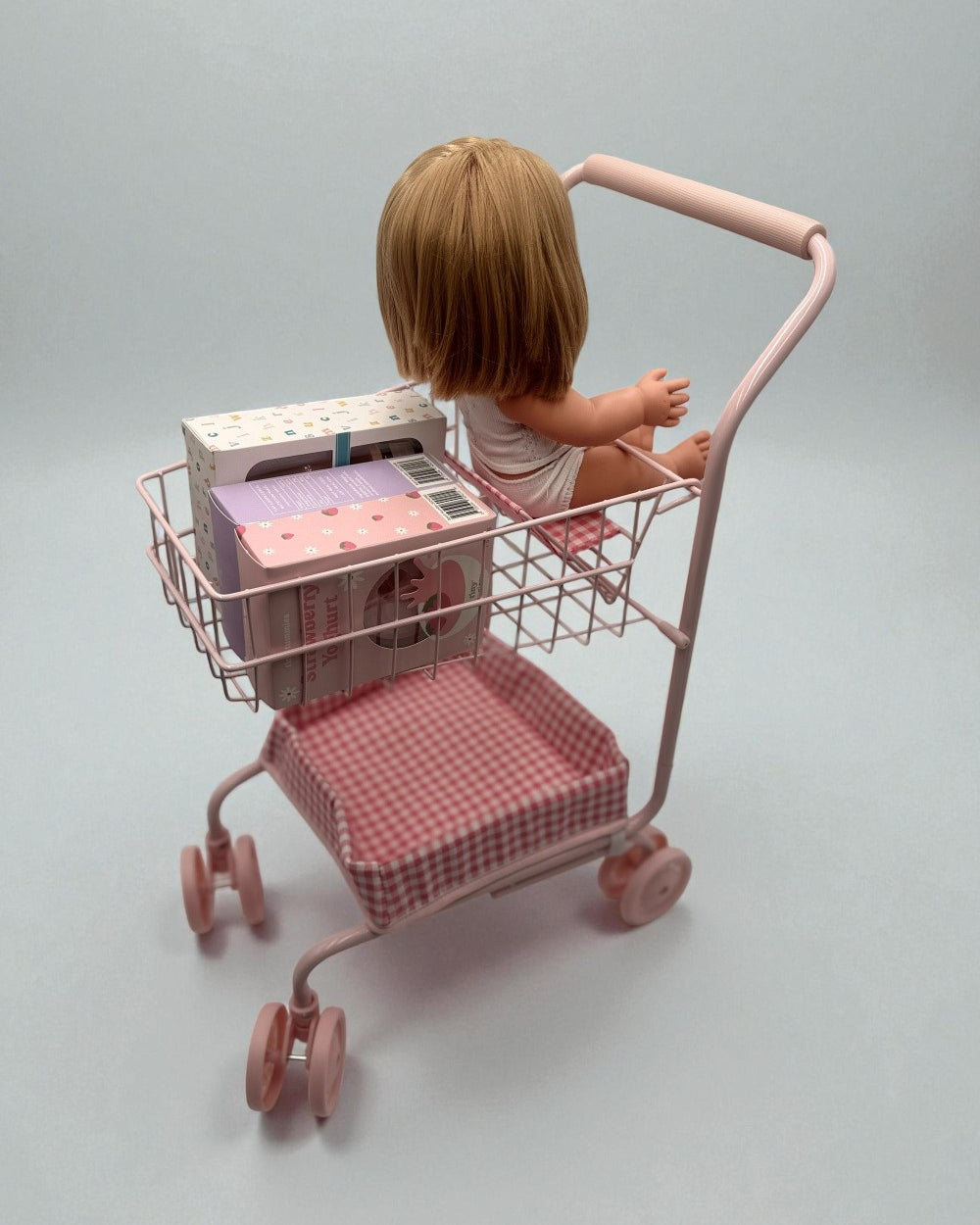
Our toy shopping carts are also rated for ages 3 and up. They require a little more coordination than a stroller since kids tend to load them up and the weight shifts as they add things. Some families introduce them around age 2 with supervision, but most children get the most out of a shopping cart once they're steady enough to push a loaded cart without tipping it. Shopping carts tend to have a slightly longer play life than strollers - kids use them for pretend grocery runs, toy cleanup, and hauling things around well into ages 6 and 7.
What size dolls fit in your strollers?
Our strollers comfortably fit dolls up to 18" in length, which covers most popular brands including our Minikane and Bebenita dolls. Smaller dolls fit too — kids regularly tuck in stuffed animals, blankets, and whatever else they're caring for that day. If your child's favorite doll is larger than 18", it may be harder to fit the doll in the stroller, but soft body dolls will fit more easily than hard body dolls.
Are your doll strollers safety tested?
Yes. Every stroller and shopping cart in this collection has been independently CPSIA safety tested - meaning they were sent to a third-party lab for testing, not tested by the manufacturer. This covers lead content, phthalates, small parts, and sharp edges. If safety documentation matters to you, reach out to us and we're happy to share the details.
Can doll strollers be used outside?
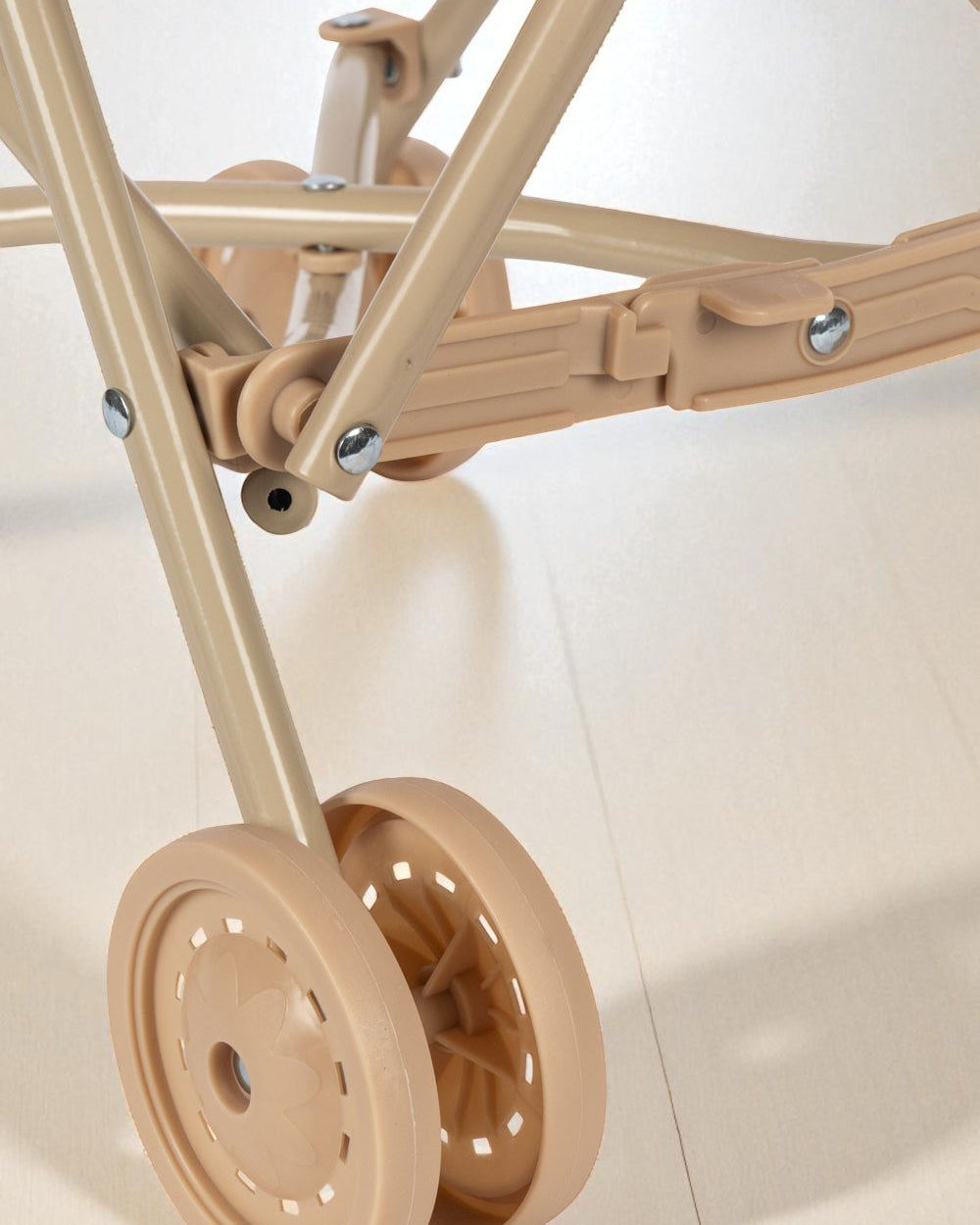
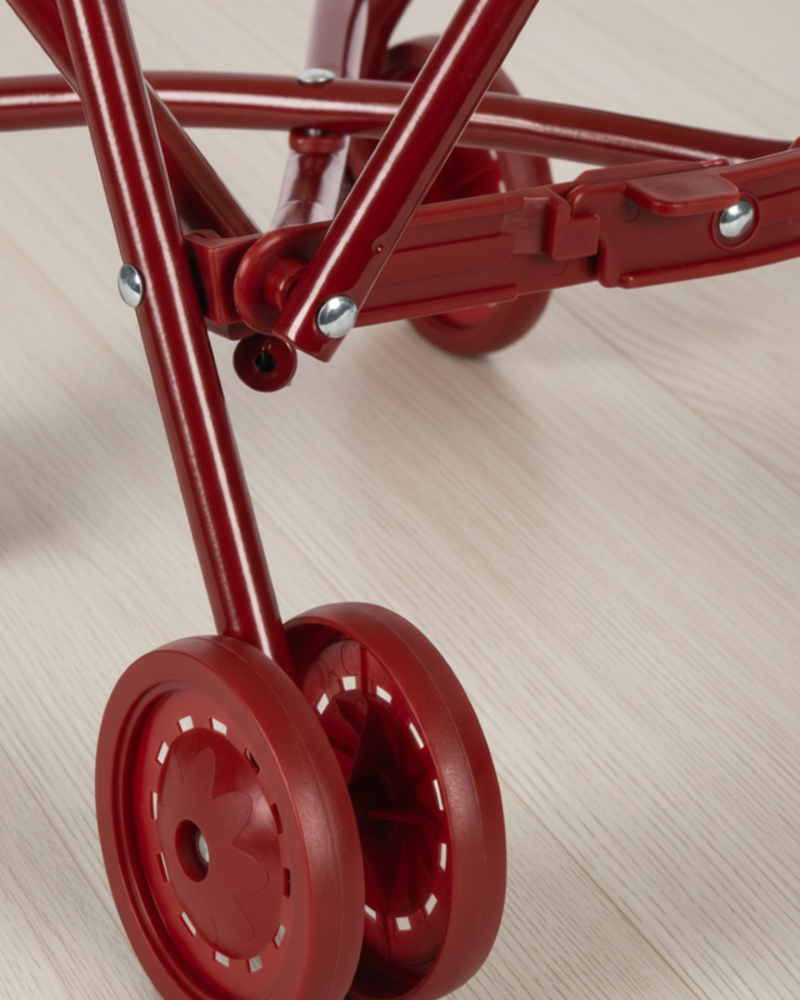
Yes. The wheels handle sidewalks, driveways, patios, and short grass without issue. Most families use them primarily indoors but regularly take them on neighborhood walks, to the park, and into the yard. Rougher terrain like gravel, sand, or tall grass will be harder to push through - these are toy strollers, not jogging strollers. One practical note: if your child uses the stroller outside frequently, the wheels may pick up dirt, so a quick wipe before bringing it back inside keeps your floors clean.
Do your doll strollers fold for storage?
Yes, our strollers fold flat for easy storage. This makes a big difference if your playroom is also your living room, or if you want to bring the stroller along in the car. The folding mechanism is simple enough that an adult can do it in a few seconds. We have a step-by-step video on each stroller product page if you want to see exactly how it works before you buy.
How do I choose between a doll stroller and a shopping cart?
It depends on how your child plays. If they gravitate toward caregiving - feeding dolls, tucking them in, pushing them around on walks - a stroller fits that play naturally. If they're more drawn to pretend cooking, grocery shopping, or loading and unloading things, the shopping cart matches that style better. Both build the same motor skills (balance, coordination, spatial awareness) and both encourage imaginative play, just through different scenarios. If you're not sure, watch what your child reaches for when they play - that usually tells you everything. Many families end up with both over time because they inspire genuinely different kinds of play.