
Baby Dolls
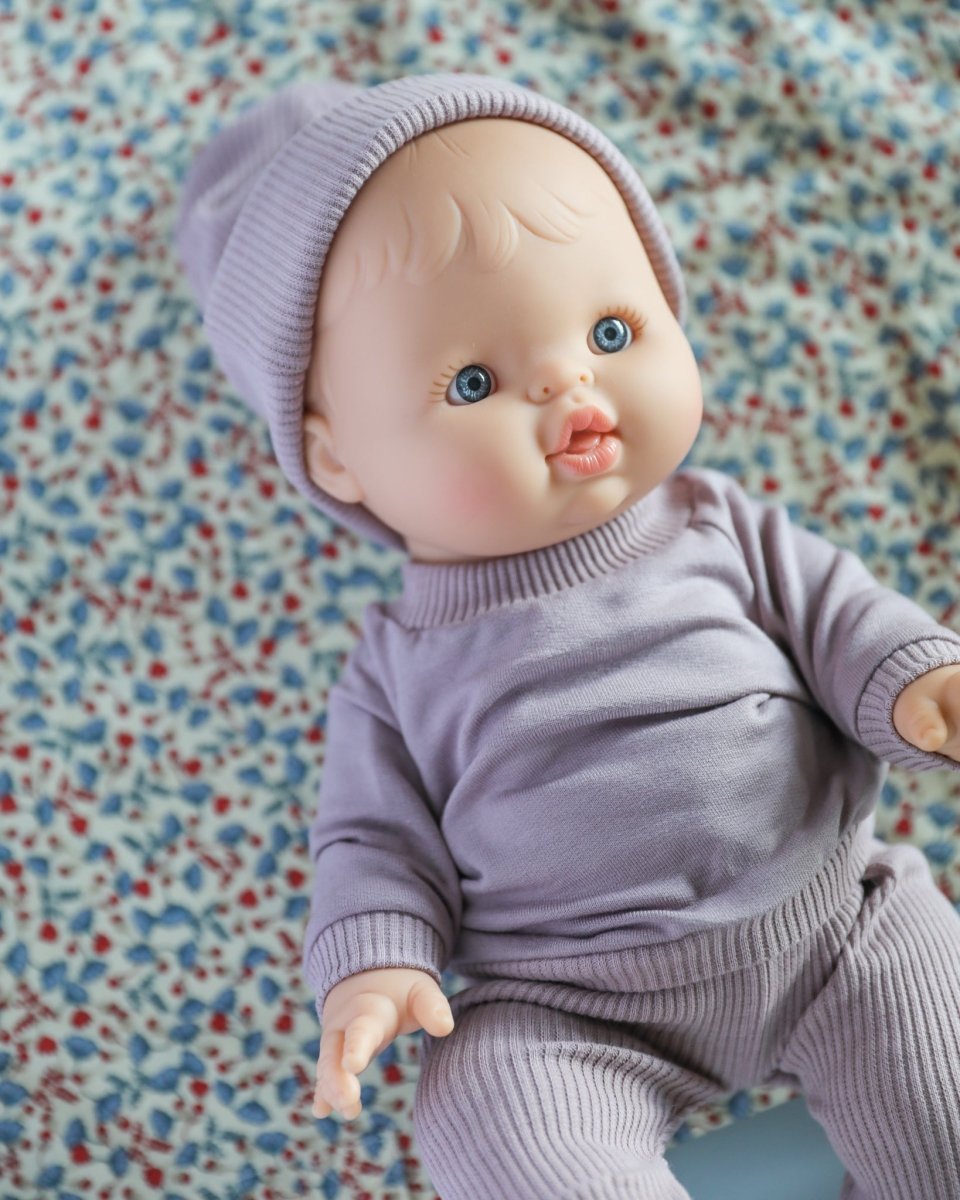
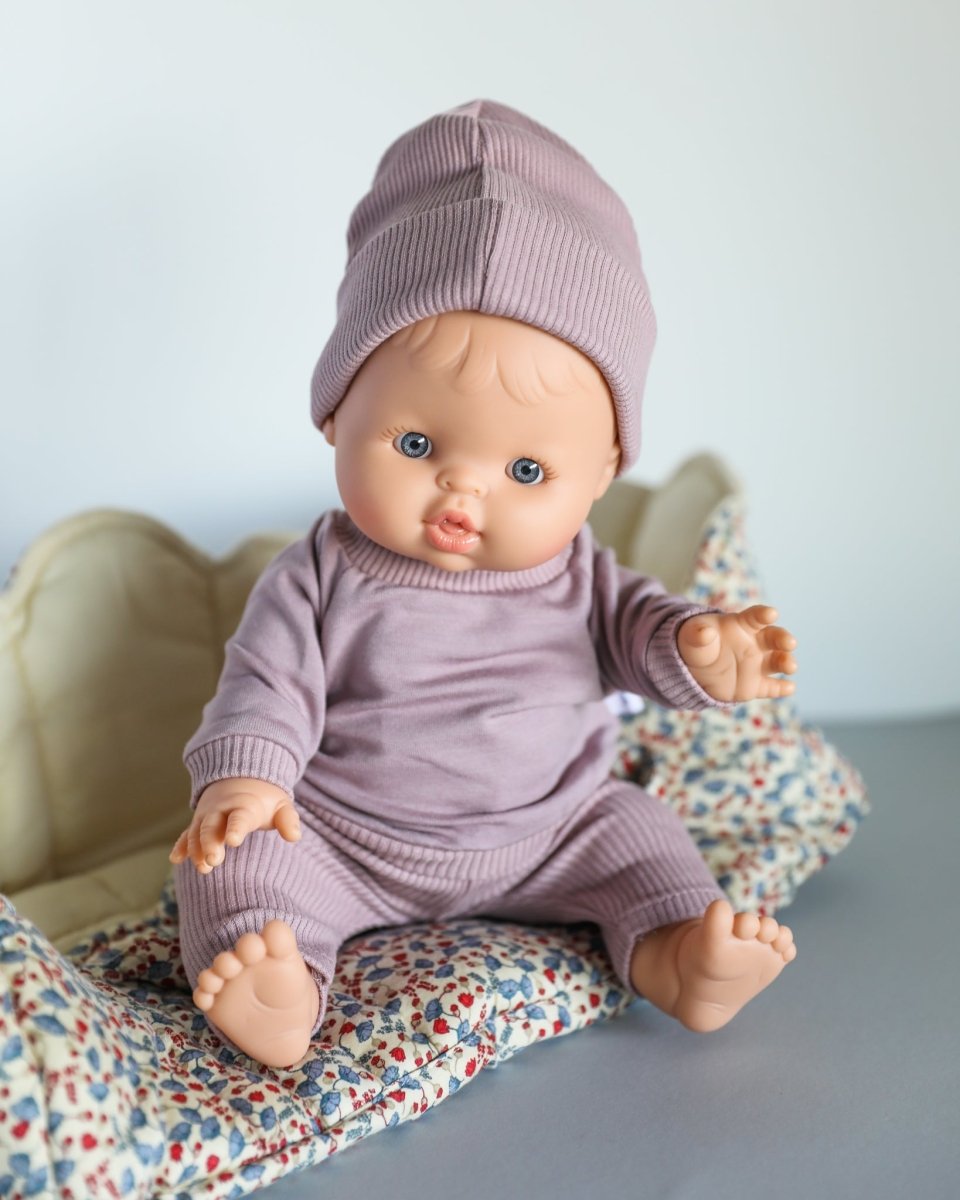
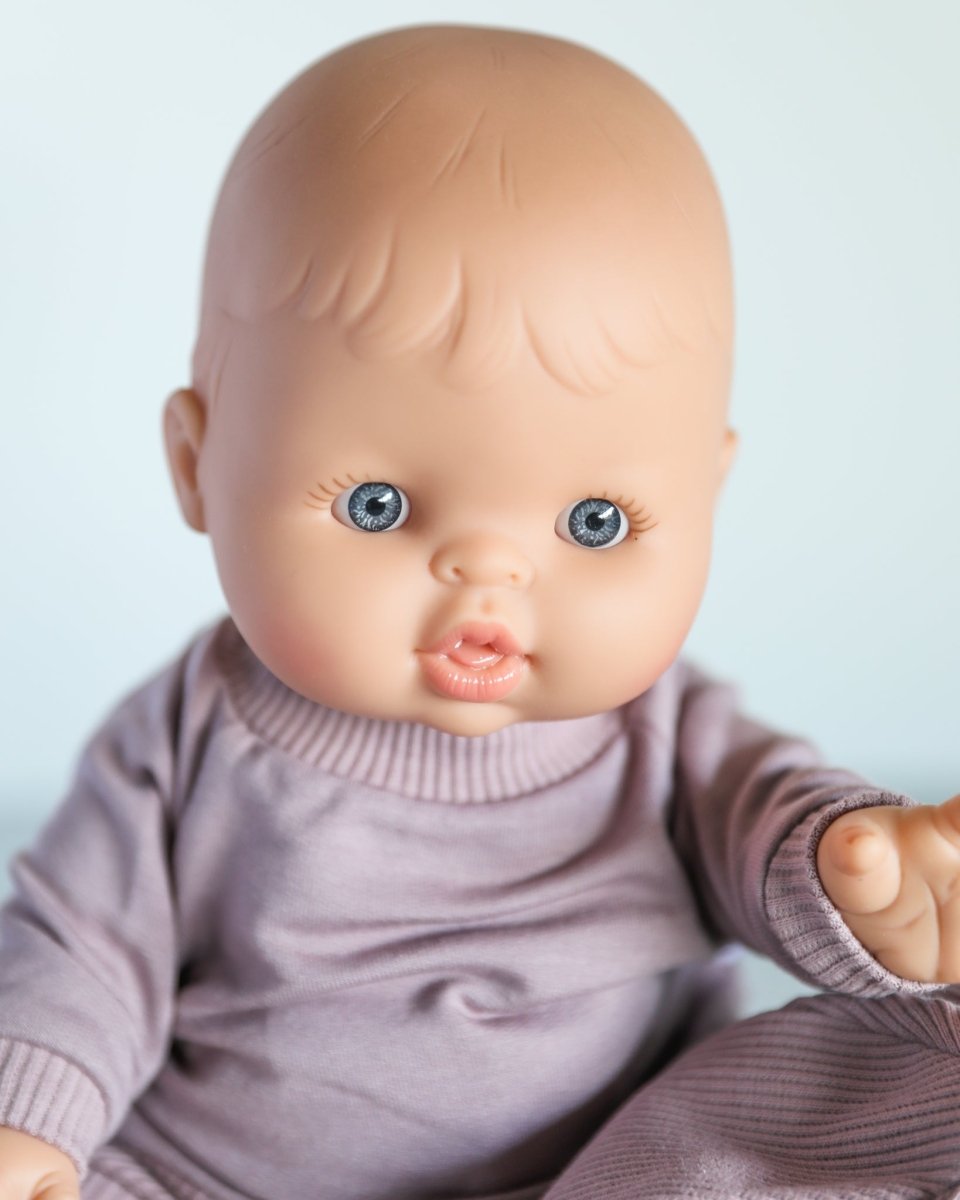
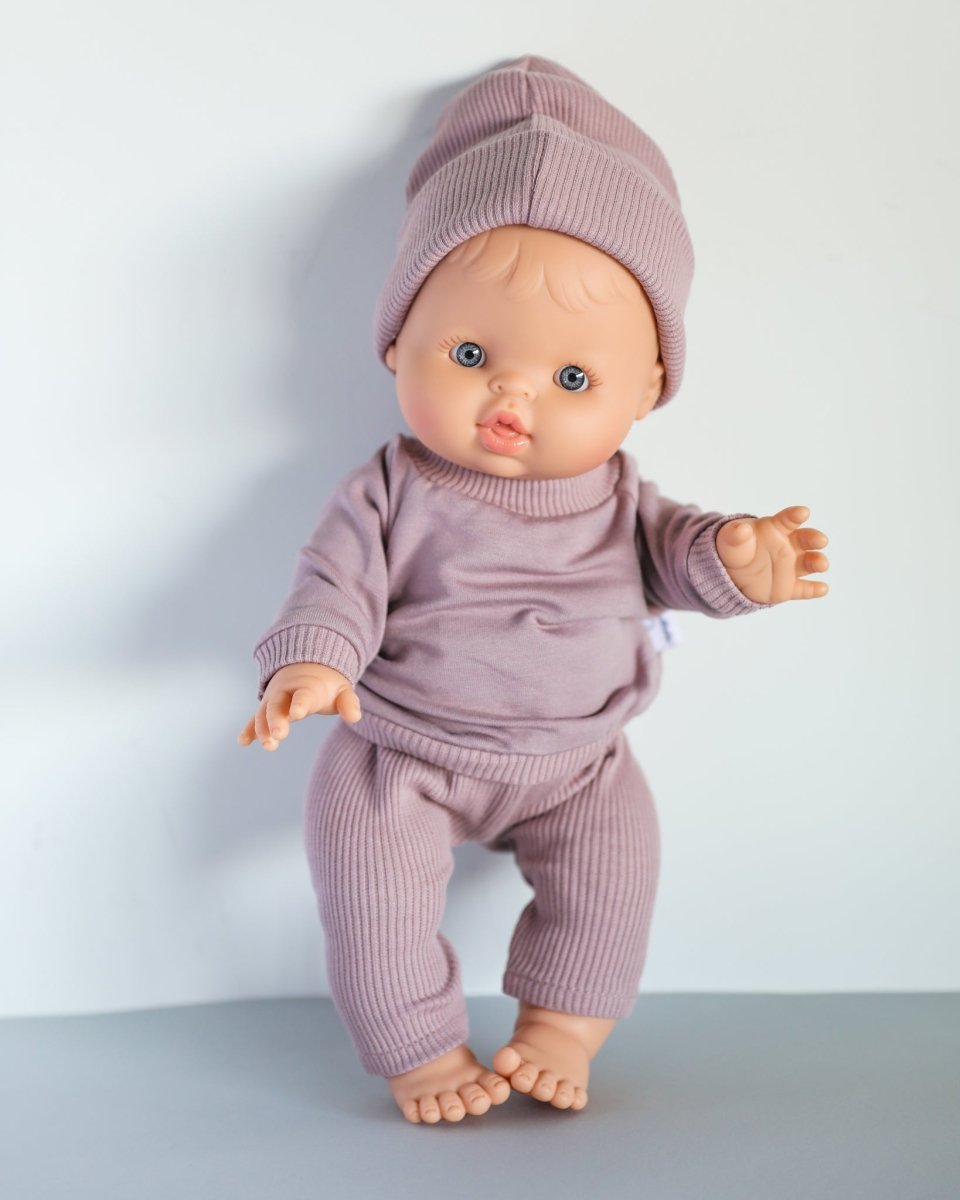
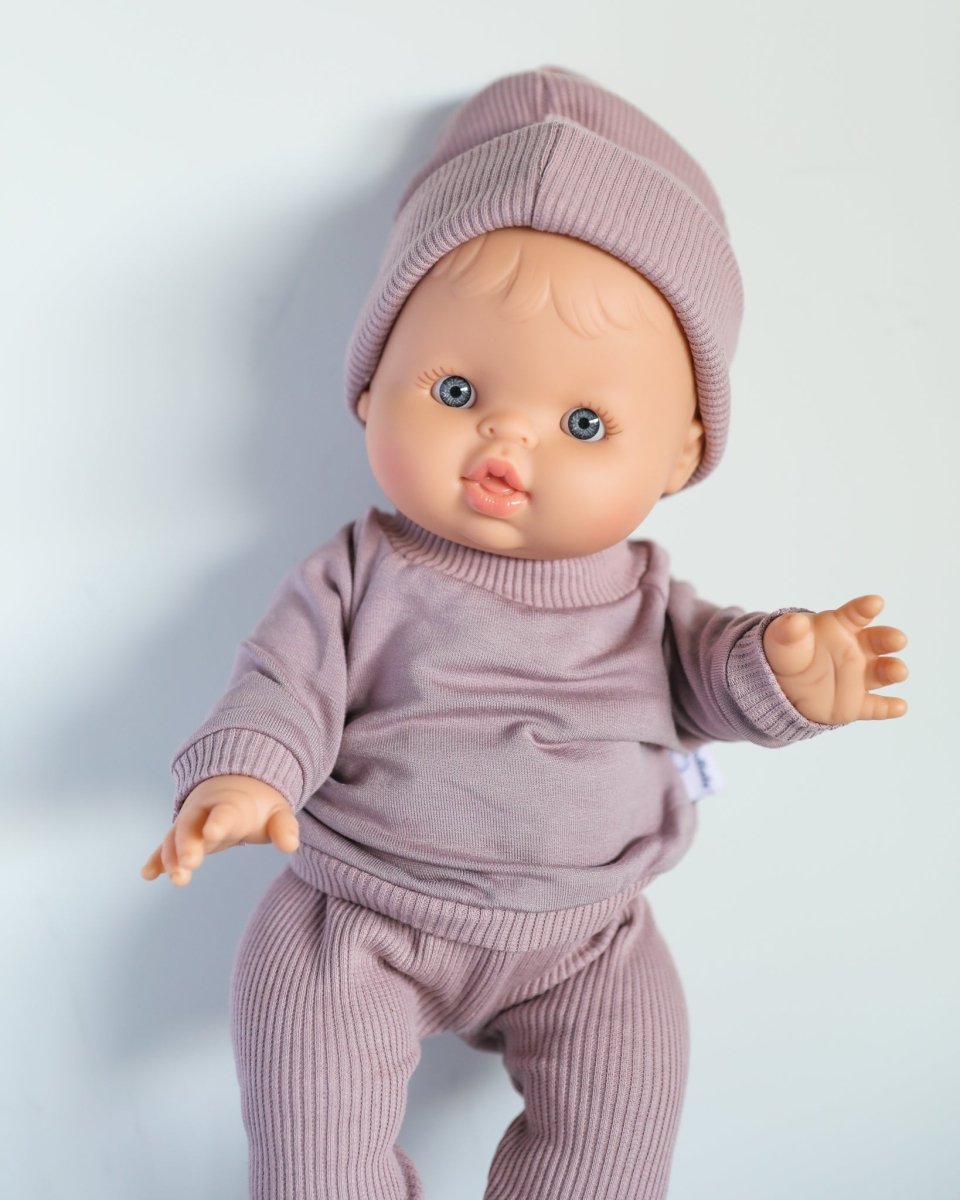
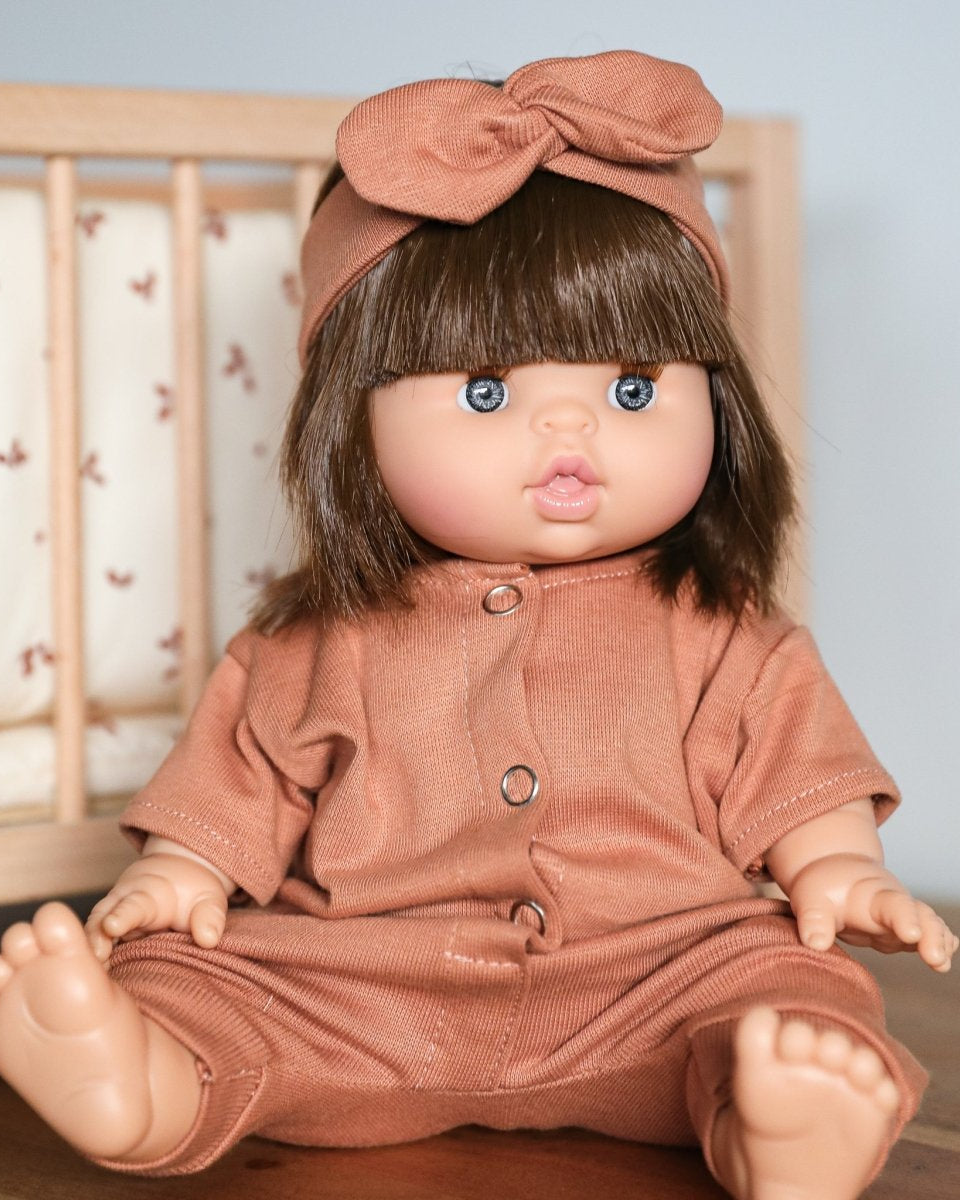
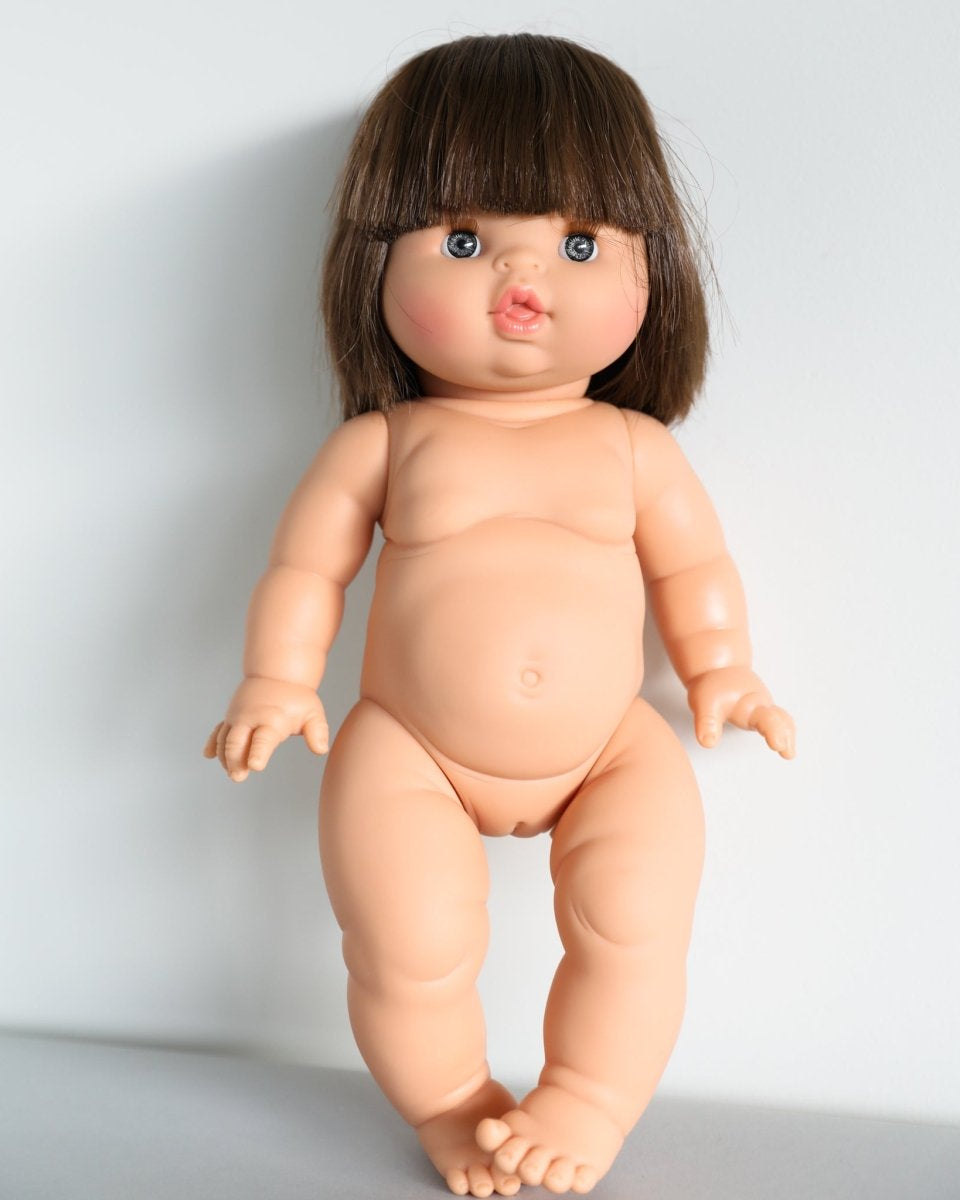
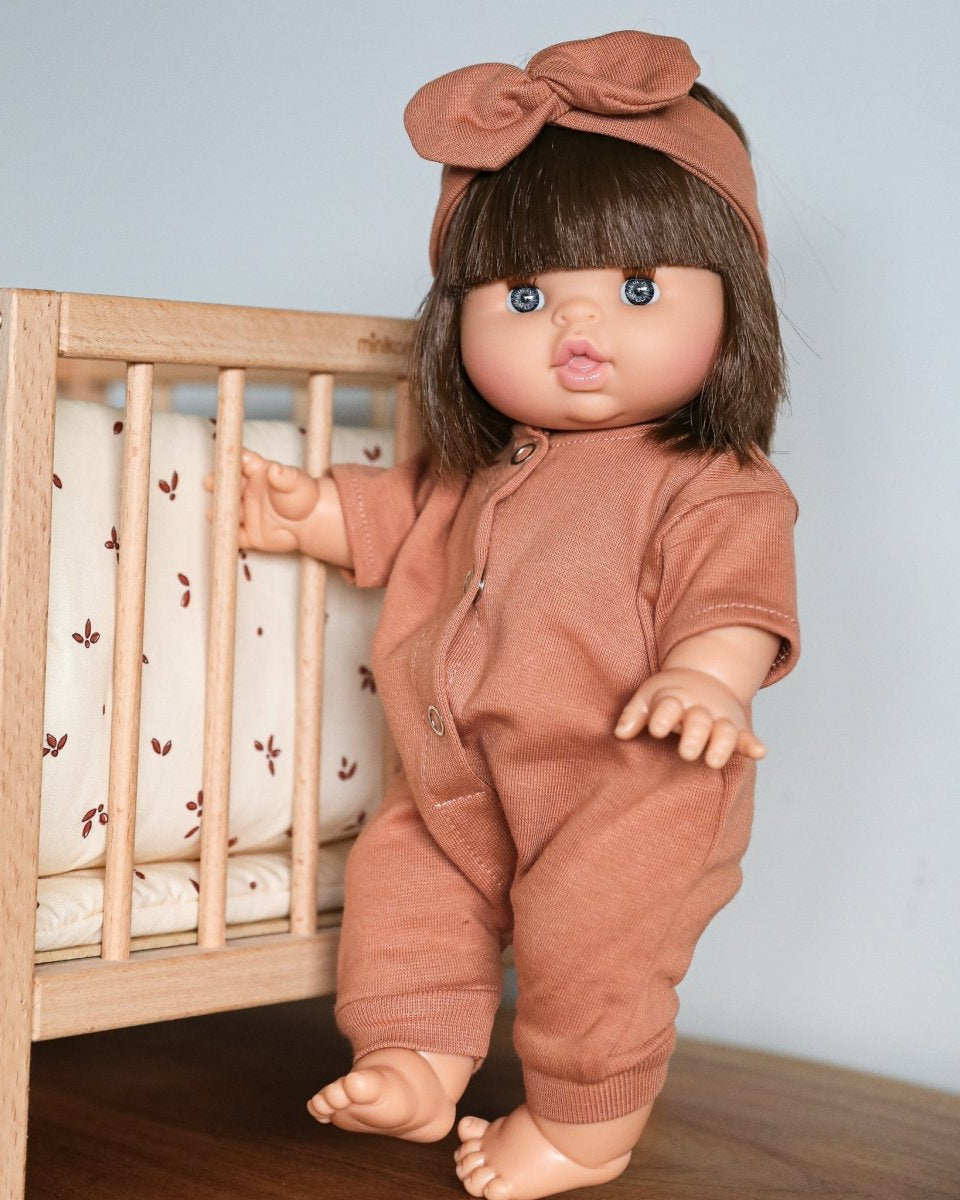
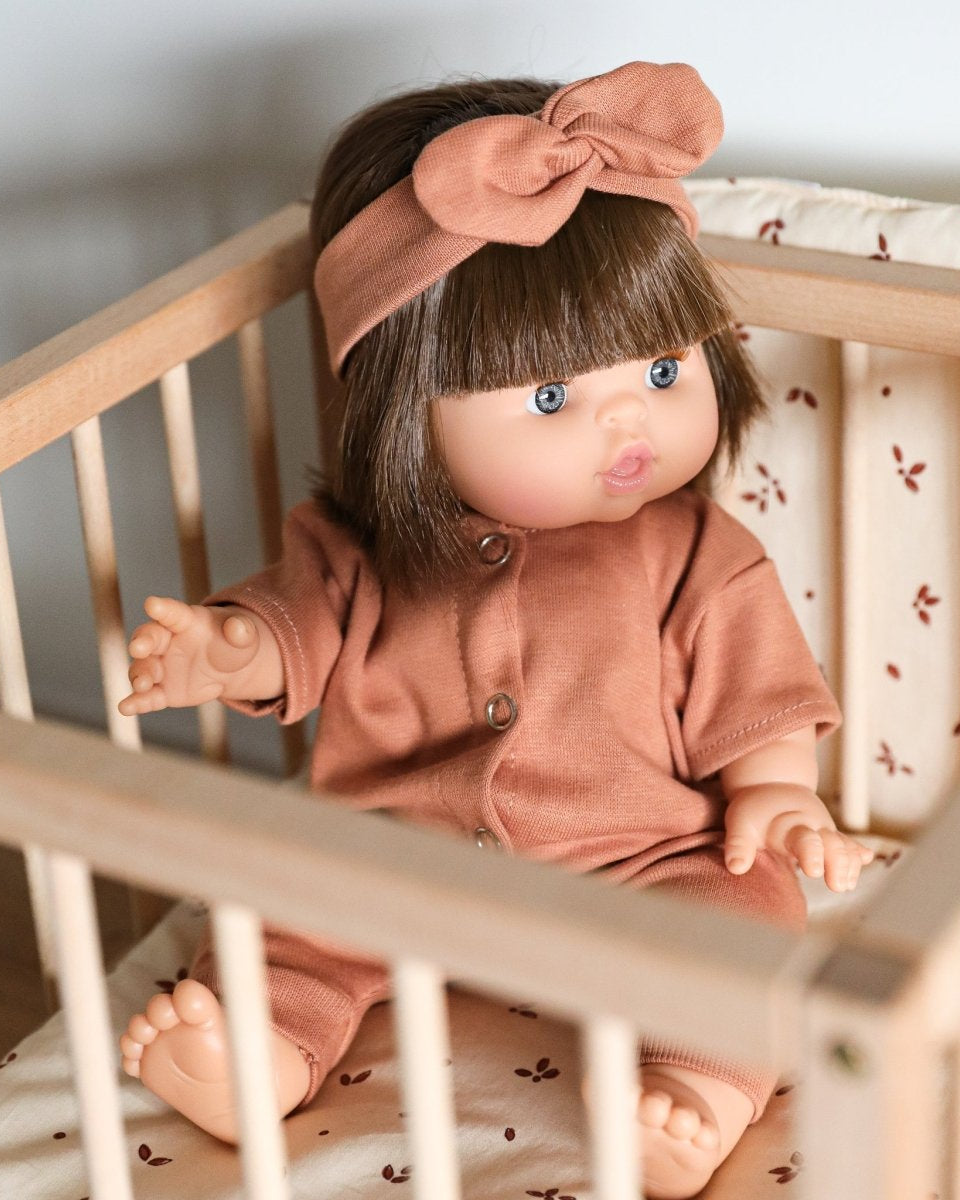
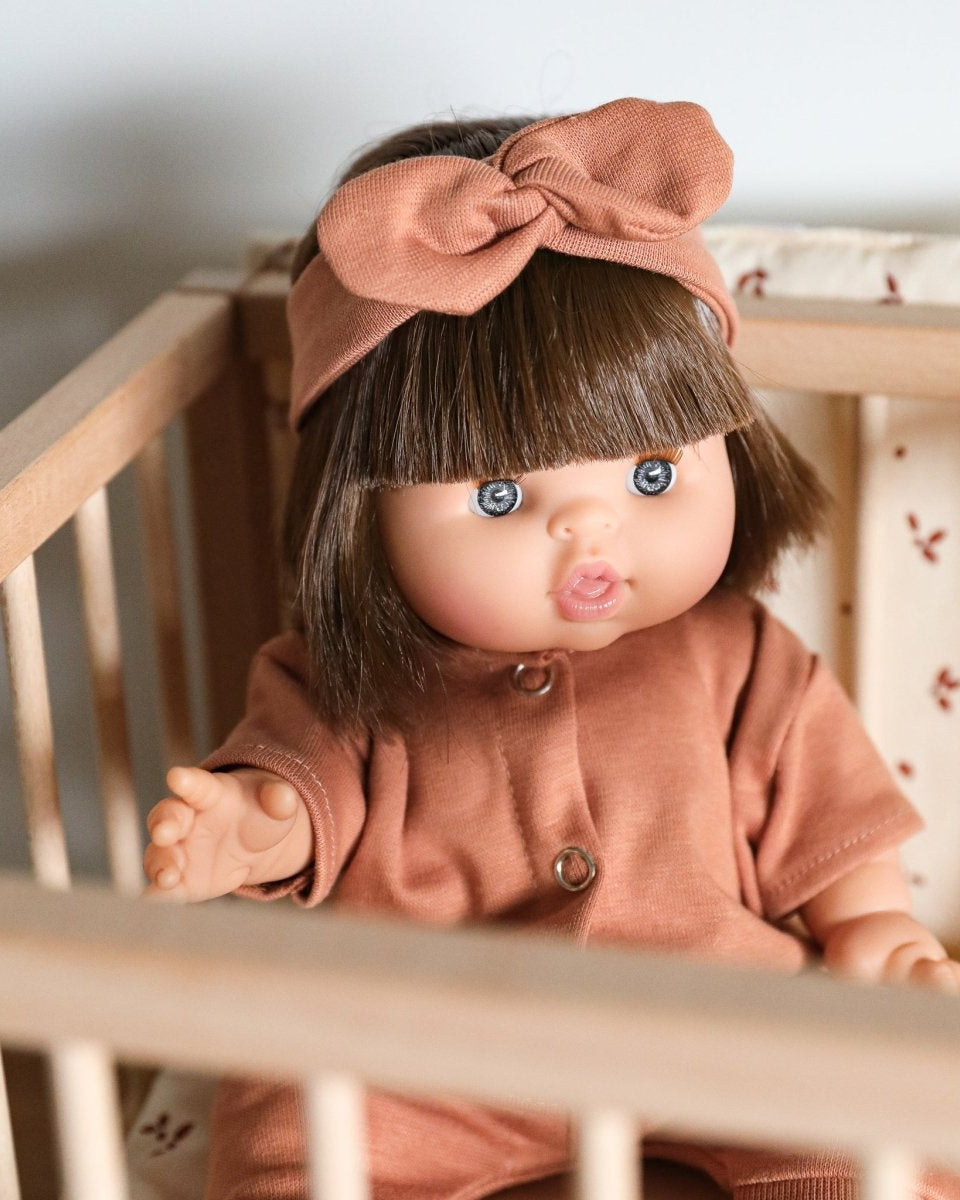
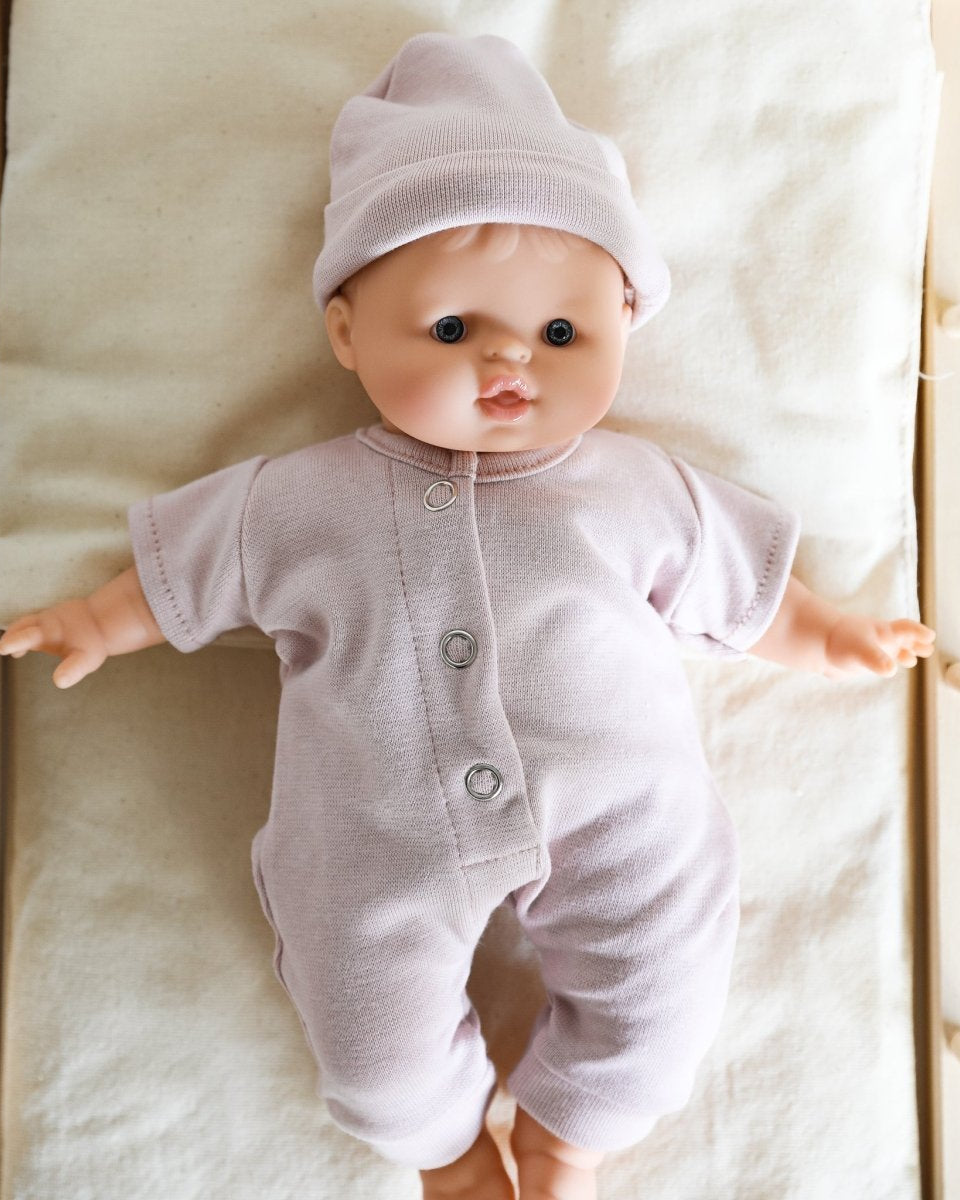
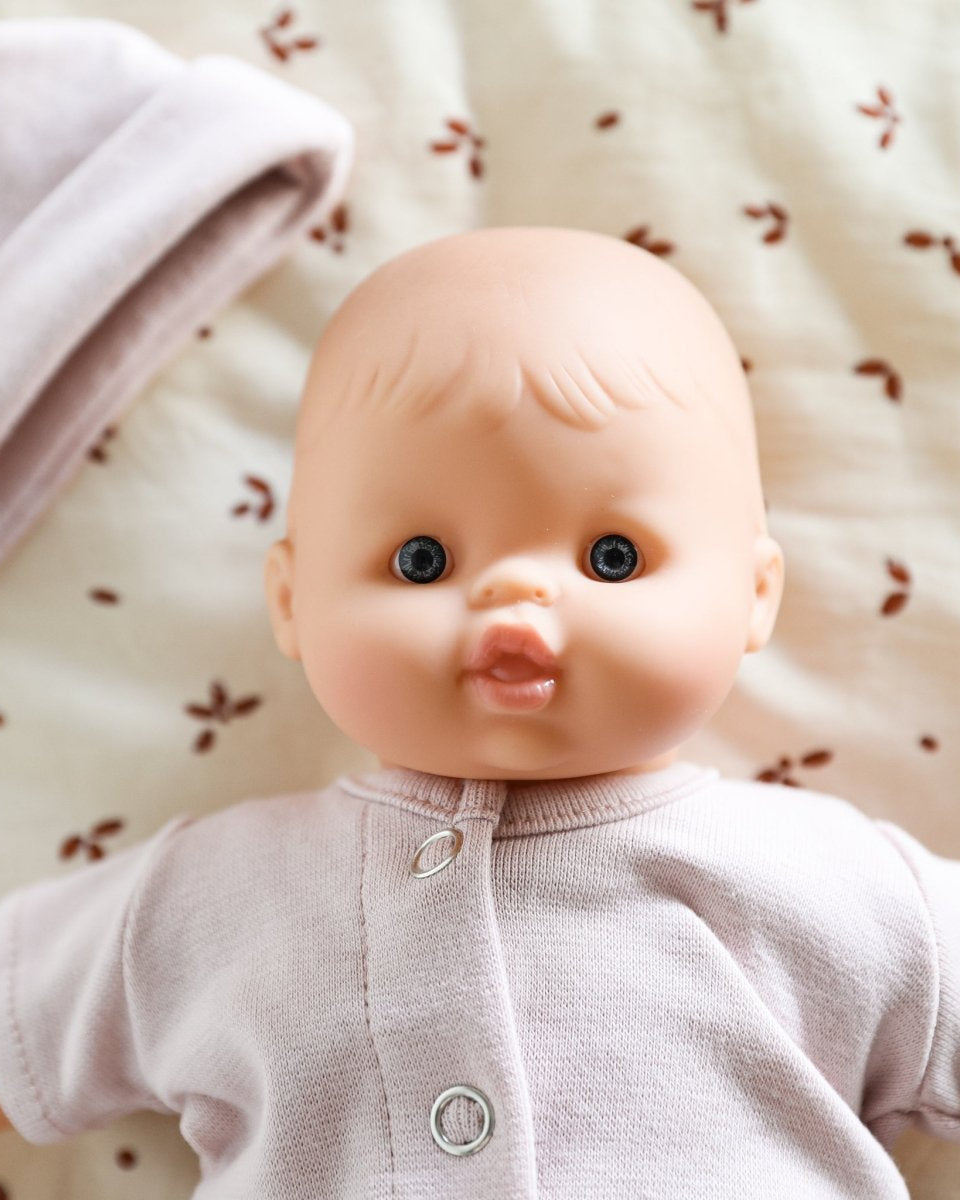
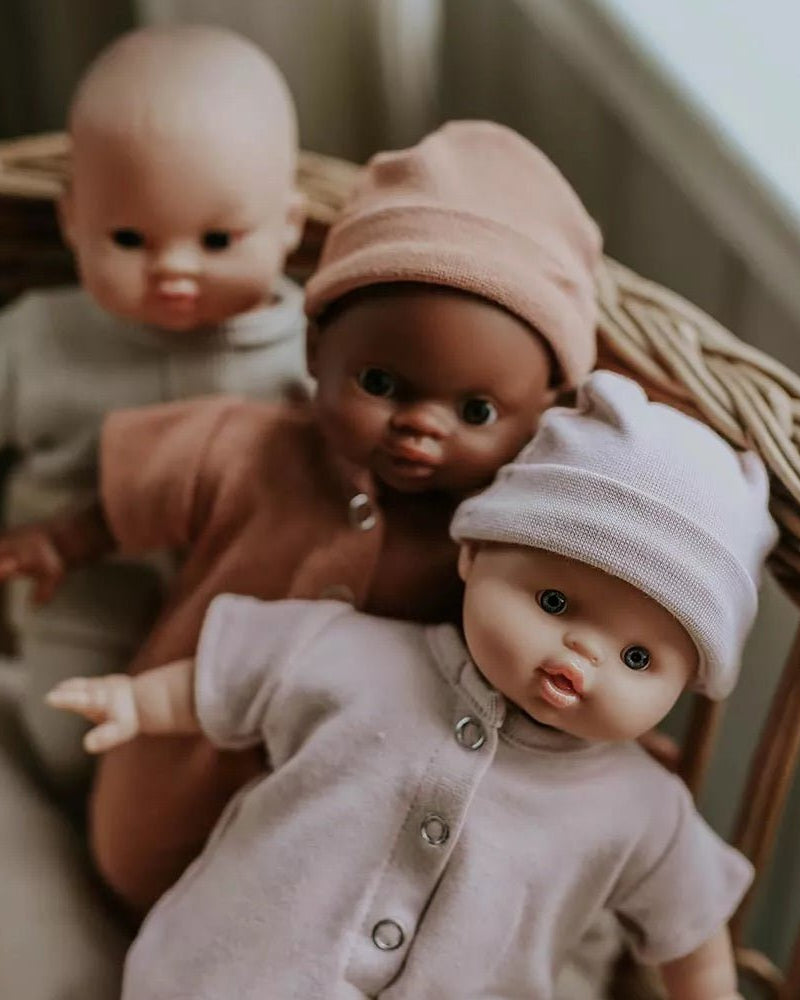
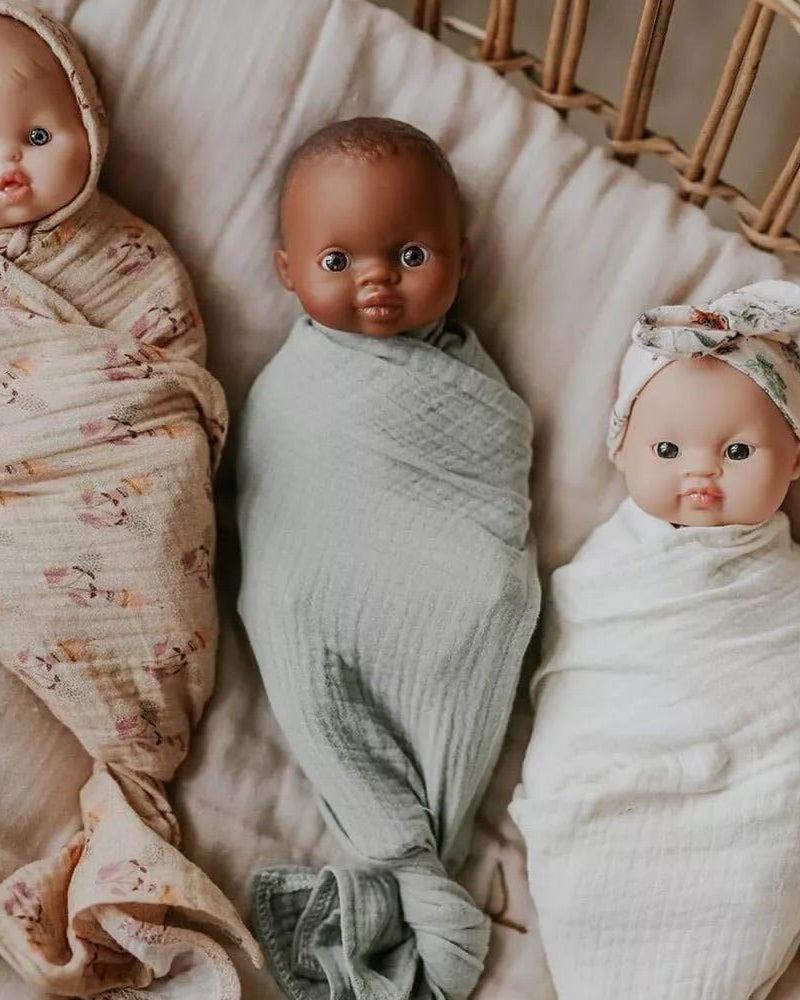
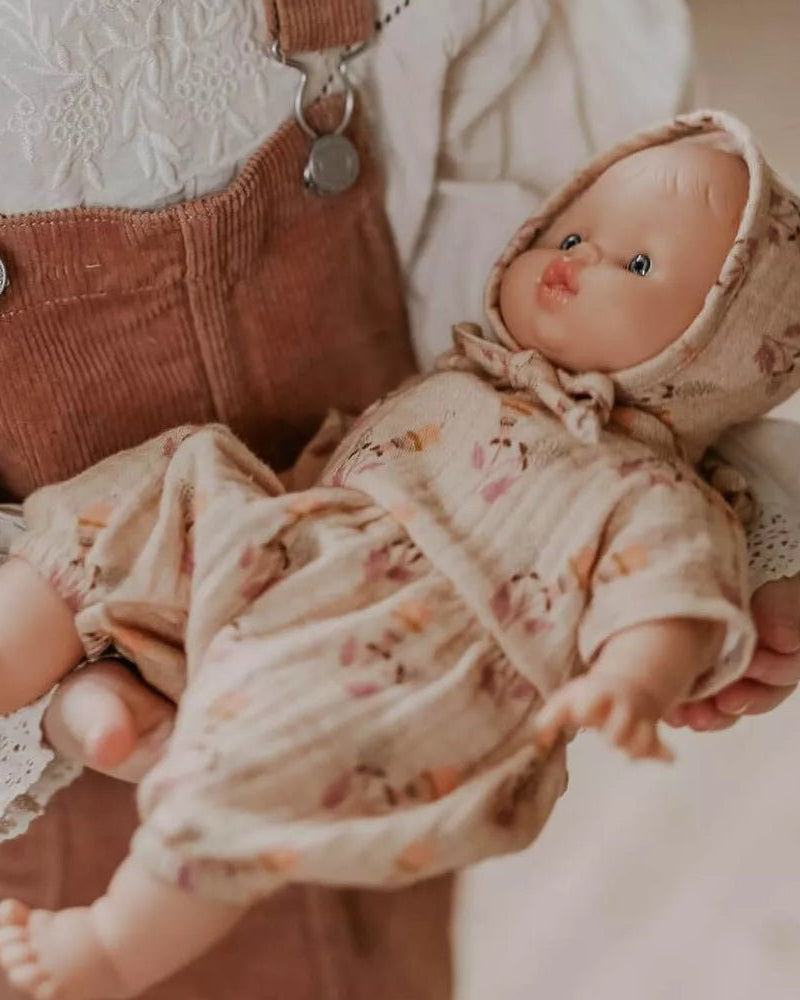
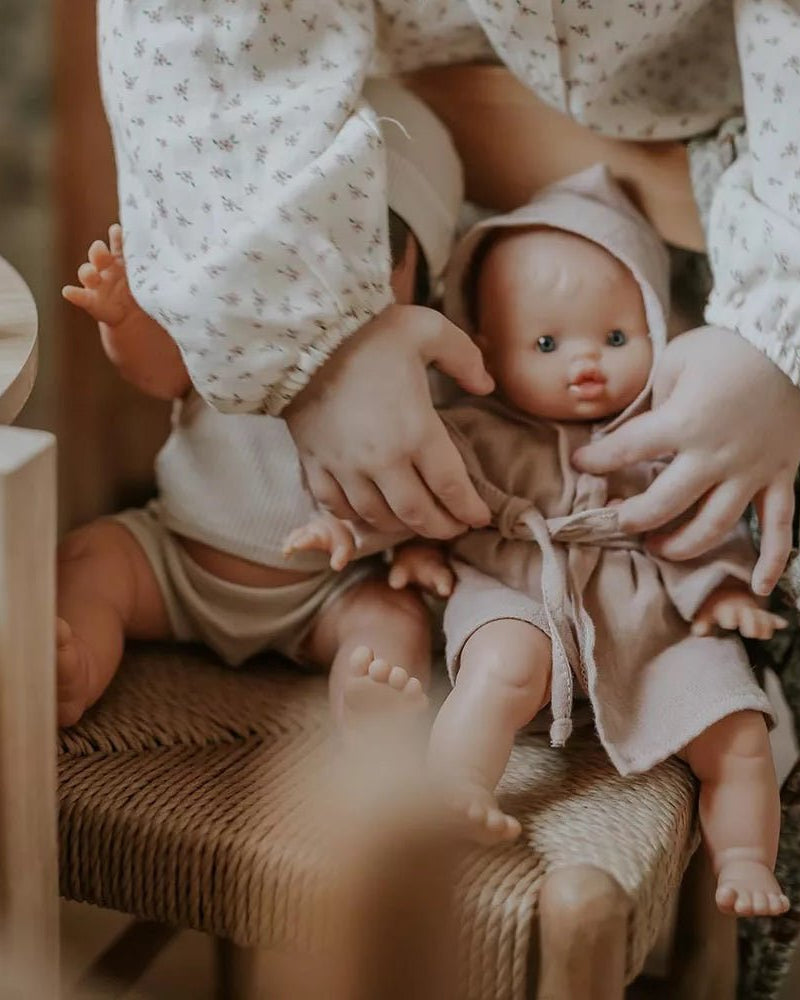
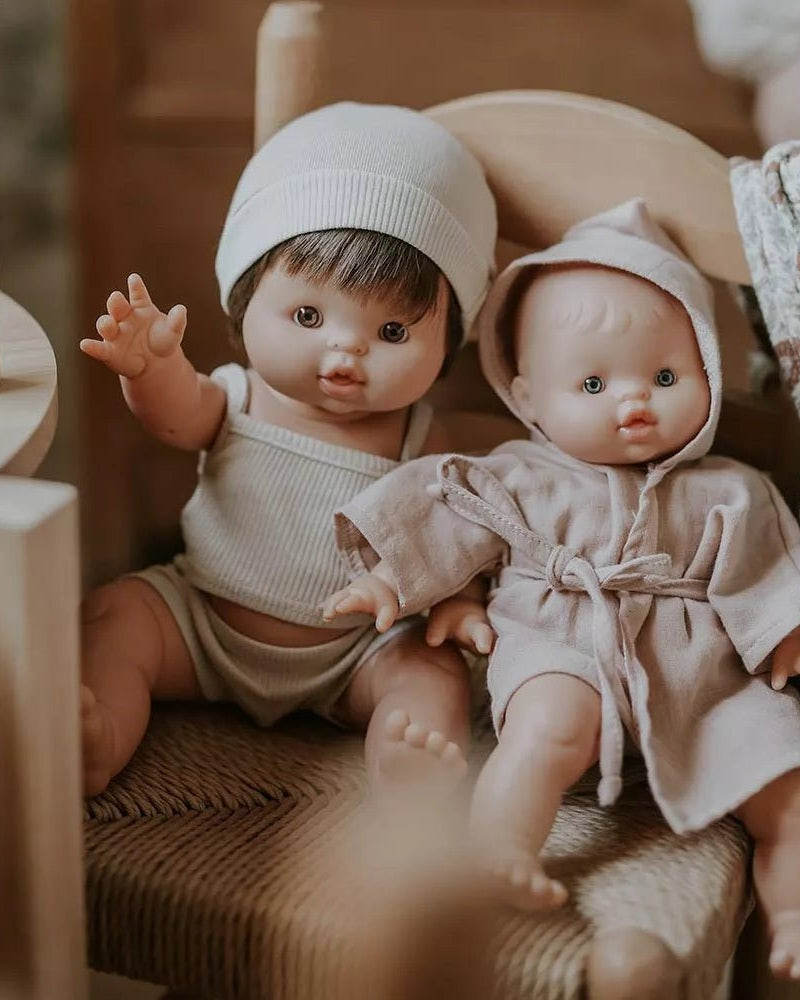
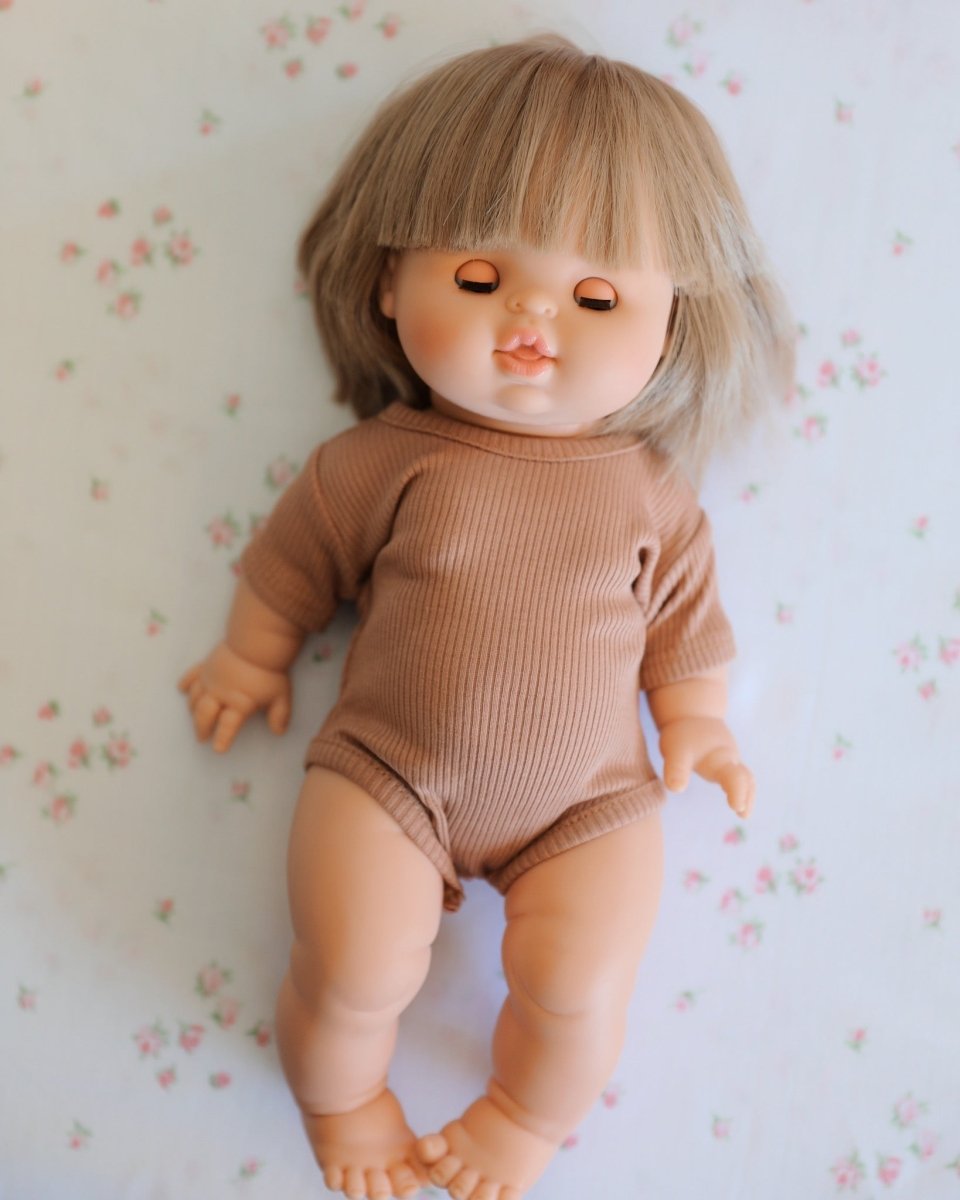
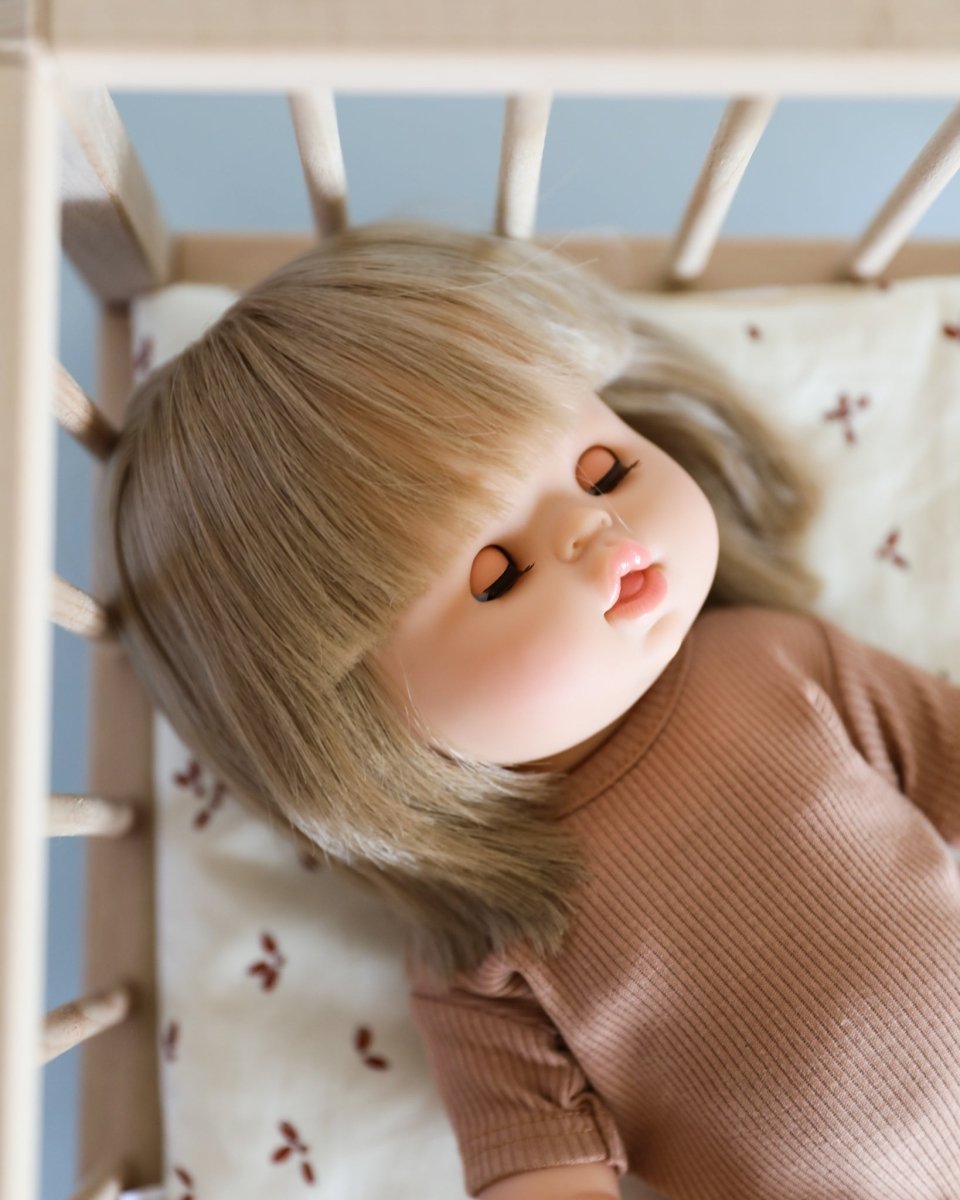
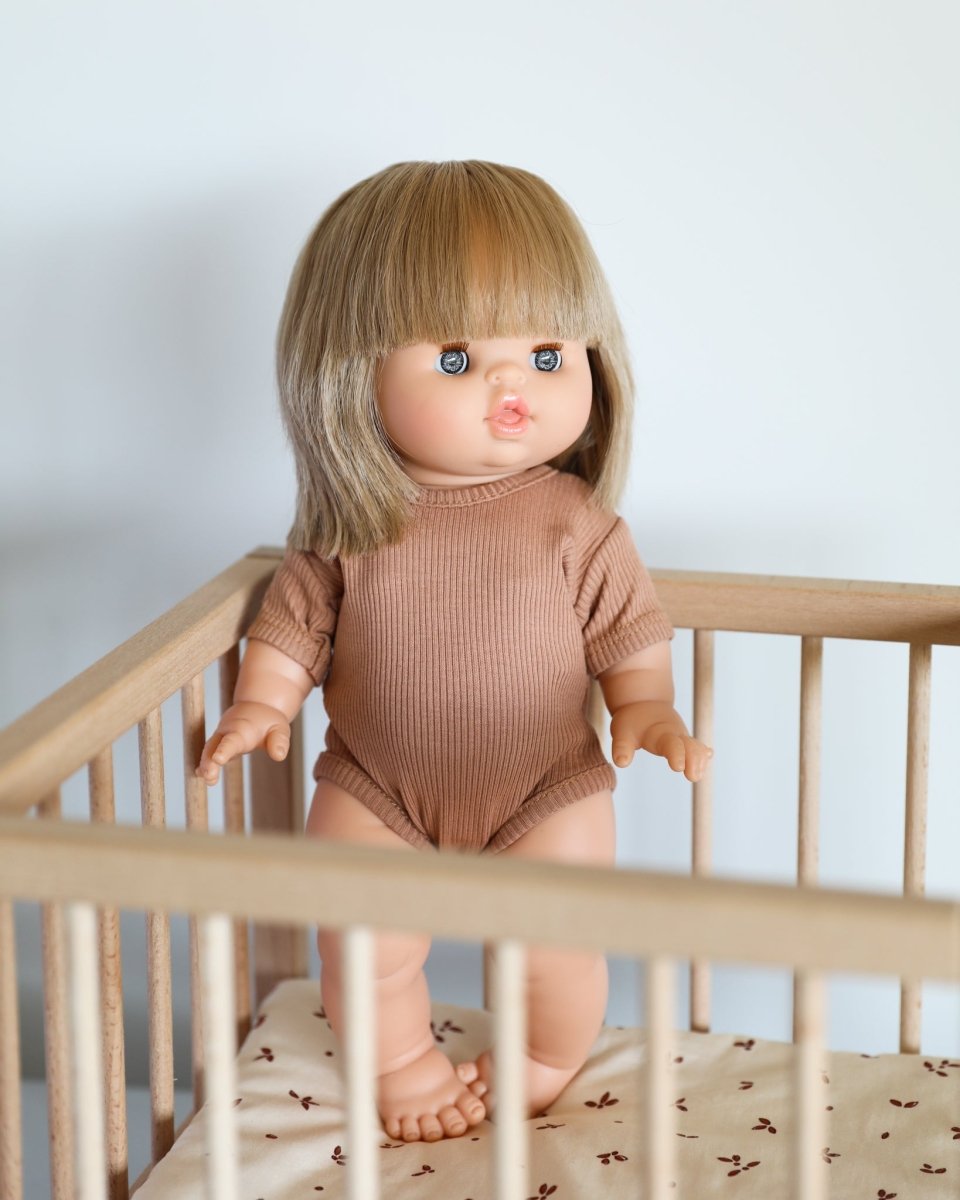
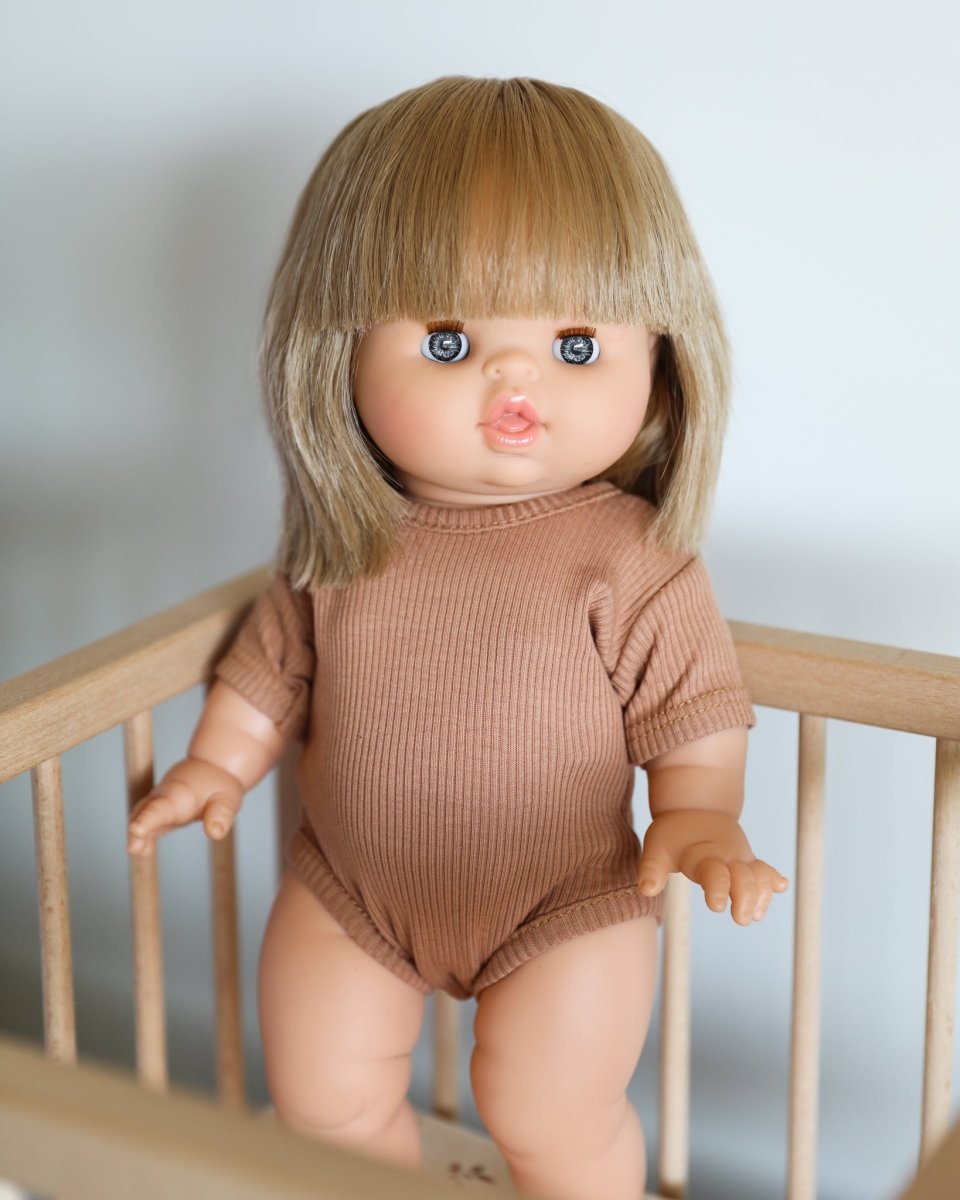
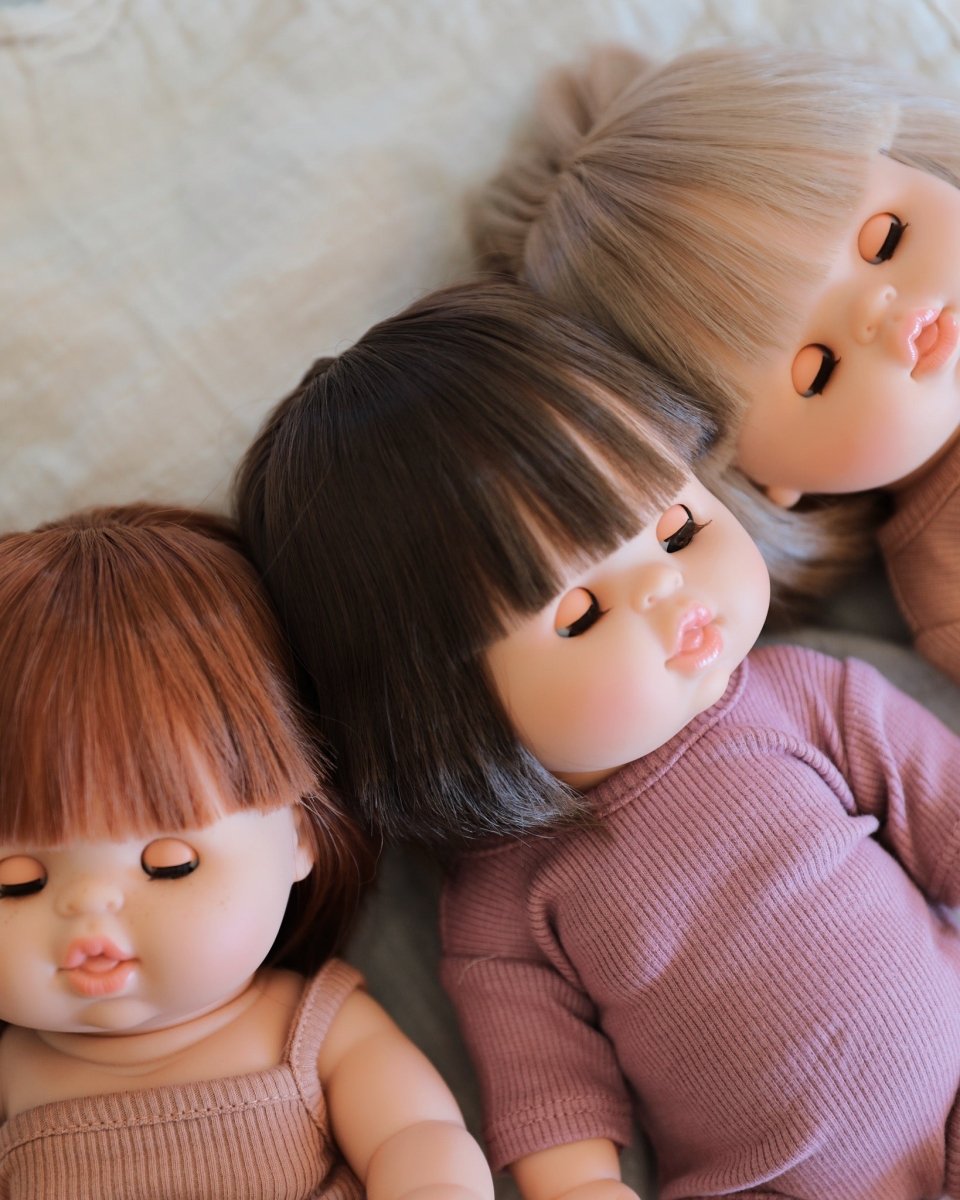
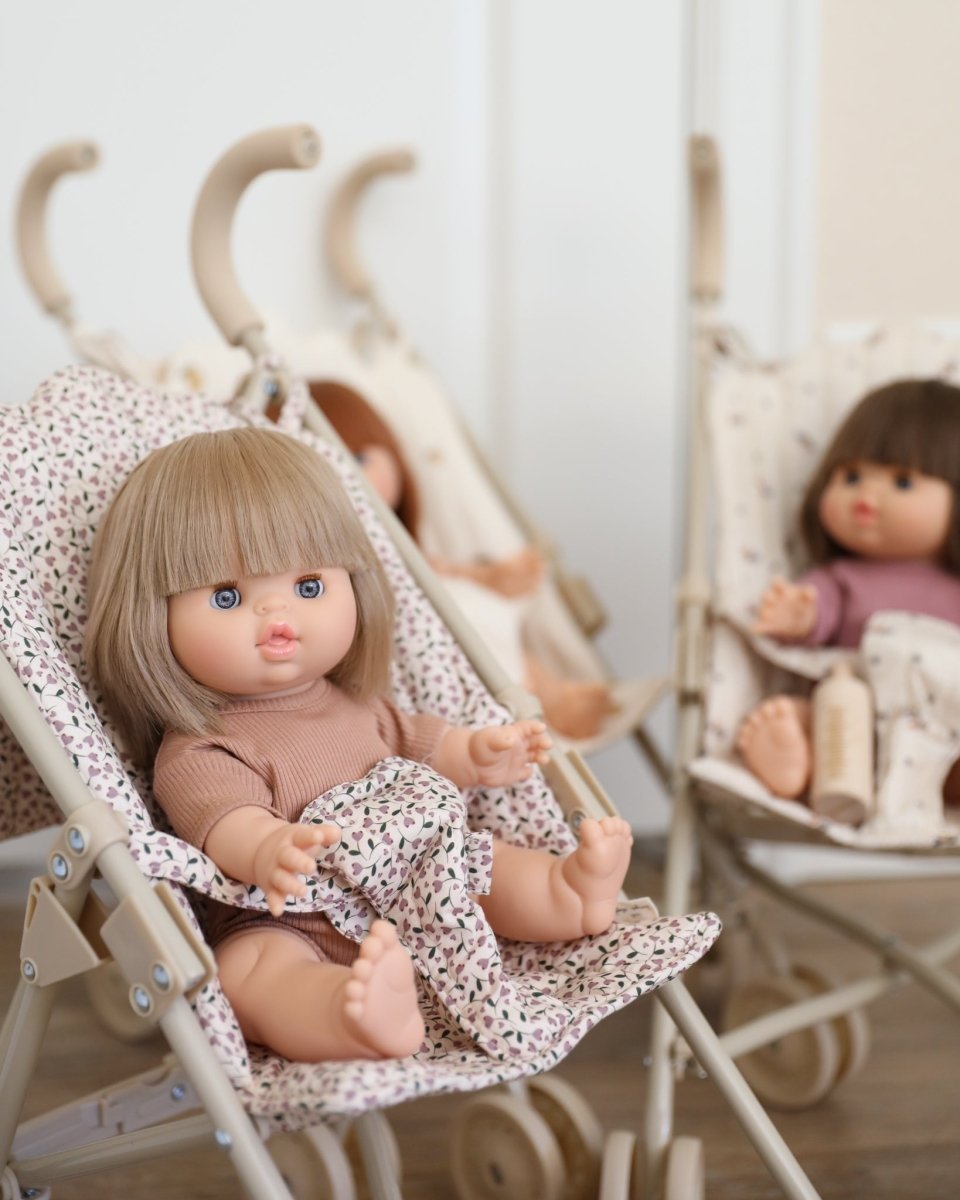
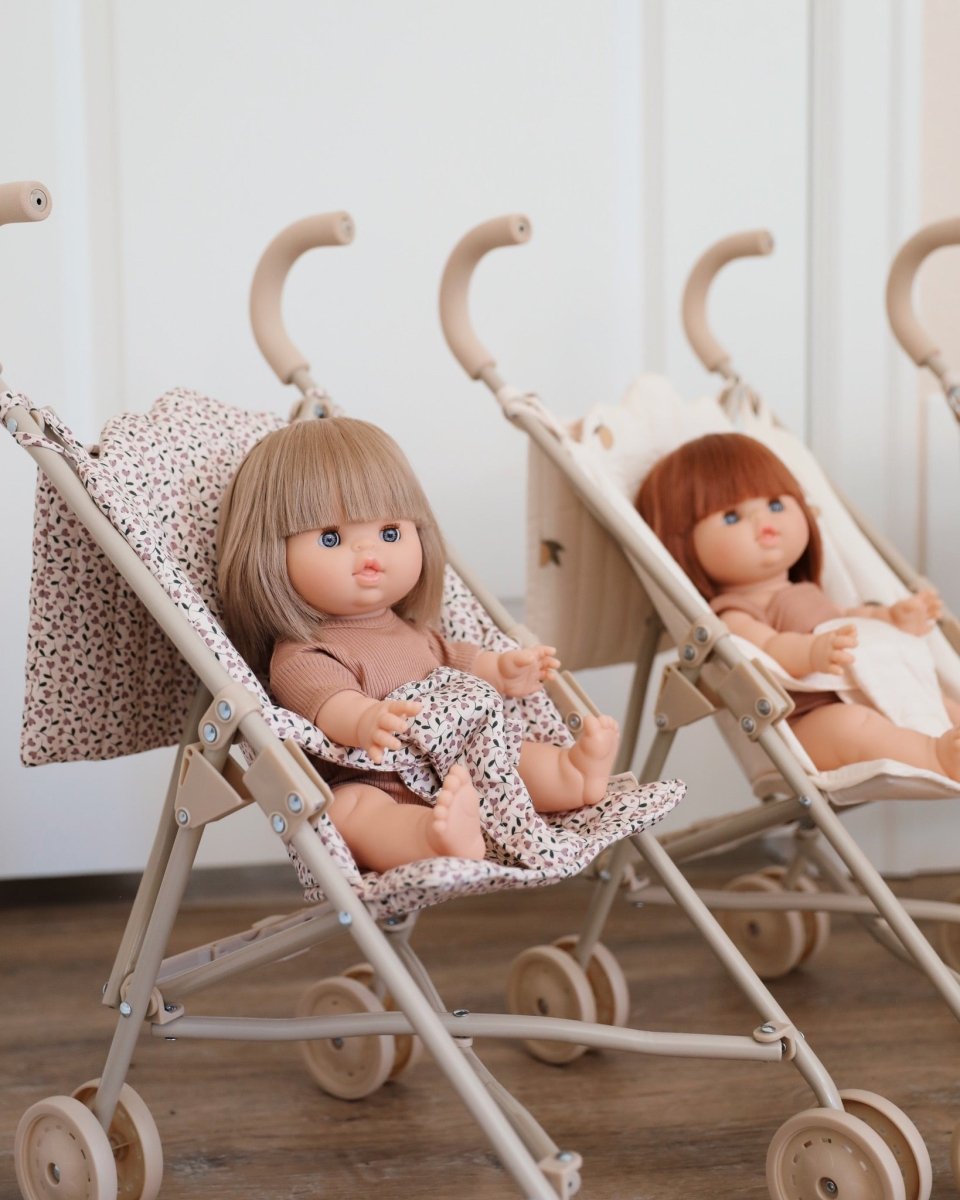
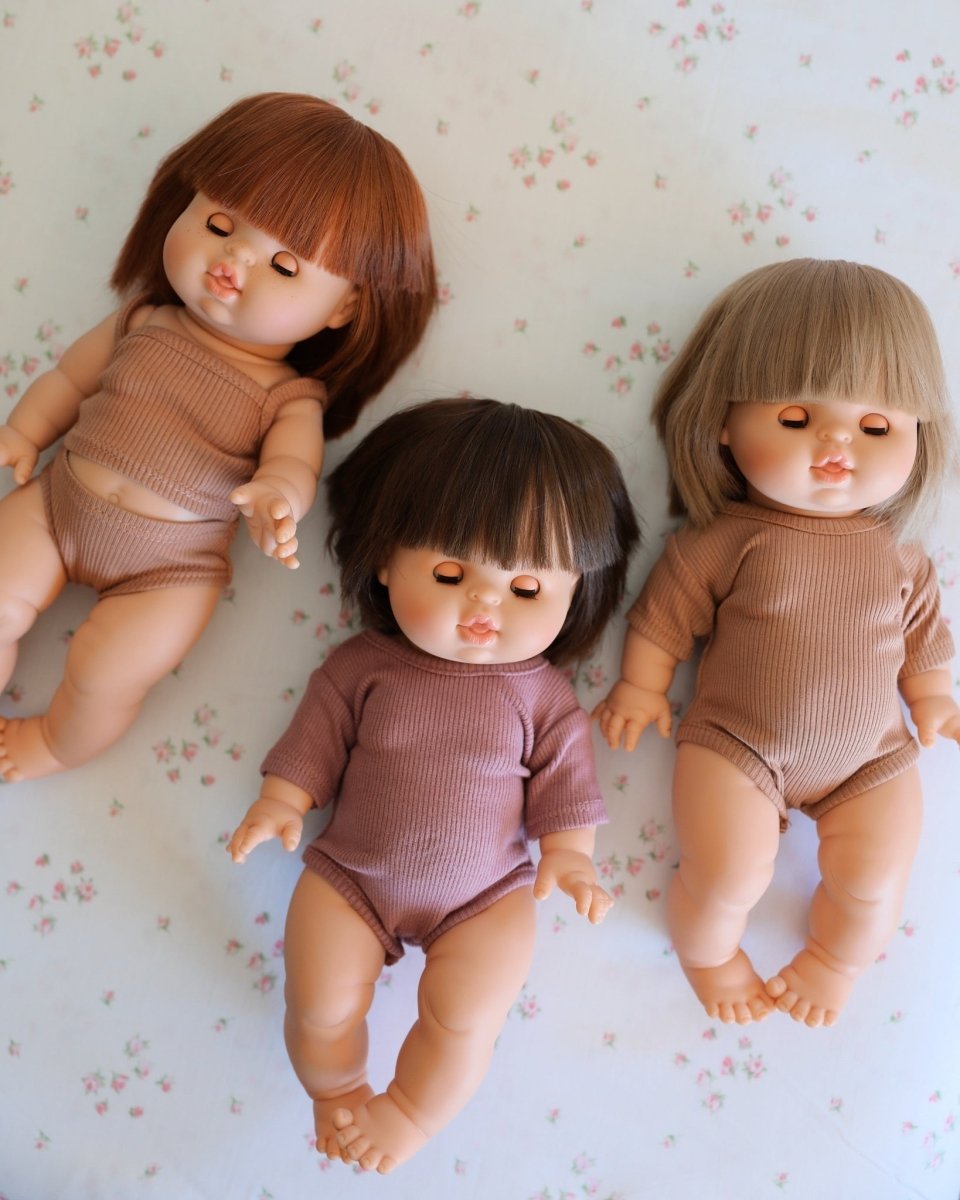
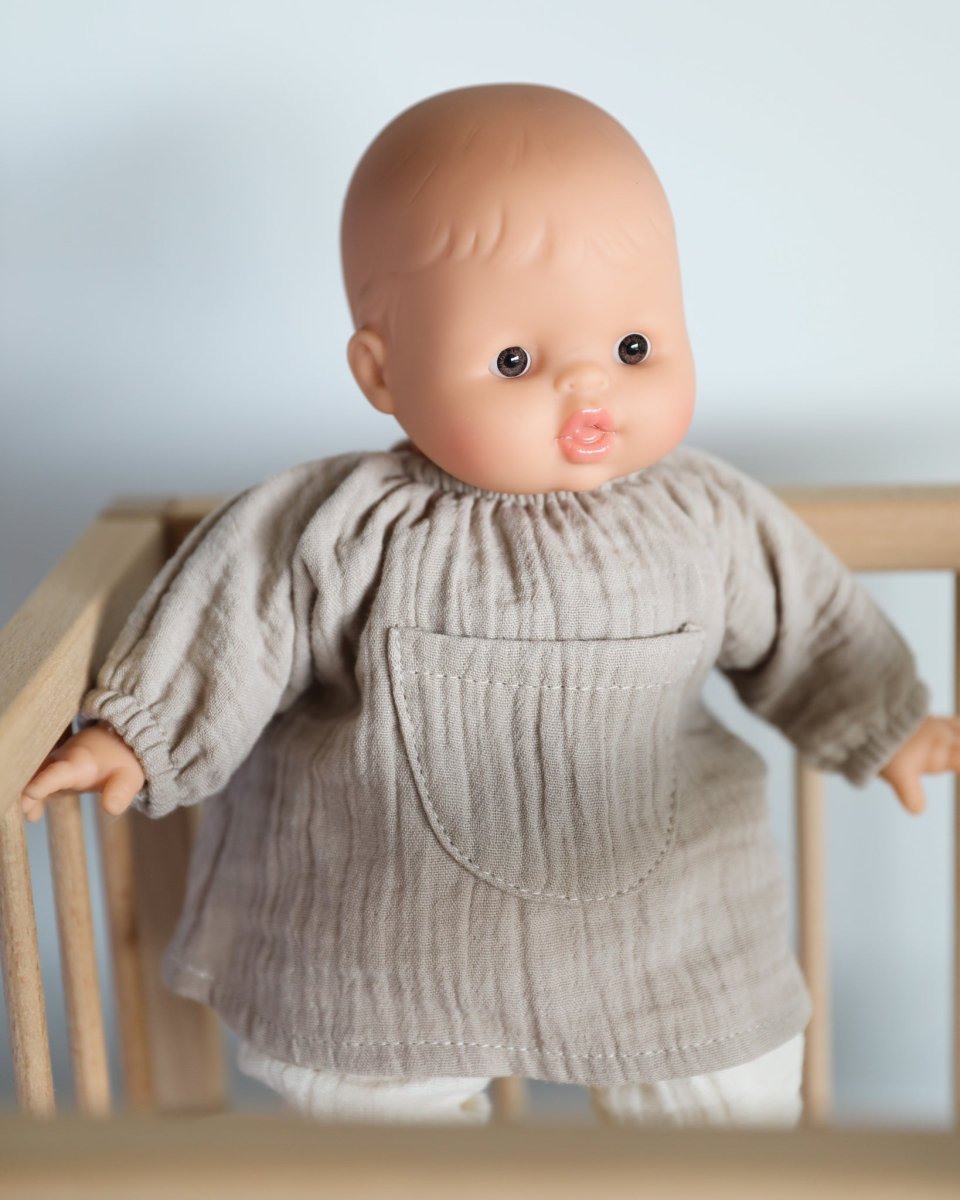
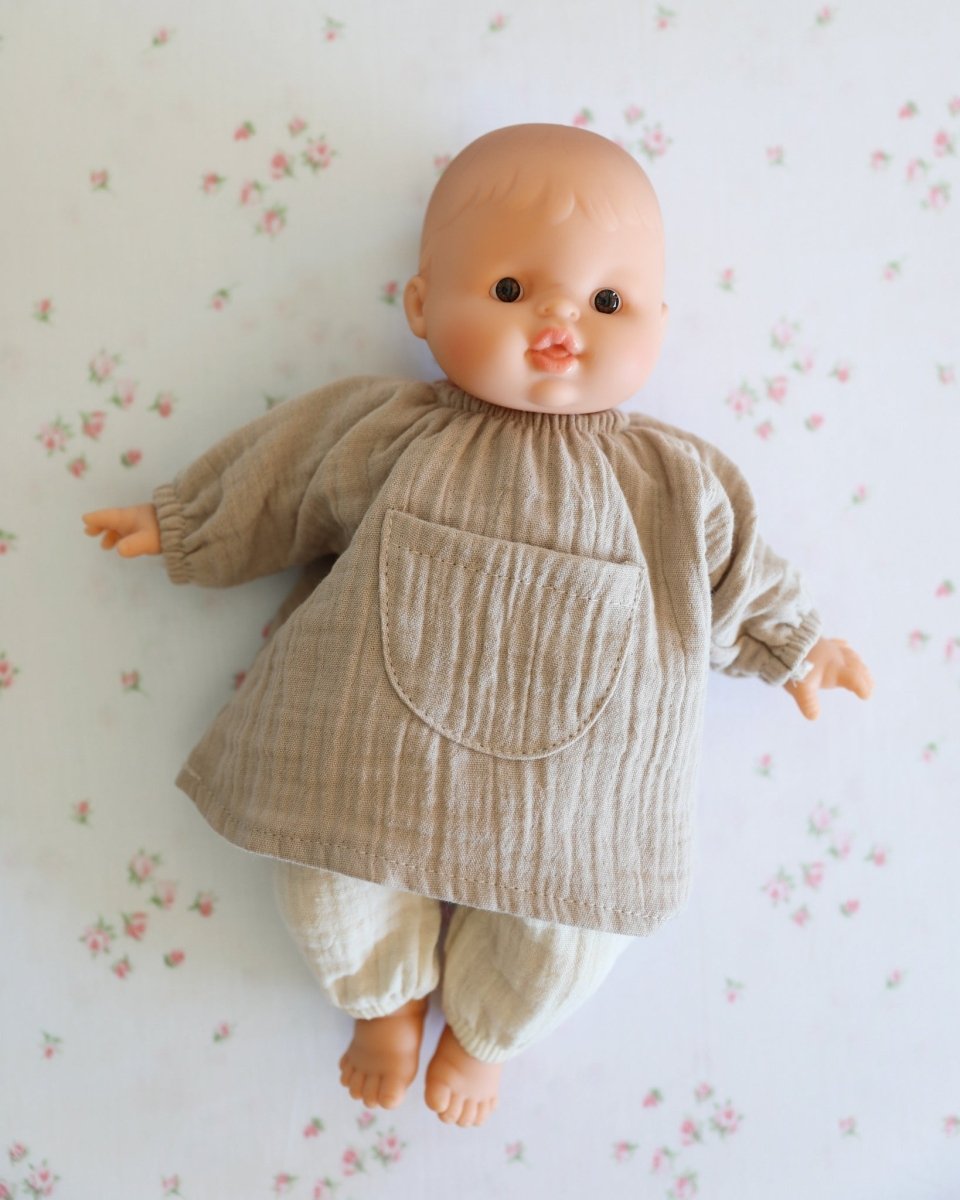
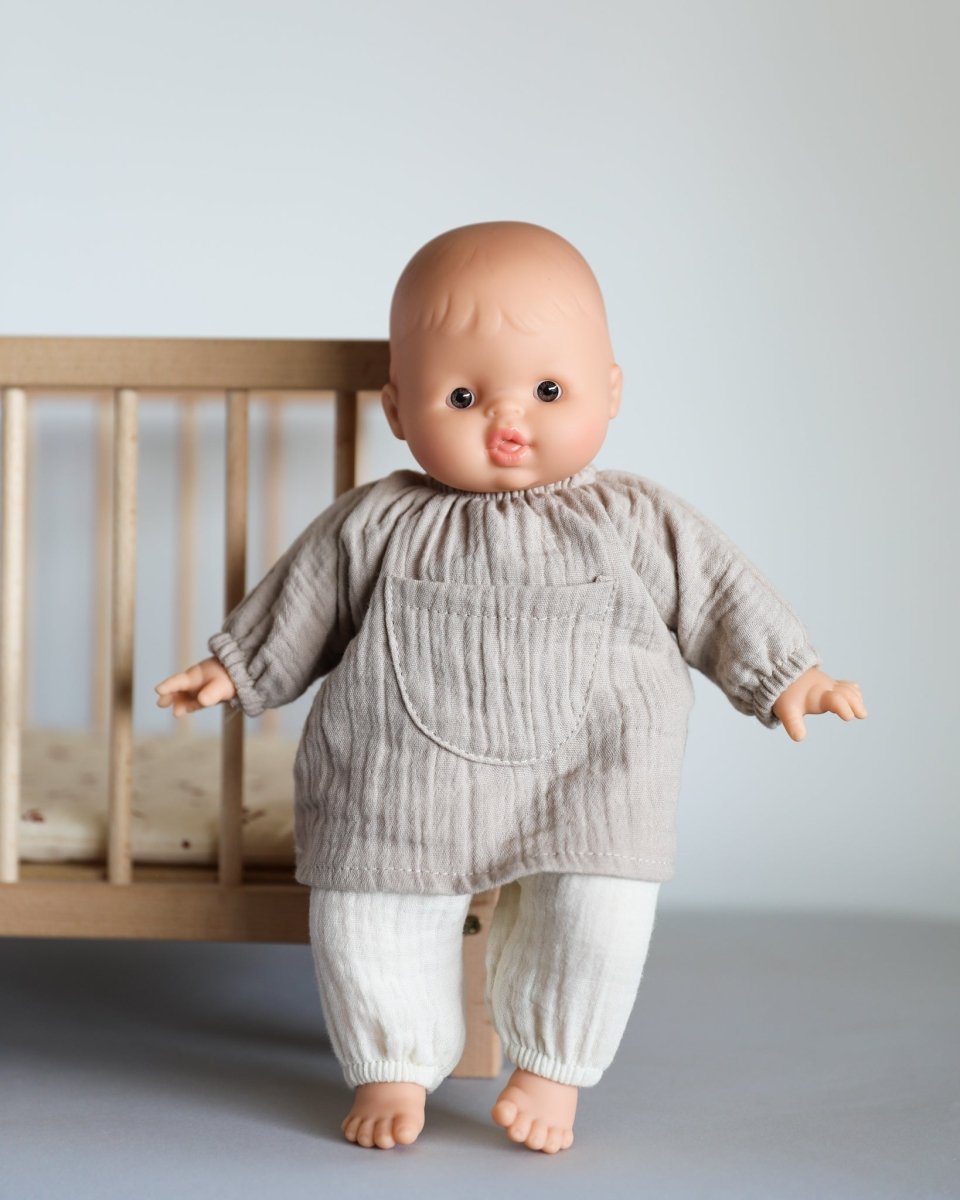
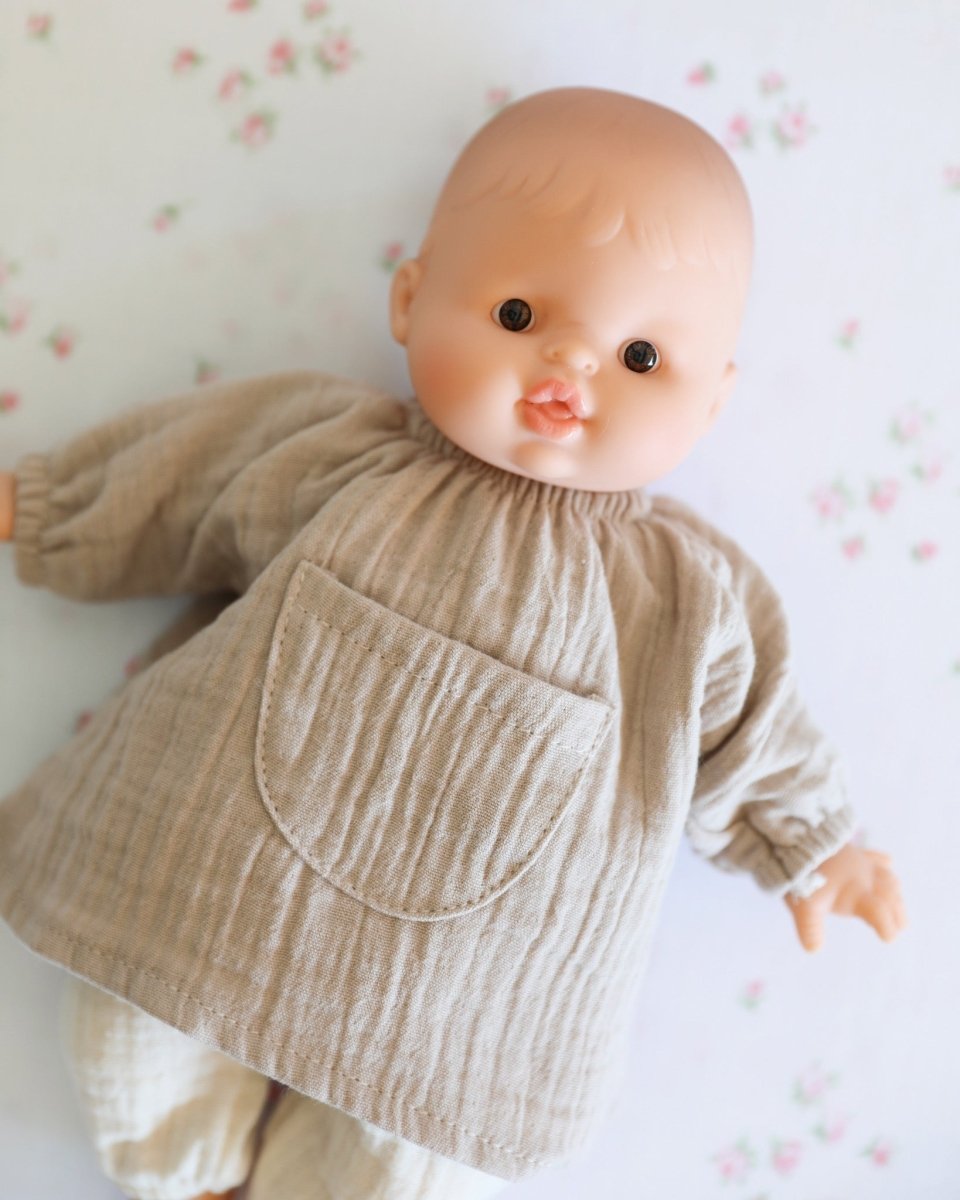
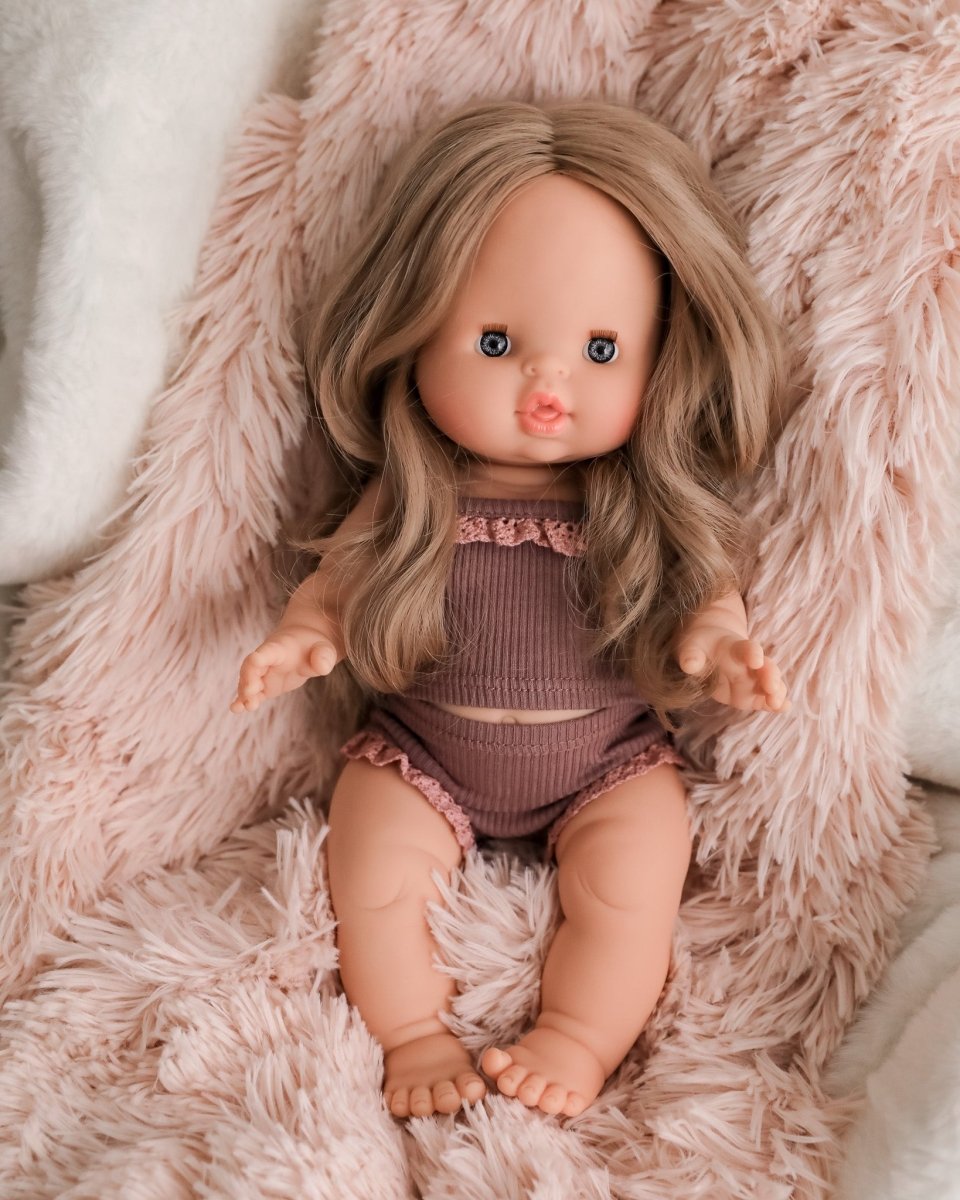
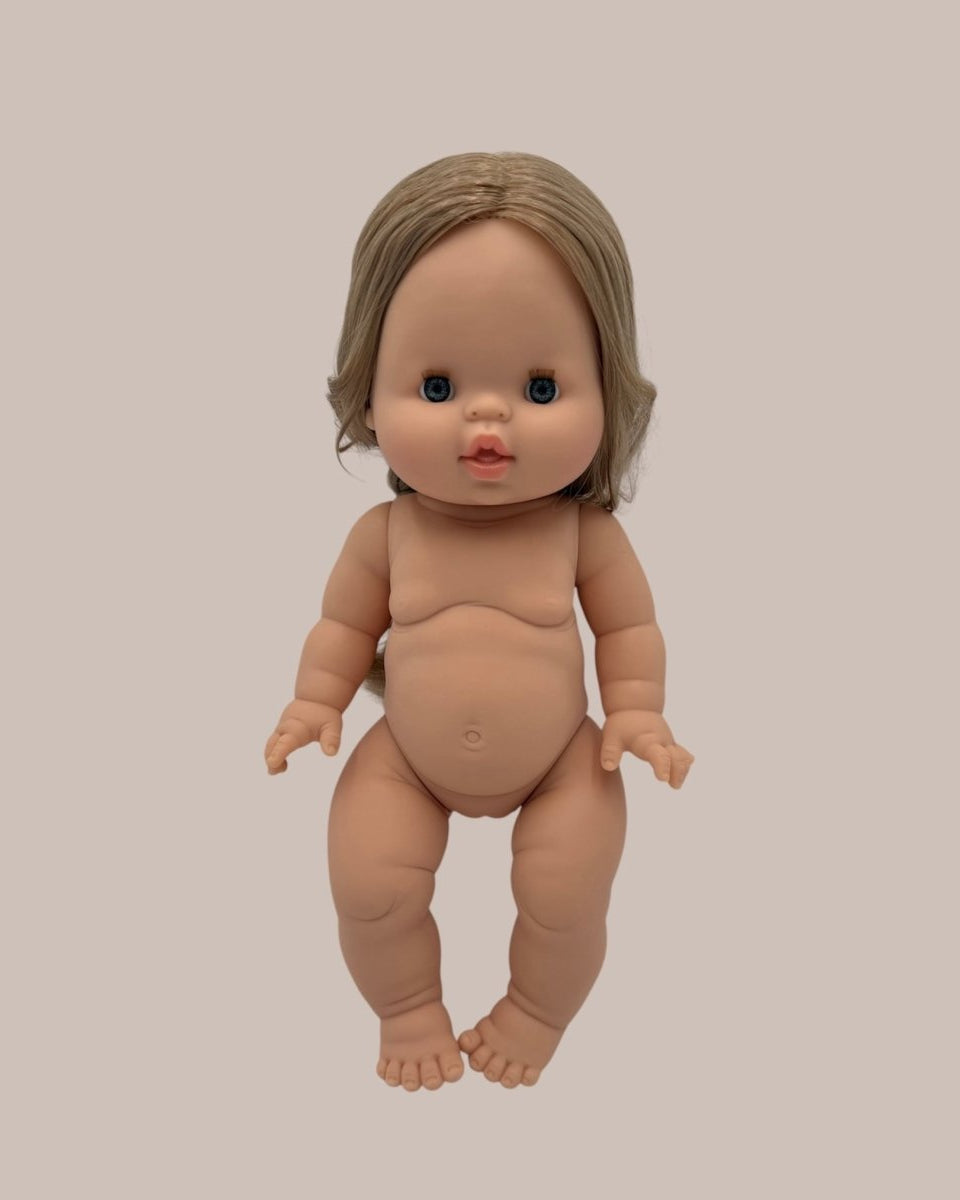
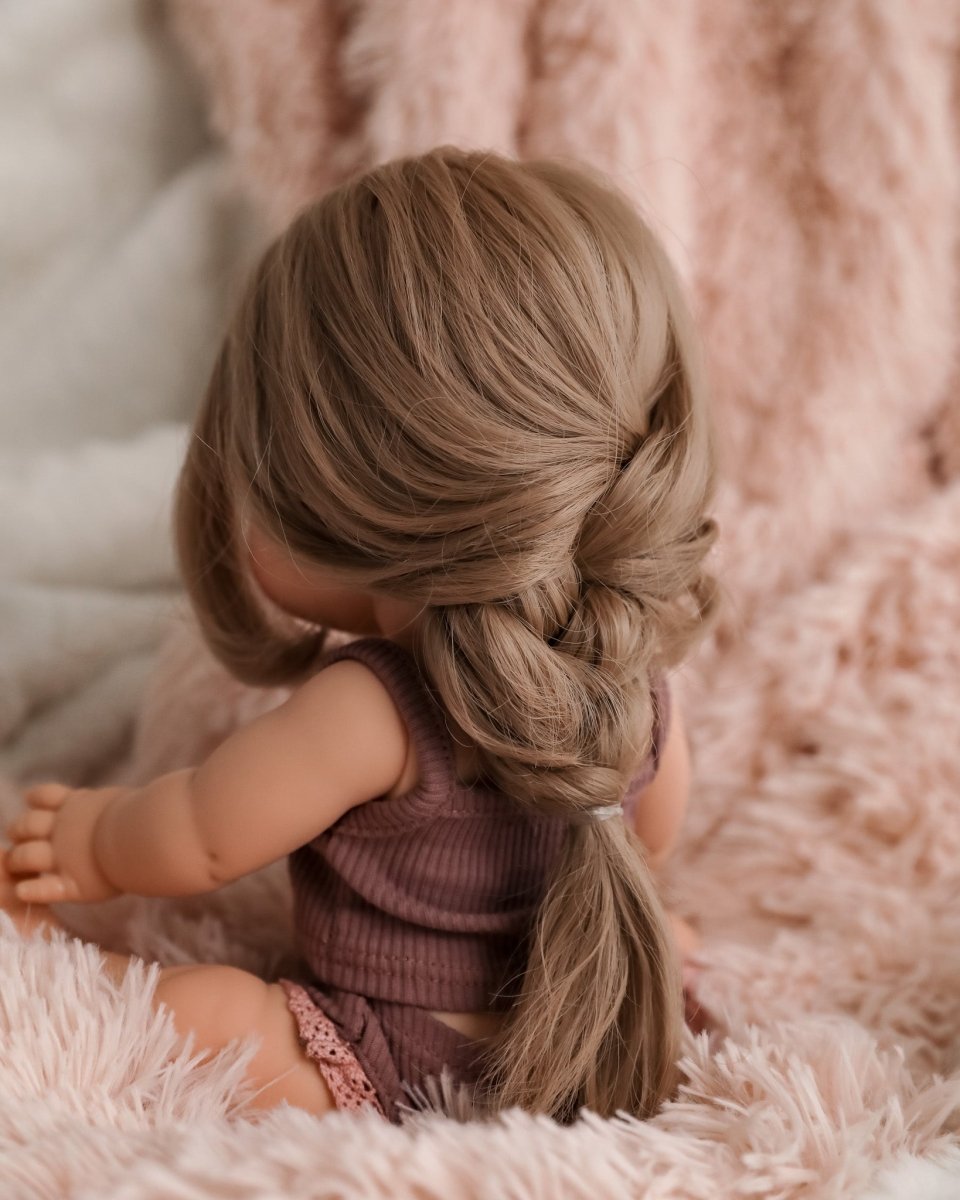
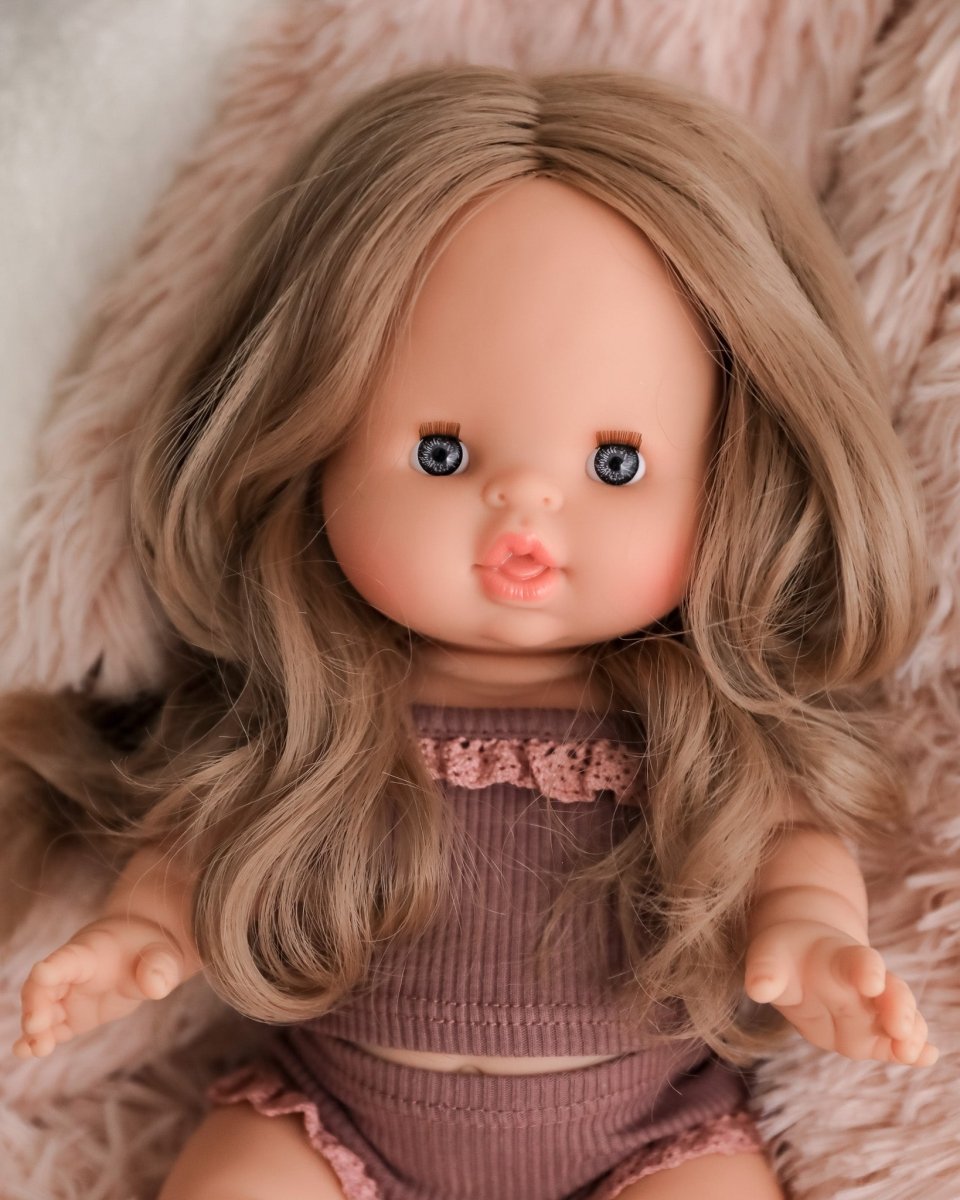
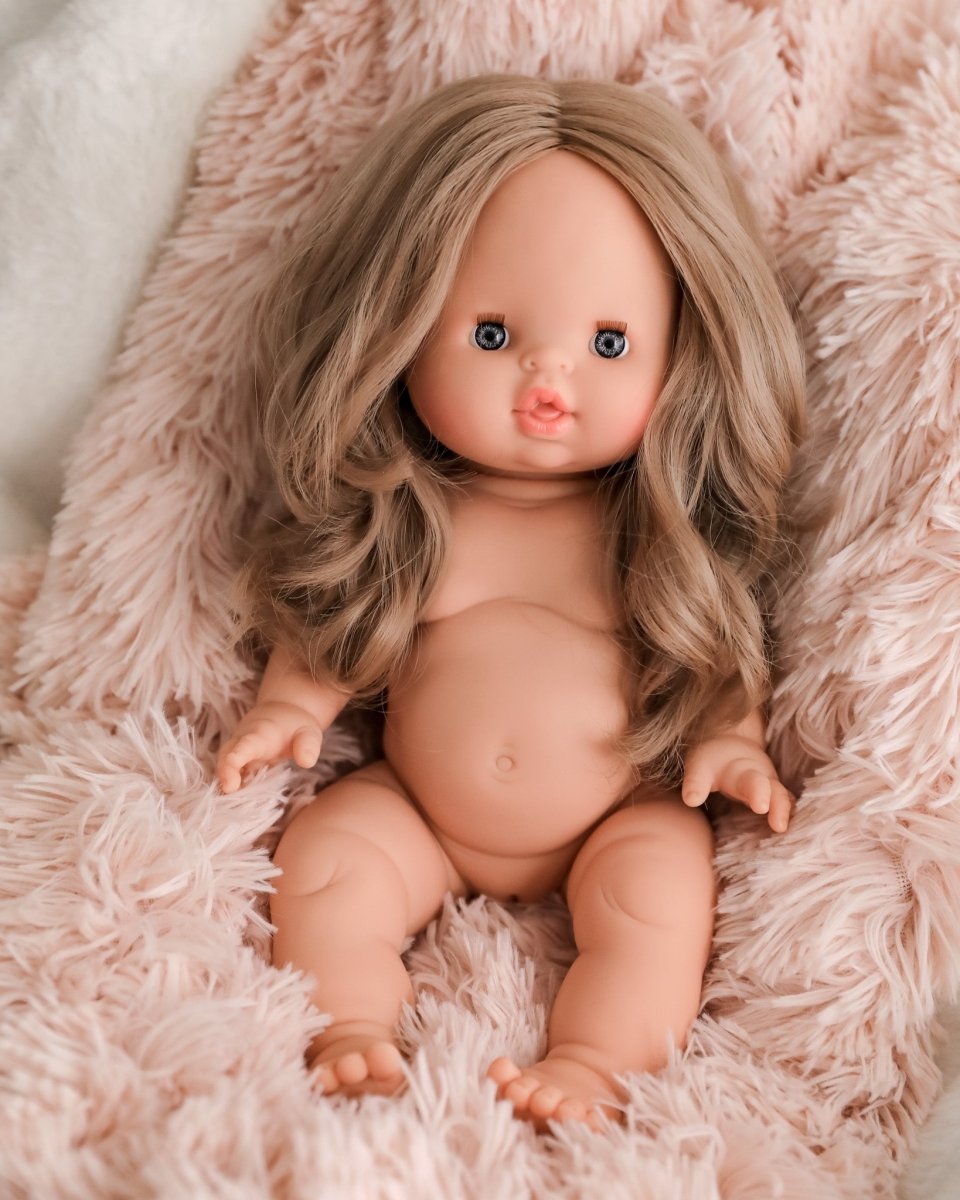
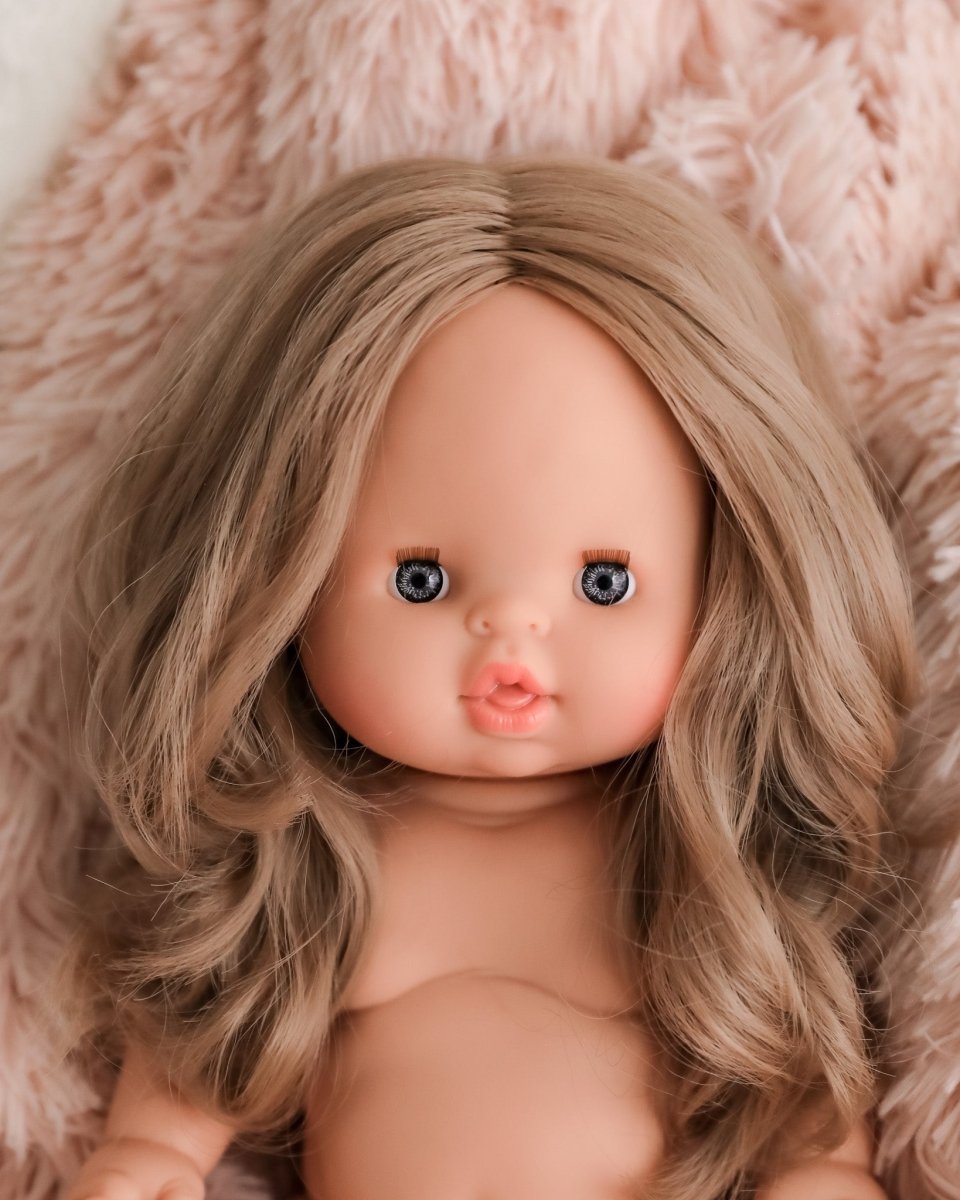
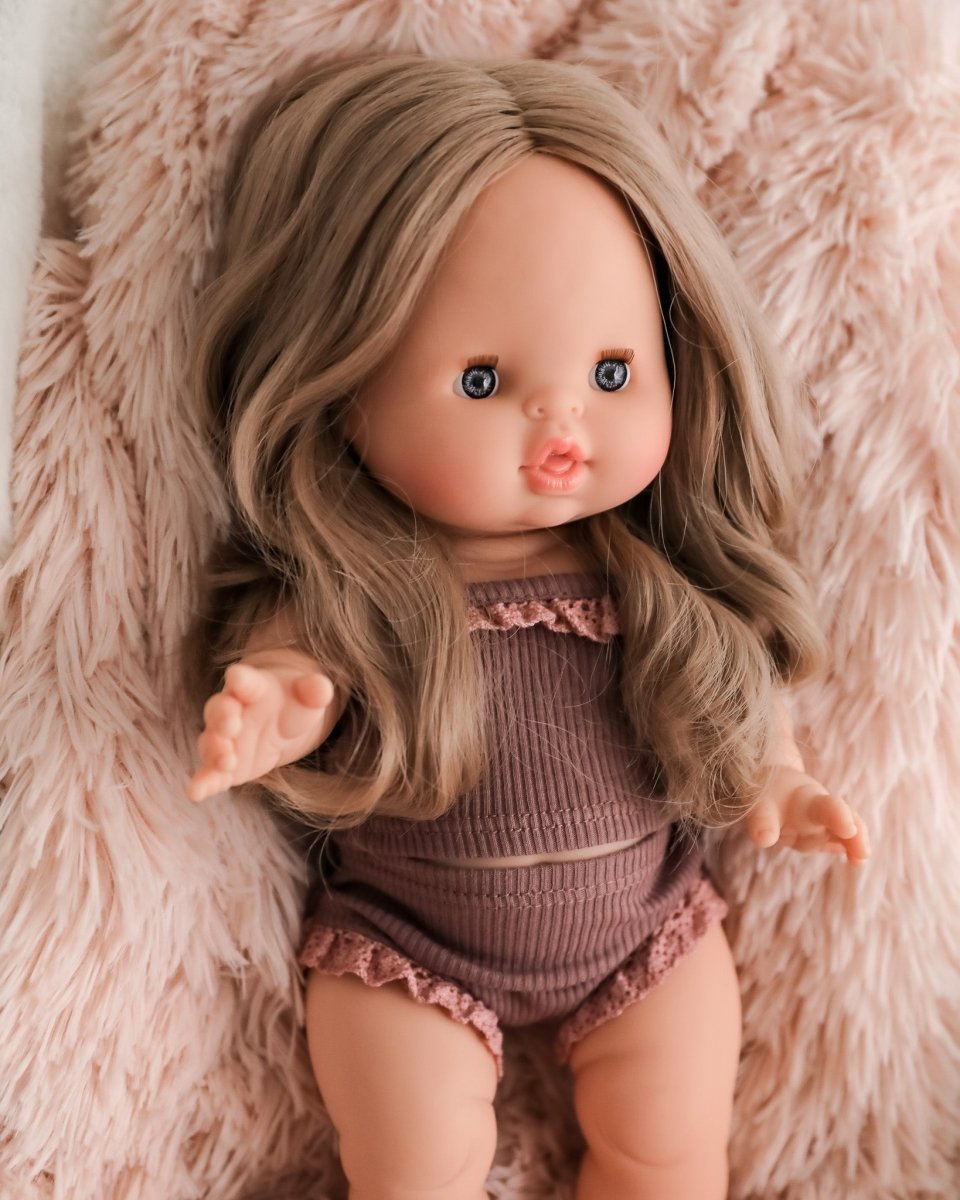
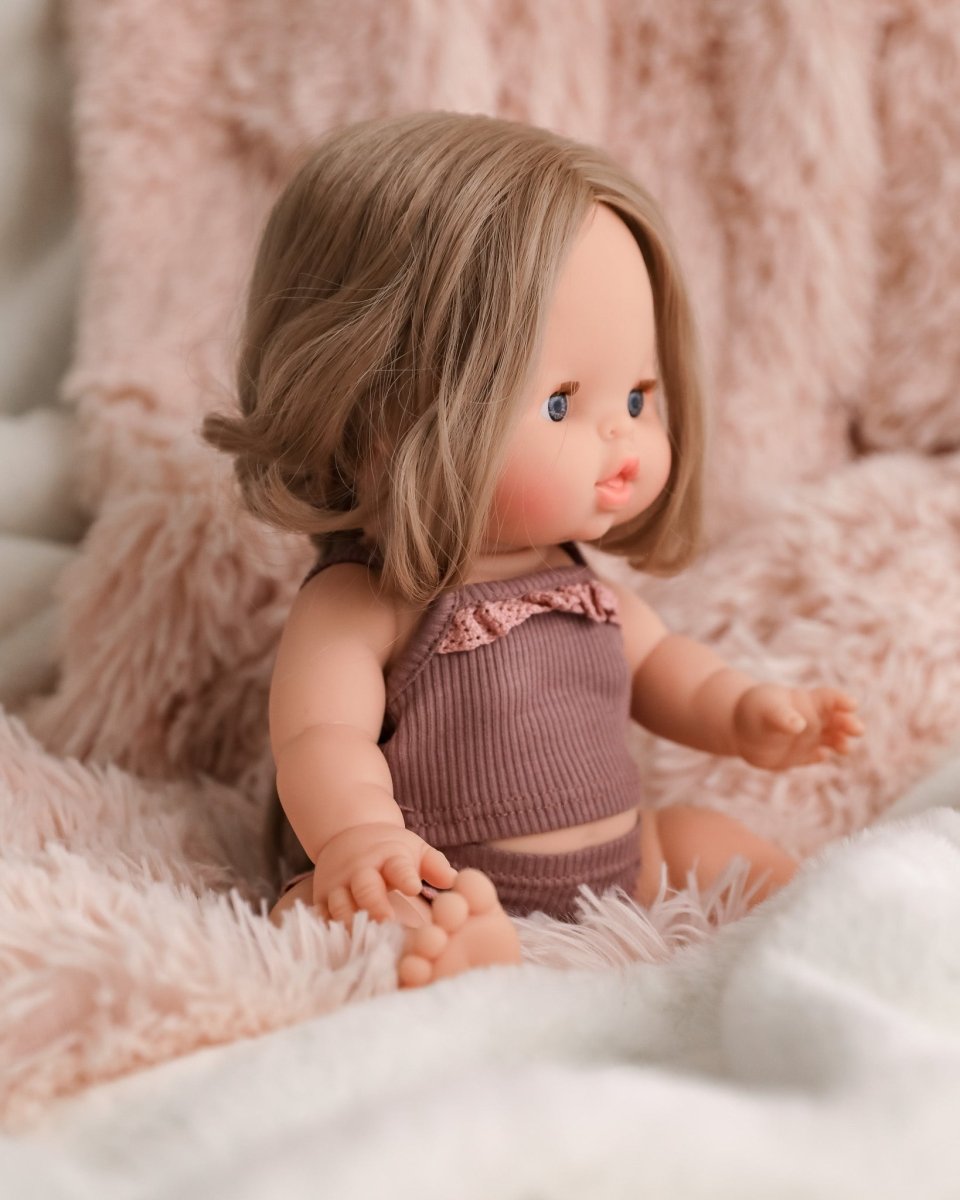
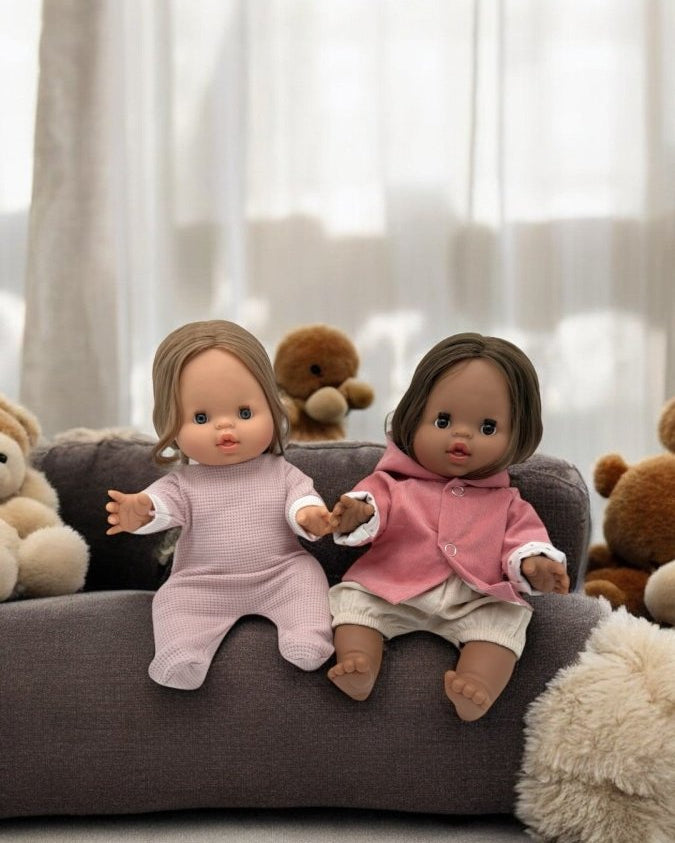
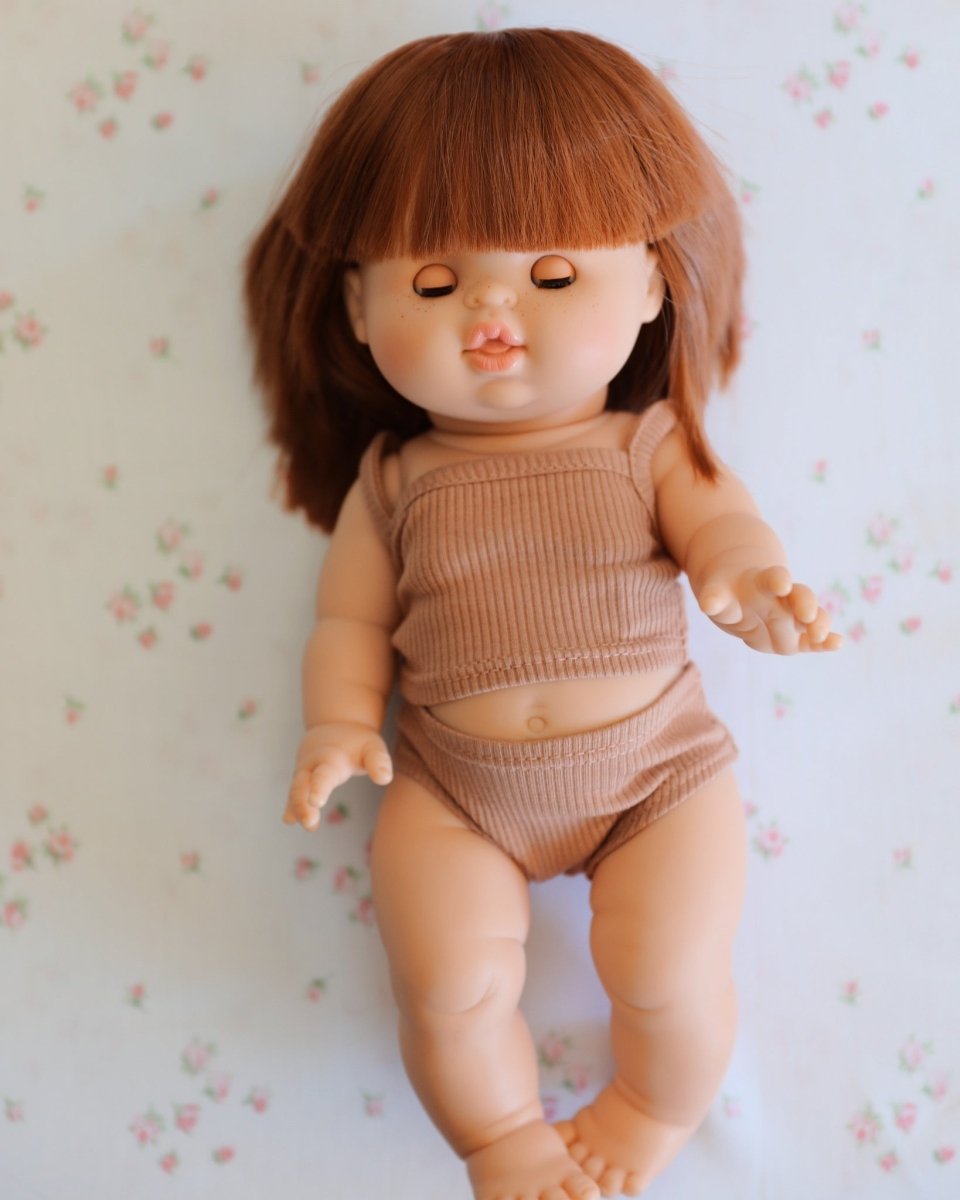
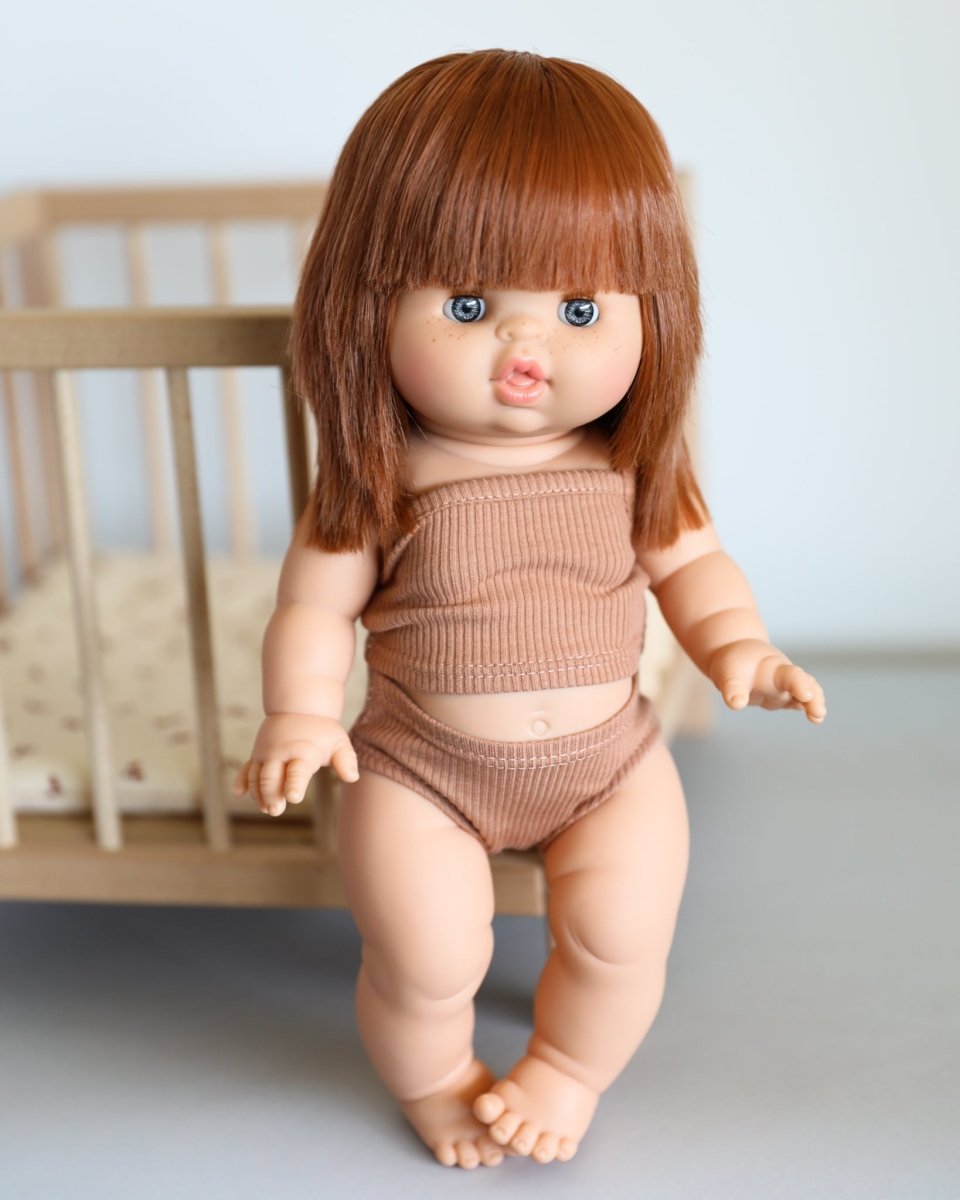
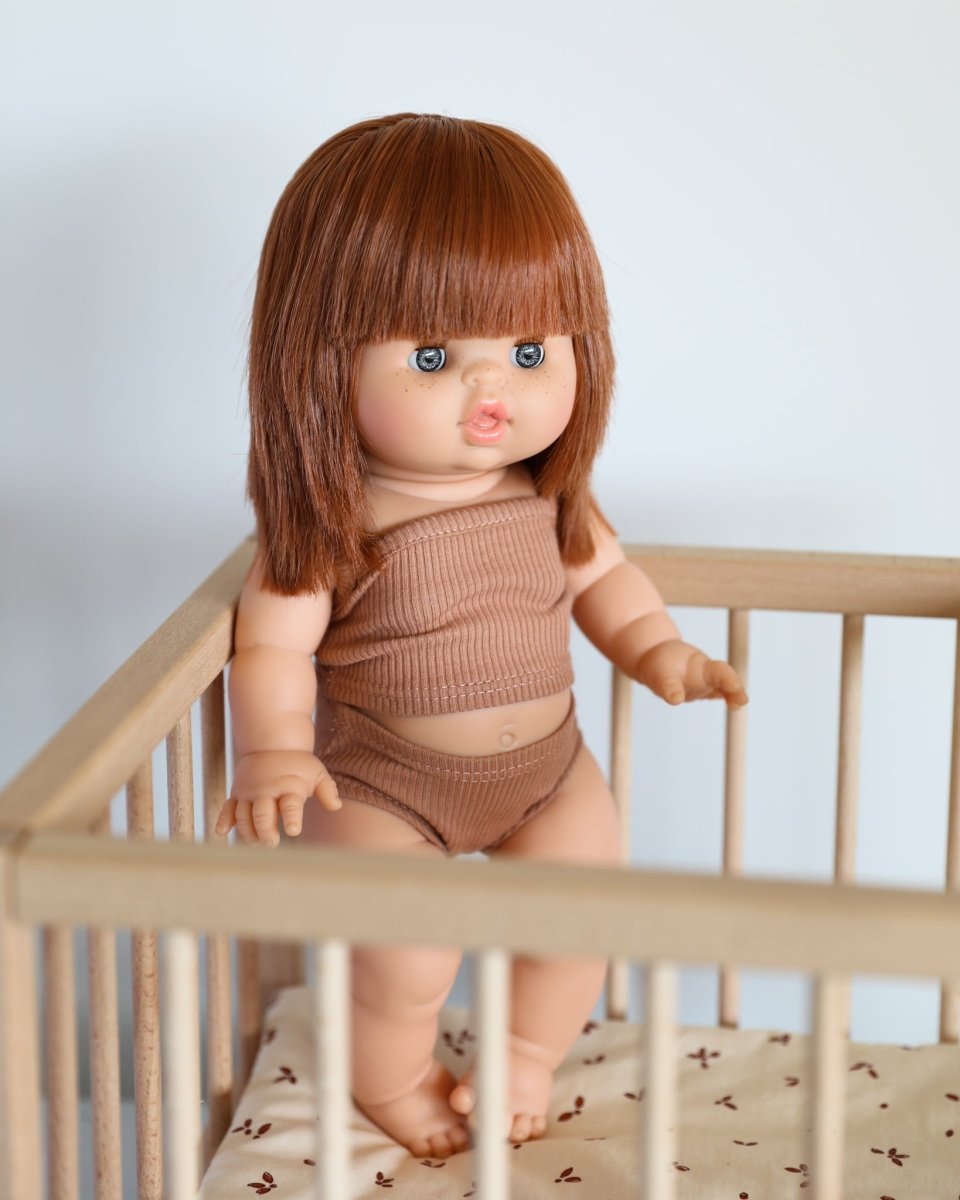
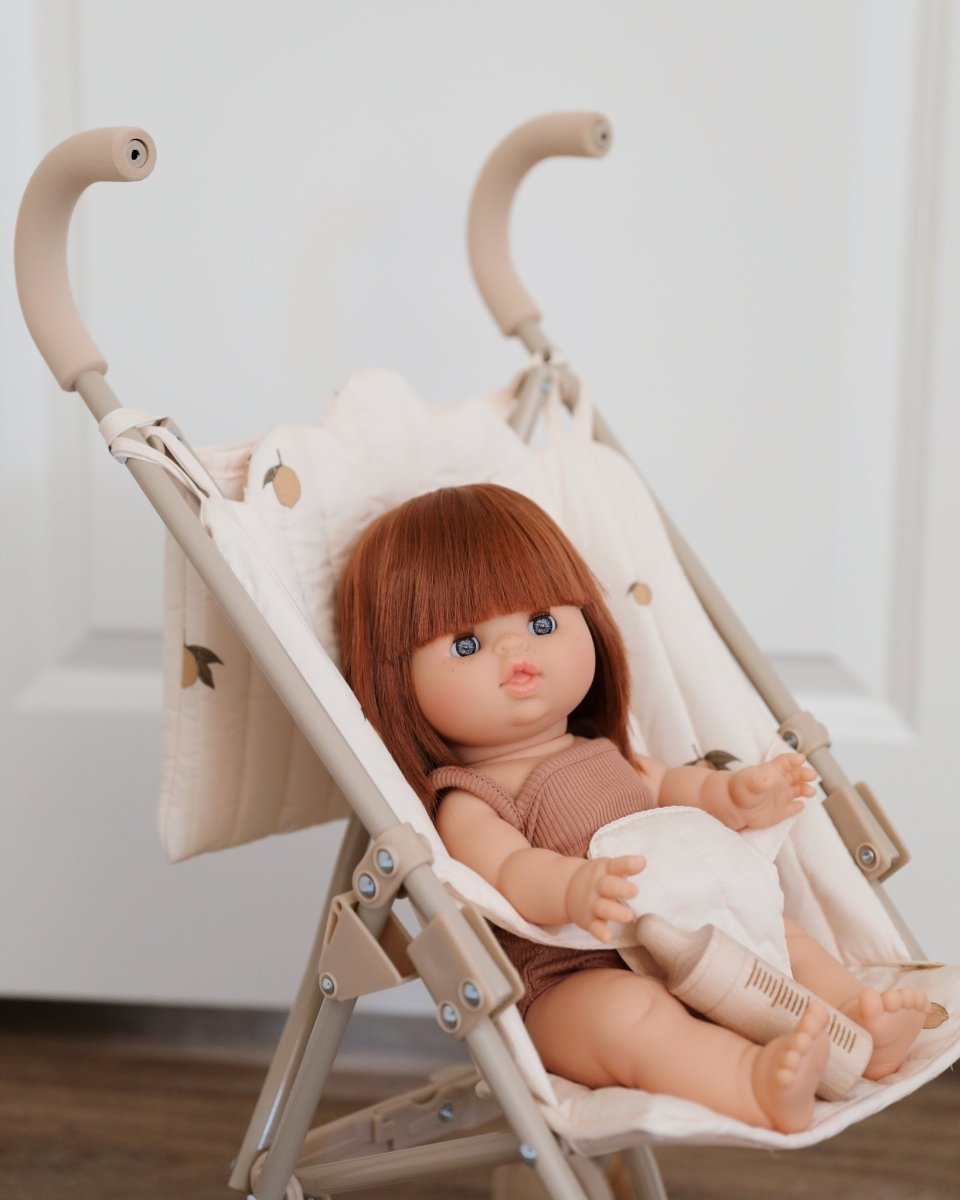
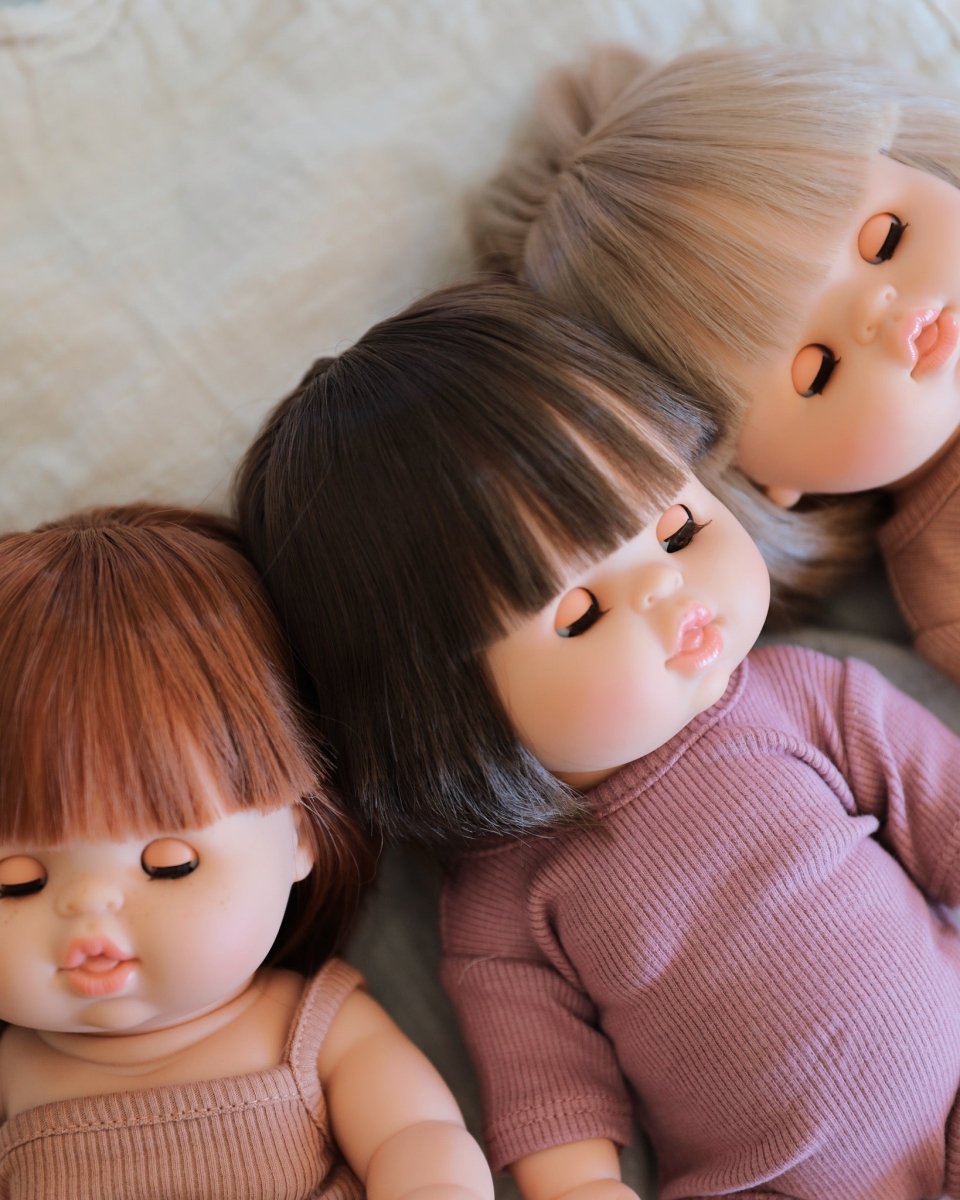
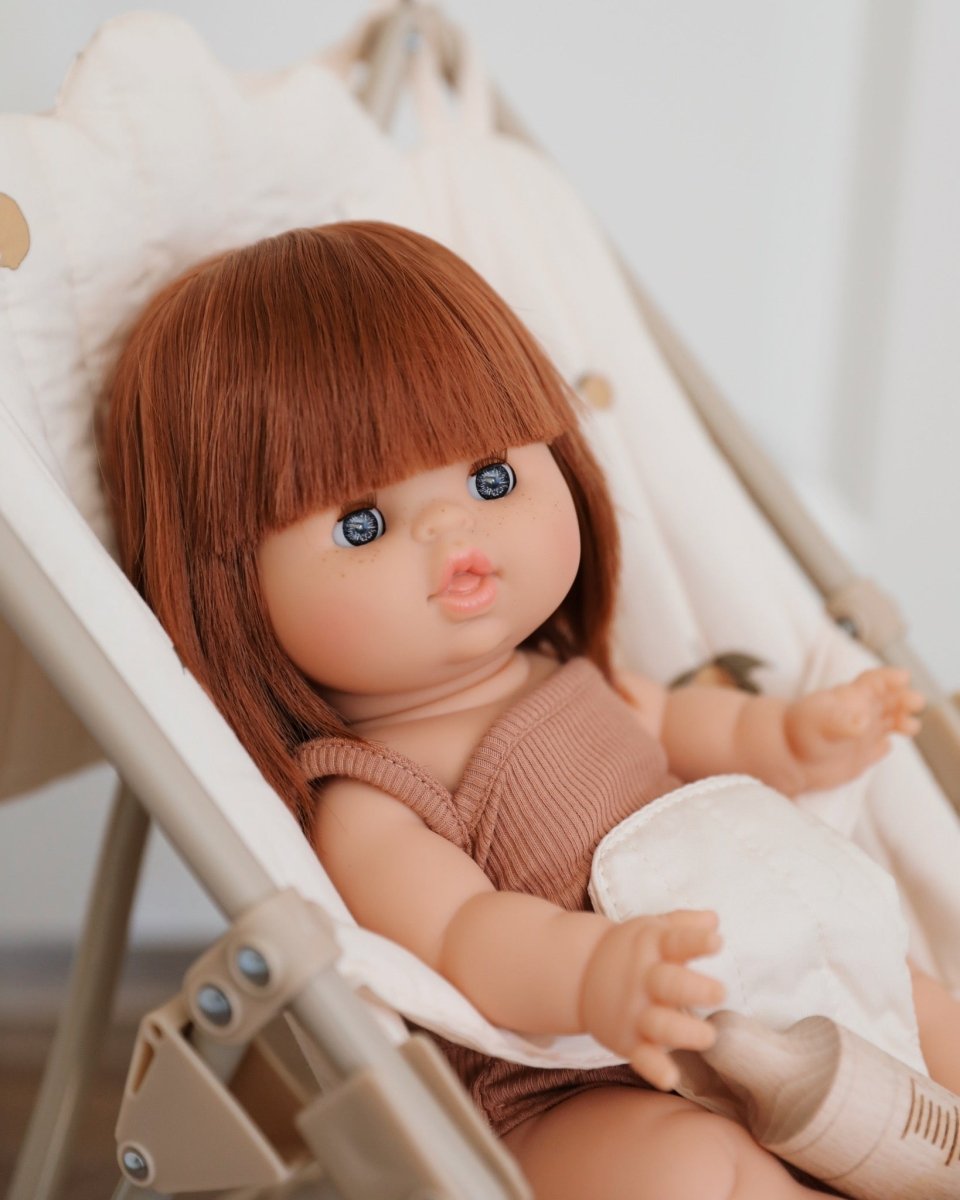
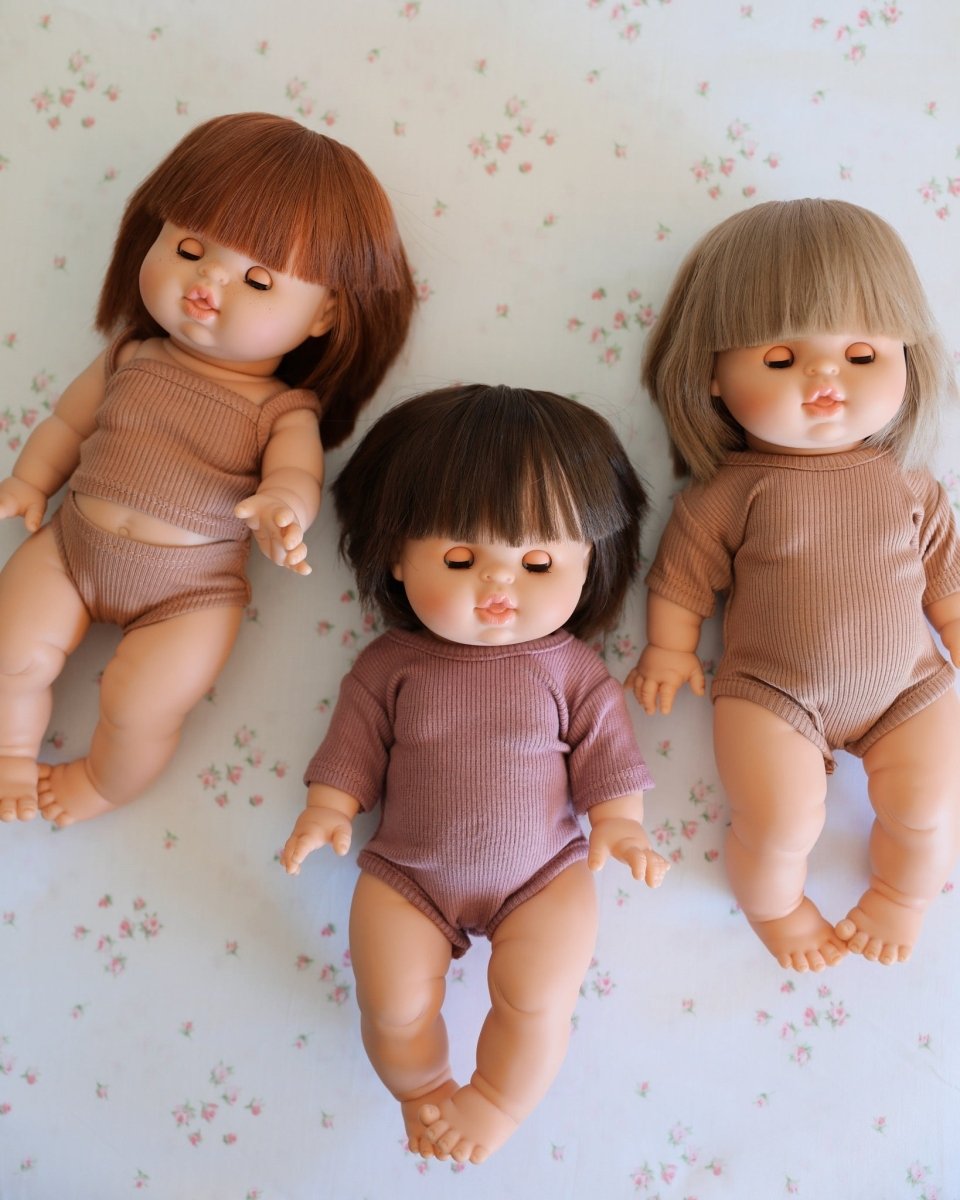
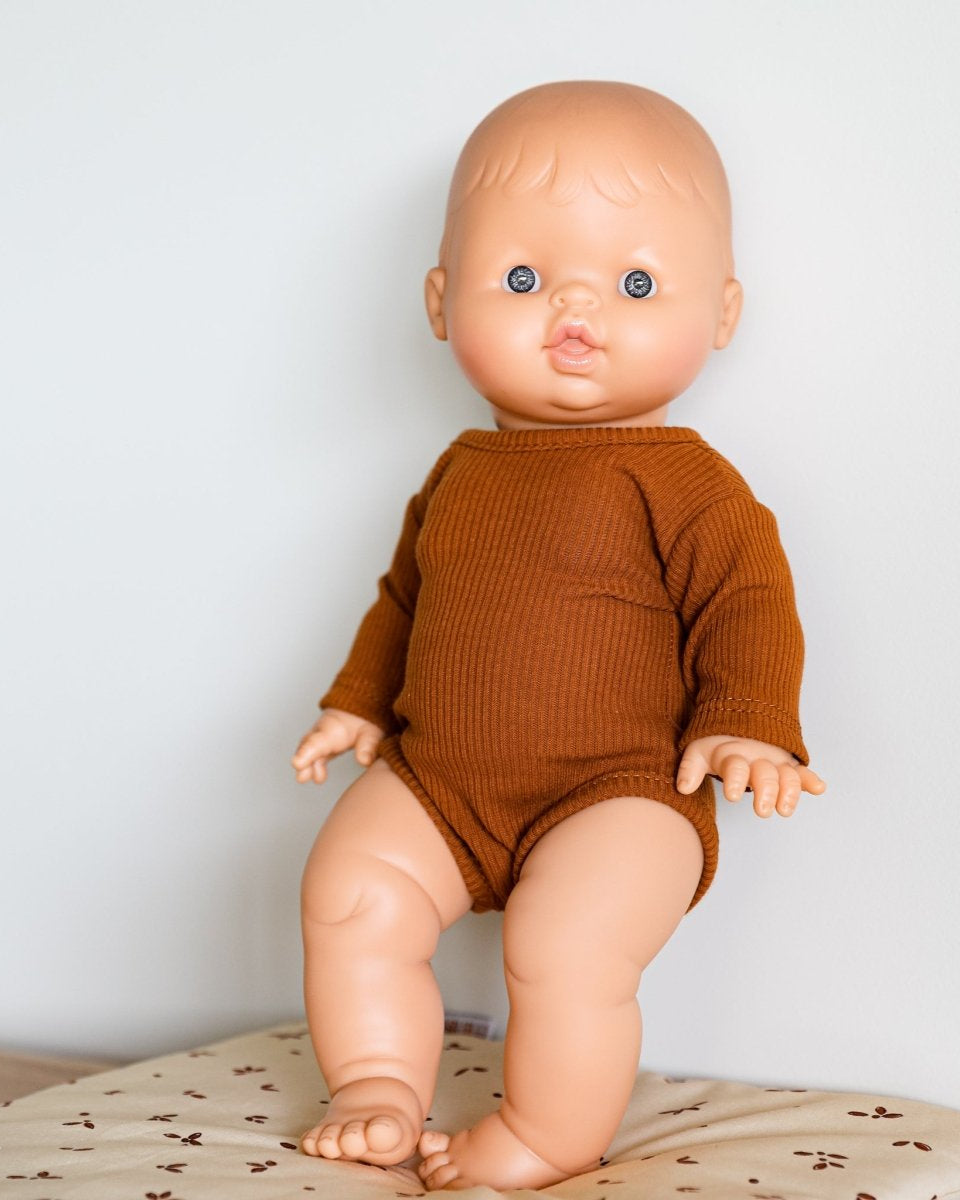
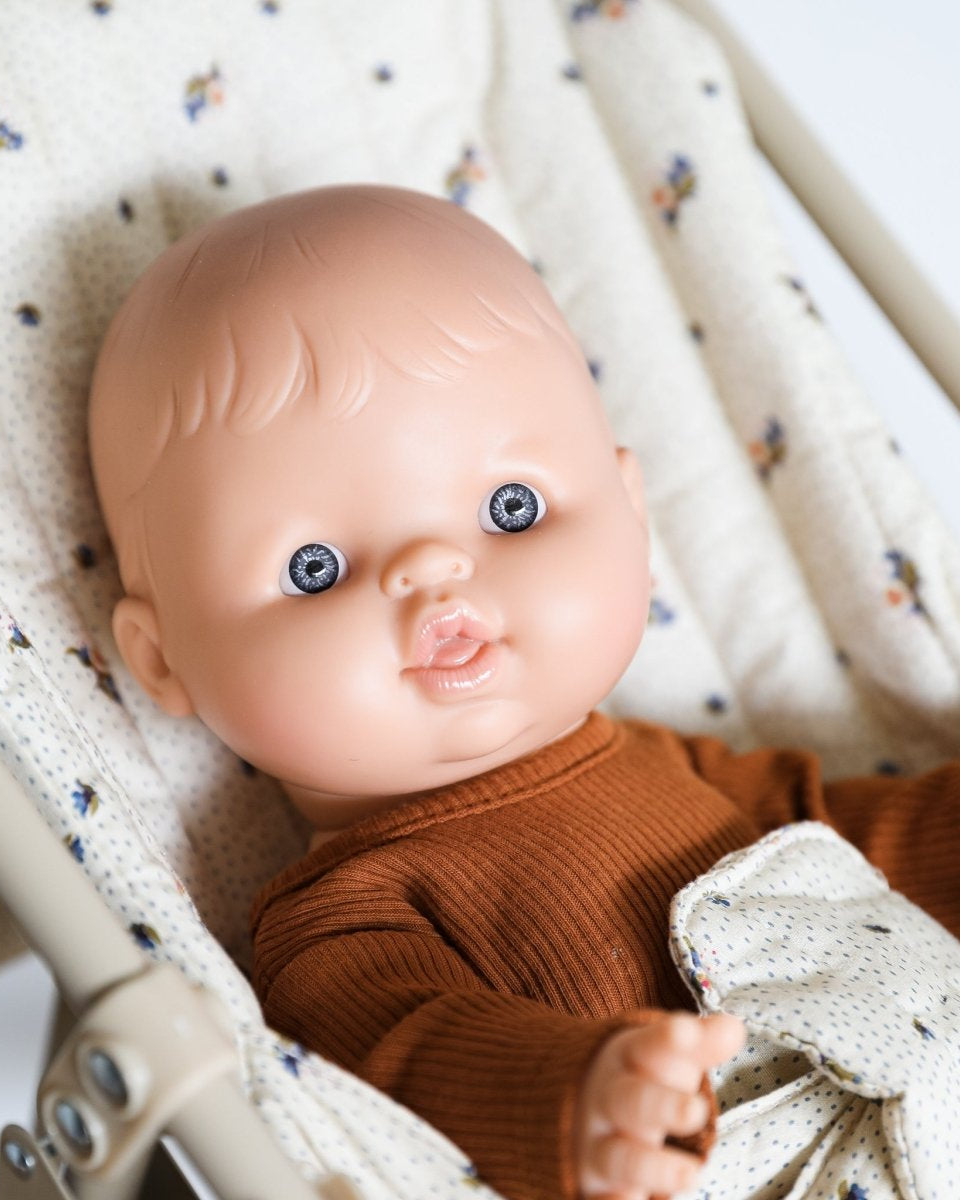
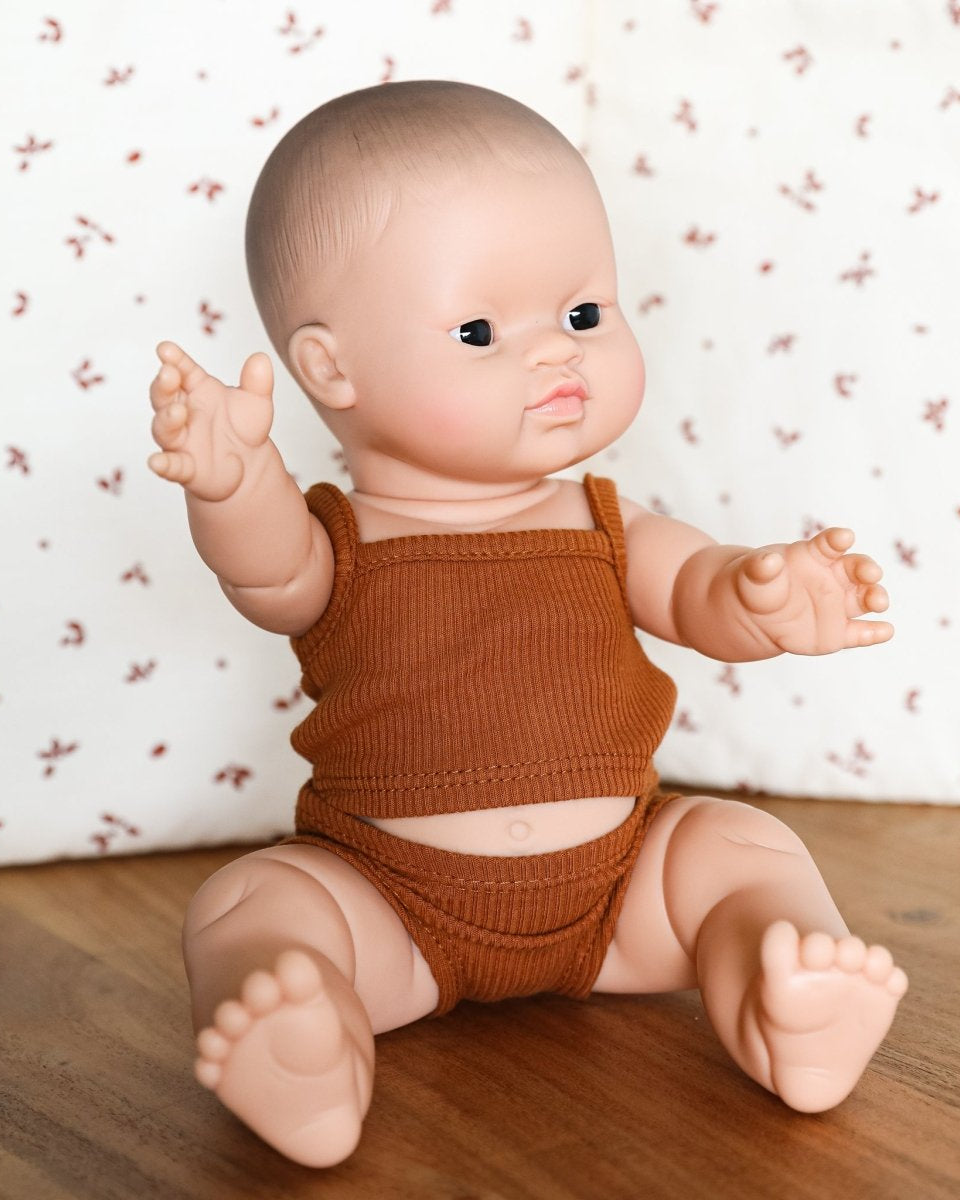
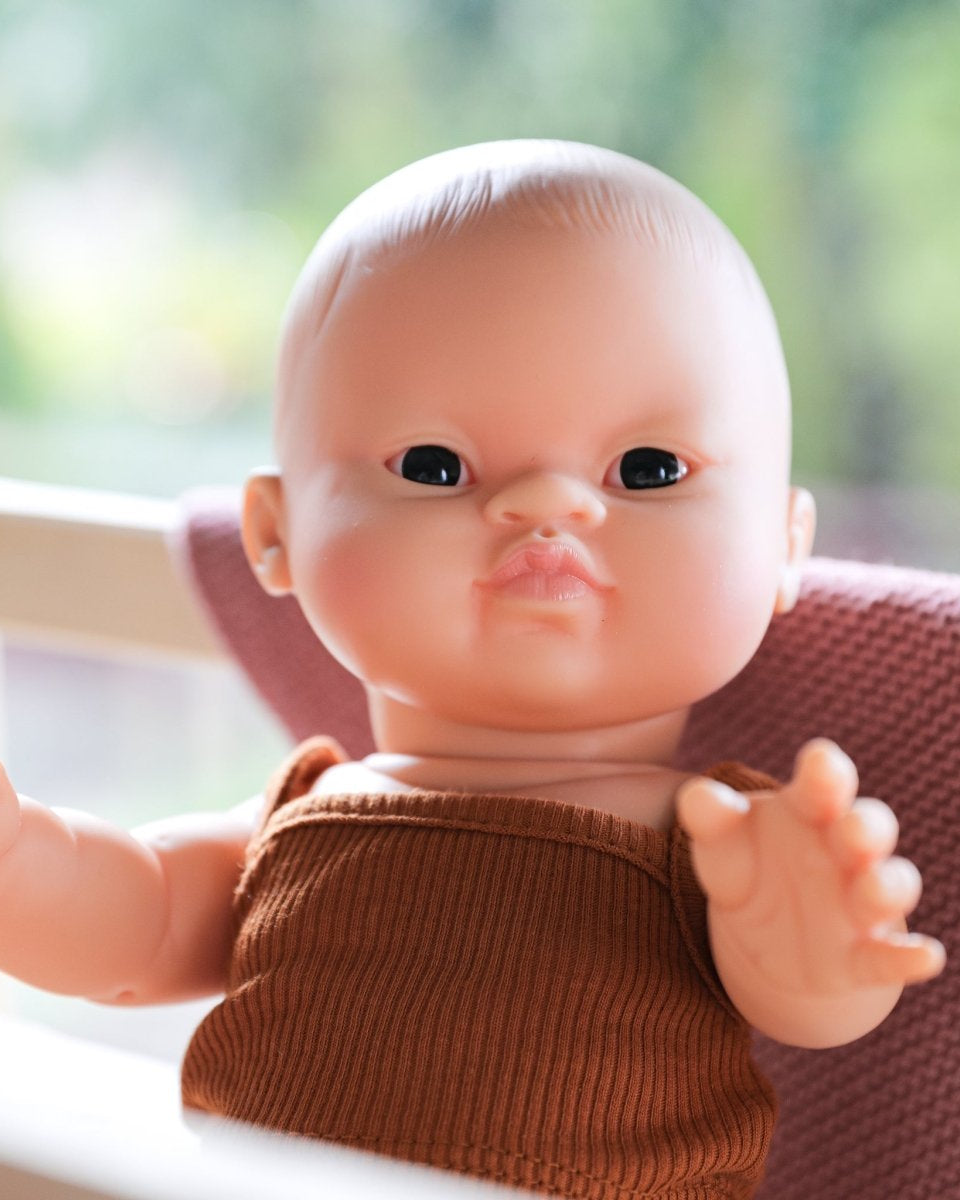
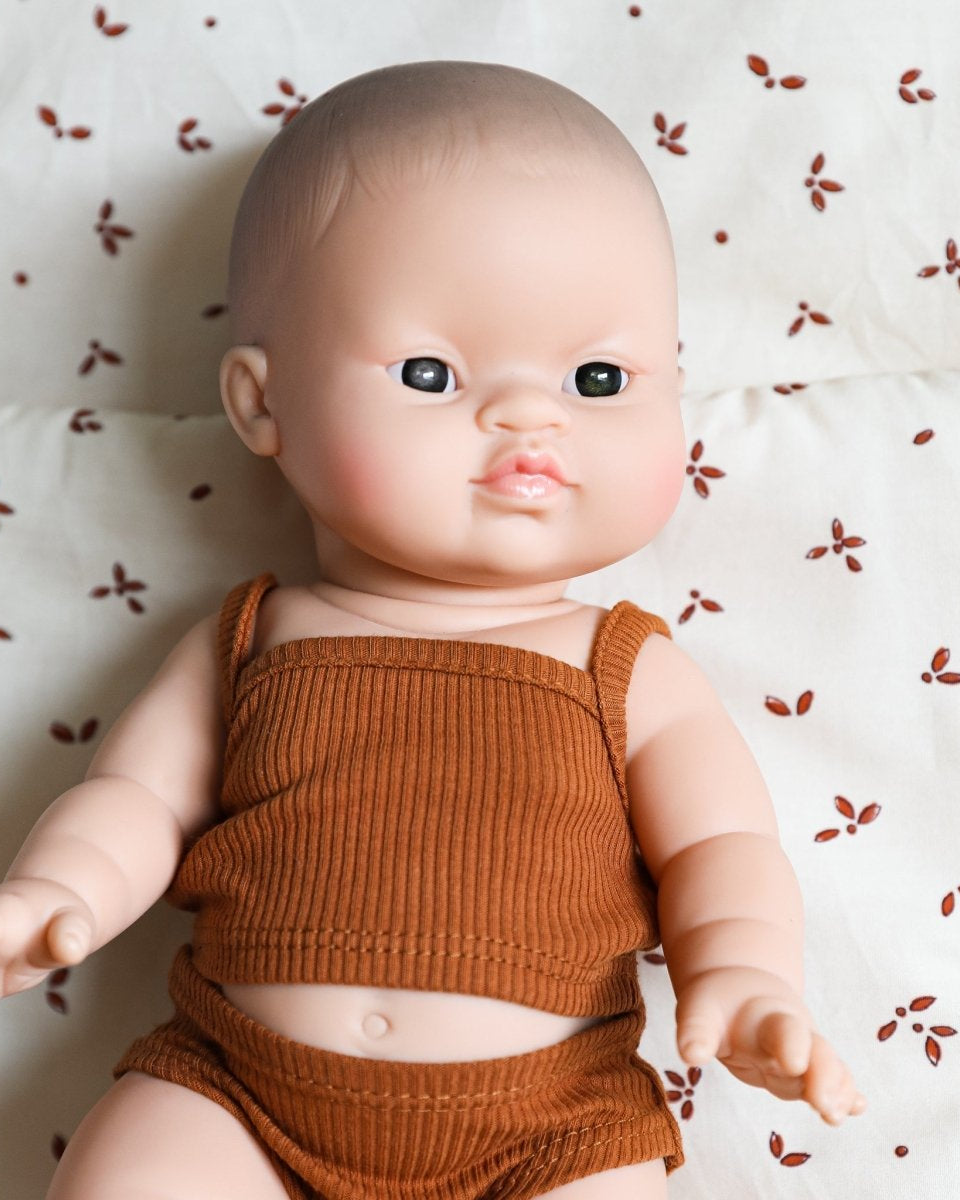
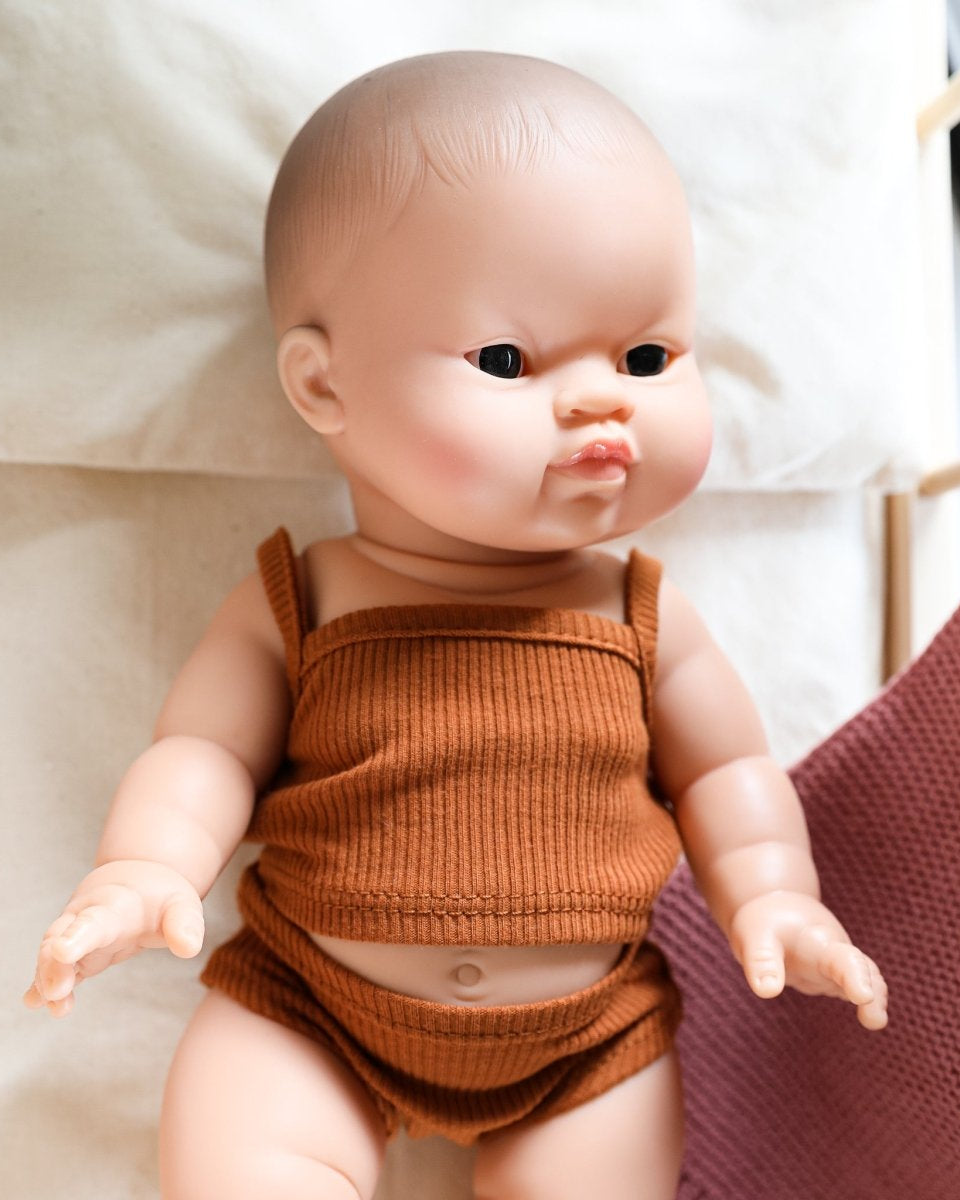
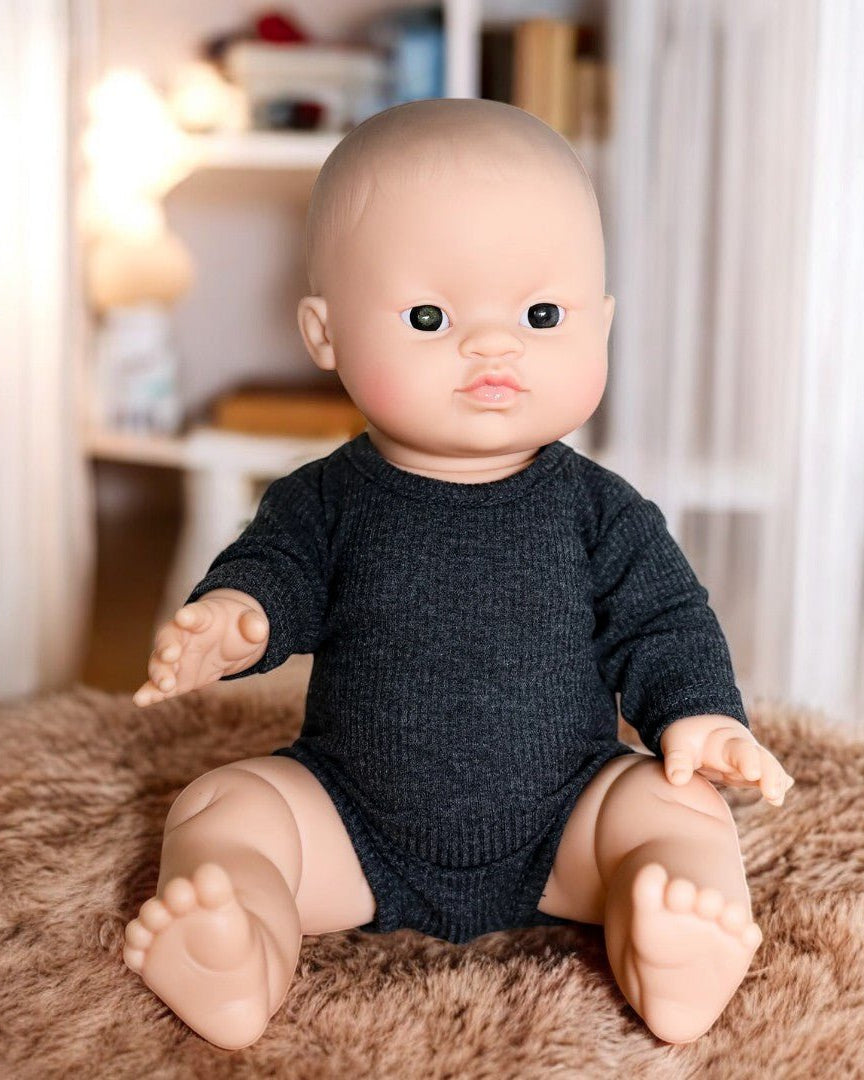
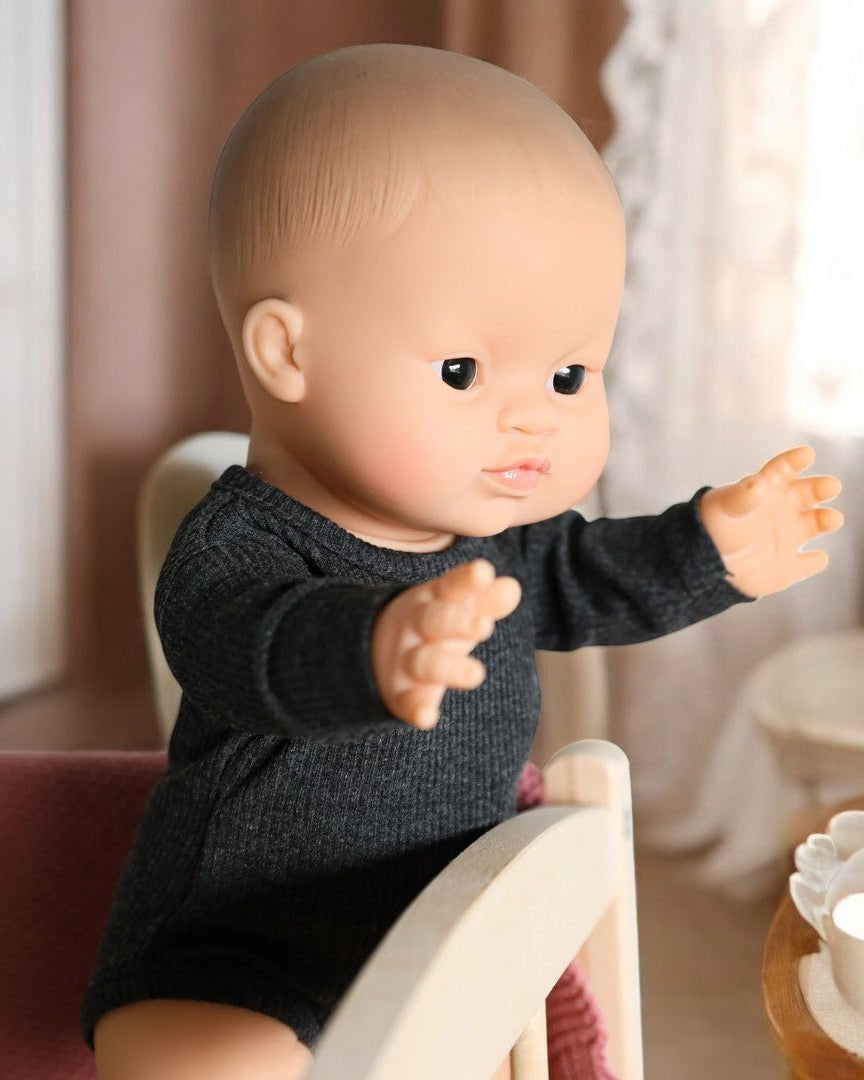
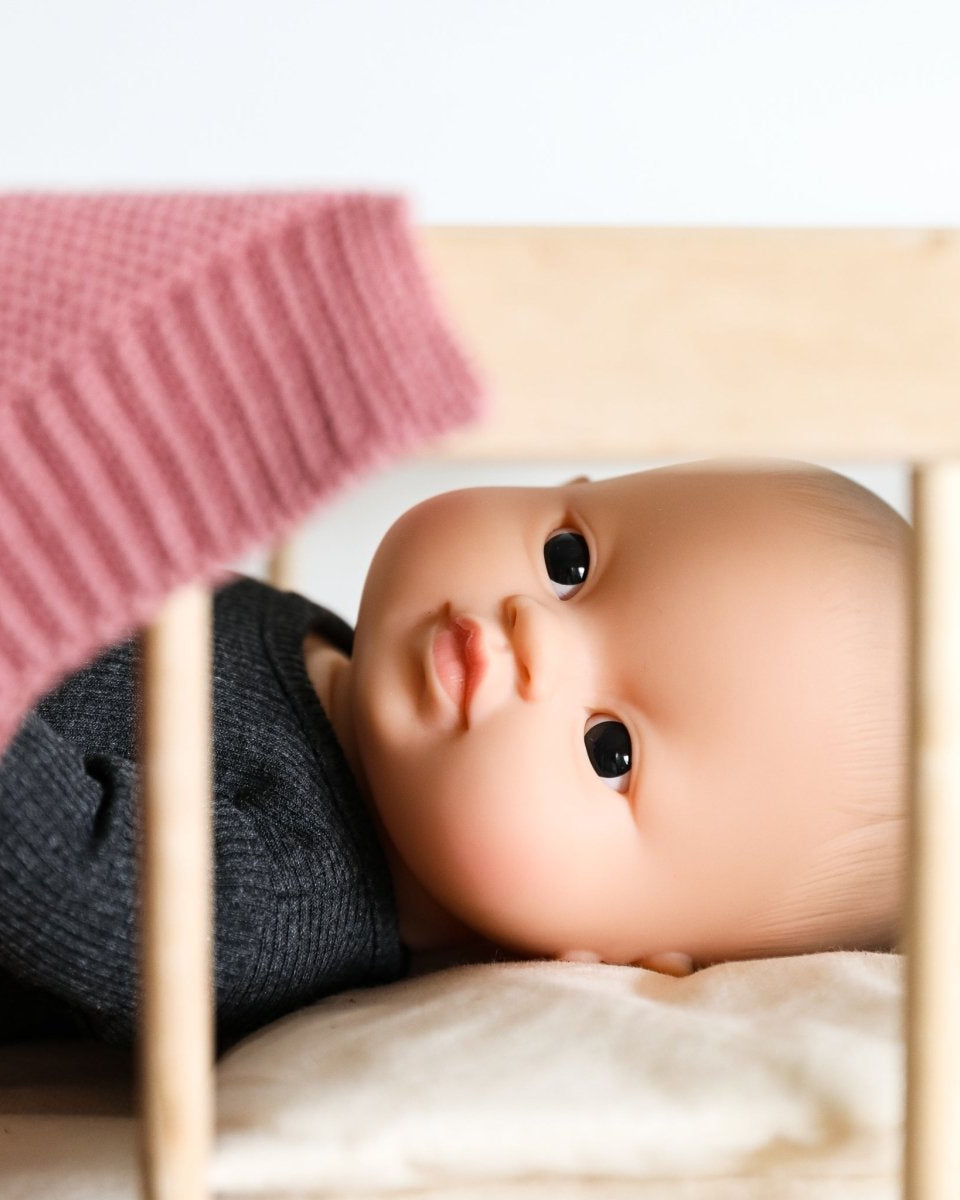
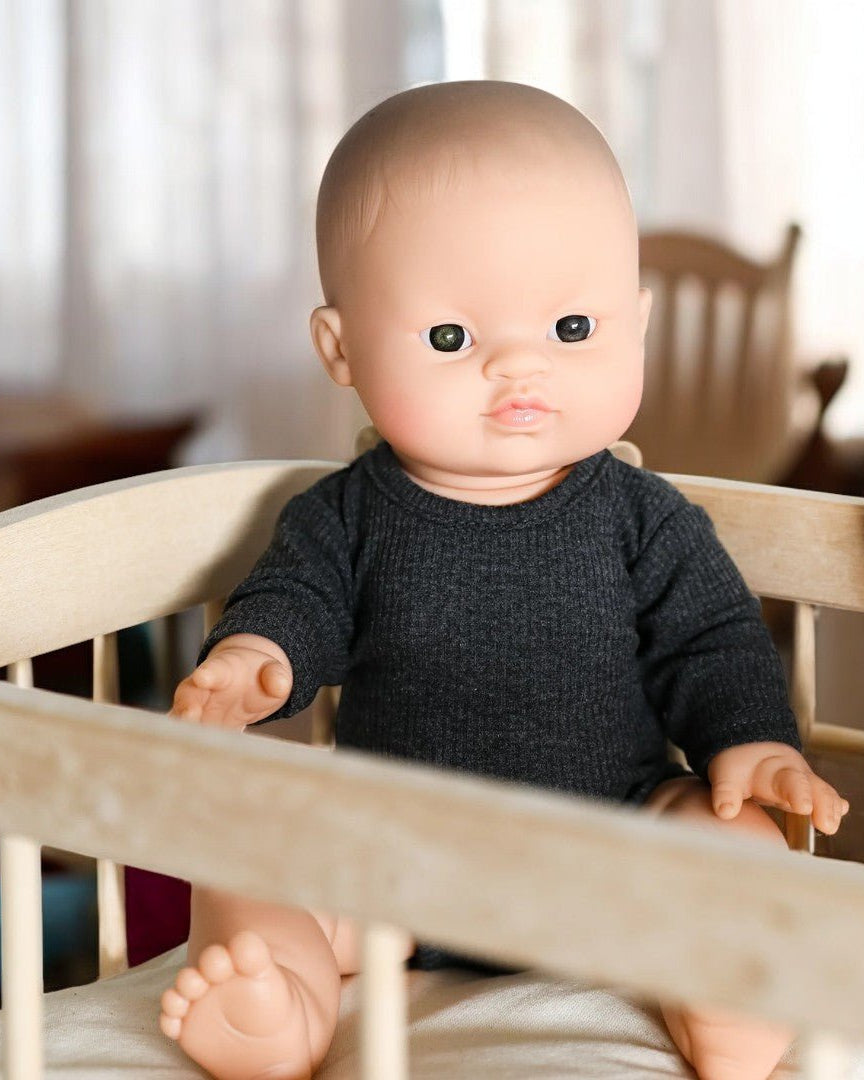
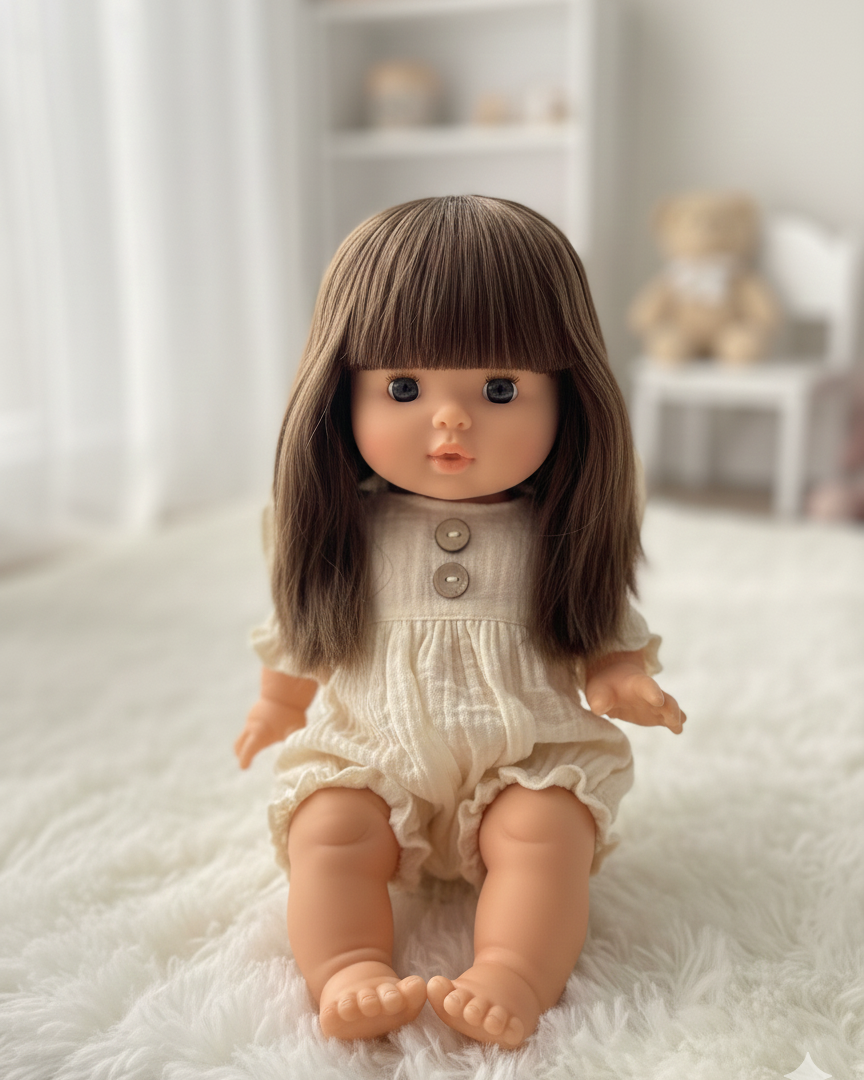
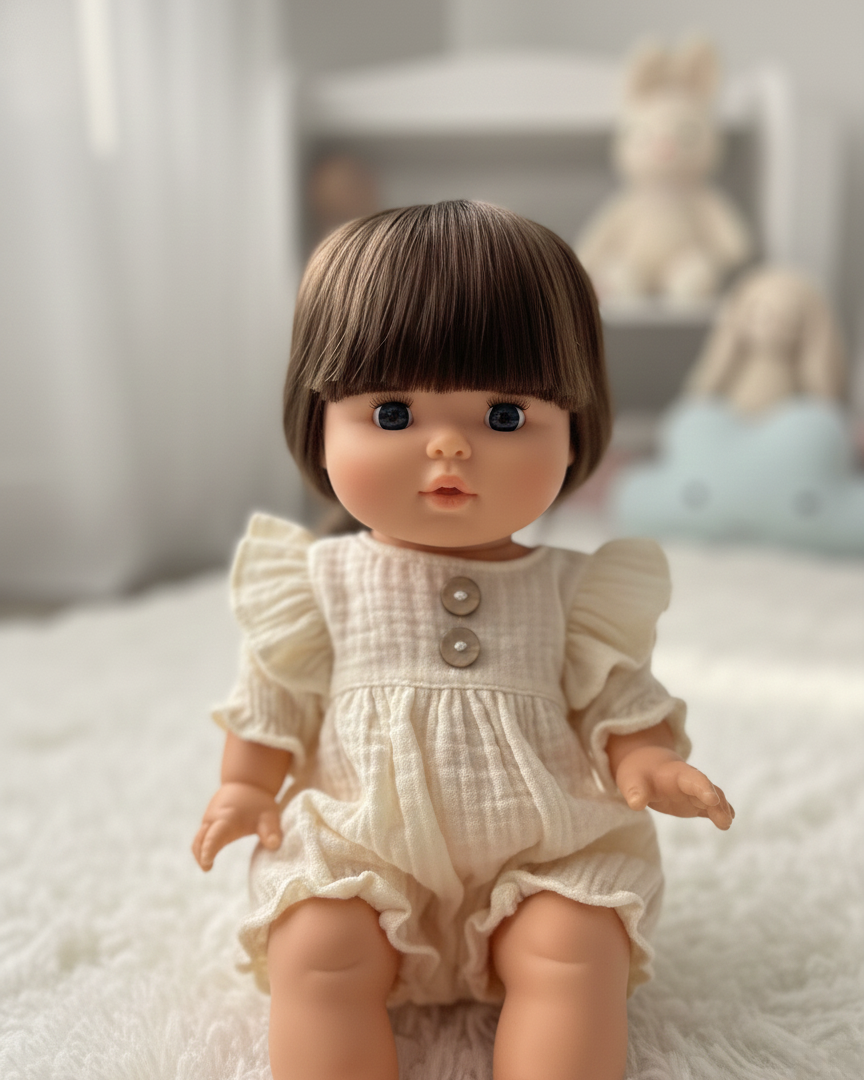
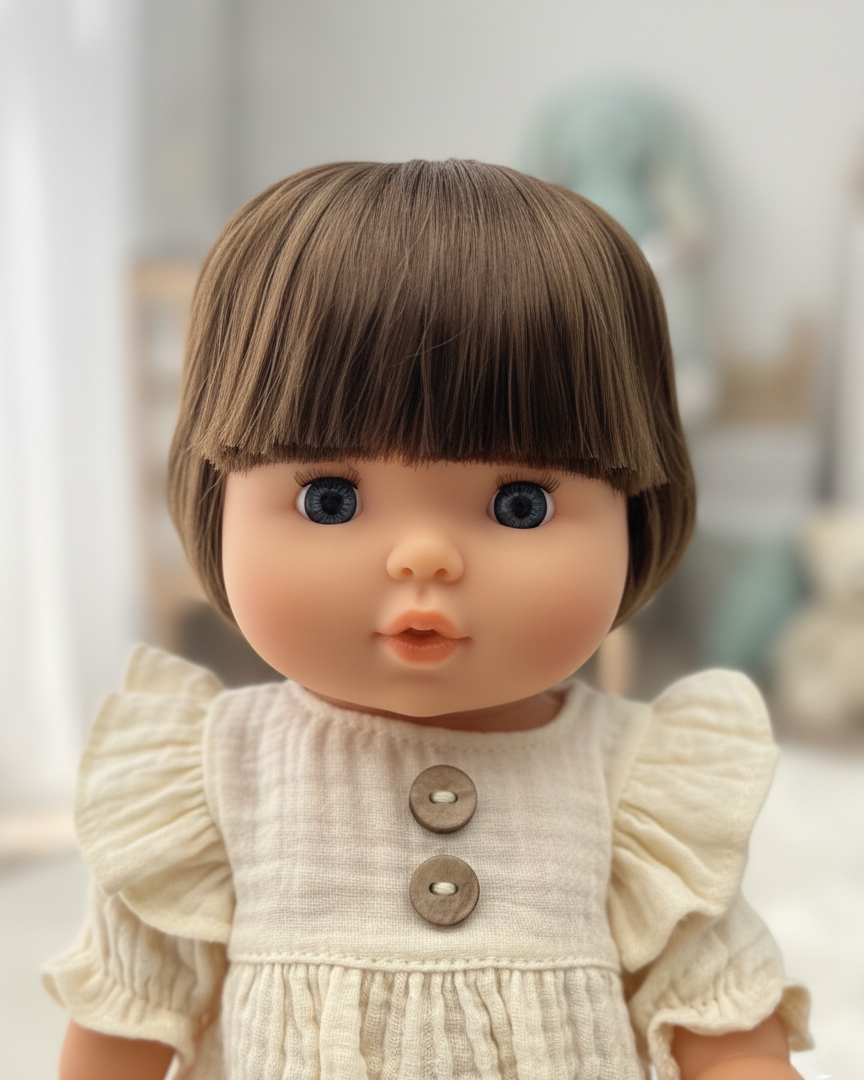
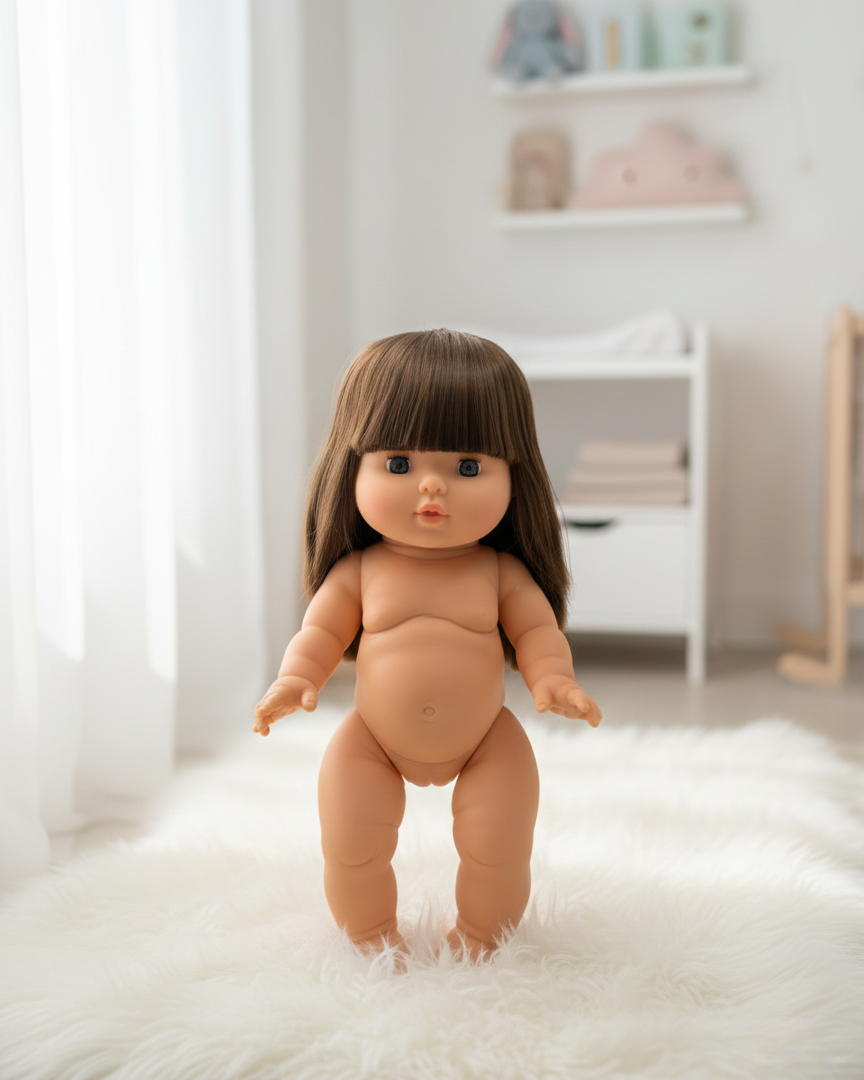
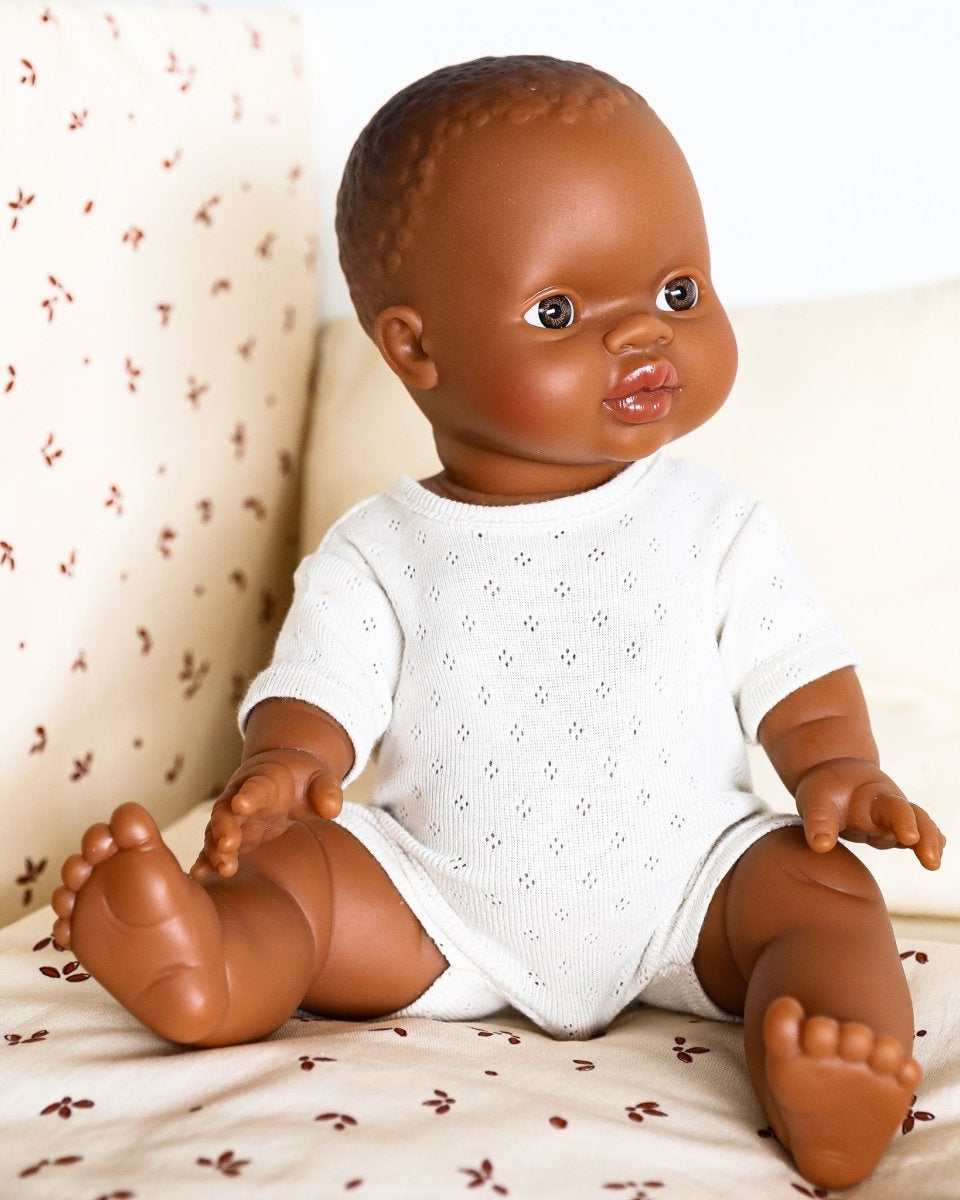
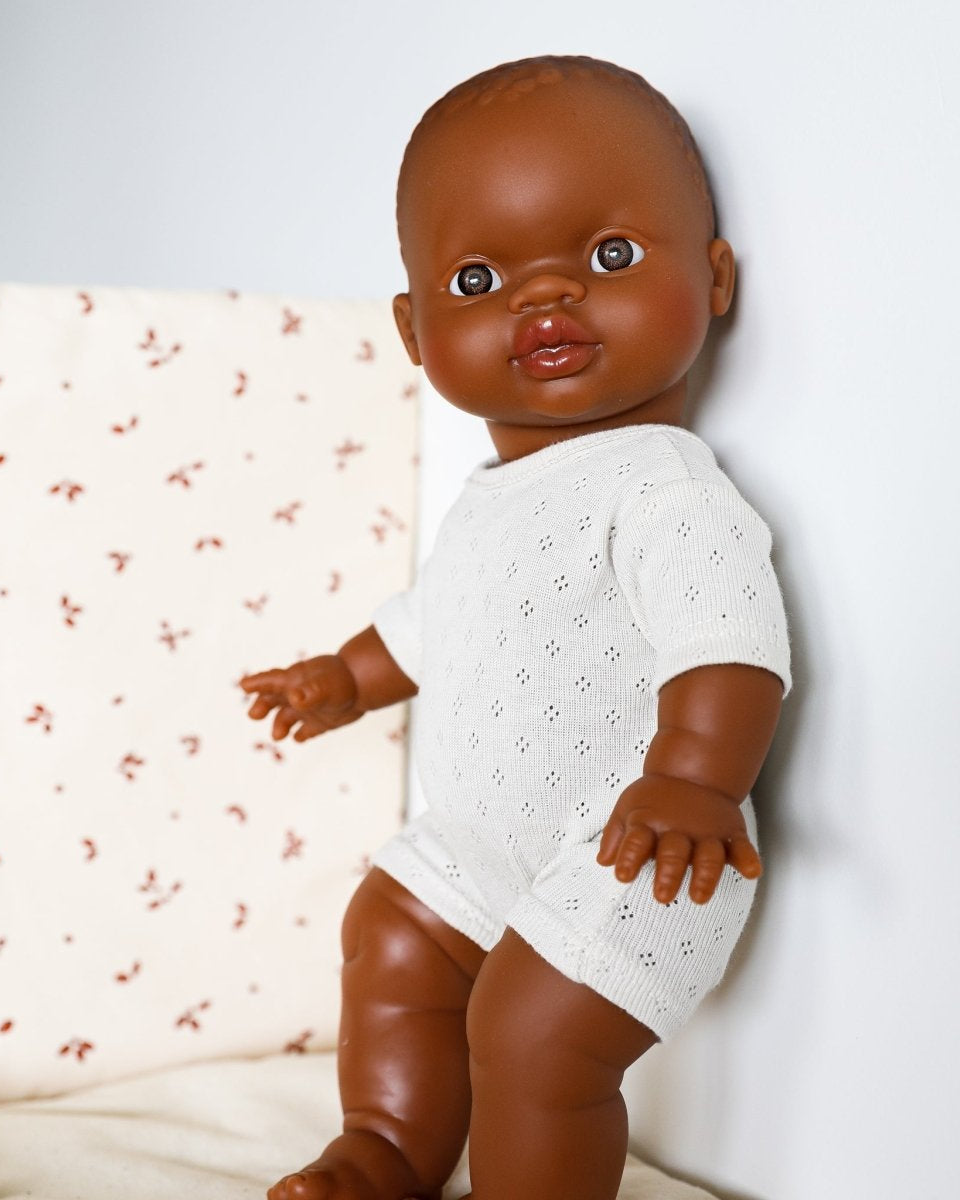
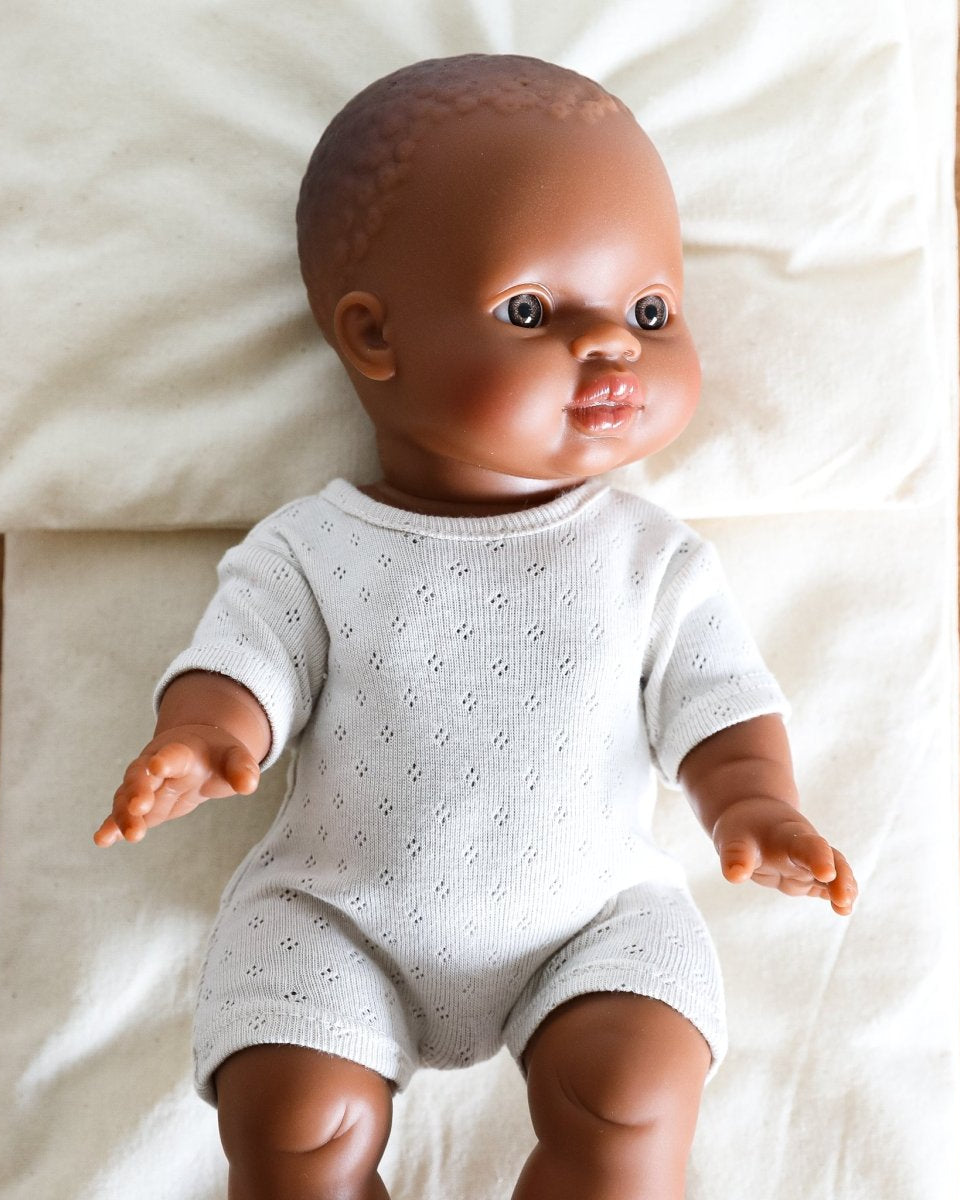
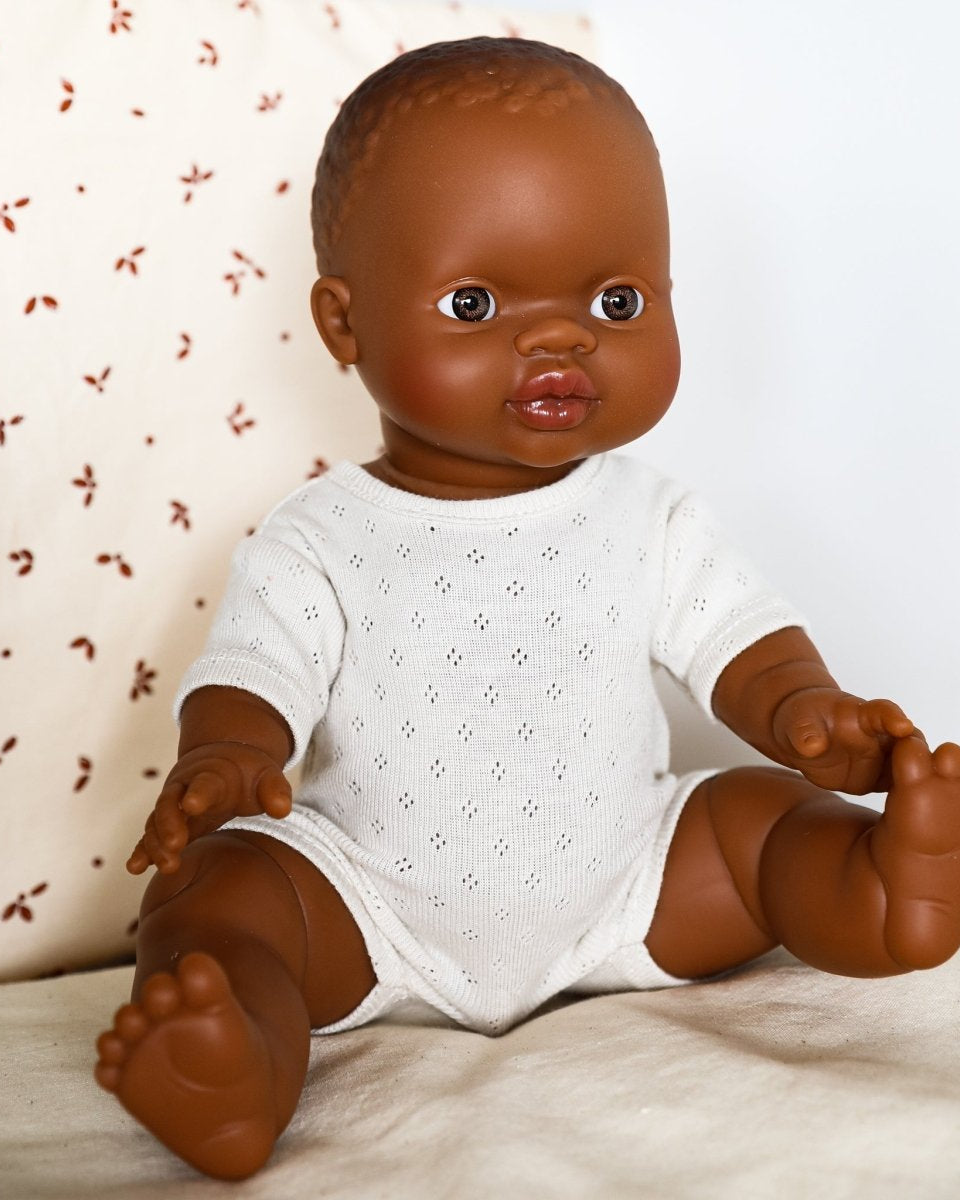
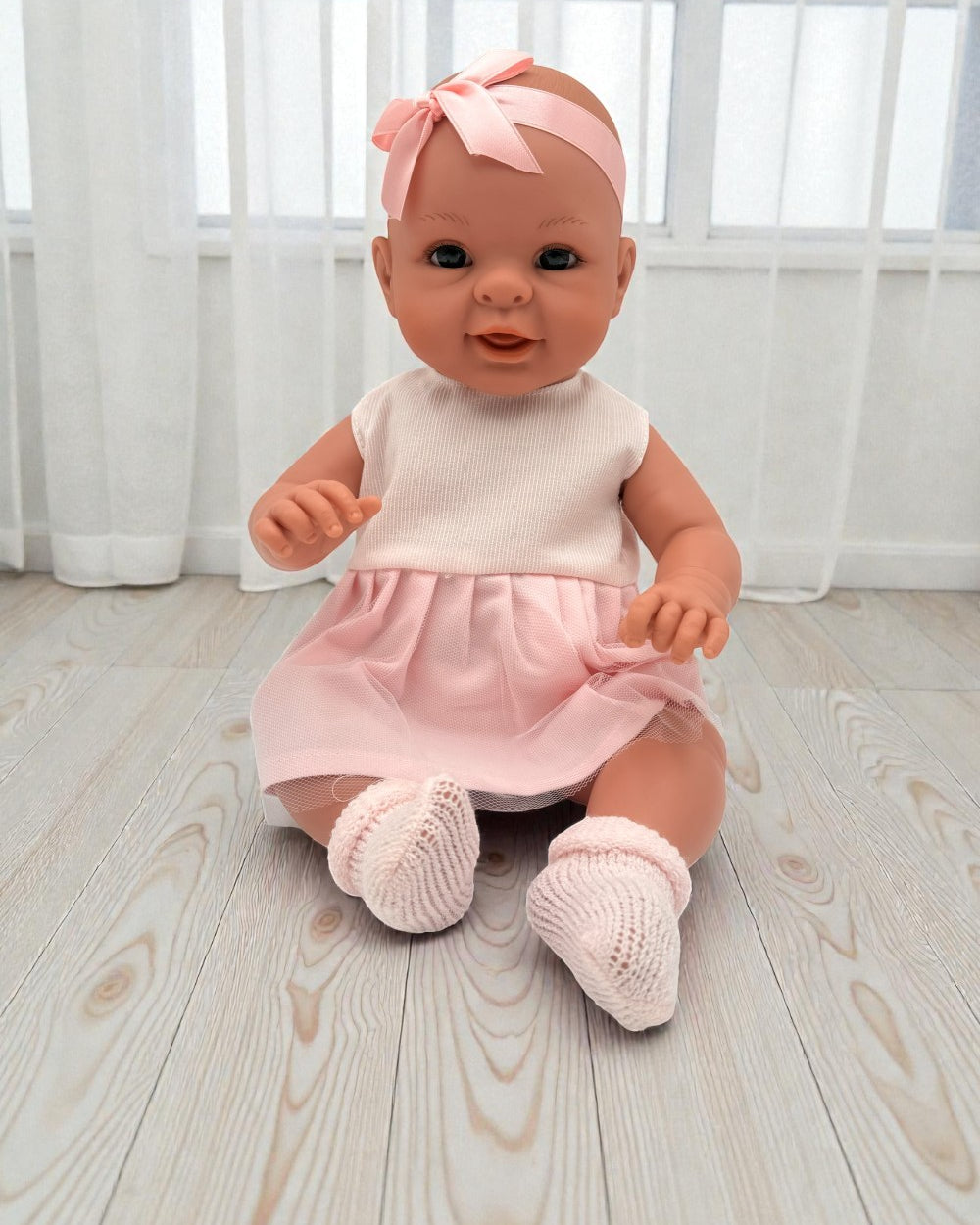
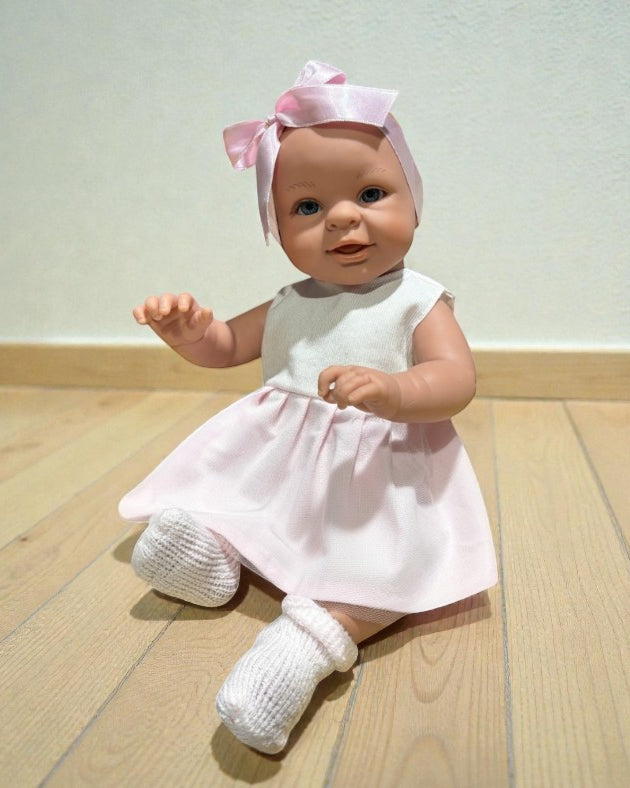
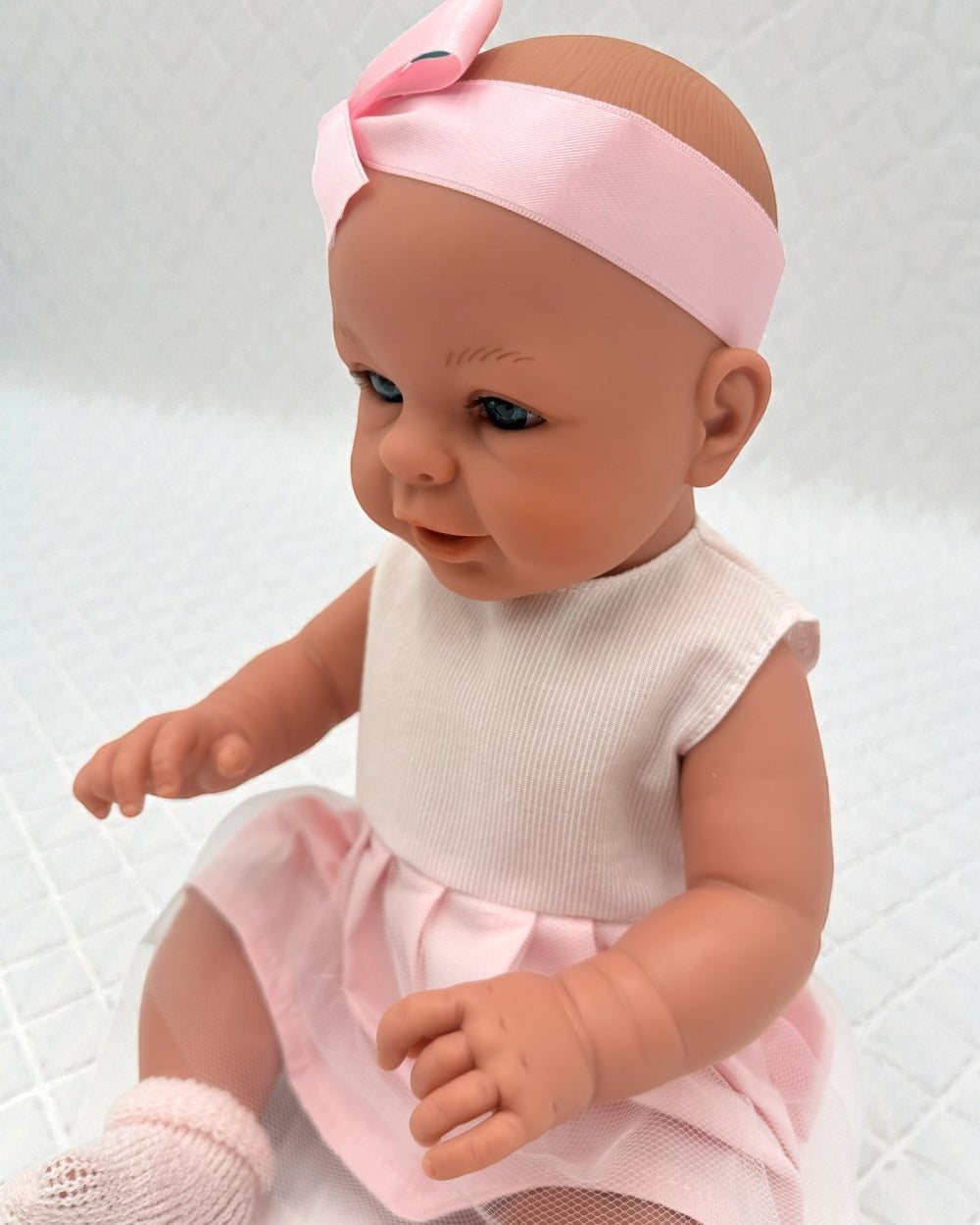
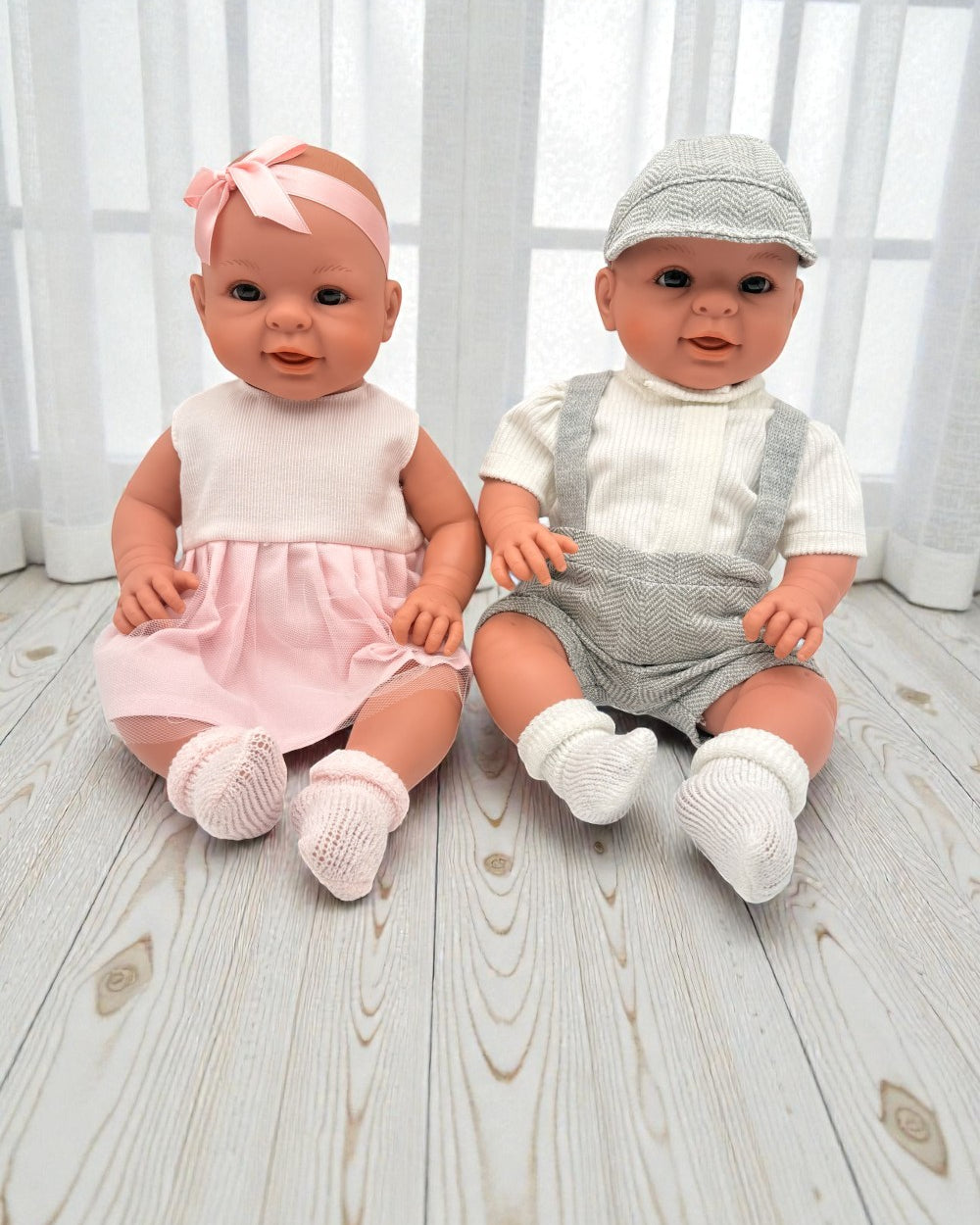
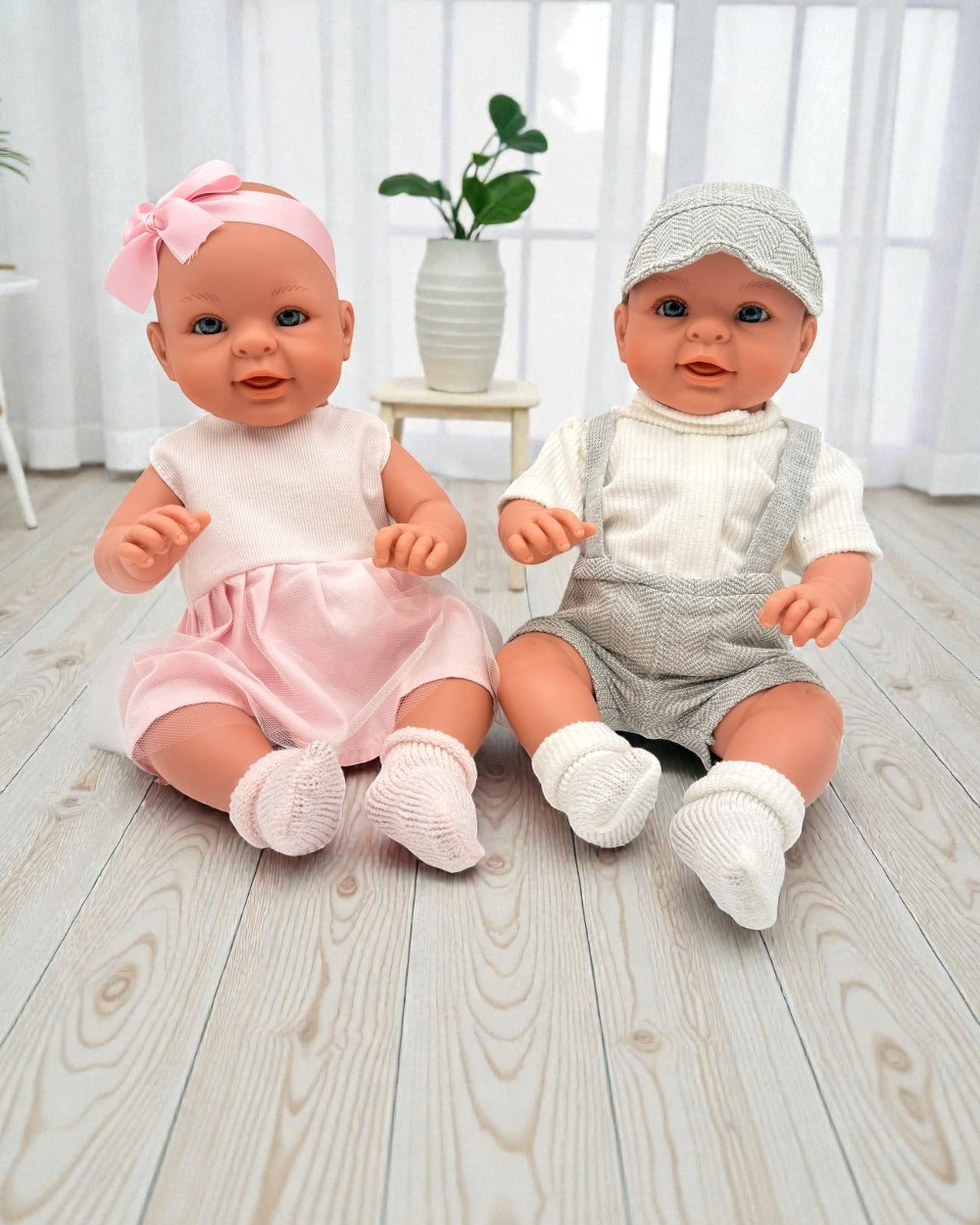
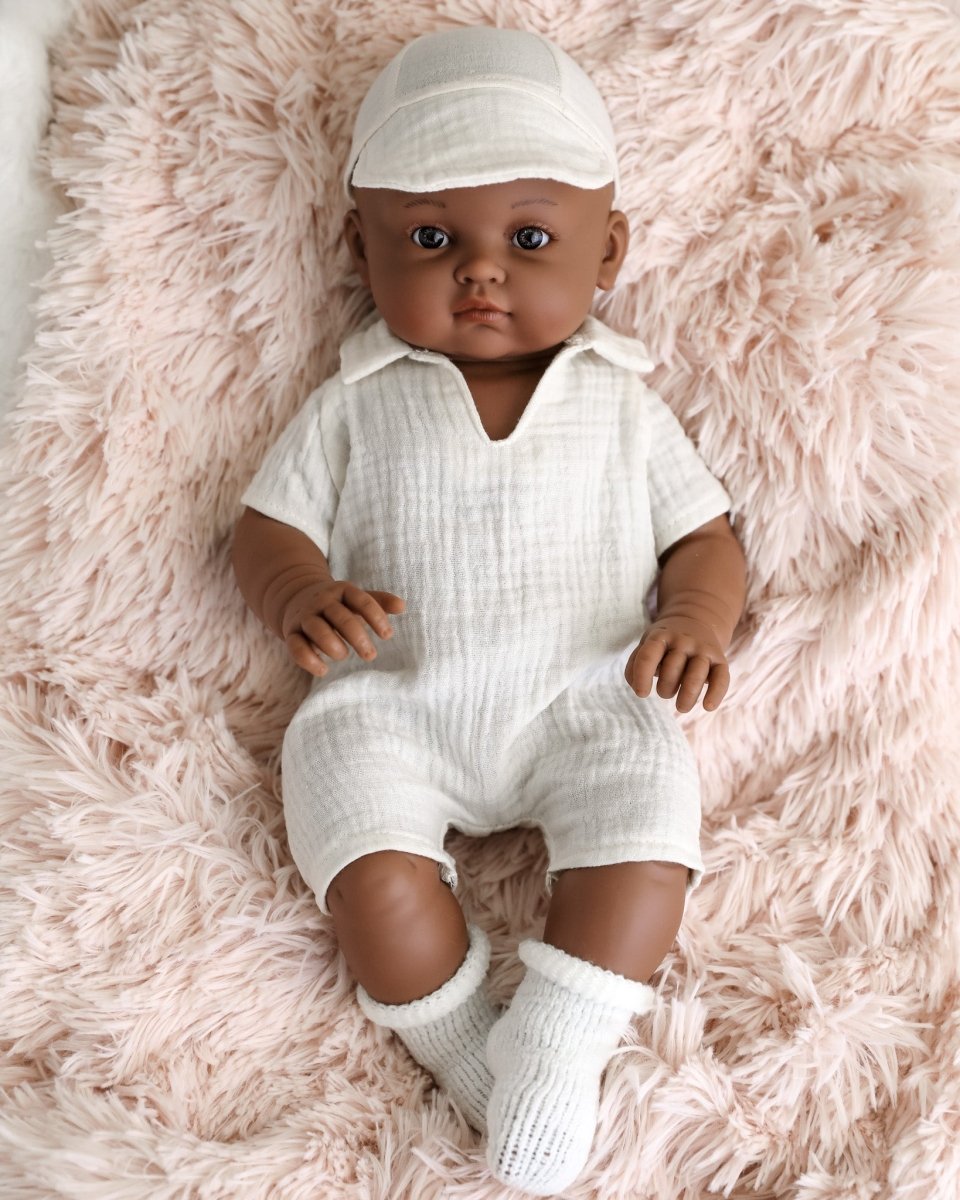
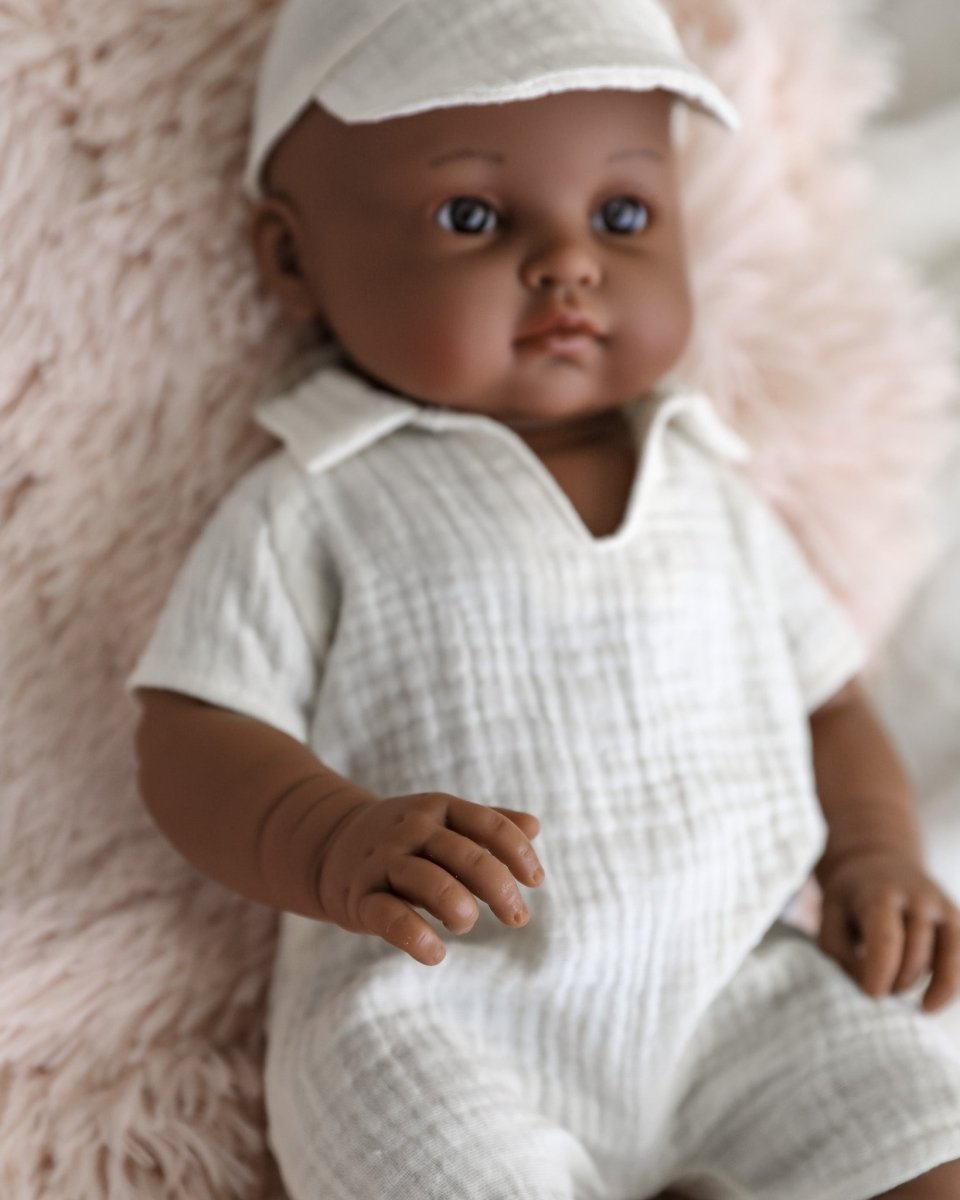
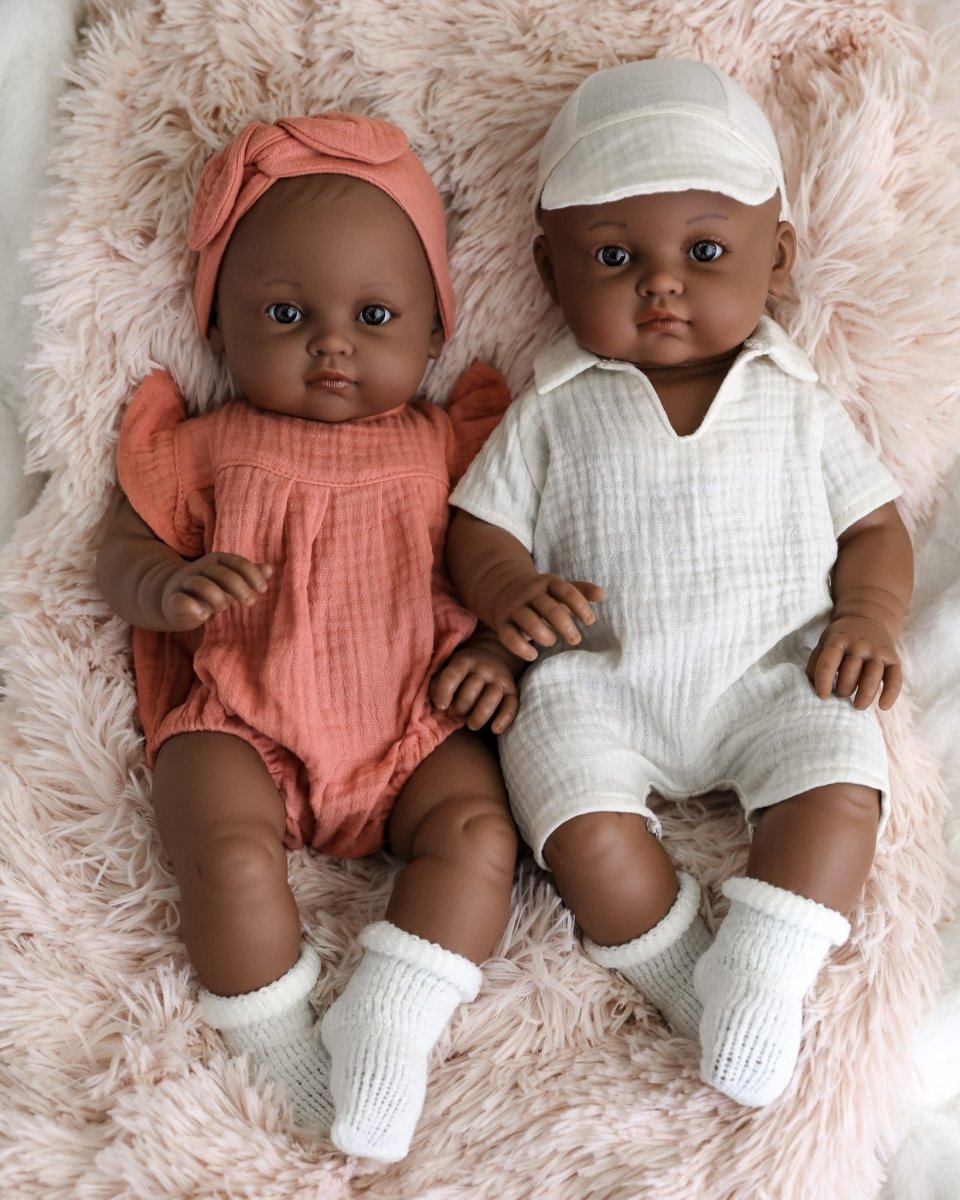
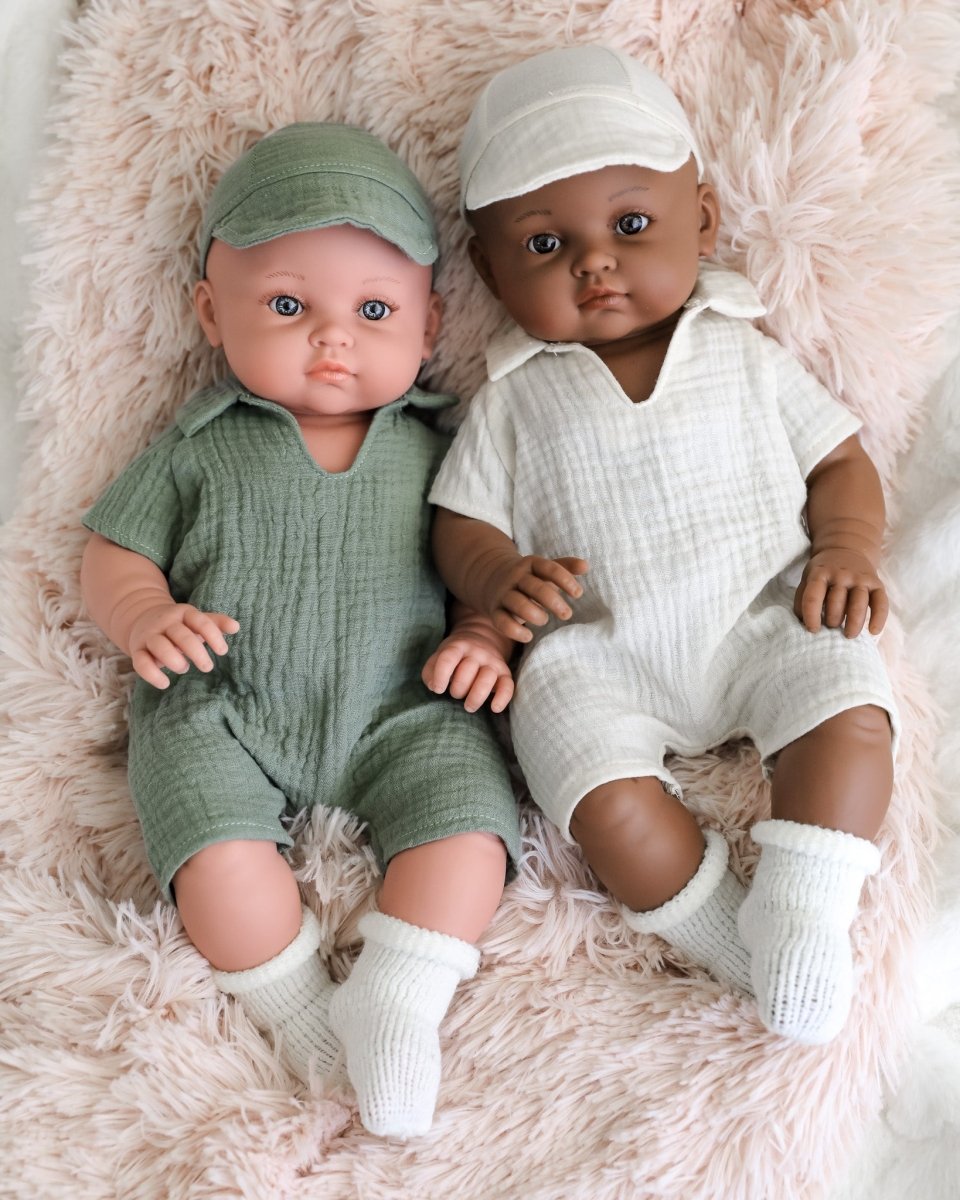
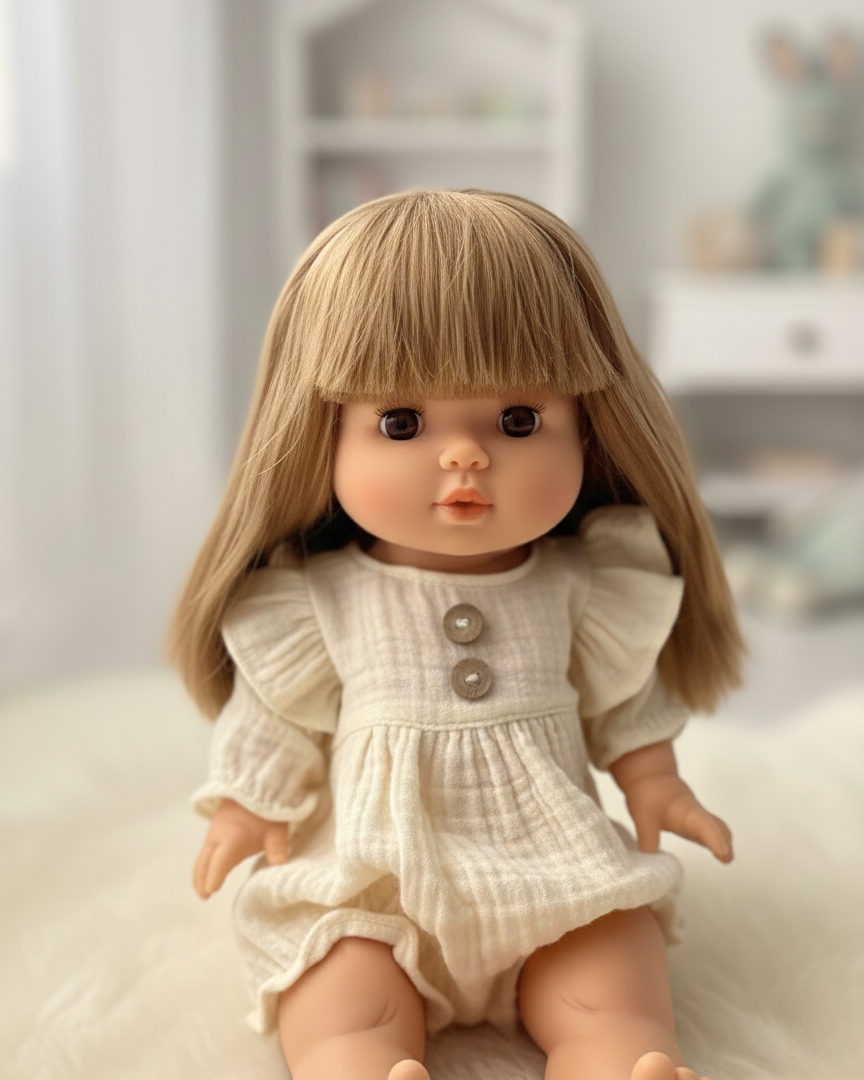
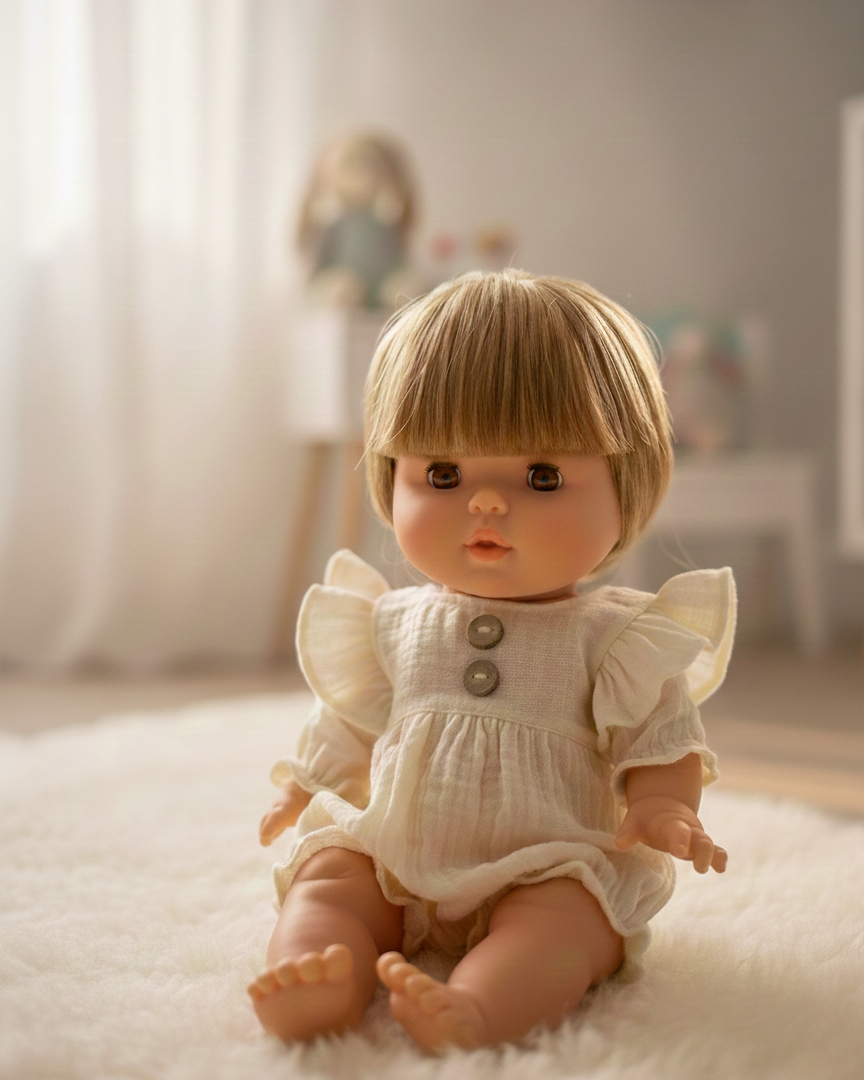
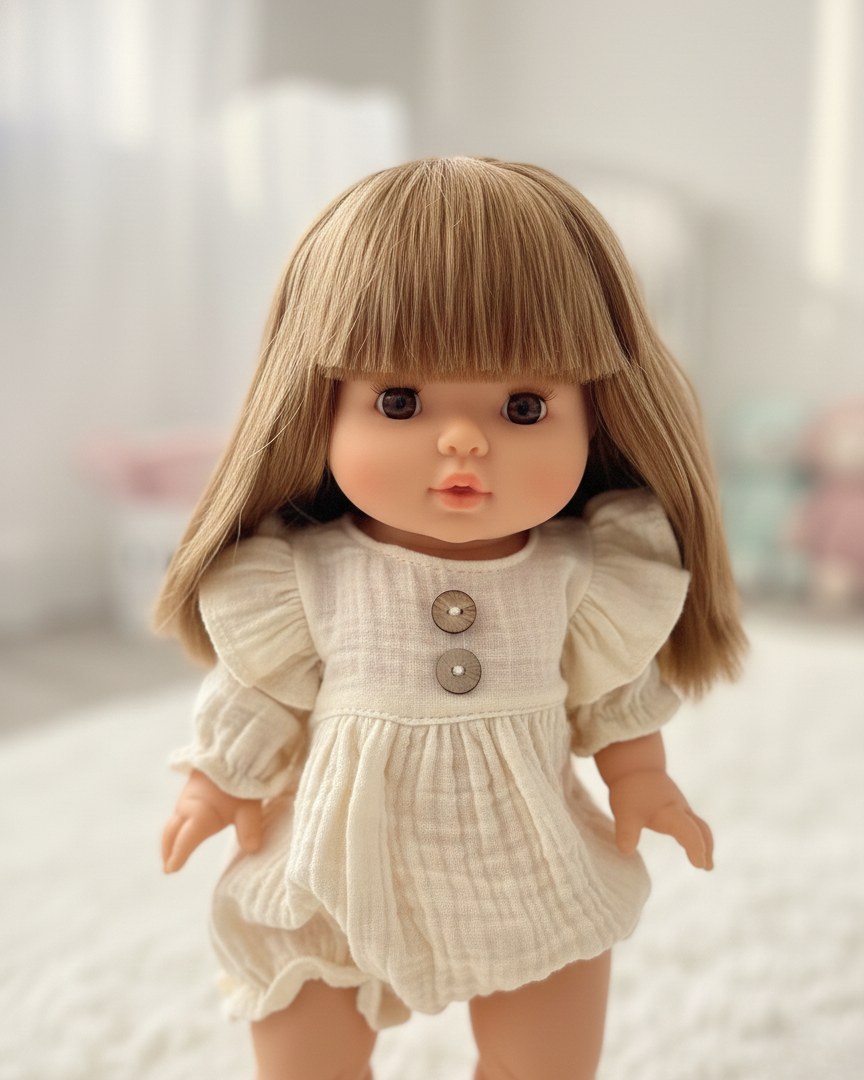
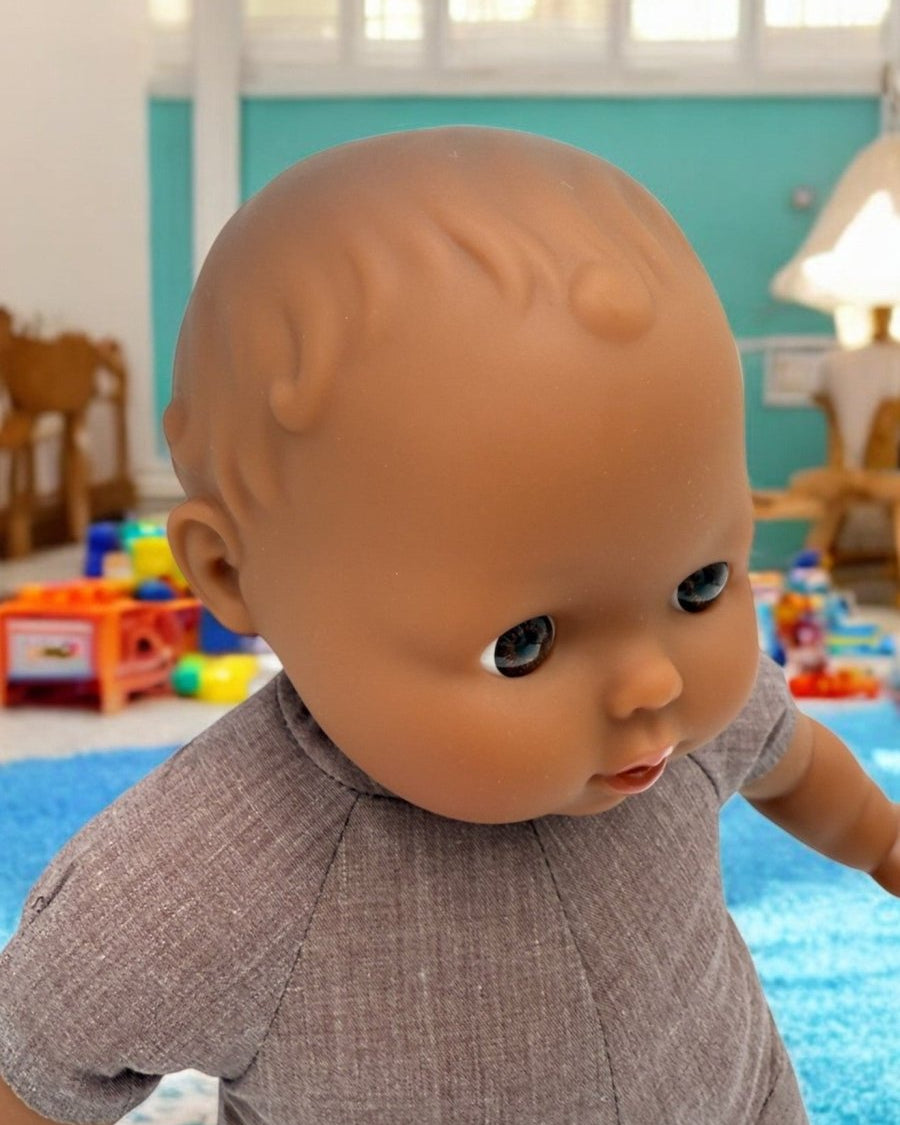
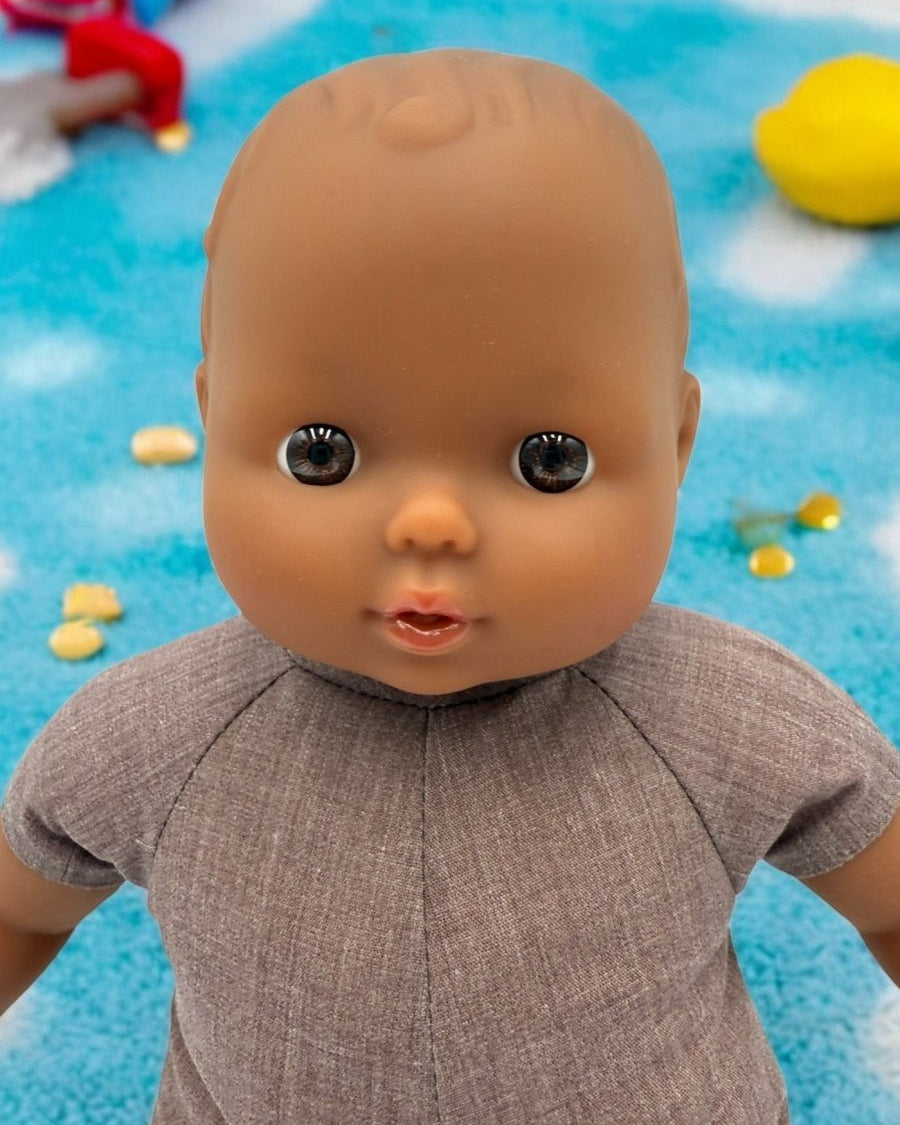
Baby dolls made from phthalate-free vinyl, handcrafted with realistic features, and designed for nurturing play. Our collection includes Minikane dolls from France and our own line of unscented Bebenita dolls - two trusted lines with a range of sizes, skin tones, and styles. Every doll is designed to be played with, cared for, and passed down.
★ Two Spanish-made premium doll lines: Minikane and Bebenita
★ Phthalate-free vinyl - soft, safe, and made for nurturing play
★ Realistic features and diverse skin tones across both lines
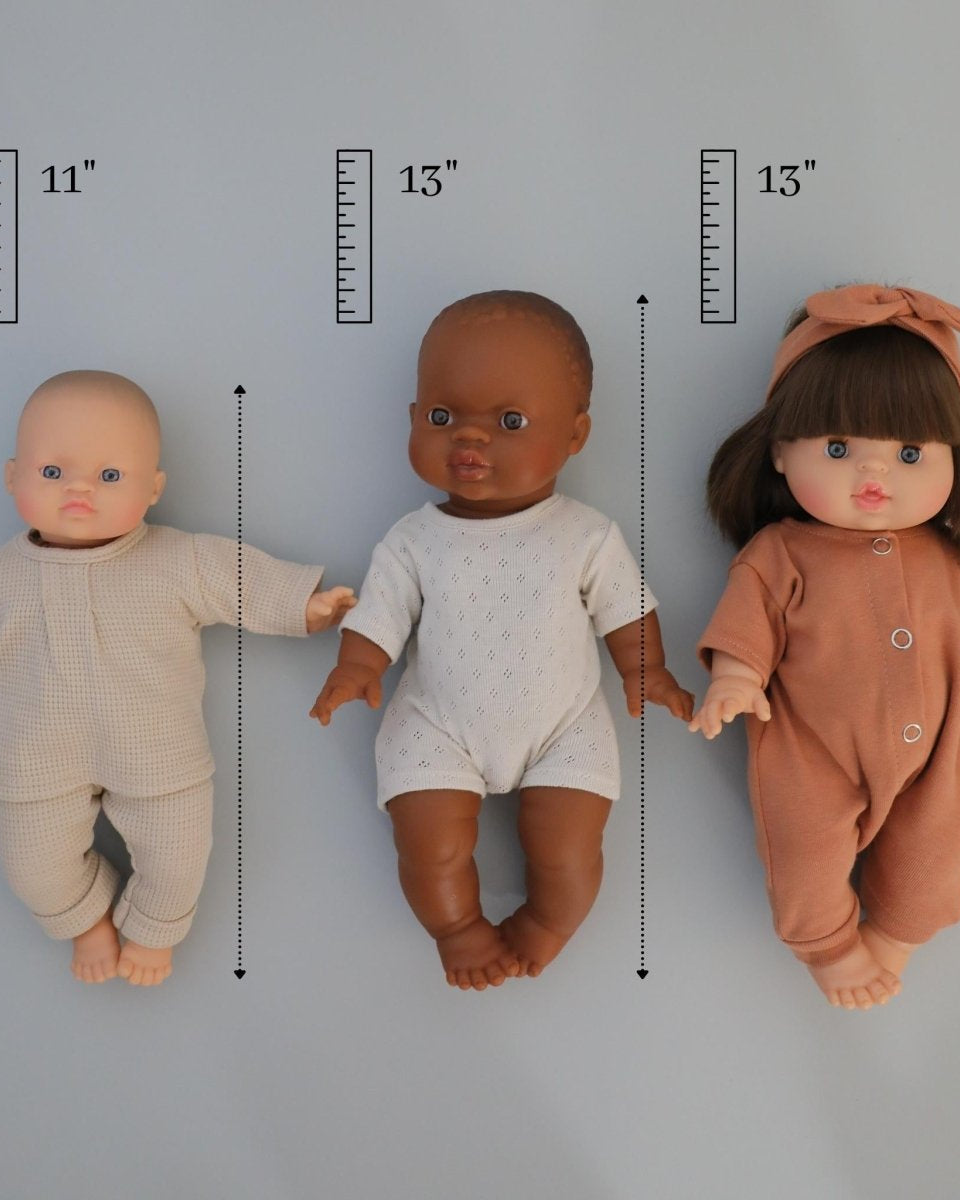
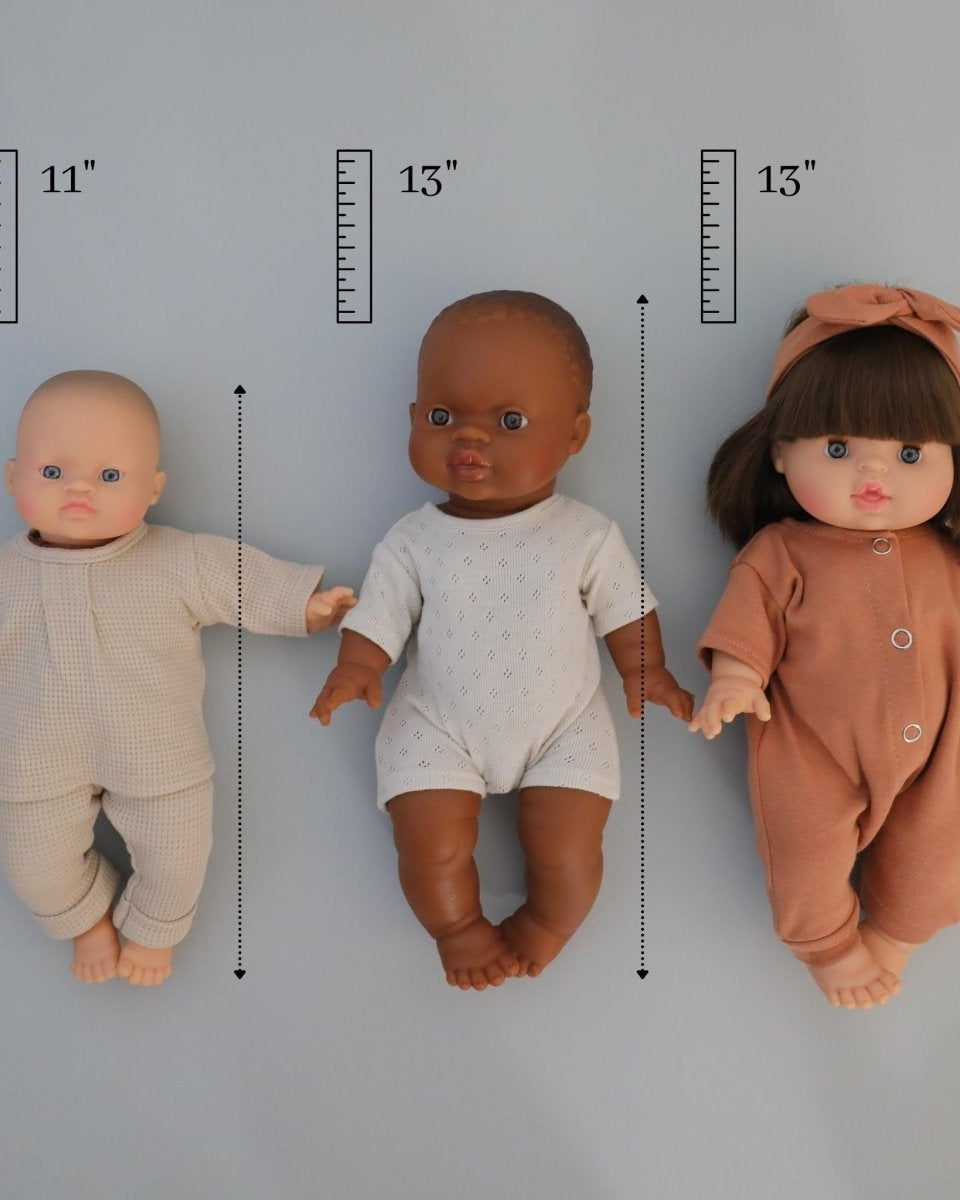
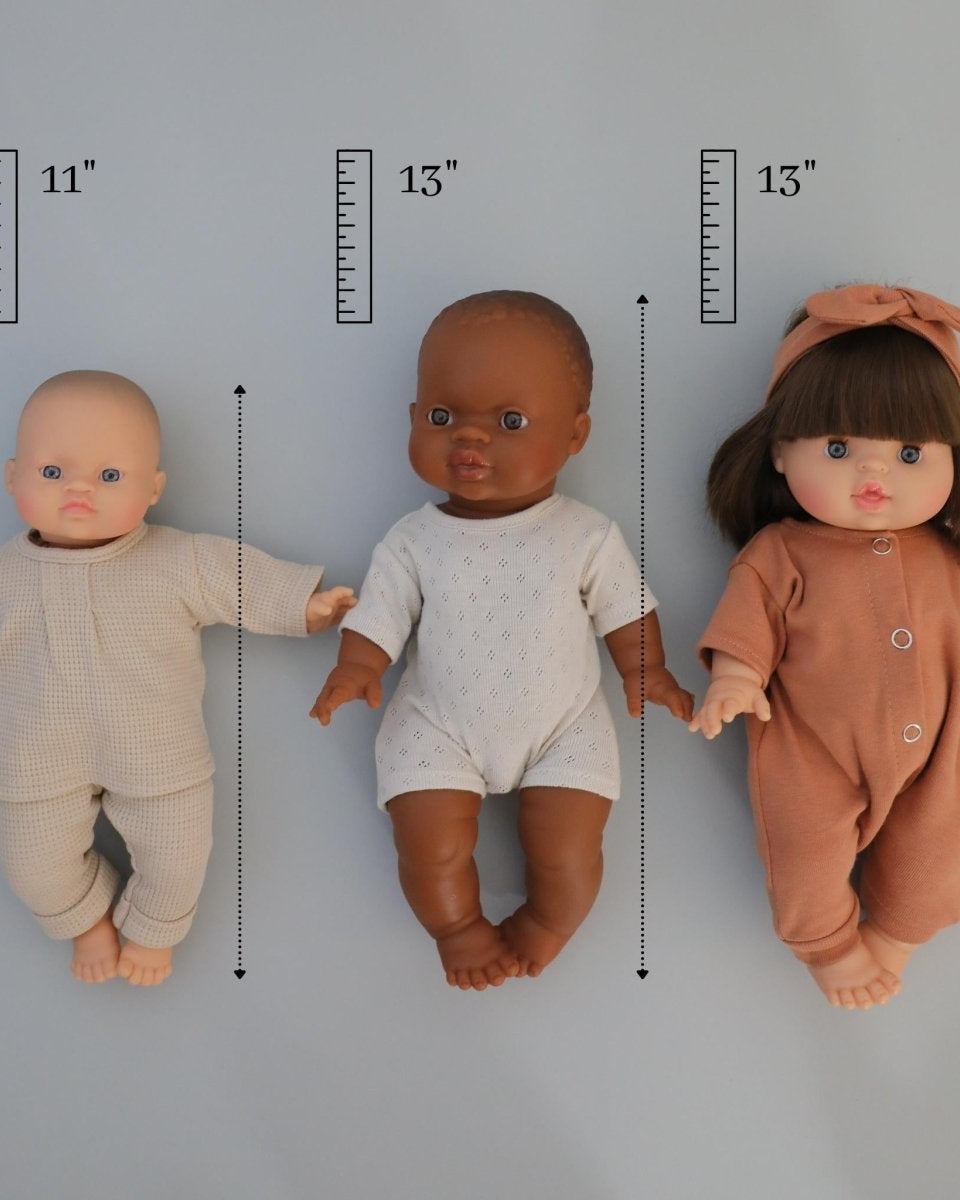
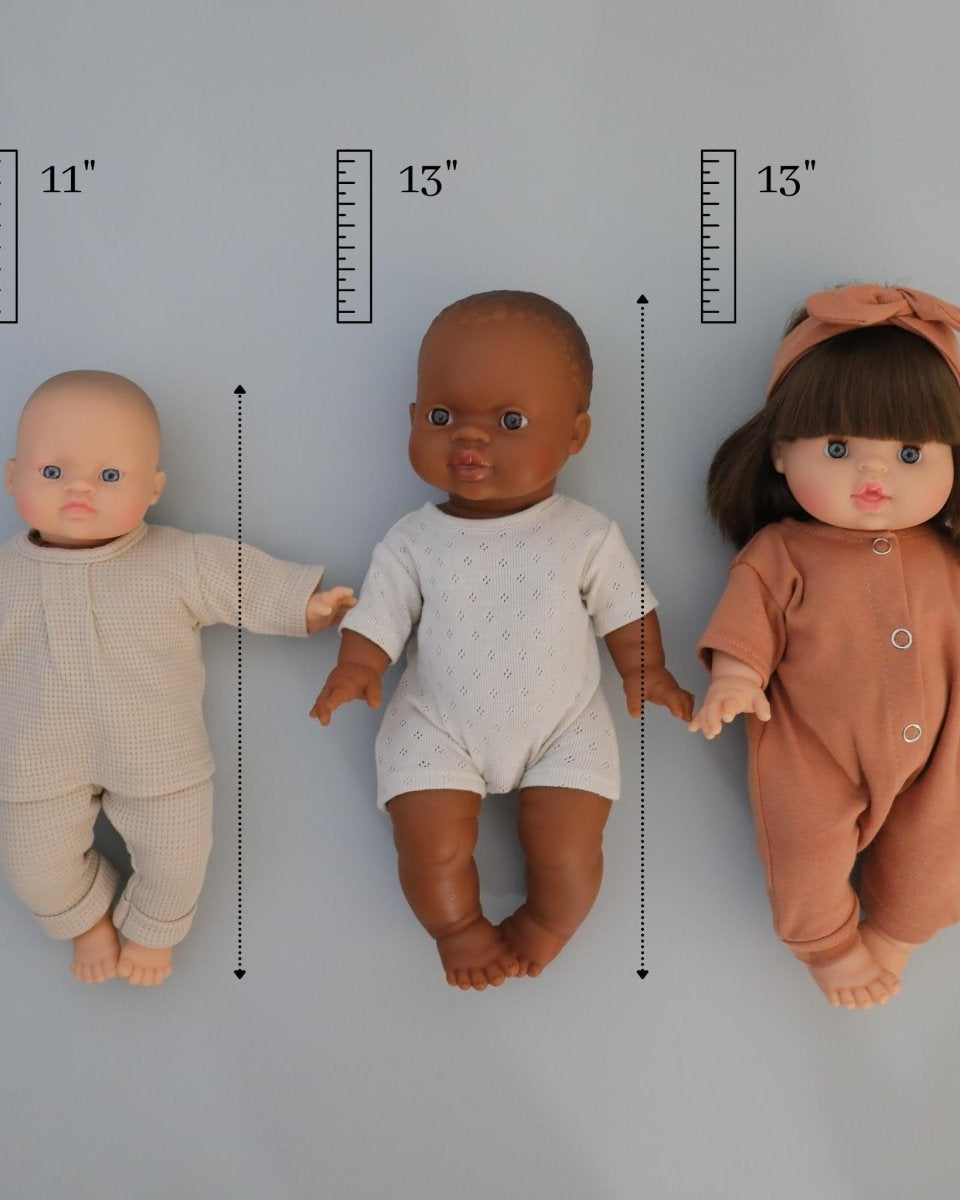
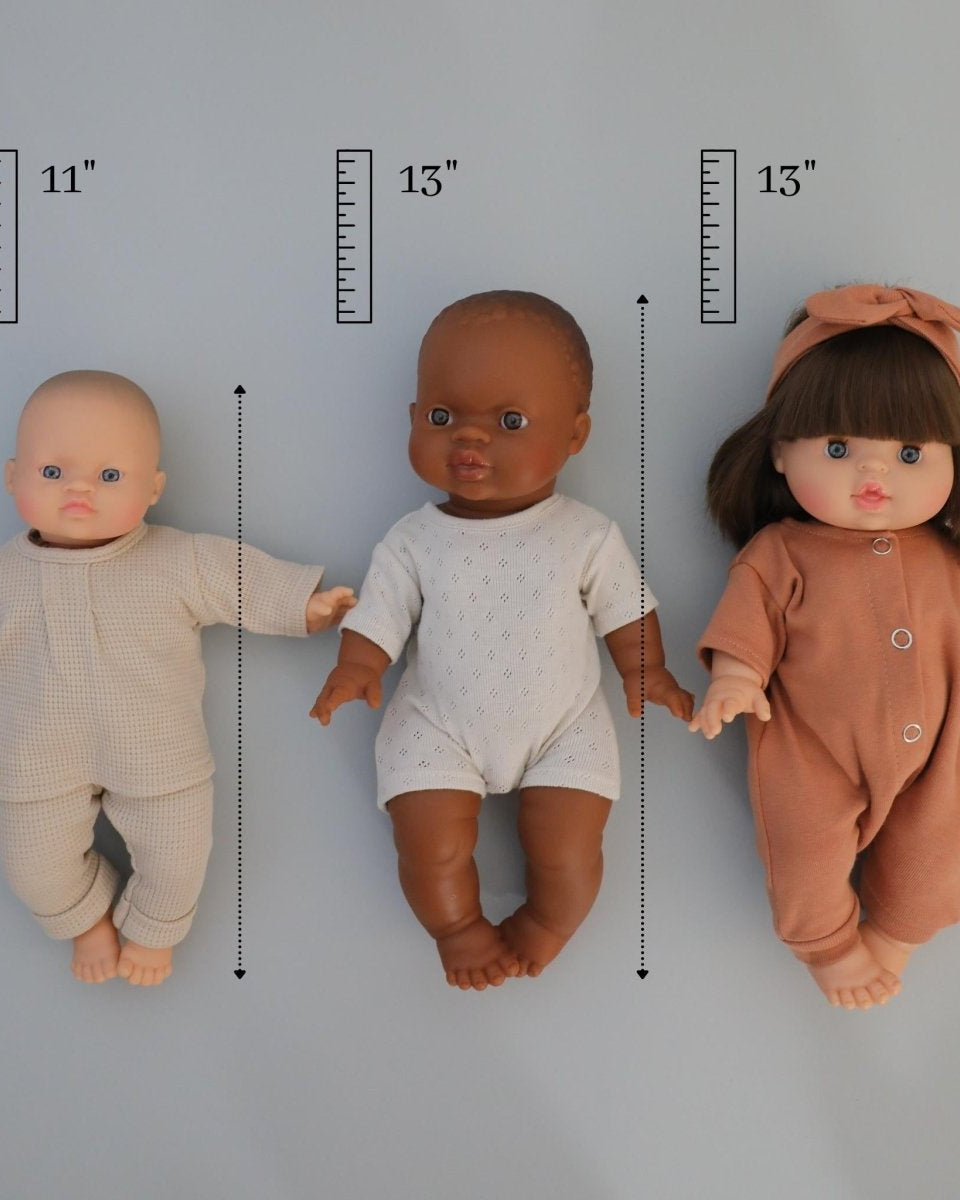
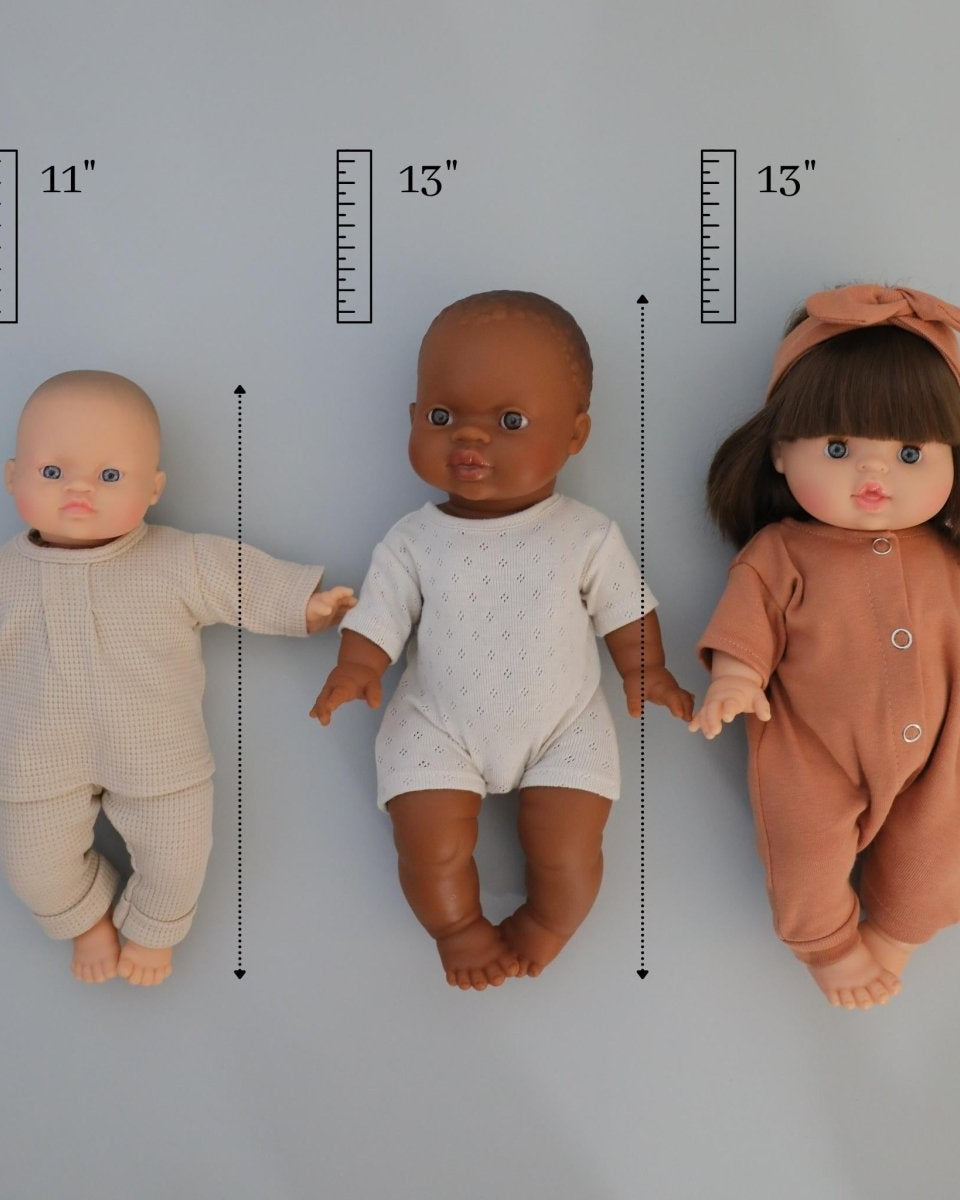
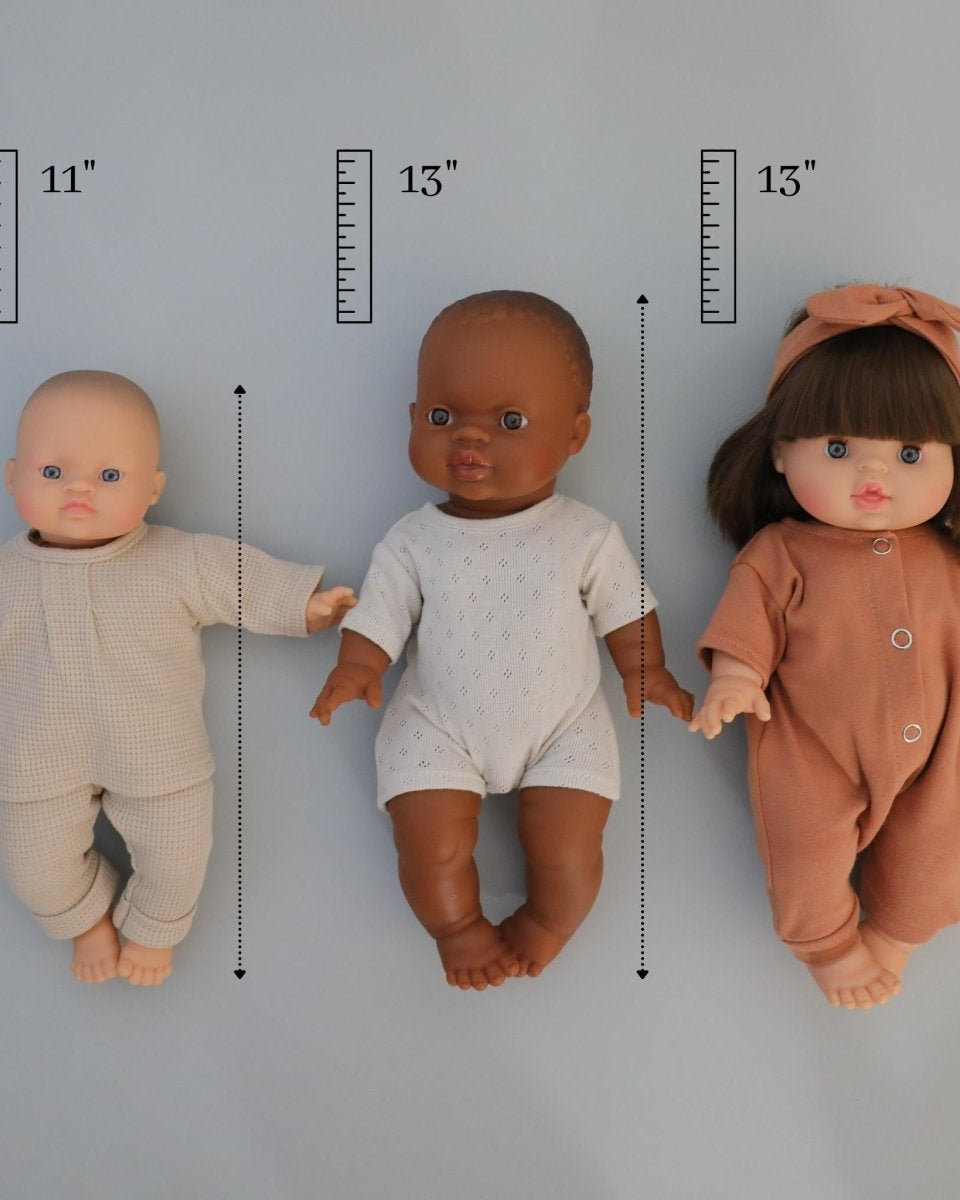
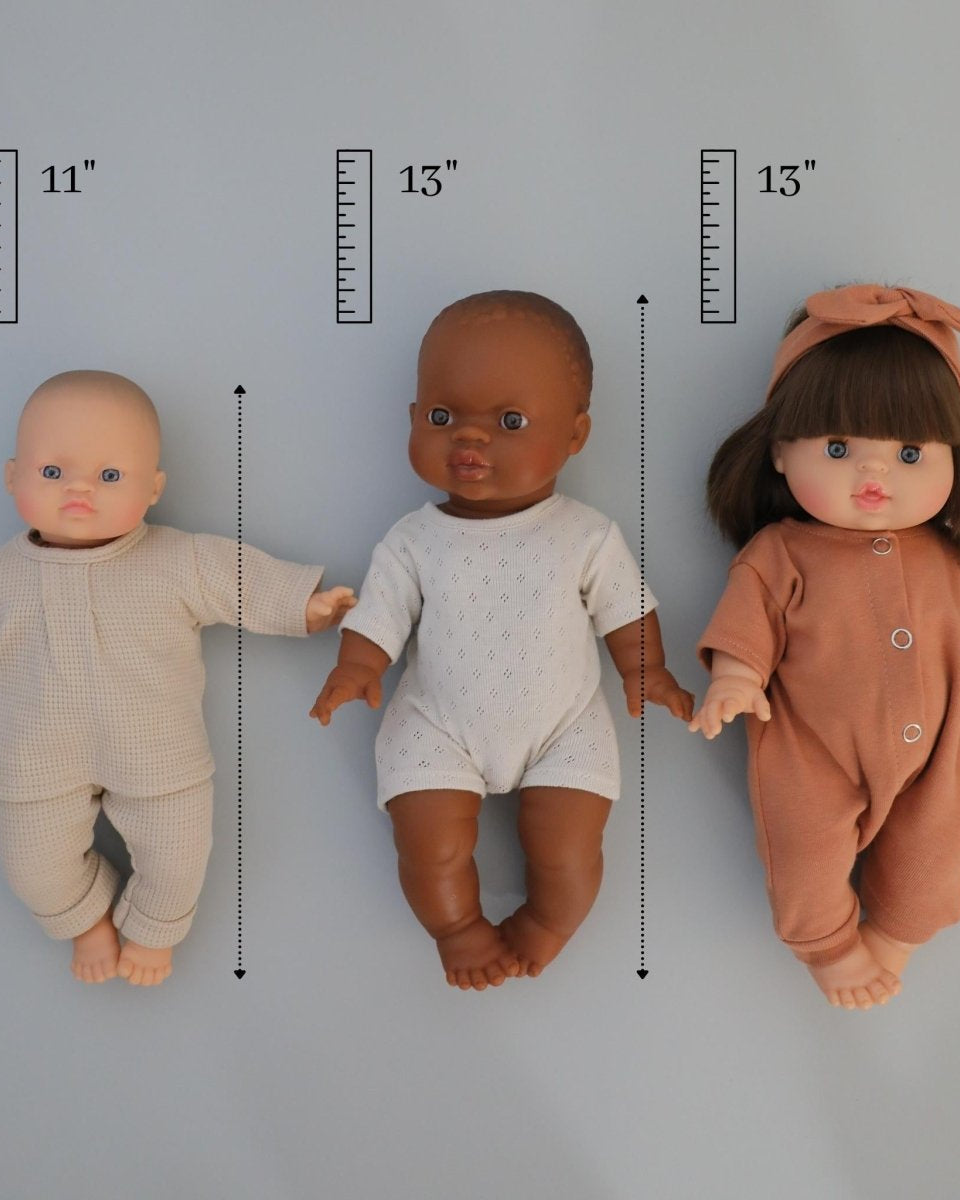
★ Sizes from 11" to 18" (a doll for every stage of childhood)

FAQs
When can a baby start playing with a doll?
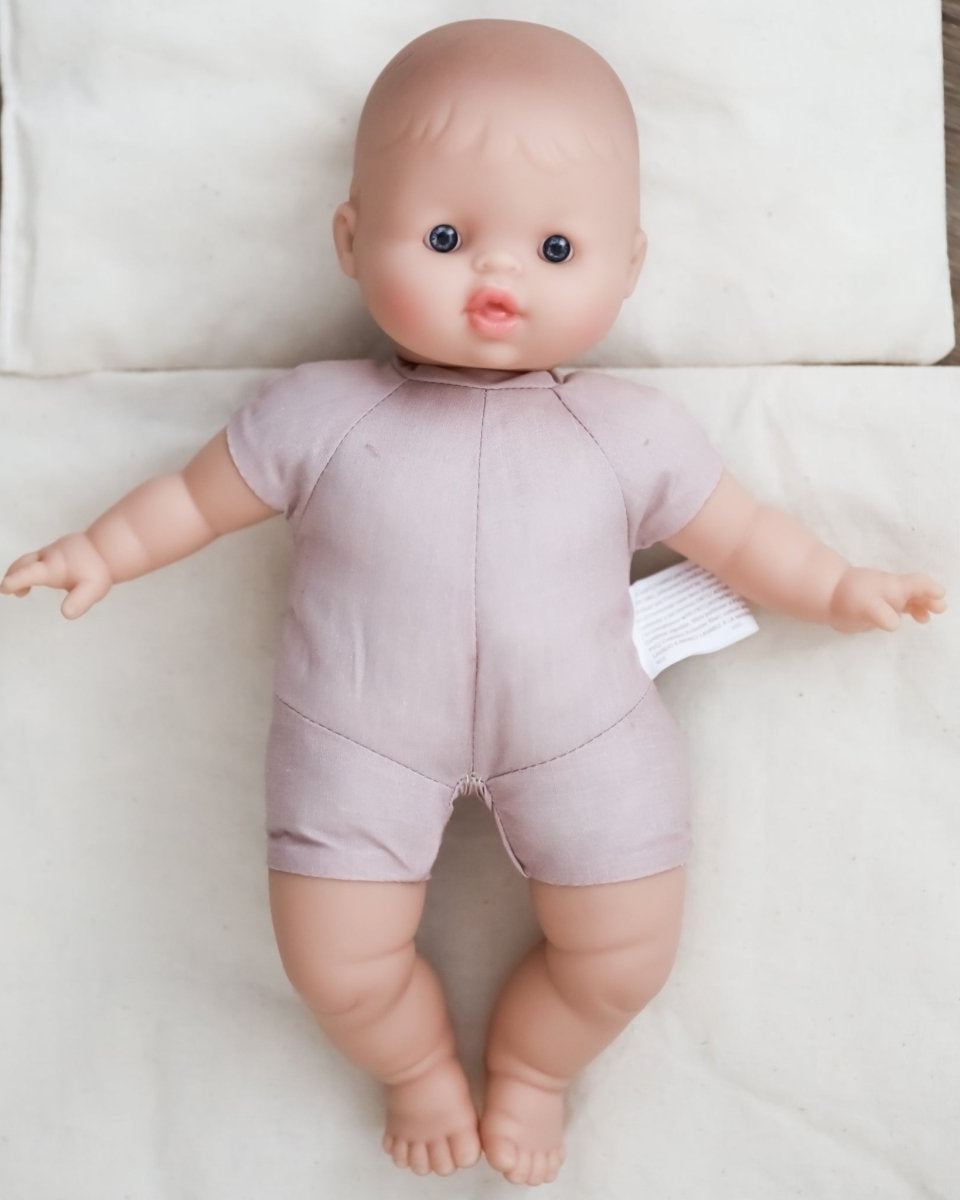
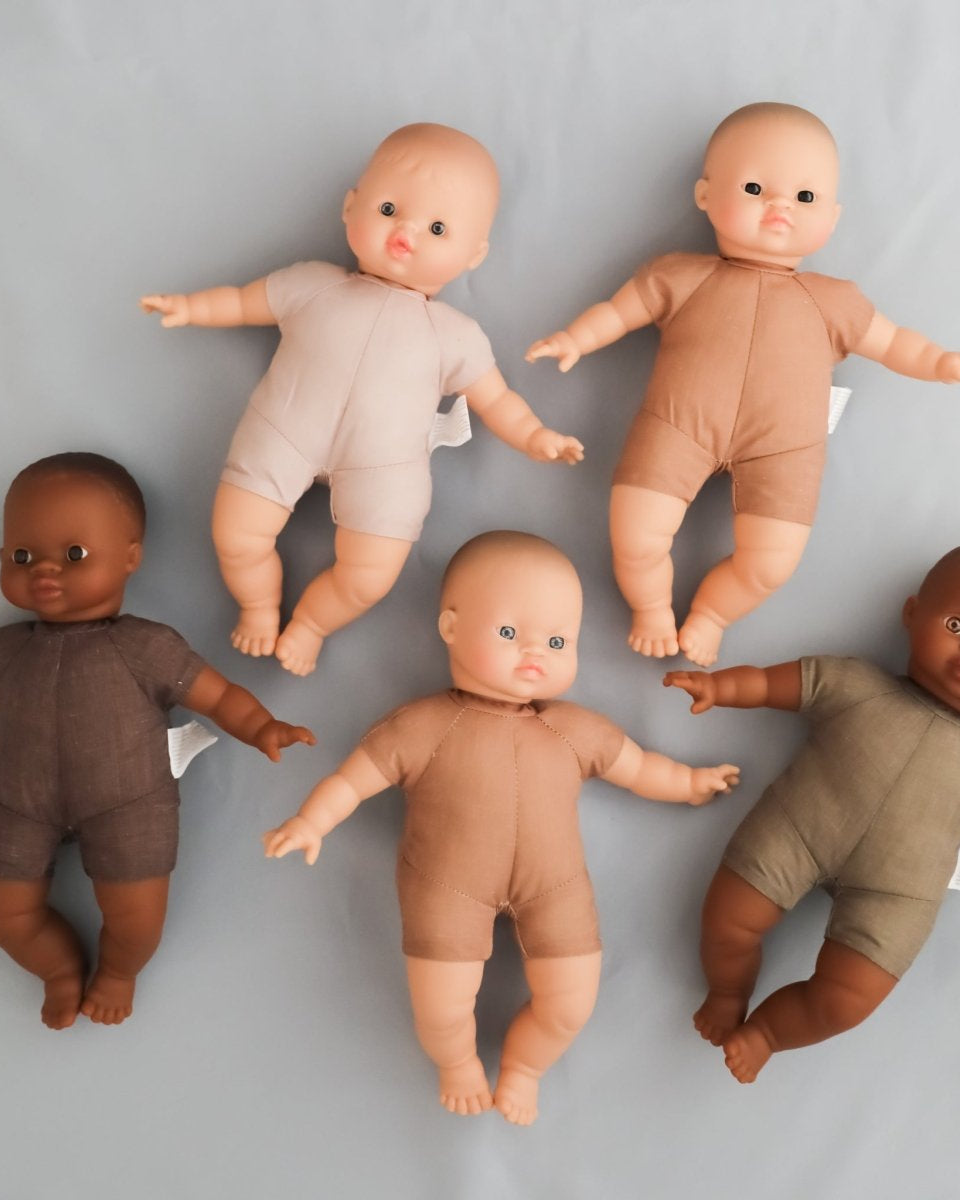
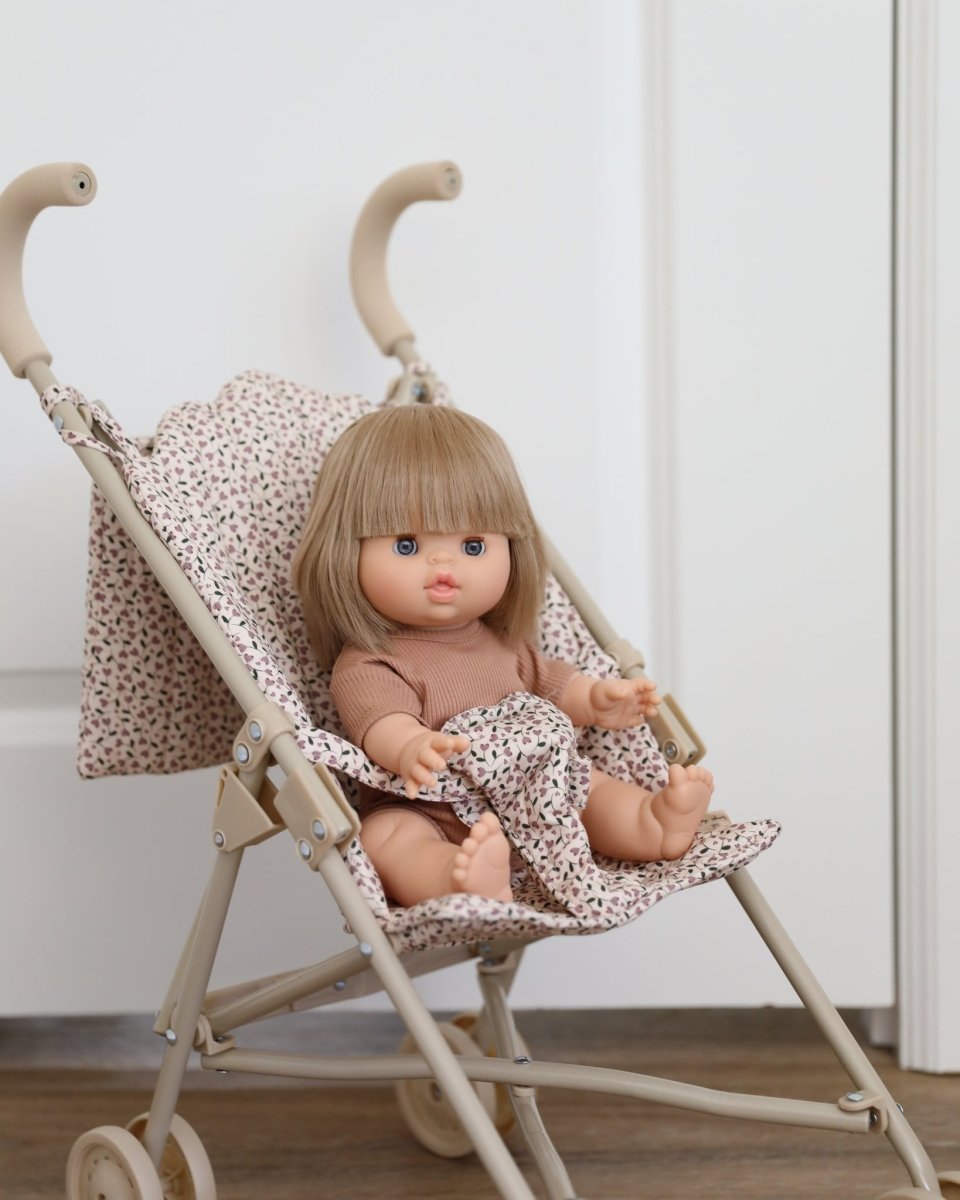
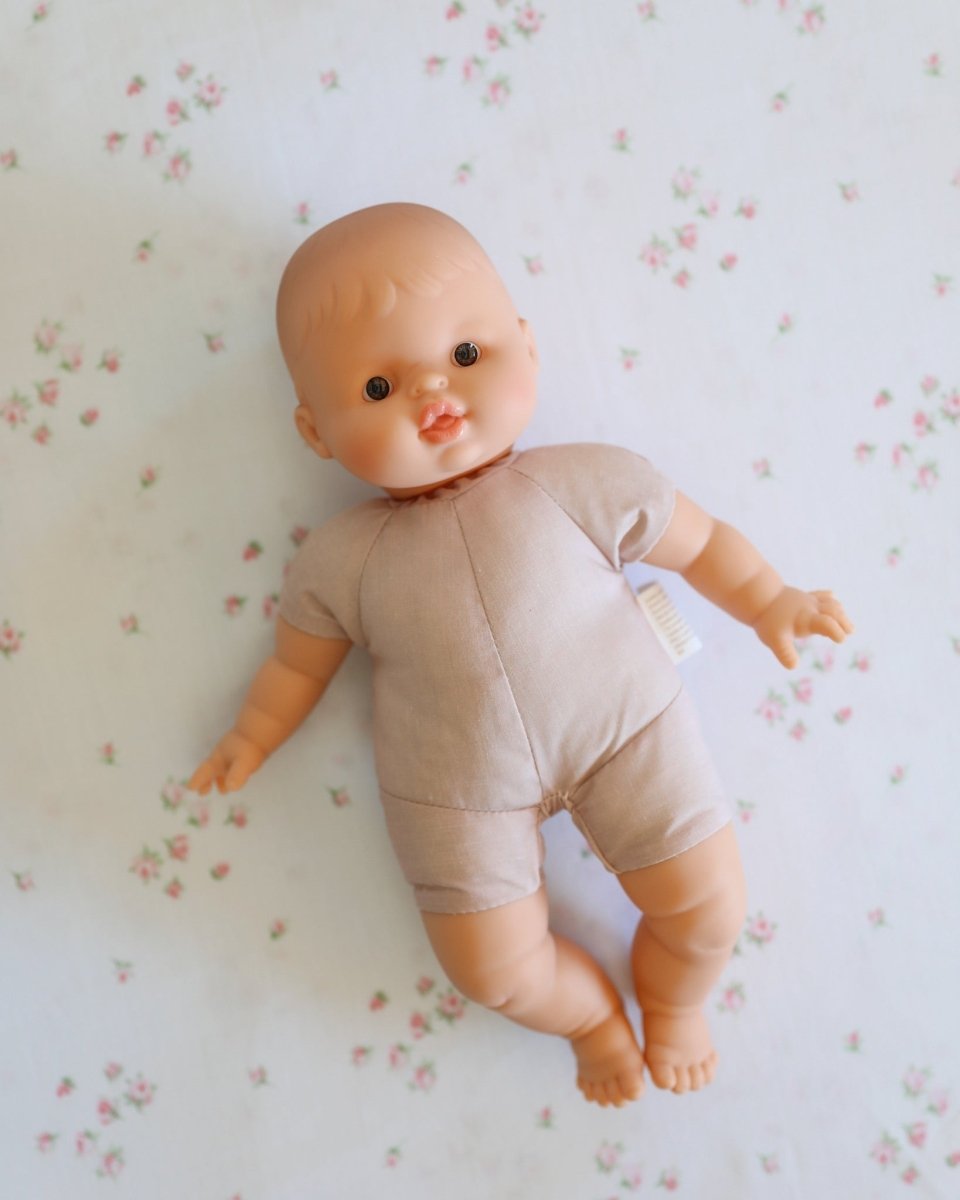
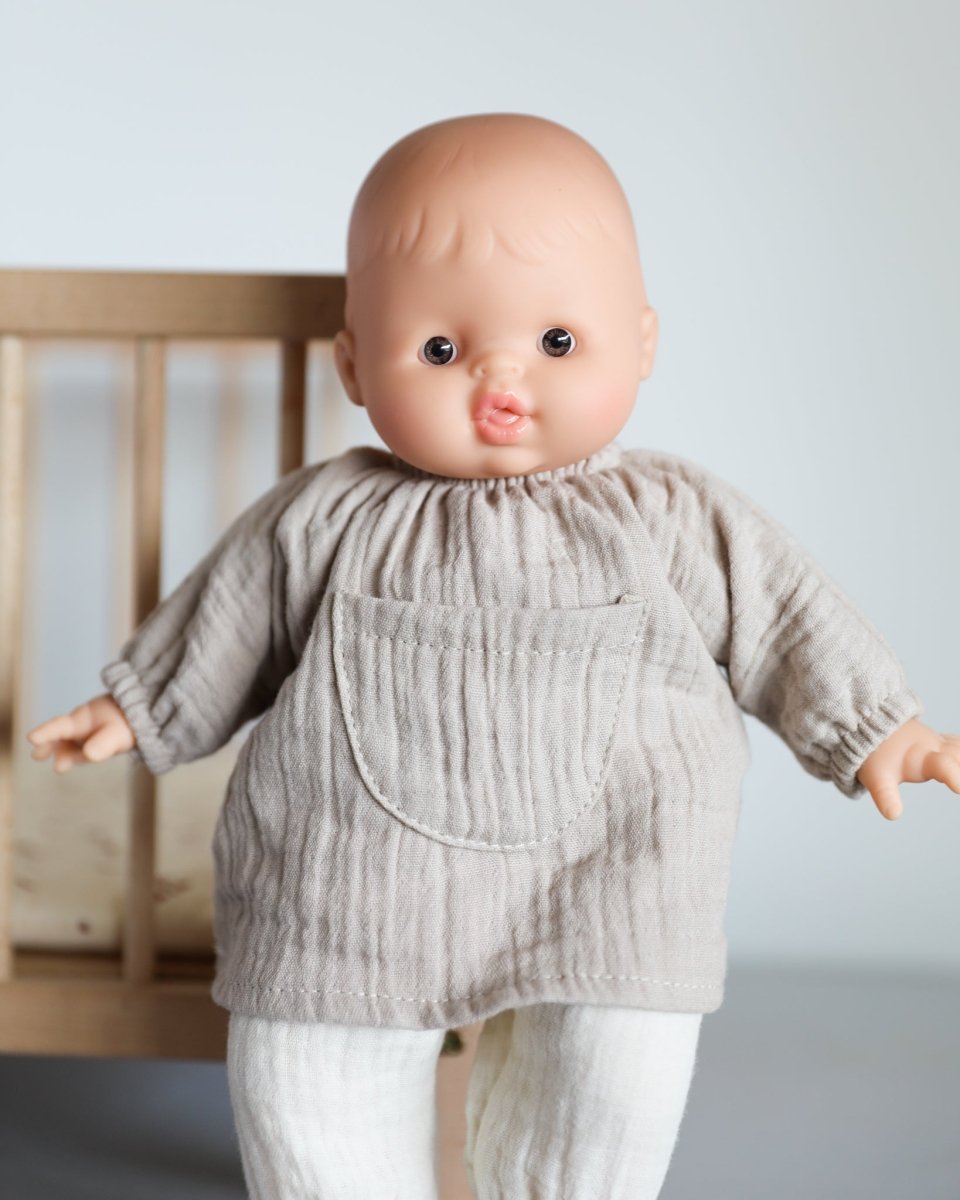
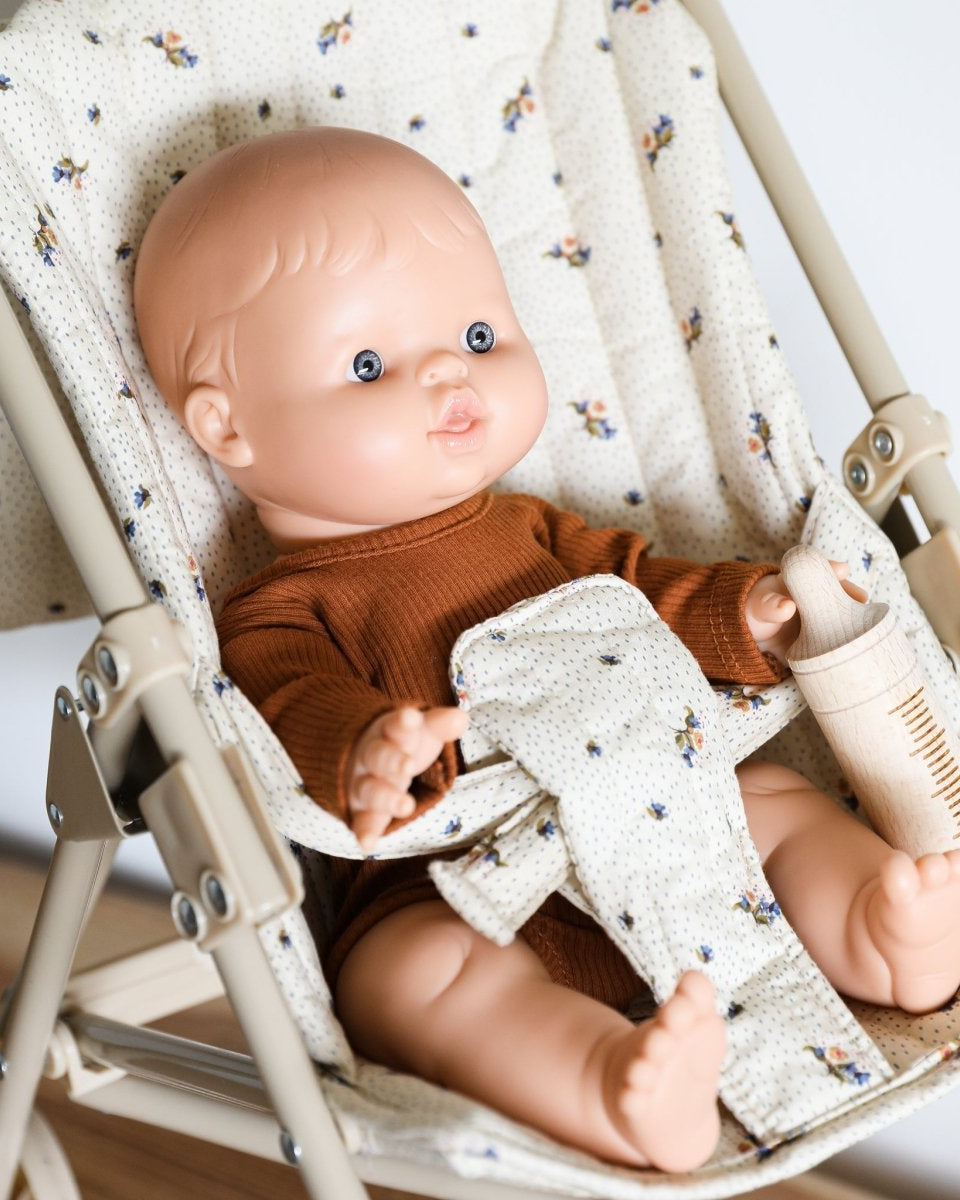
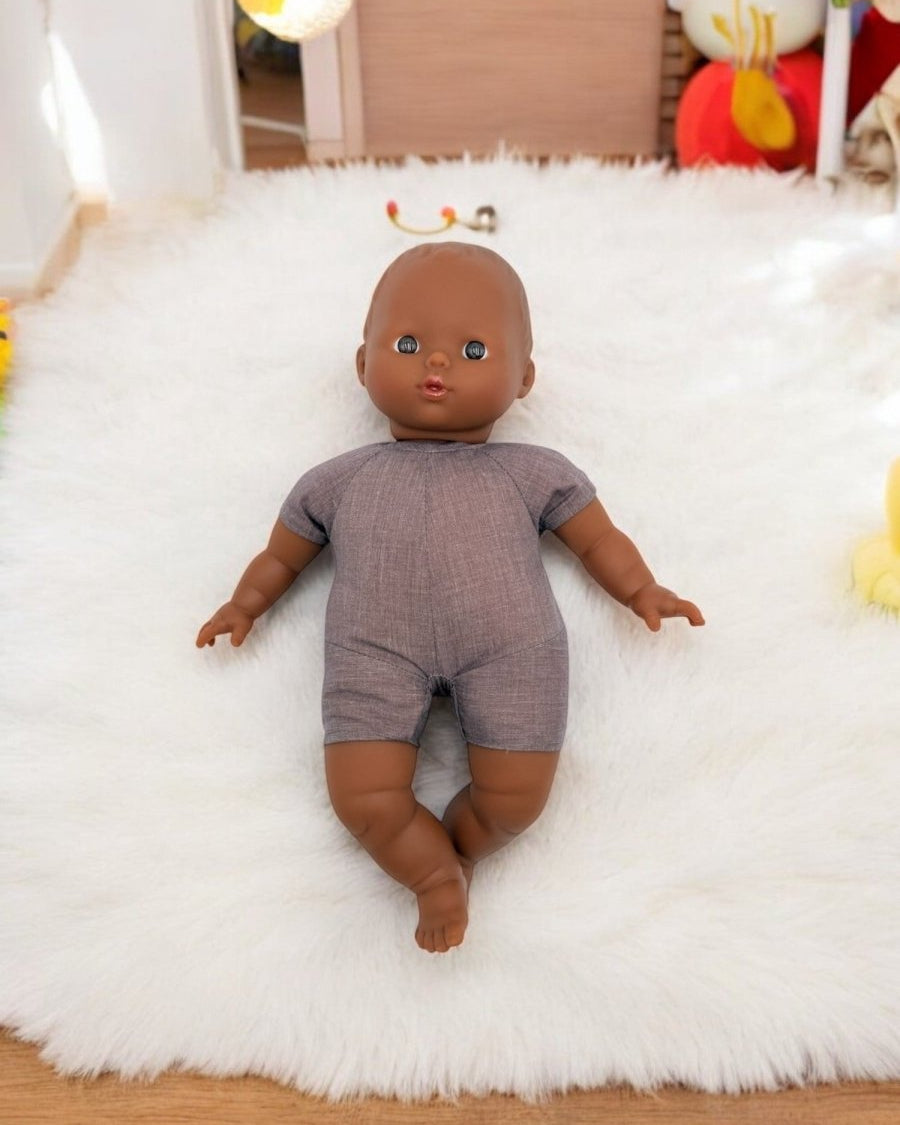
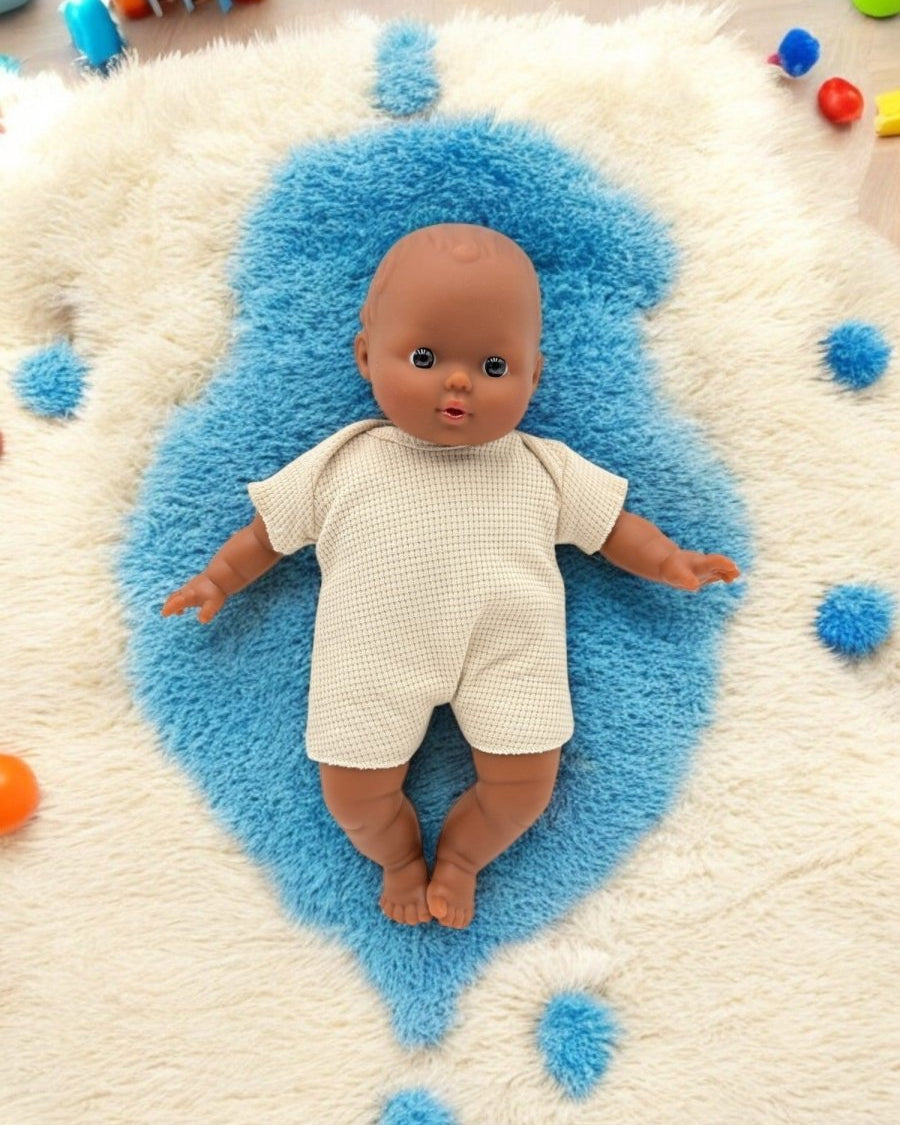
Most babies become interested in dolls between 6 and 9 months, when they start noticing faces, features, and soft objects they can hold and bring close. At this stage, a soft body doll like our 11" Minikane is ideal — it's lightweight, safe to mouth, and gentle enough to sleep with. Around 12 to 18 months, babies start showing real nurturing behaviors: hugging the doll, patting it, offering it bites of food. By age 2, most toddlers are ready for a larger doll like our 13" Minikane or Bebenita, which they can push in strollers, carry in carriers, and build caregiving routines around. There's no single right age — follow your child's interest.
What's the difference between Minikane and Bebenita dolls?
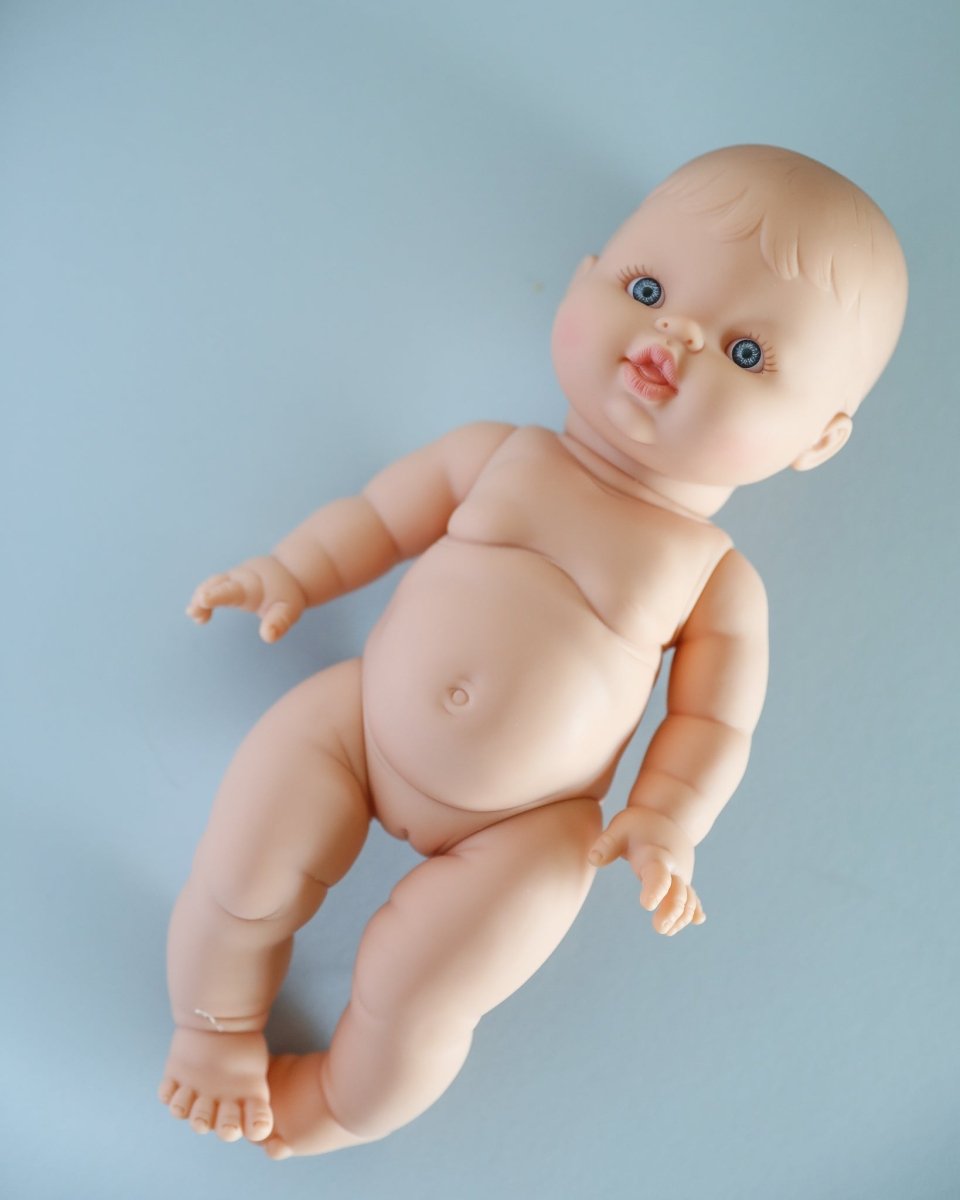
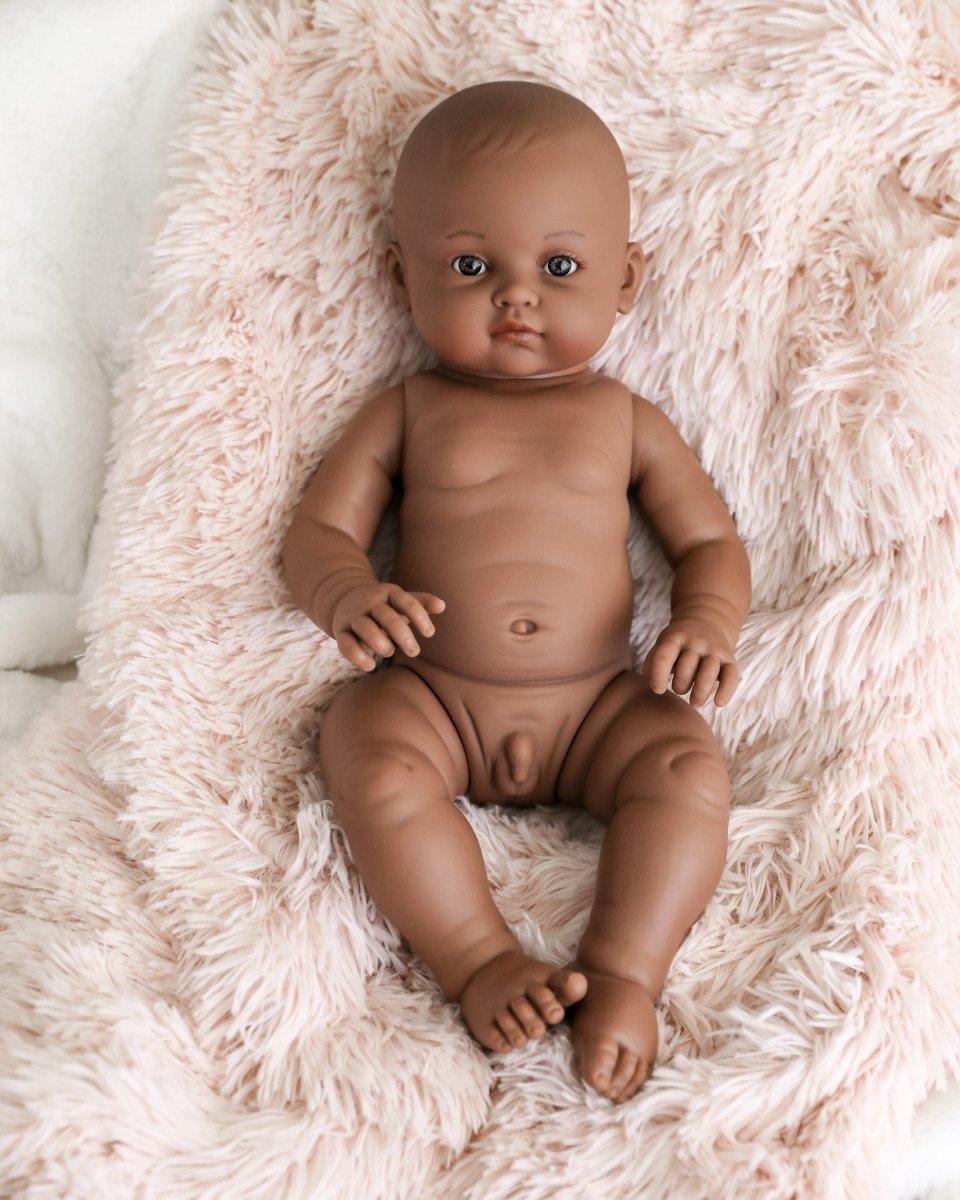
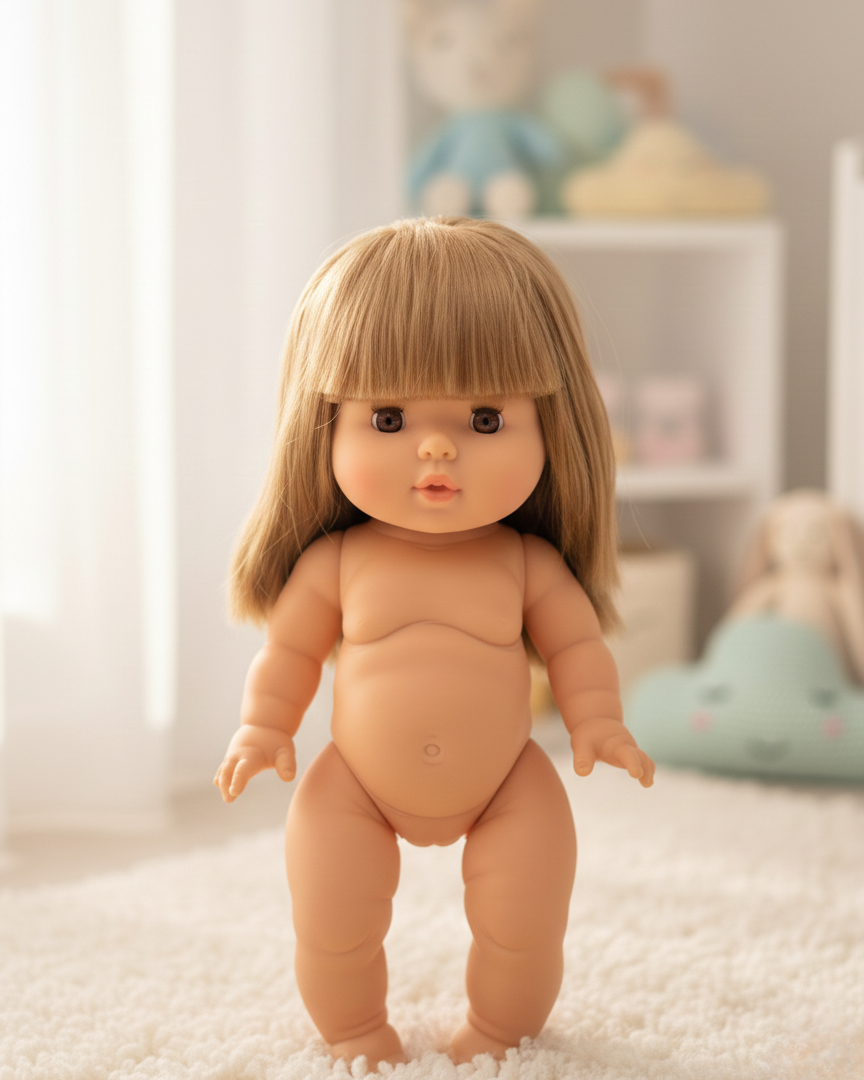
Both brands use the same phthalate-free vinyl, so the core materials are equivalent. The differences come down to origin, scent, pricing, and how the doll arrives. Minikane is a French doll brand with decades of history and a loyal following — each doll is handcrafted in Spain with hand-painted features and a subtle vanilla scent mixed into the vinyl. Minikane dolls are sold without clothes, which lets you build a wardrobe from our separate doll clothing collection. Bebenita is our own private label, created to answer customer requests for an unscented doll at a more accessible price point. Bebenita dolls are also handcrafted in Spain, come fully clothed and ready to play, are completely fragrance-free, and offer a different set of facial features. Most families who own both tell us they serve different purposes — Minikane for the collector feel, Bebenita for the everyday workhorse doll.
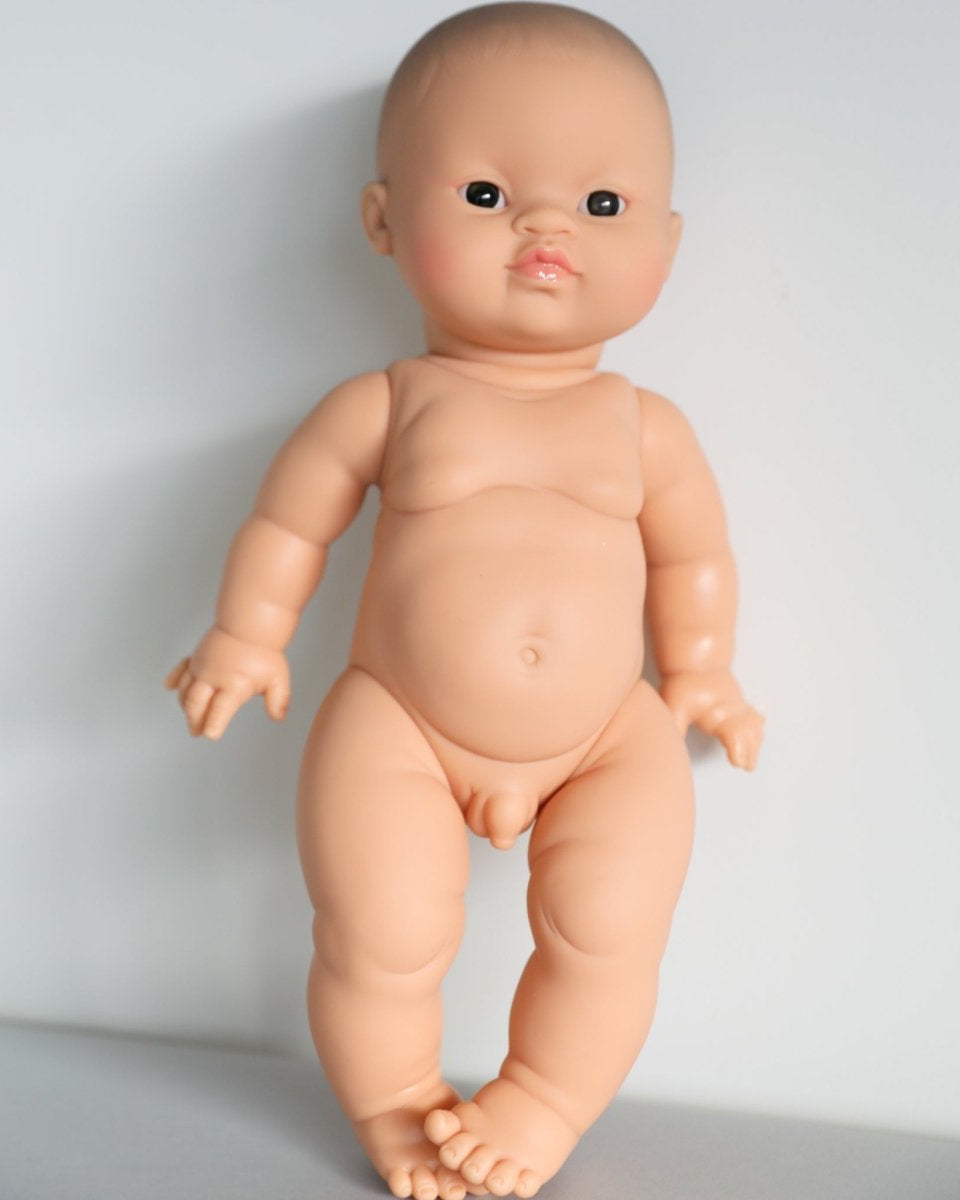
Are your baby dolls anatomically correct?
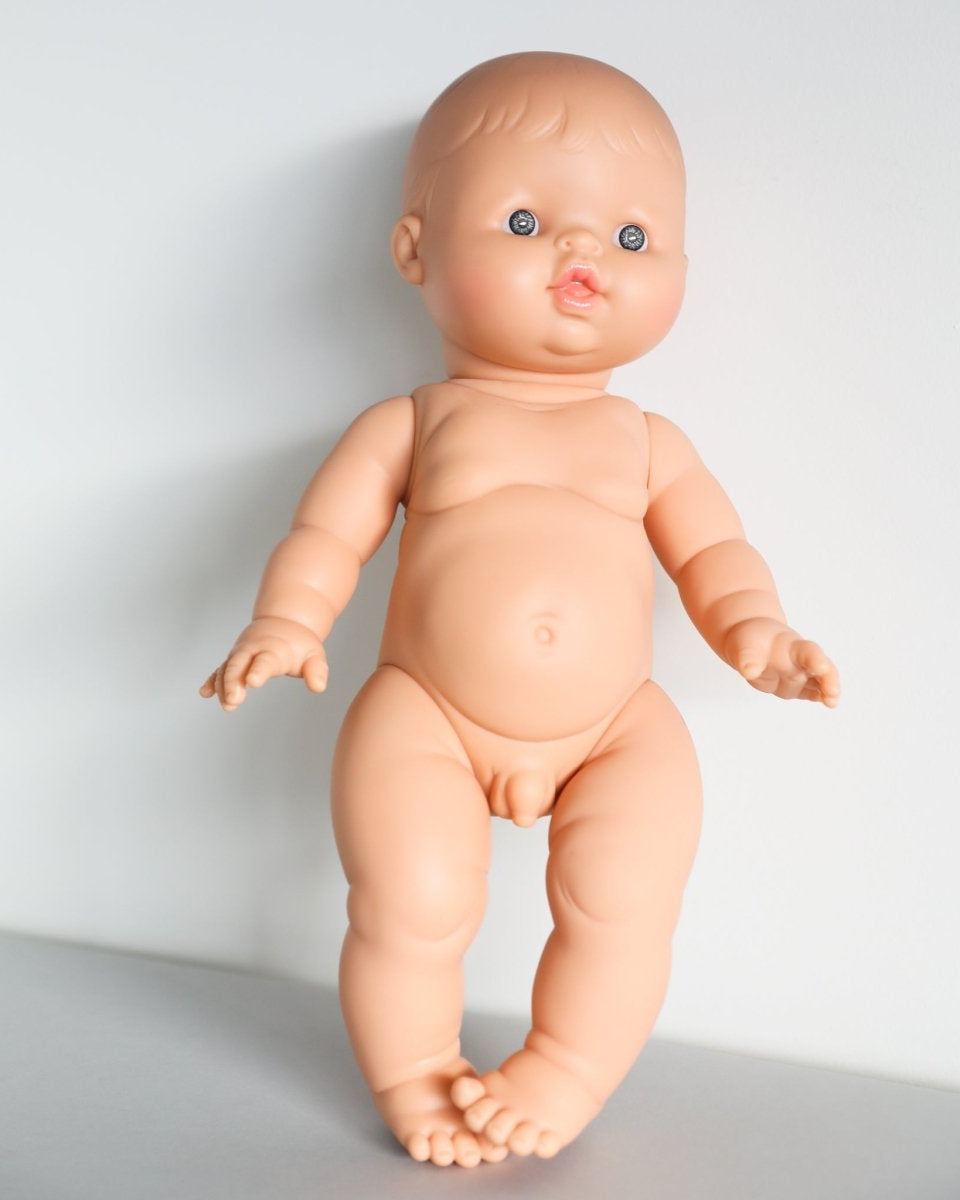
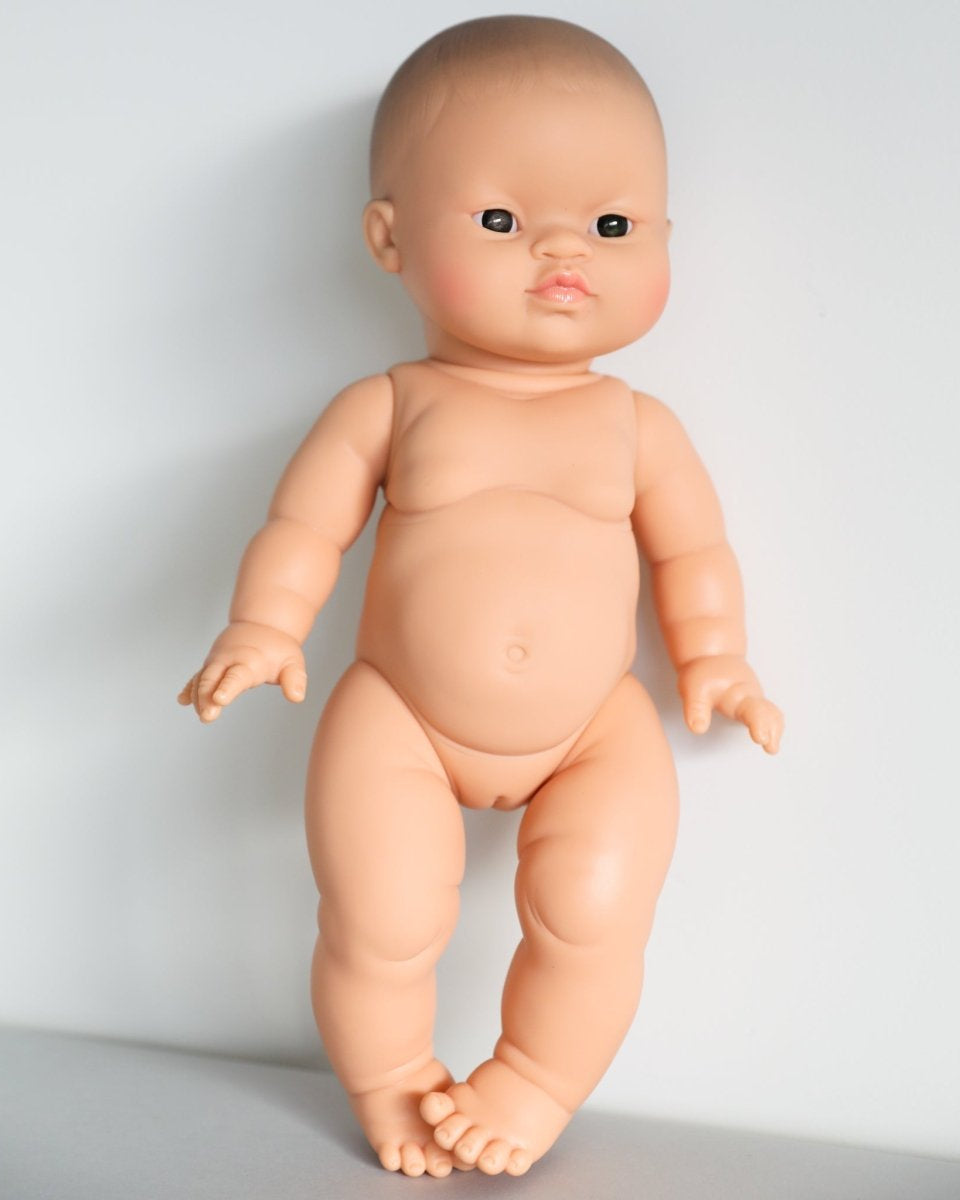
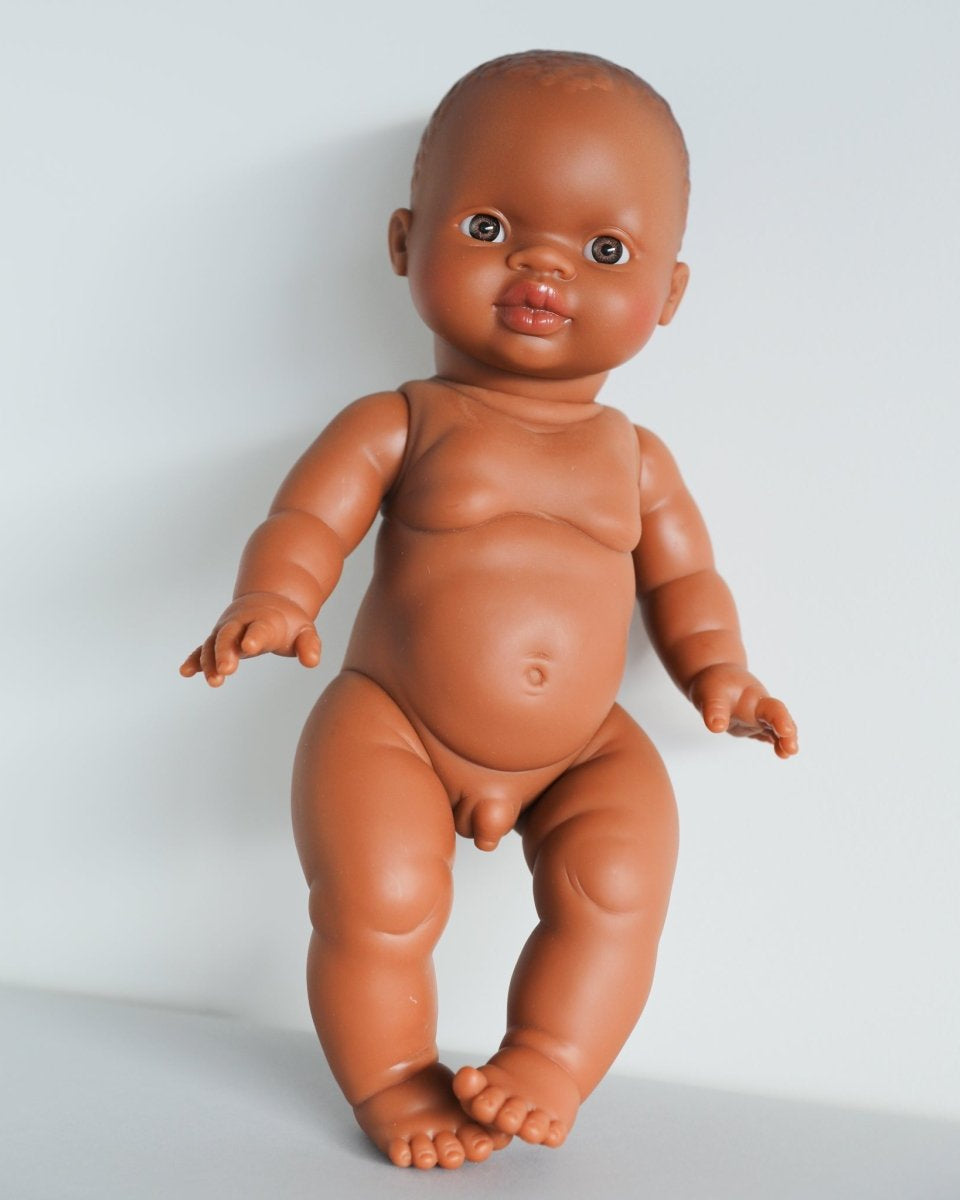
All Minikane dolls are anatomically correct, which is part of why parents choose them — children benefit from understanding that bodies have names and parts, and anatomically correct dolls make those conversations feel natural rather than avoided. Most Bebenita dolls are also anatomically correct, though a few styles in the line are not. If anatomical accuracy matters for your family's approach, check the individual product descriptions before buying, or reach out to us and we'll point you to the dolls that fit what you're looking for.
How do I safely clean a vinyl baby doll?
For everyday dirt and marks, a damp cloth with mild soap handles most cleanup. Avoid abrasive cleaners, bleach, and alcohol-based products — they can damage the paint and surface finish. For stubborn stains on vinyl, a paste of baking soda and water works well: apply gently with a soft cloth, let it sit for a minute, then rinse. On the question of baths: our baby dolls aren't designed to be submerged in water. Light splashes during bath time won't hurt them, but fully submerging the doll can allow water to seep in through seams or joints, which can lead to mildew inside the body if it doesn't dry completely. Spot cleaning is the safer approach. The 11" Minikane soft body dolls should never be submerged — the cloth body stains easily and can hold moisture. For those, a damp cloth for spot cleaning is all you need.
Do baby dolls actually help children build empathy?
Yes, and this isn't a marketing claim — it's well-documented in child development research. When a child cares for a doll, they're rehearsing the caregiving they receive from the adults in their life. Feeding, rocking, comforting, and putting a doll to bed helps children internalize the patterns of nurturing, which builds empathy, emotional regulation, and the ability to imagine what someone else might be feeling. Doll play is also one of the few forms of play where children can practice caregiving from the giver's perspective rather than the receiver's, which is developmentally important.
Do you carry baby dolls in different skin tones?
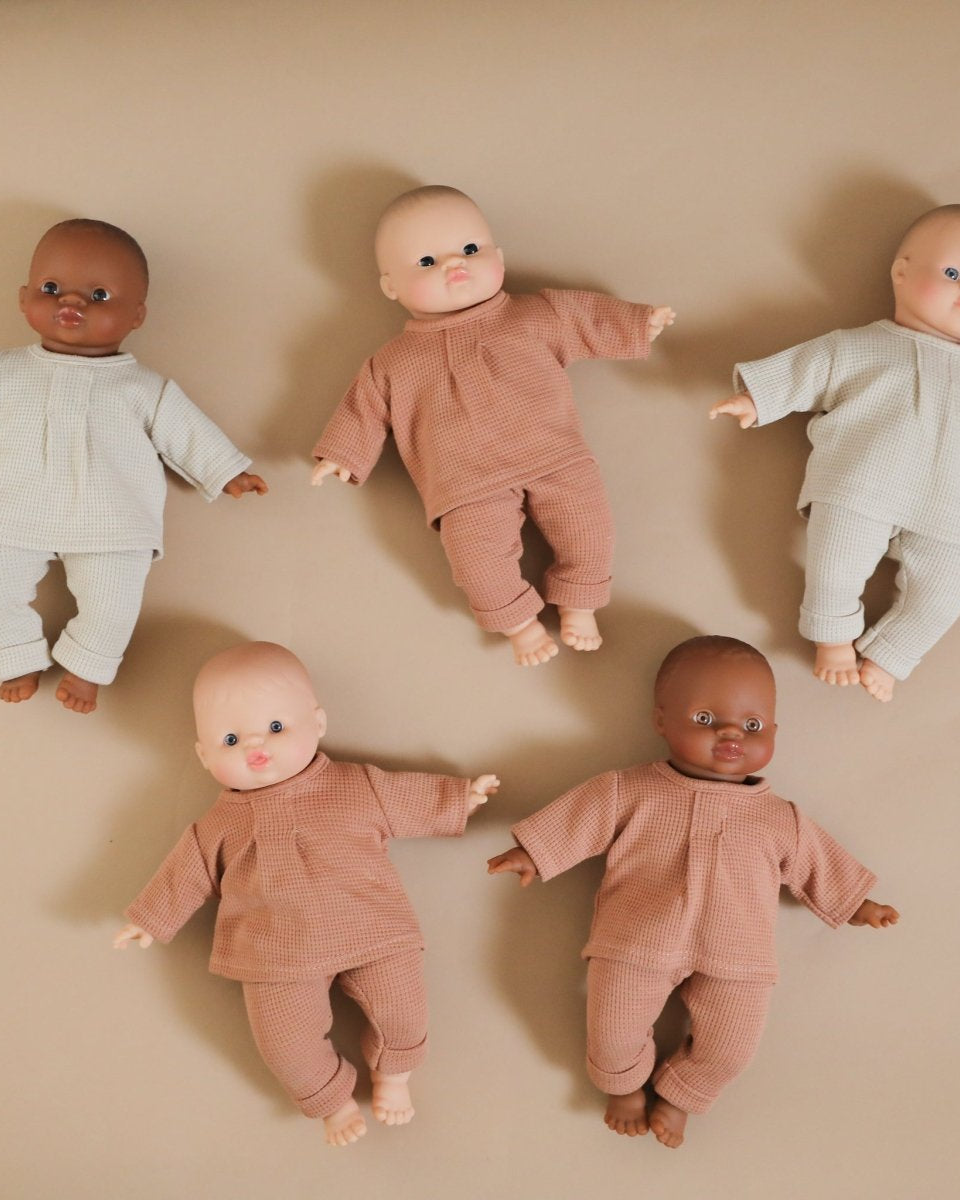
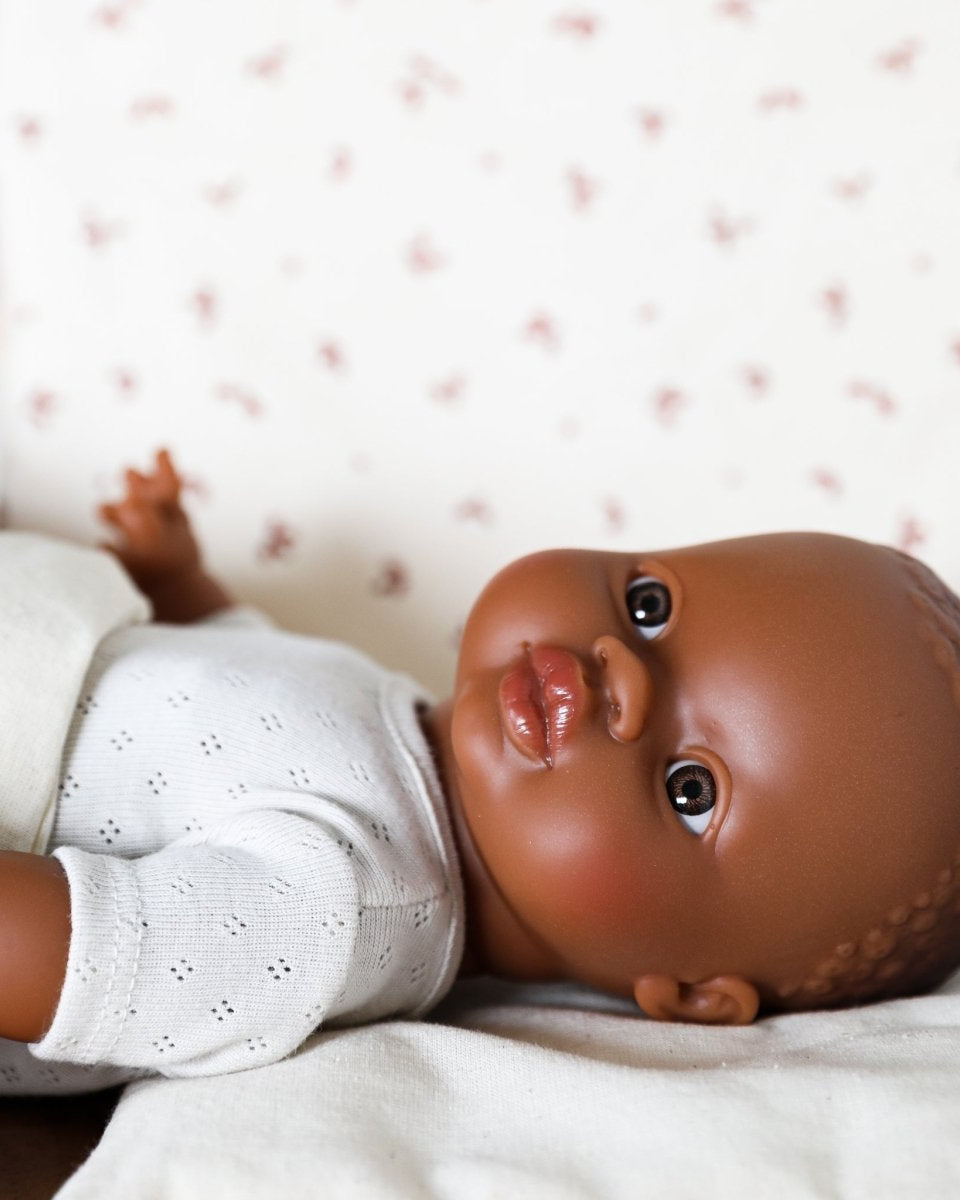
Yes. Both Minikane and Bebenita offer dolls in a range of skin tones, hair colors, and facial features. Representation matters in doll play — children benefit from seeing their own appearance reflected in their toys, and they also benefit from playing with dolls that look different from them. Both are developmentally valuable. We intentionally carry the full range across both brands so families can choose what feels right for them, whether that means matching their child's appearance, reflecting their community, or building a collection that represents a broader range of people.
Are baby dolls worth the price?
It depends on how long the doll lasts and how often it gets played with. A $20 doll from a big-box store might seem like a better deal until you compare it to a well-made Minikane or Bebenita doll that stays in rotation for five or more years. We regularly hear from families whose children have played with the same doll daily since toddlerhood — the vinyl body holds up, the features don't wear down under normal play, and the doll becomes a comfort object that gets genuinely loved. On a cost-per-year basis, a quality doll is almost always cheaper than repeatedly replacing a lower-quality one. That said, the real value isn't just the math — it's the quality of the play. A doll your child actually bonds with is worth more than one that sits on a shelf, regardless of the price tag.