
Montessori Toys
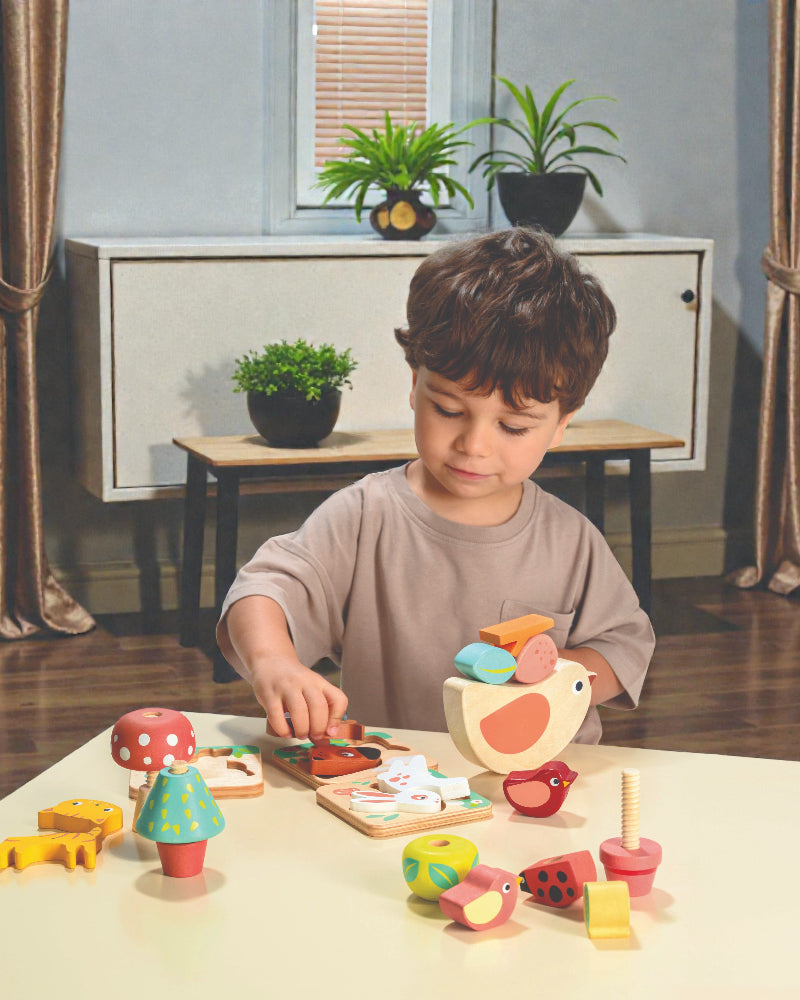
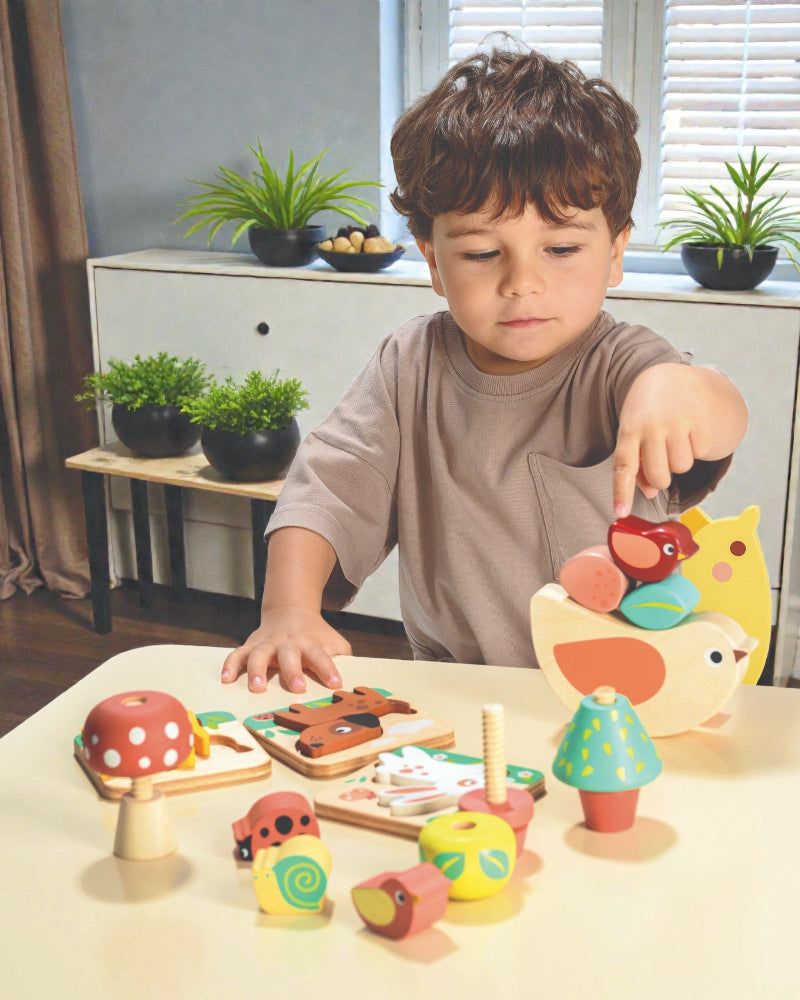
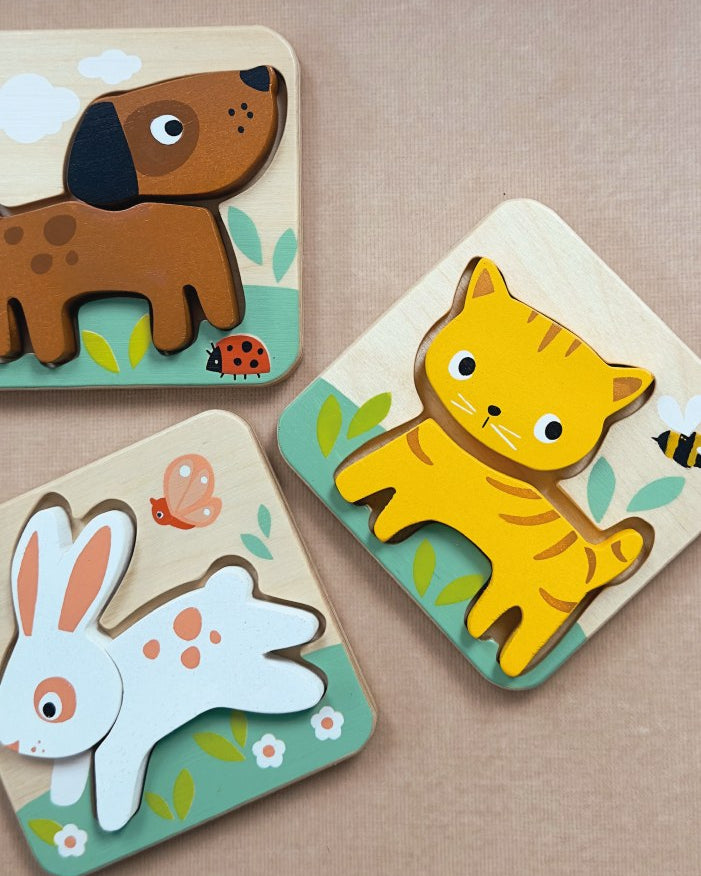
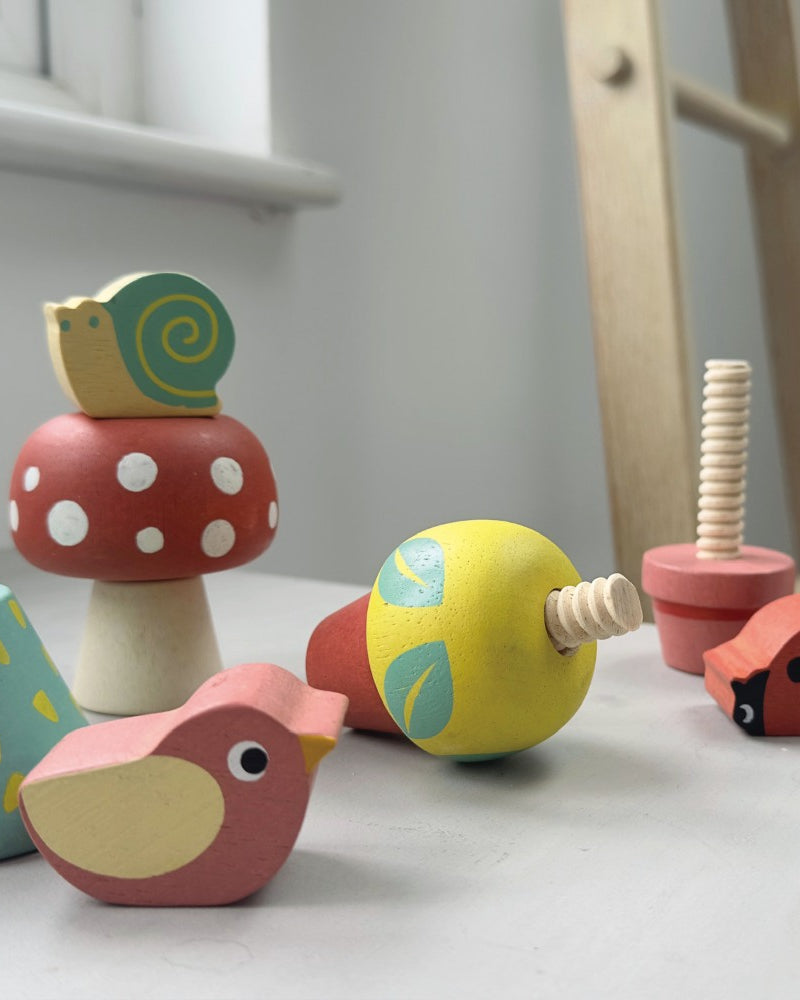
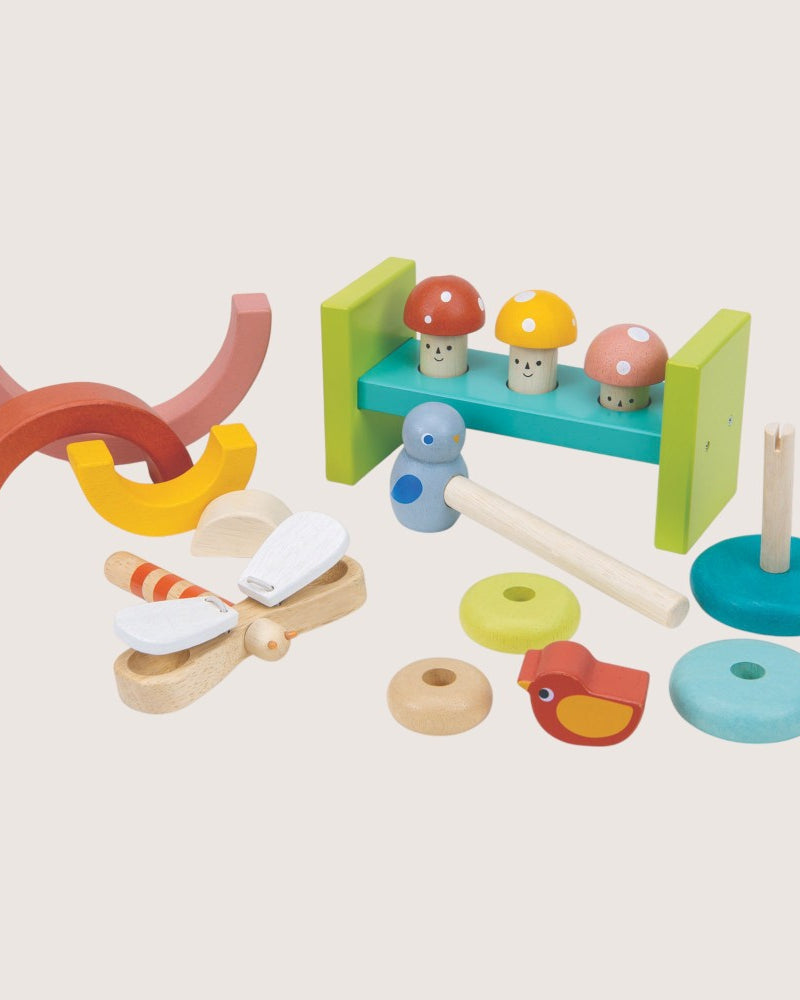
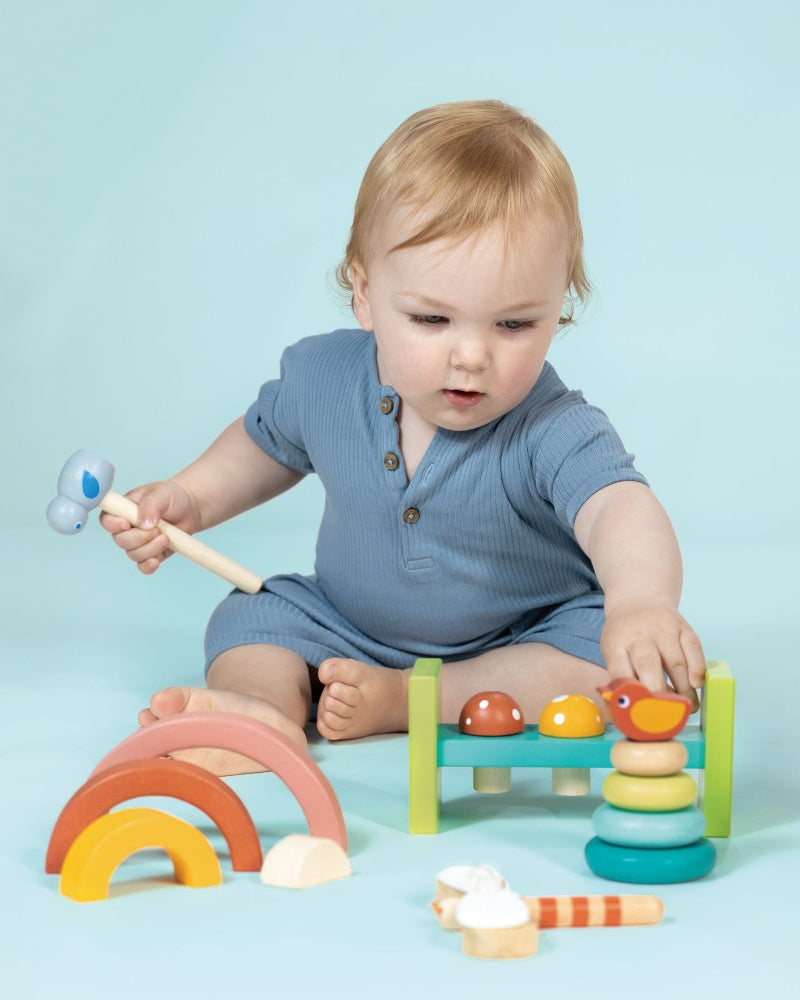
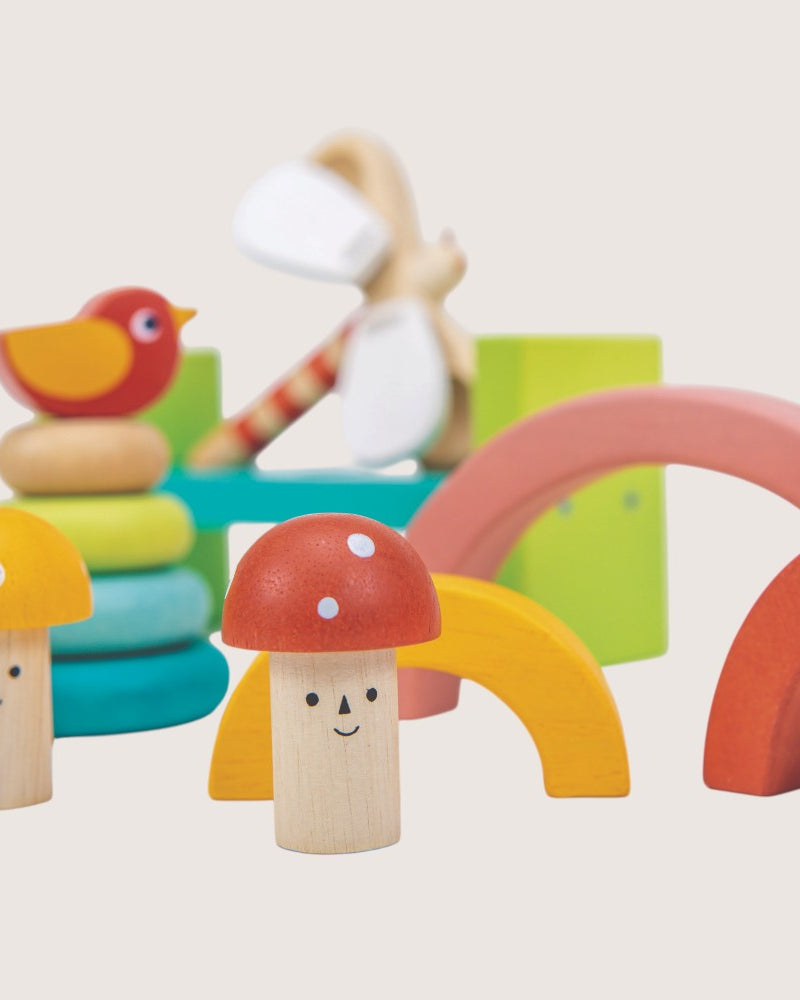
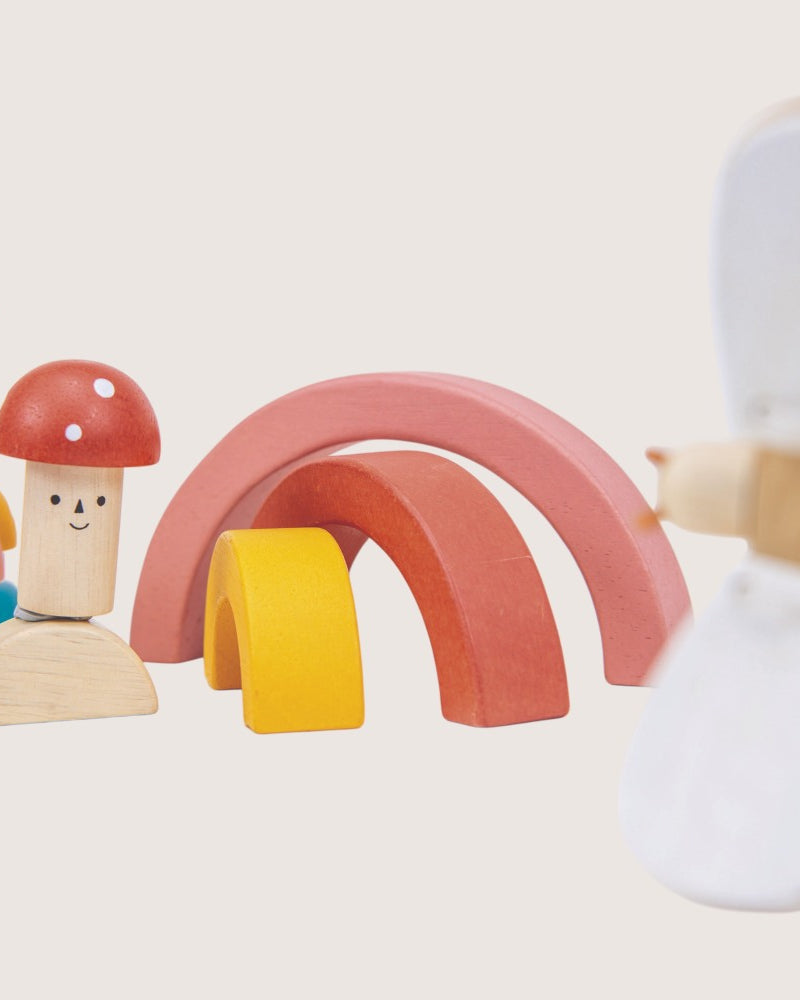
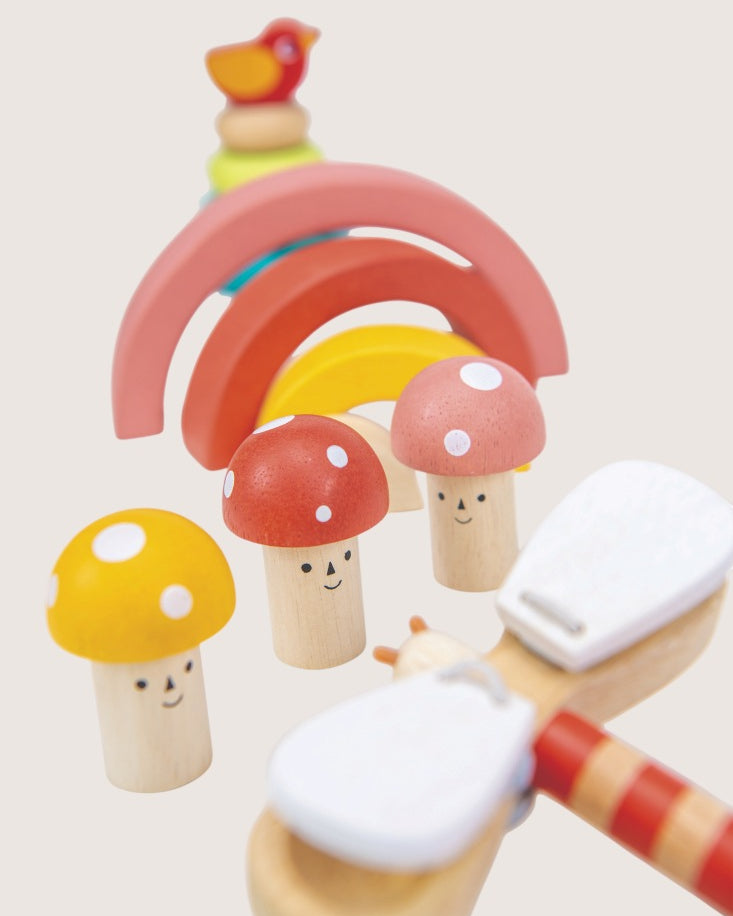
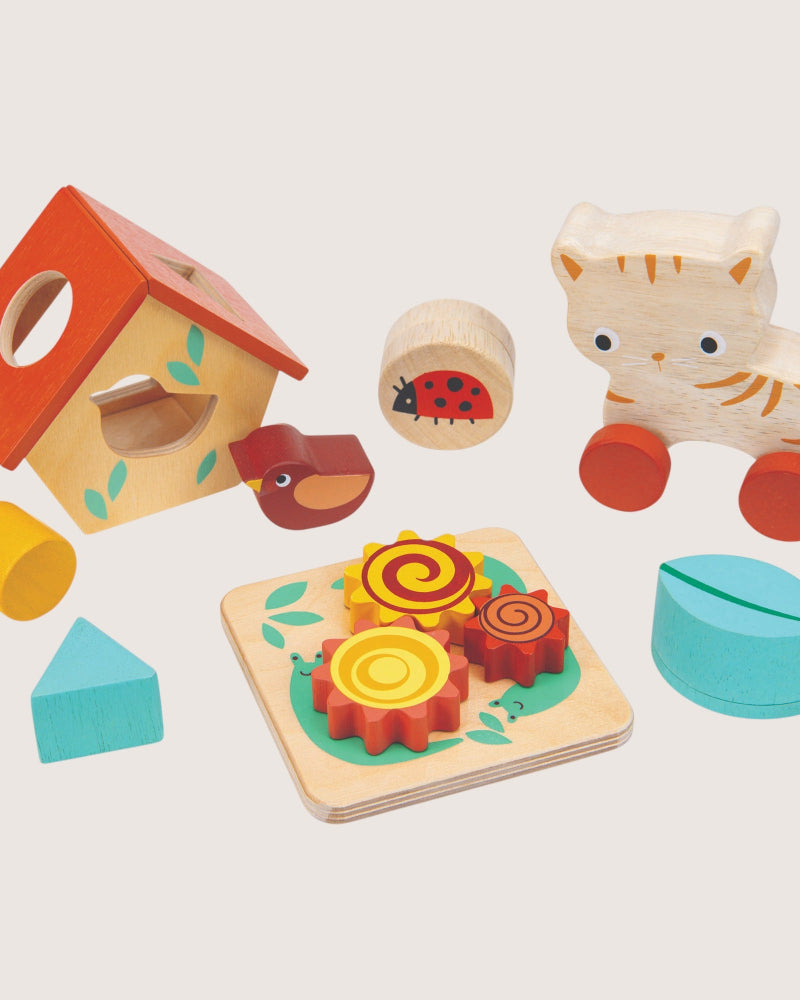
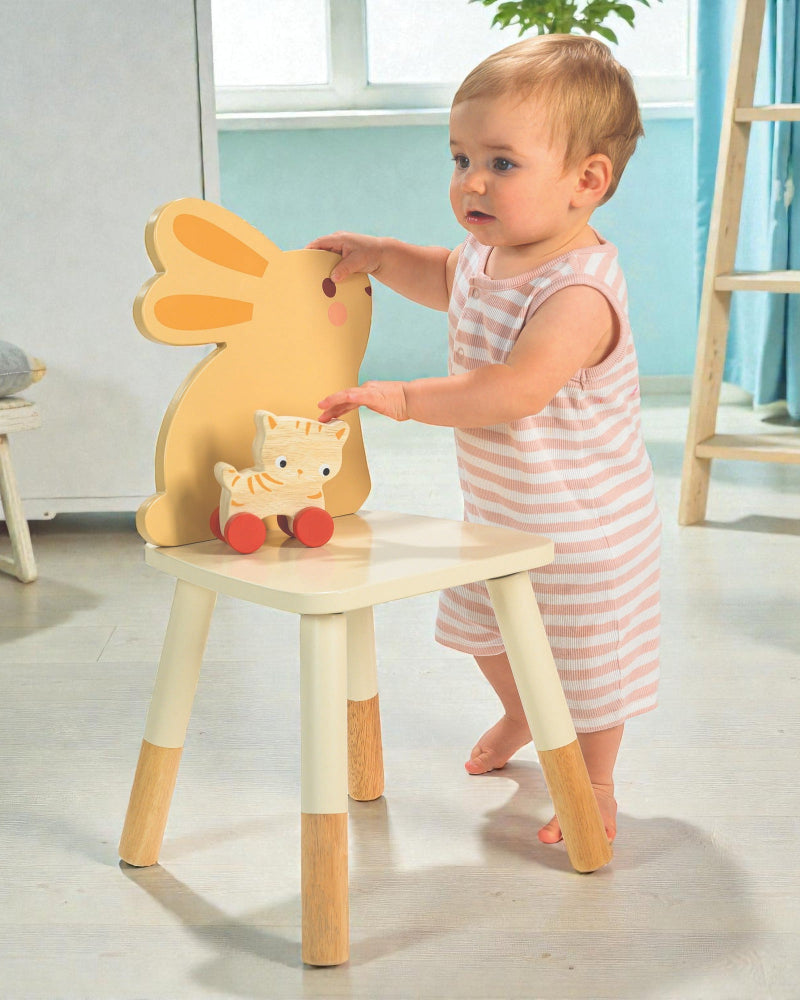
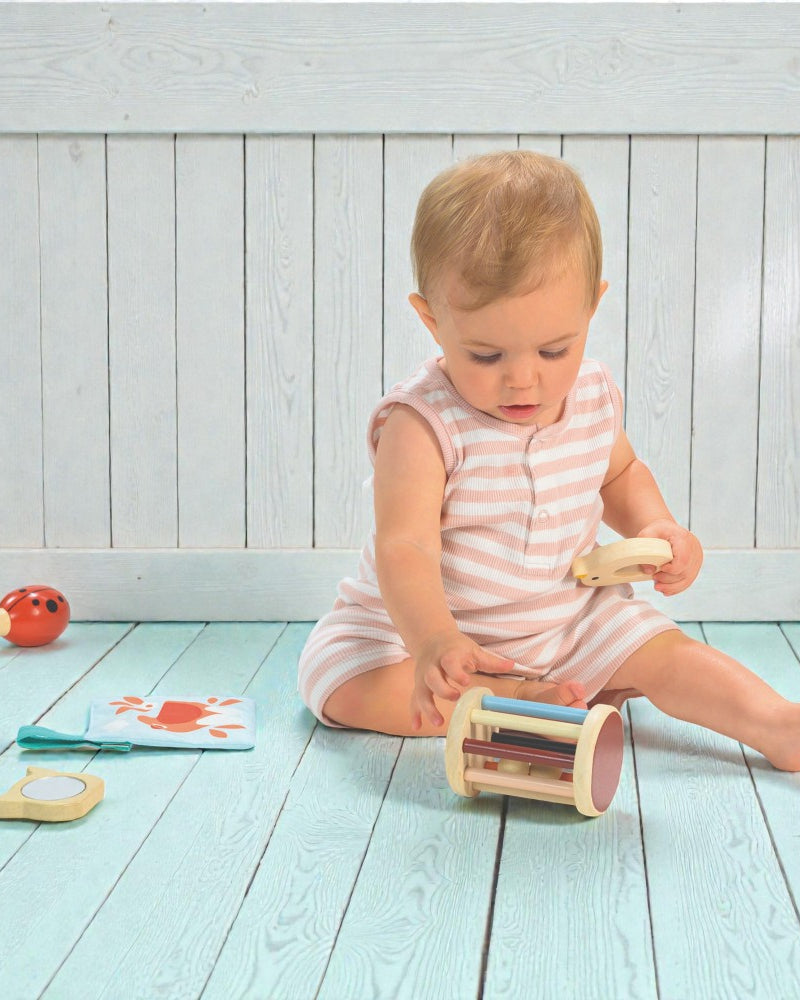
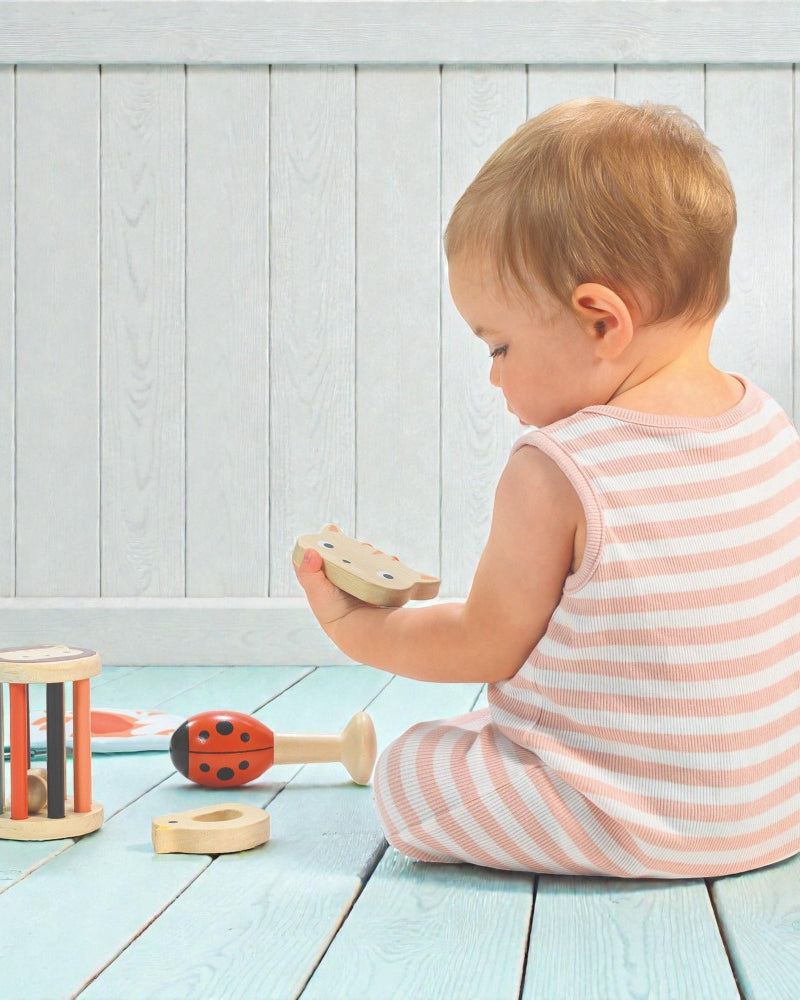
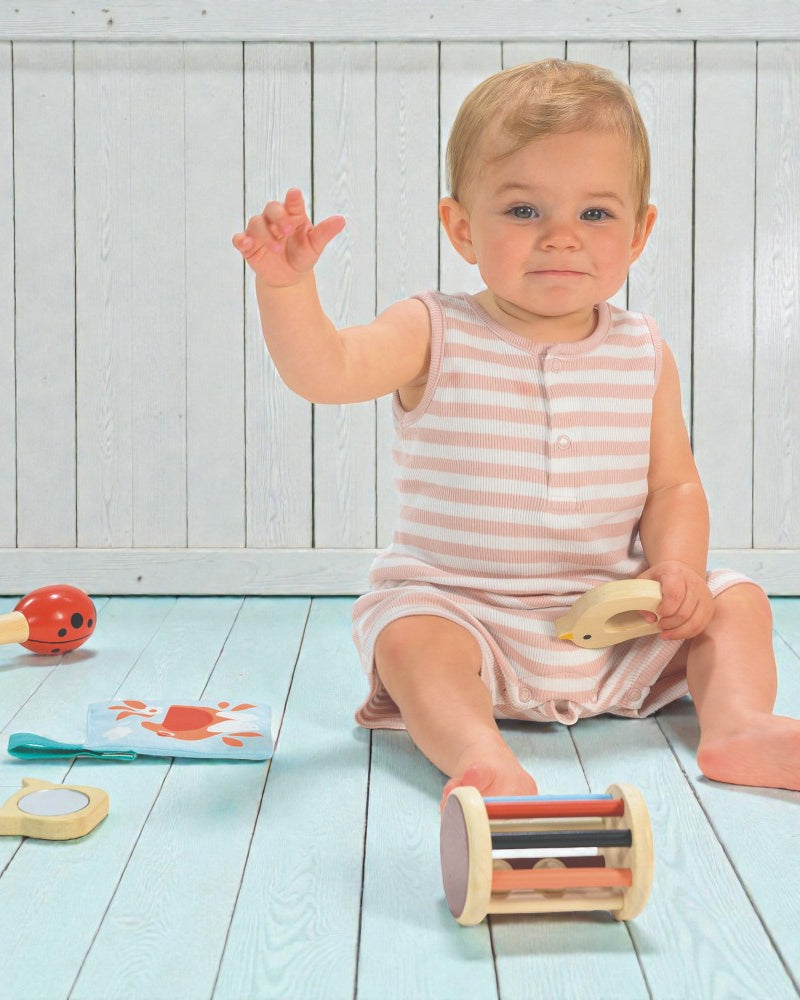
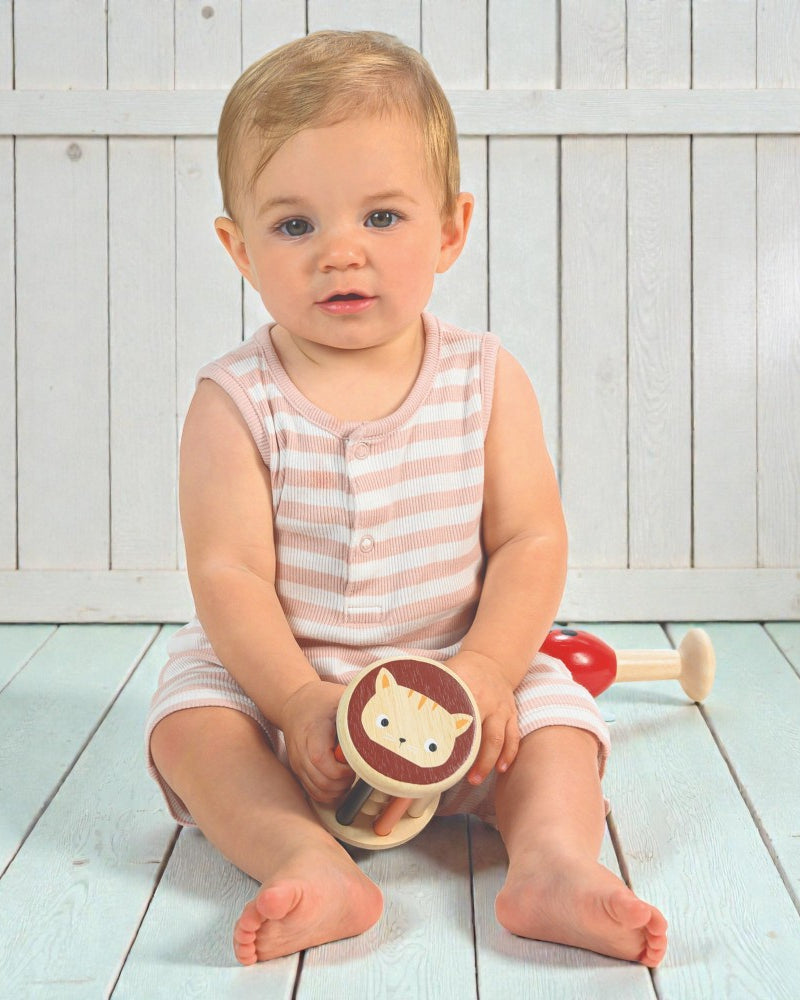
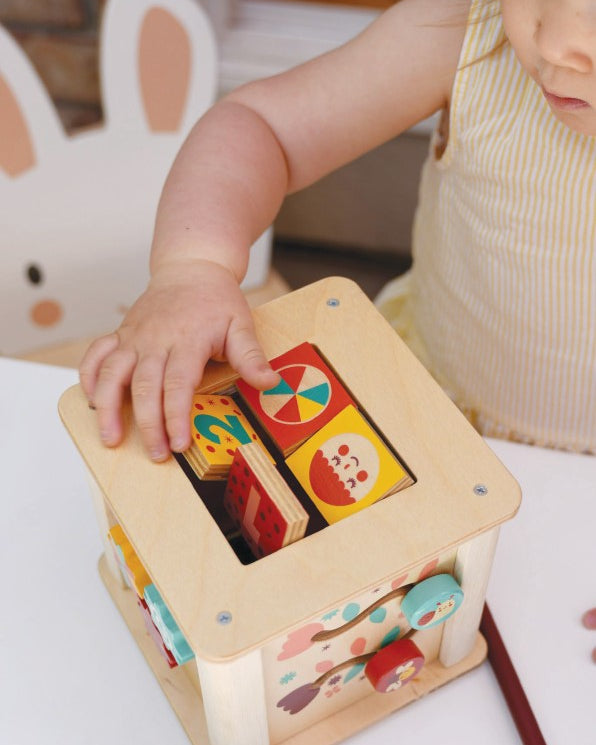
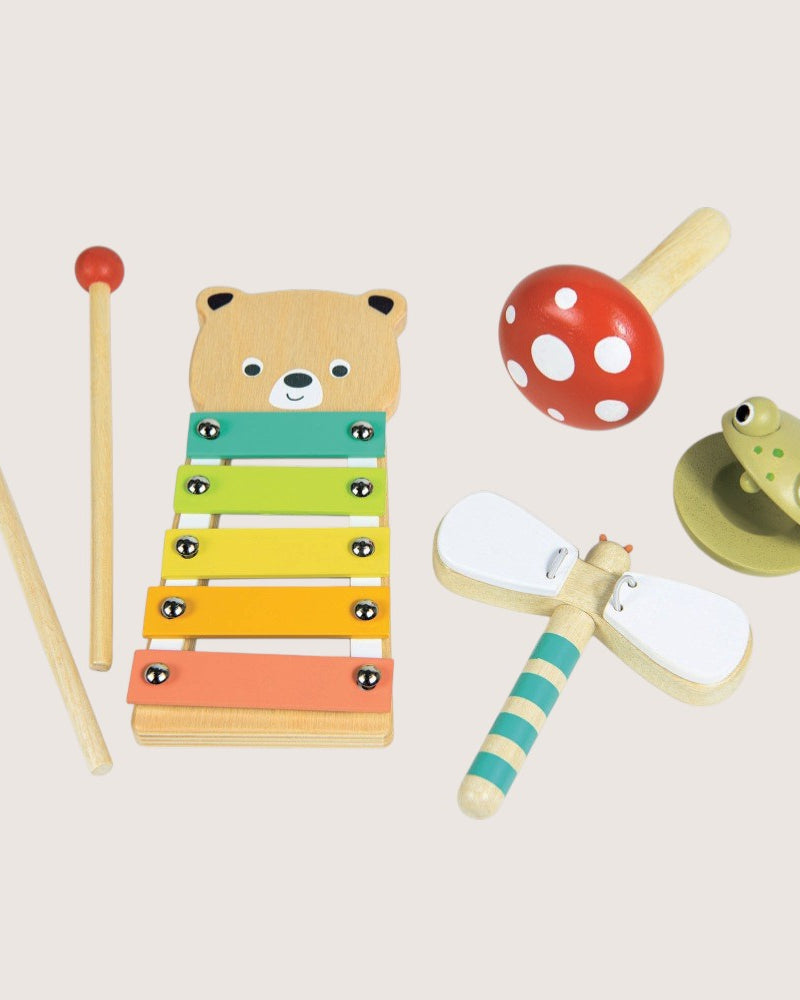
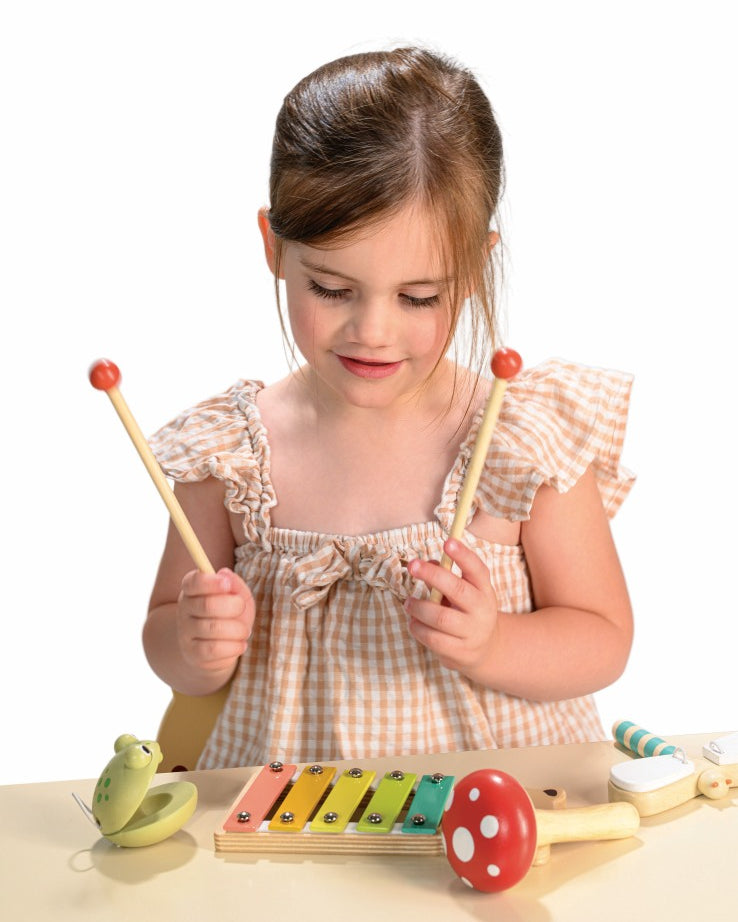
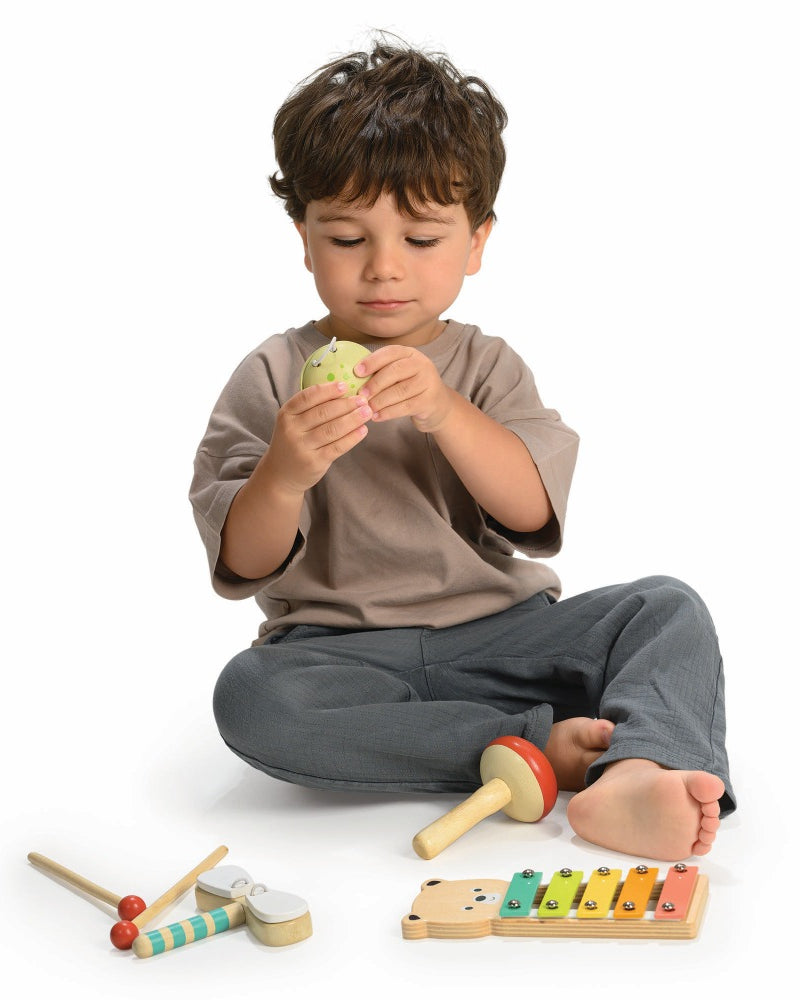
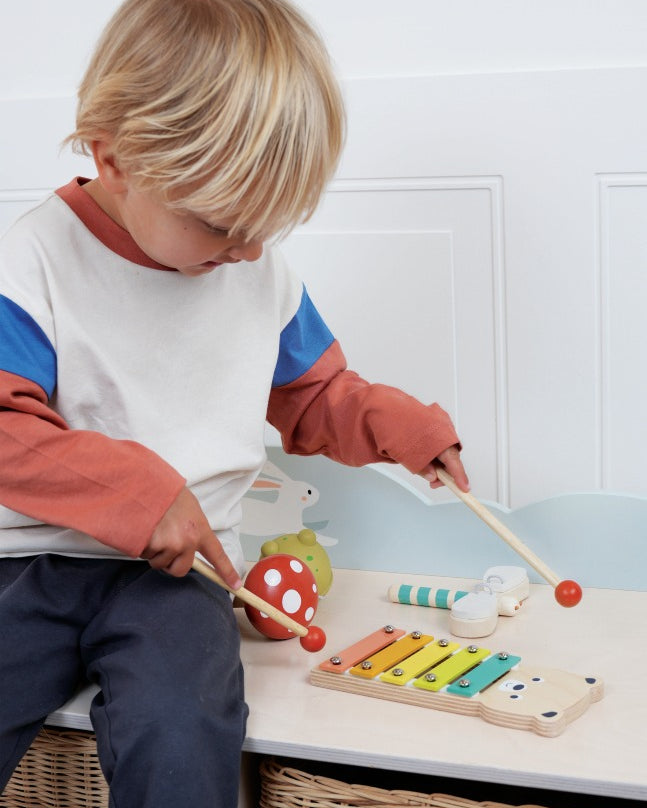
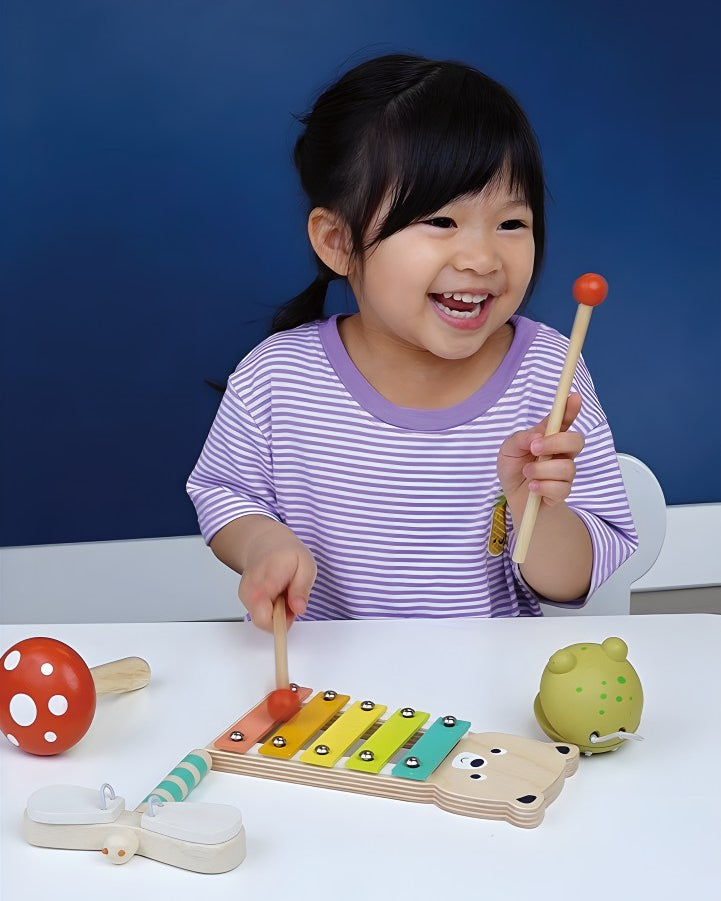
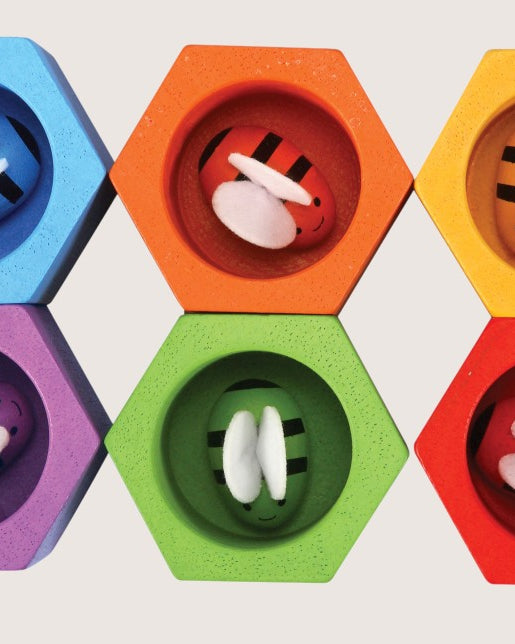
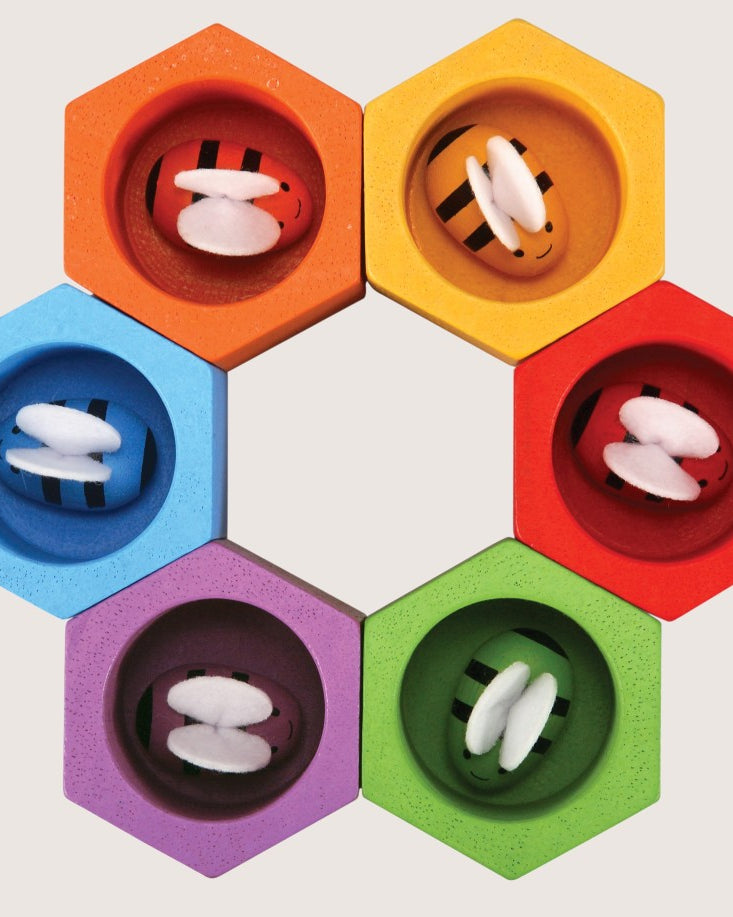
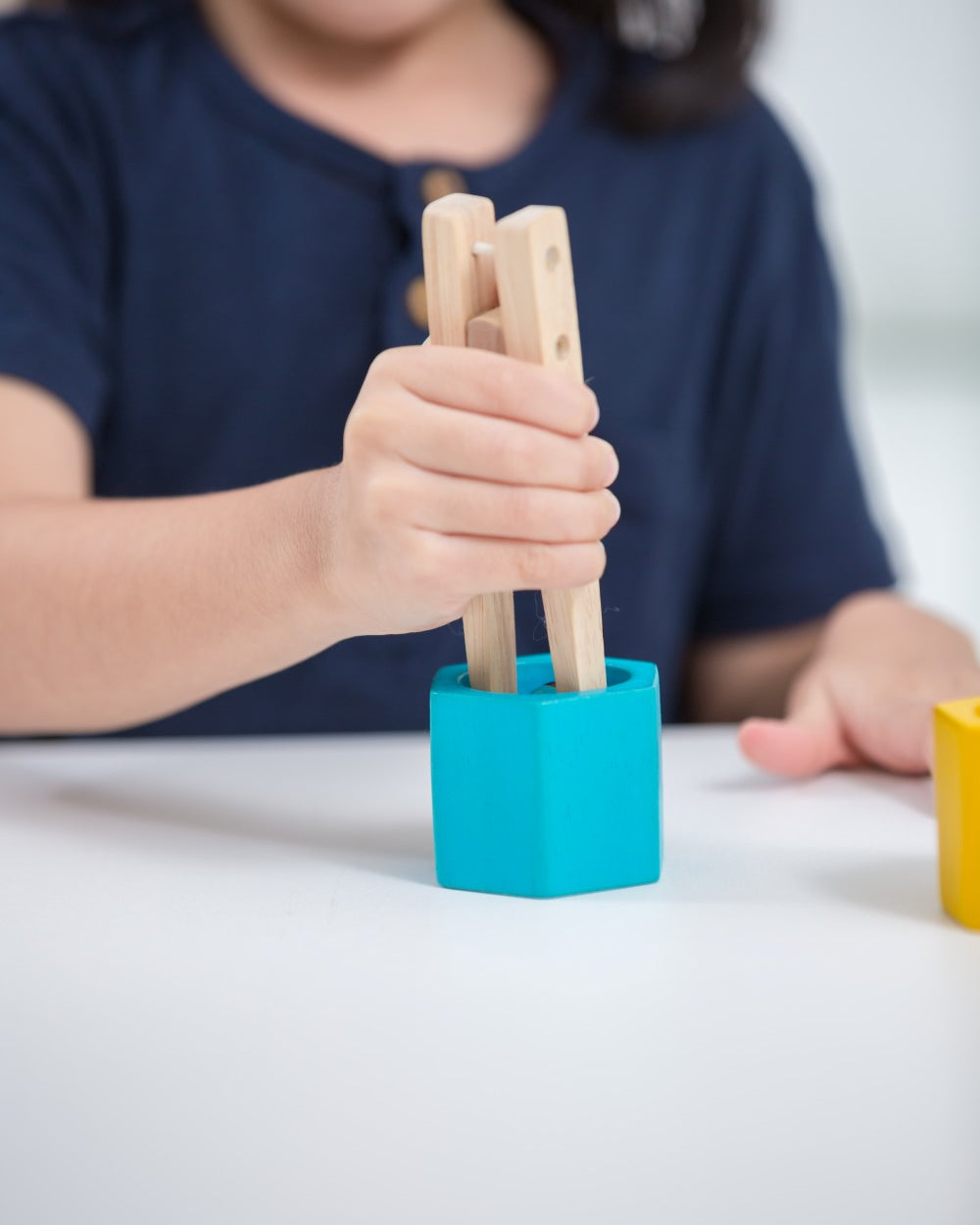
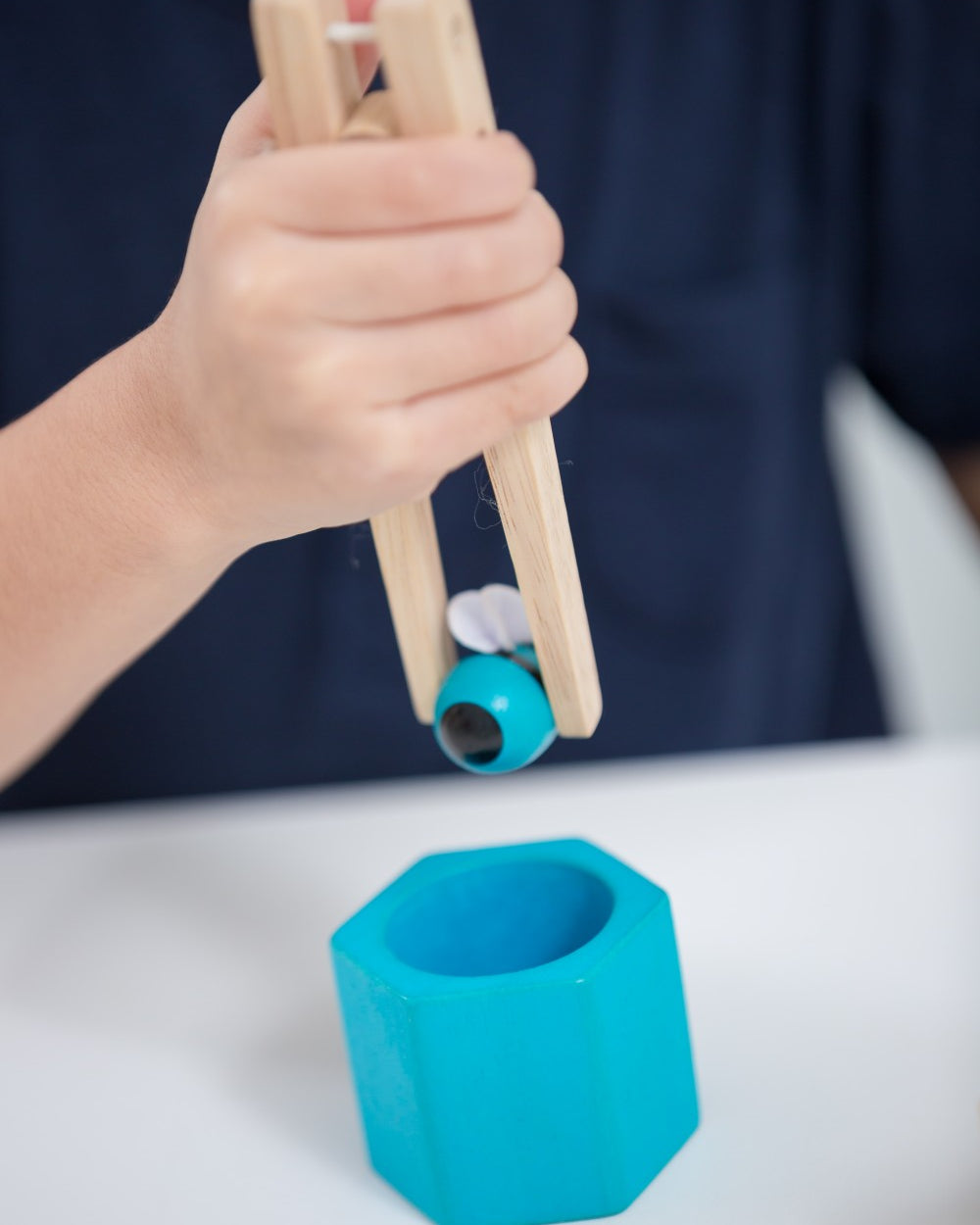
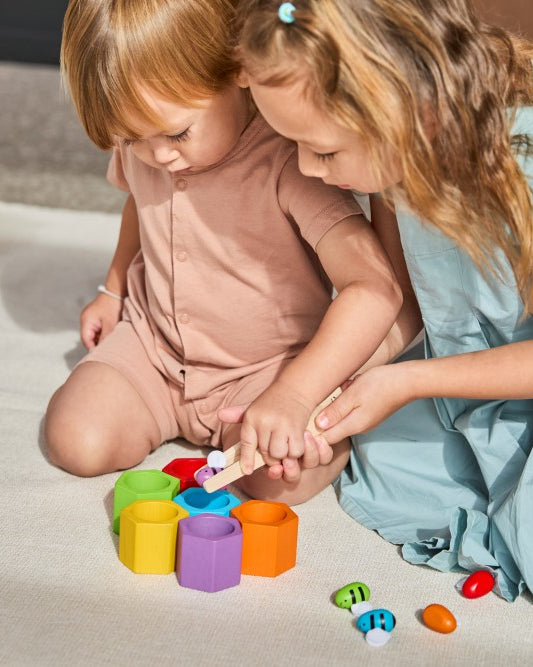
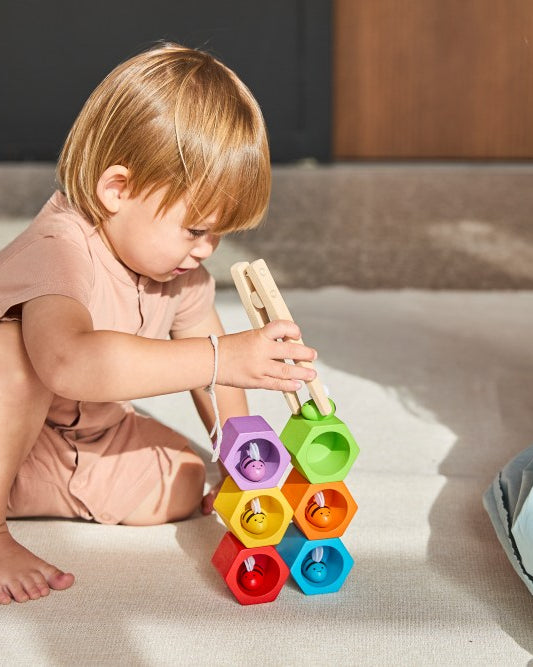
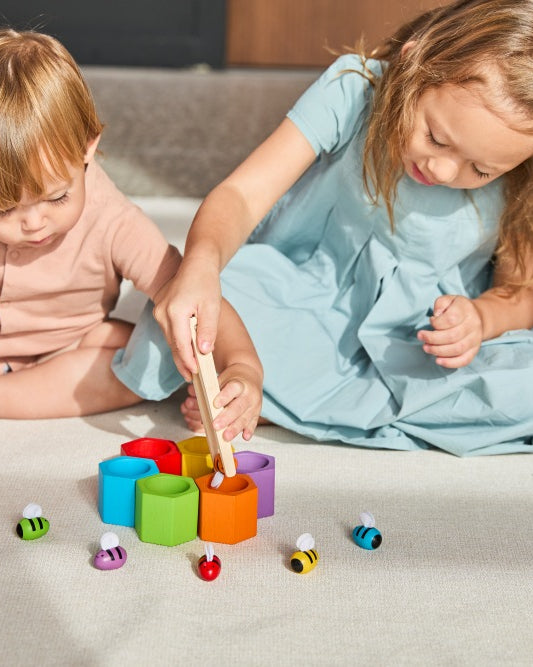
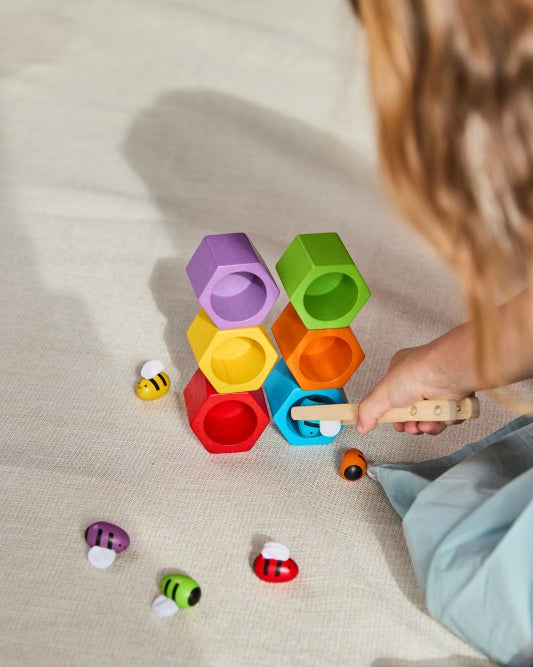
Montessori toys and Montessori-inspired toys that encourage hands-on, open-ended play. Every product in this collection is made from natural materials, independently CPSIA safety tested, and designed to let children learn at their own pace. No batteries, no screens, no flashing lights.
★ Natural materials - wood and other non-toxic materials
★ CPSIA safety tested - independently tested to US standards
★ No batteries or screens - designed for child-led, open-ended play
★ Ages 6 months to 7 years - something for every developmental stage
★ Includes true Montessori materials and Montessori-inspired toys






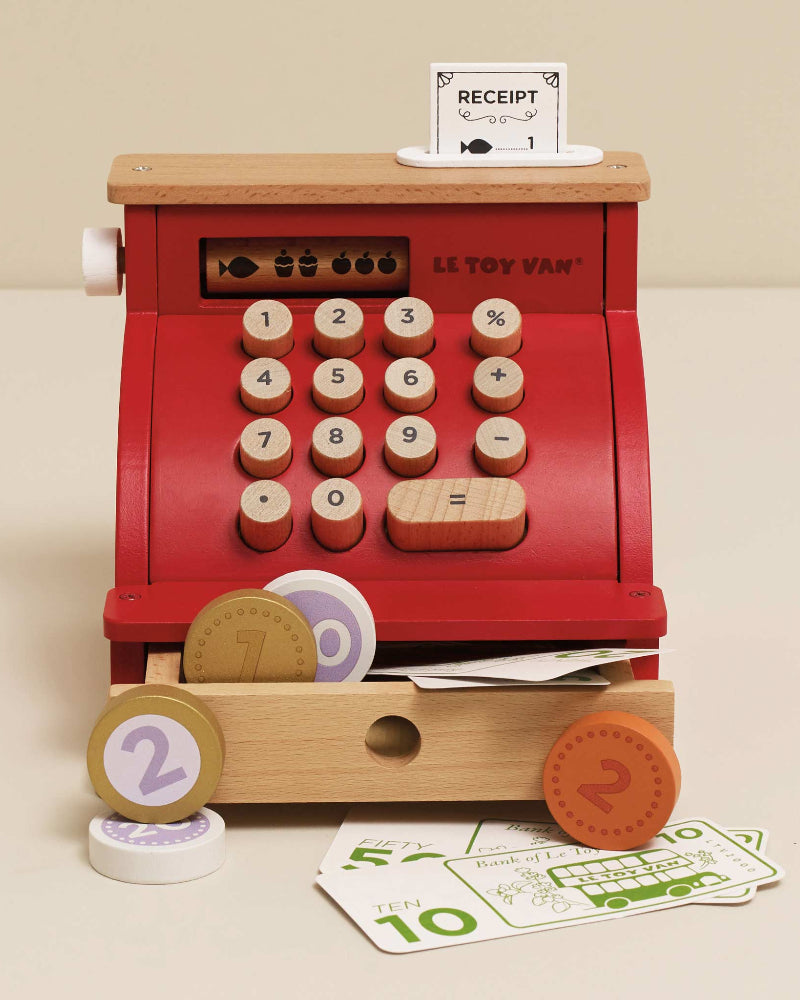
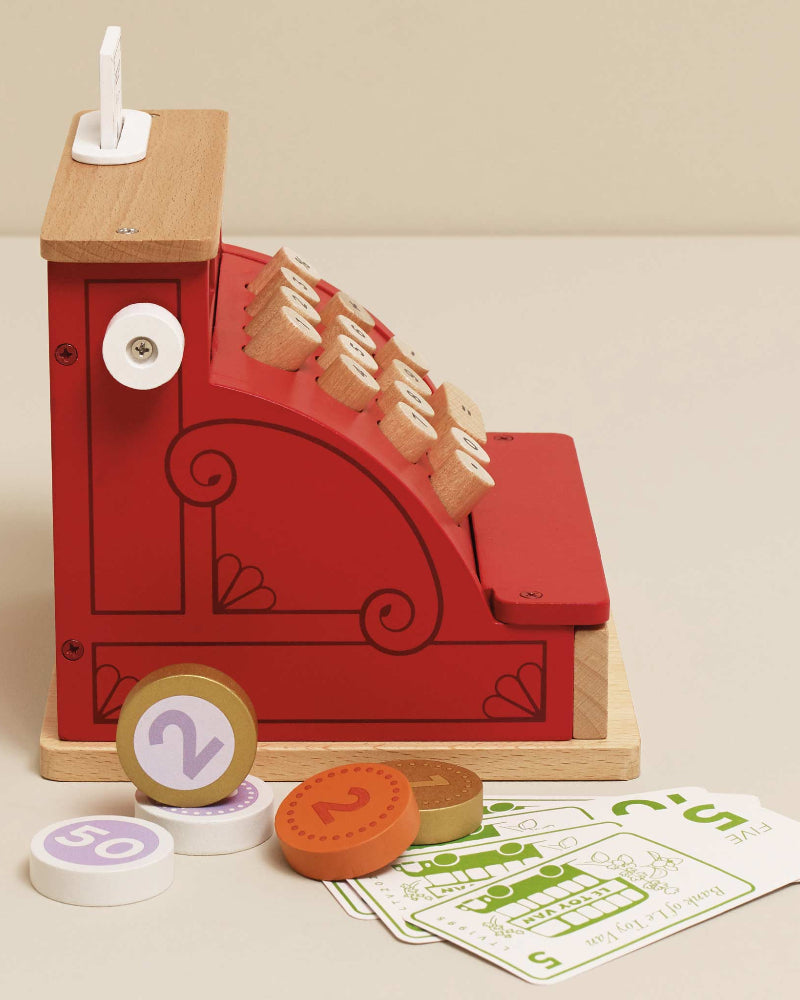
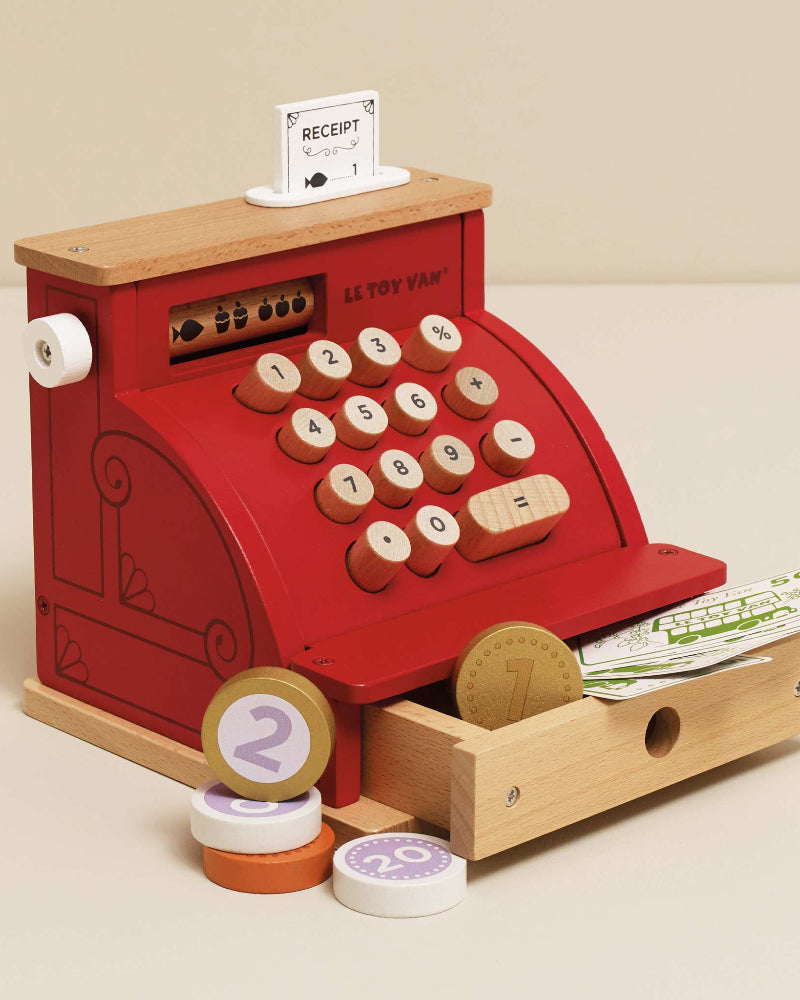
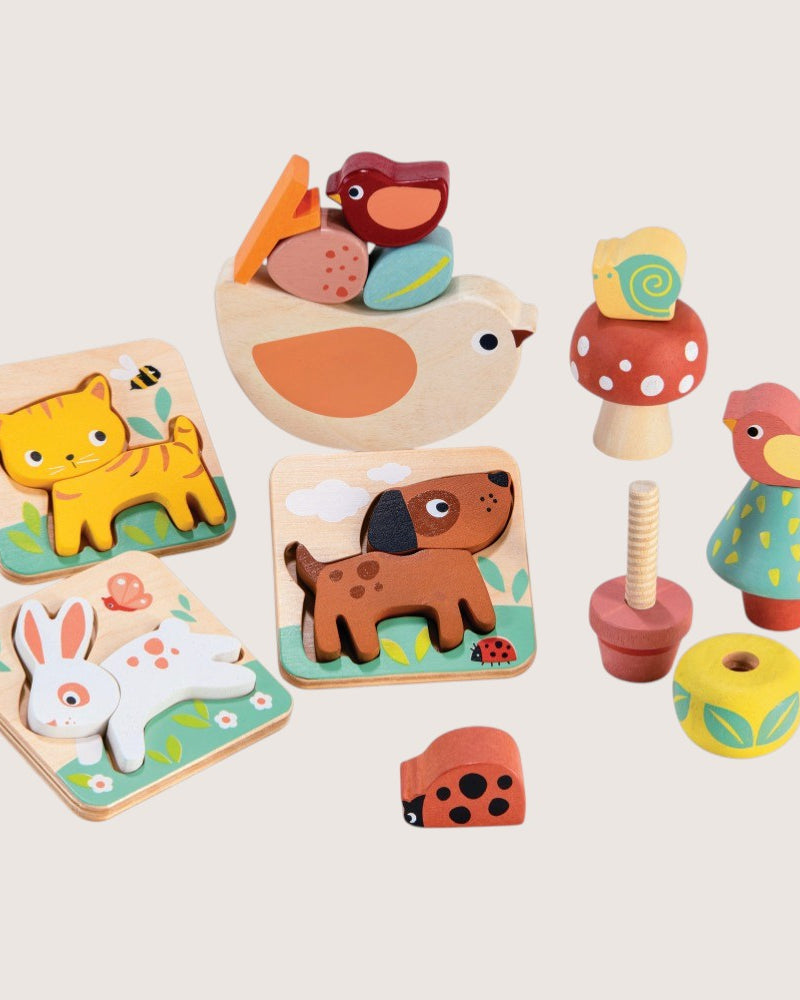

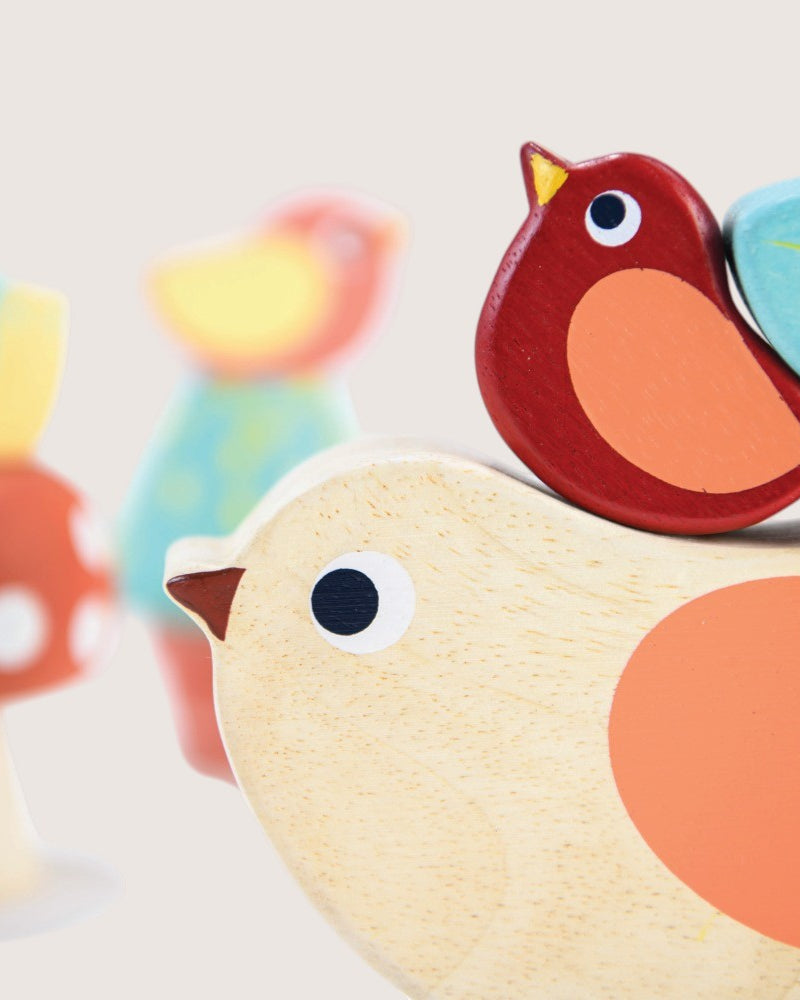
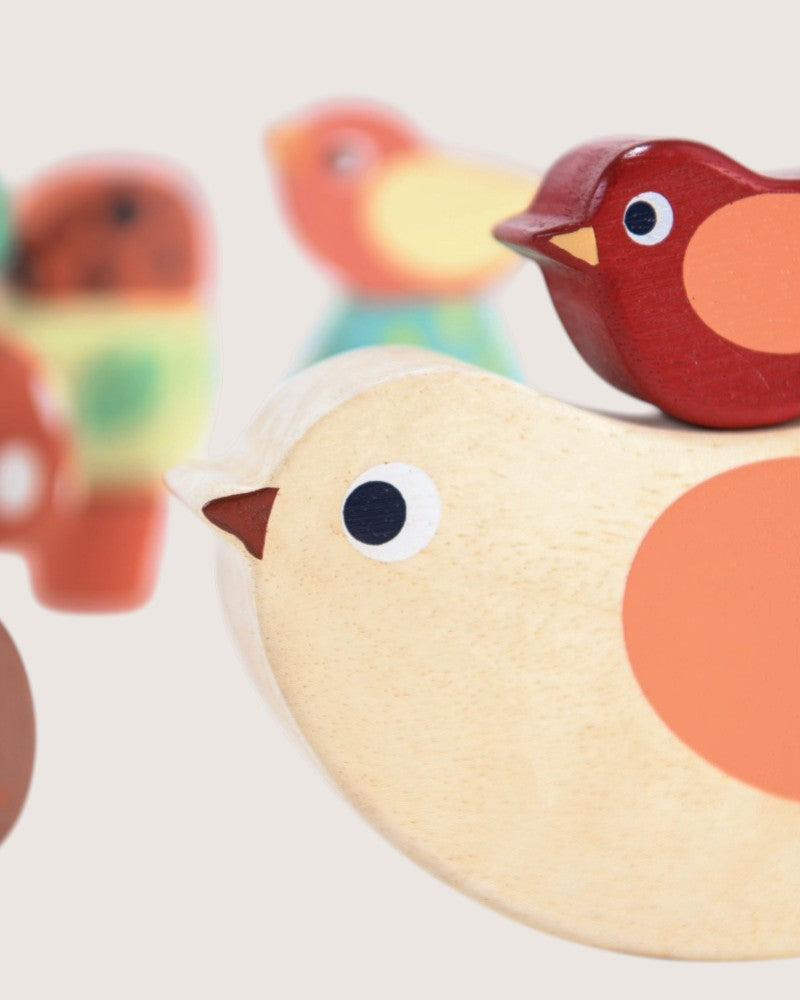
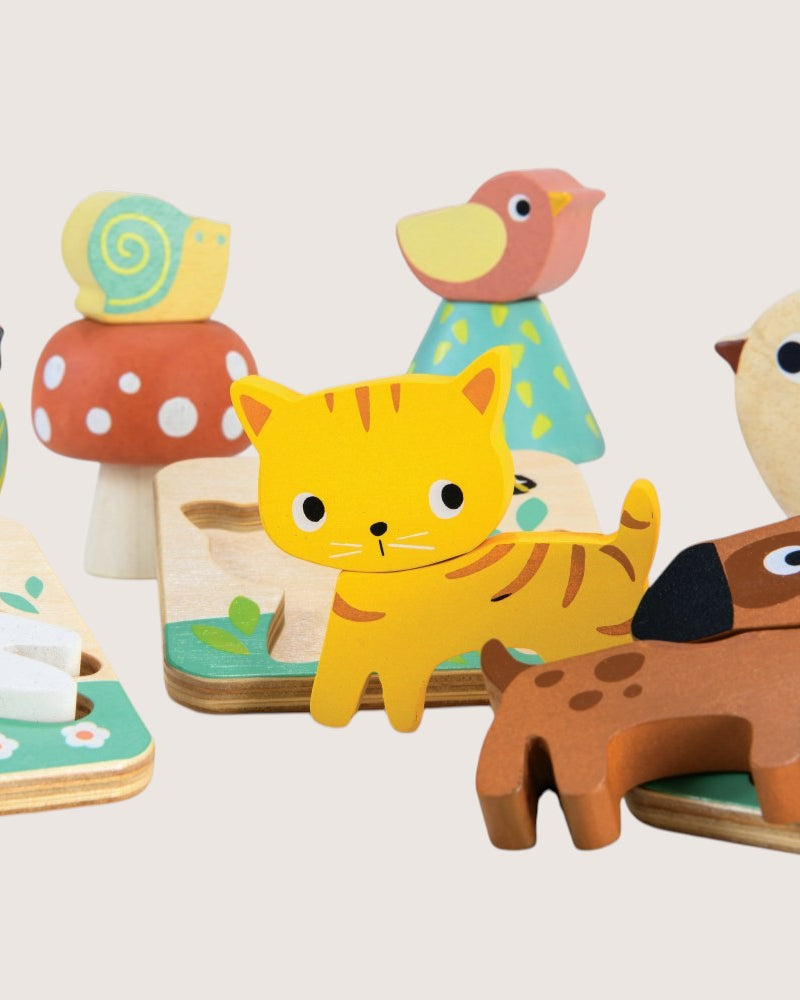
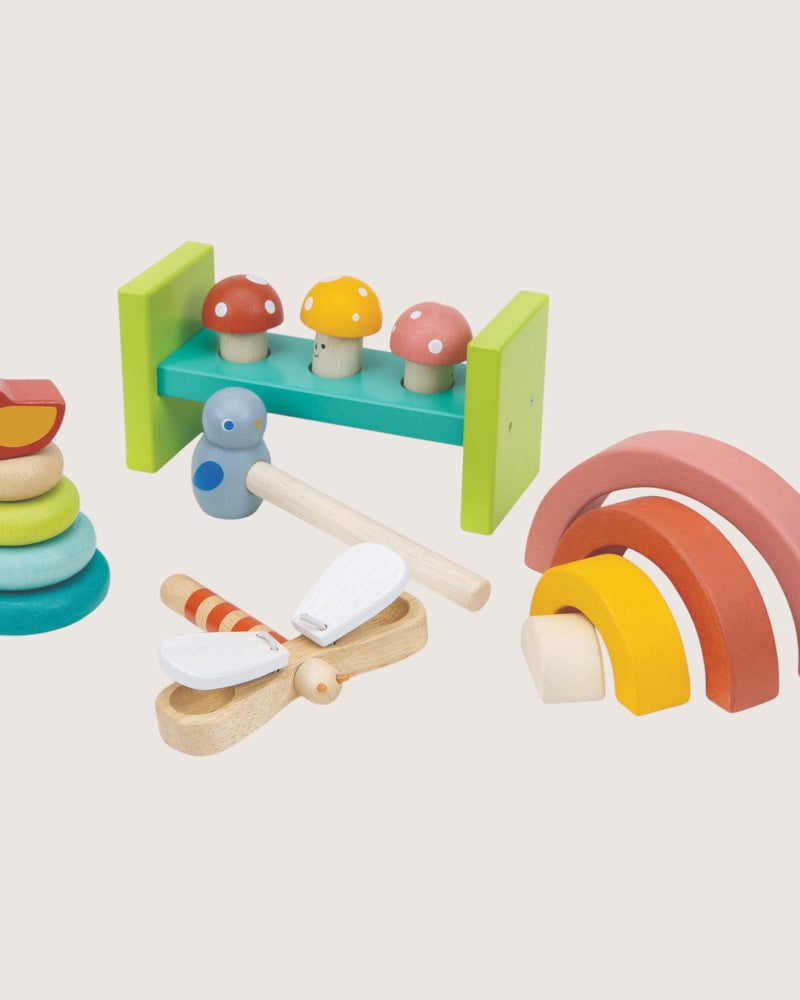
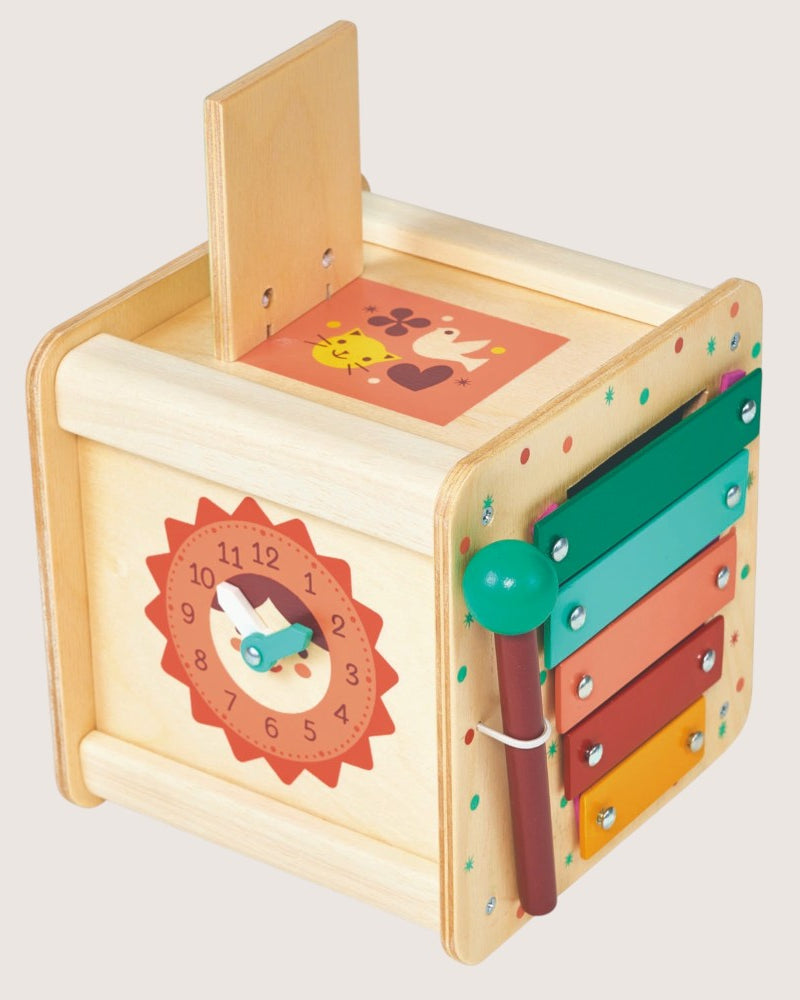
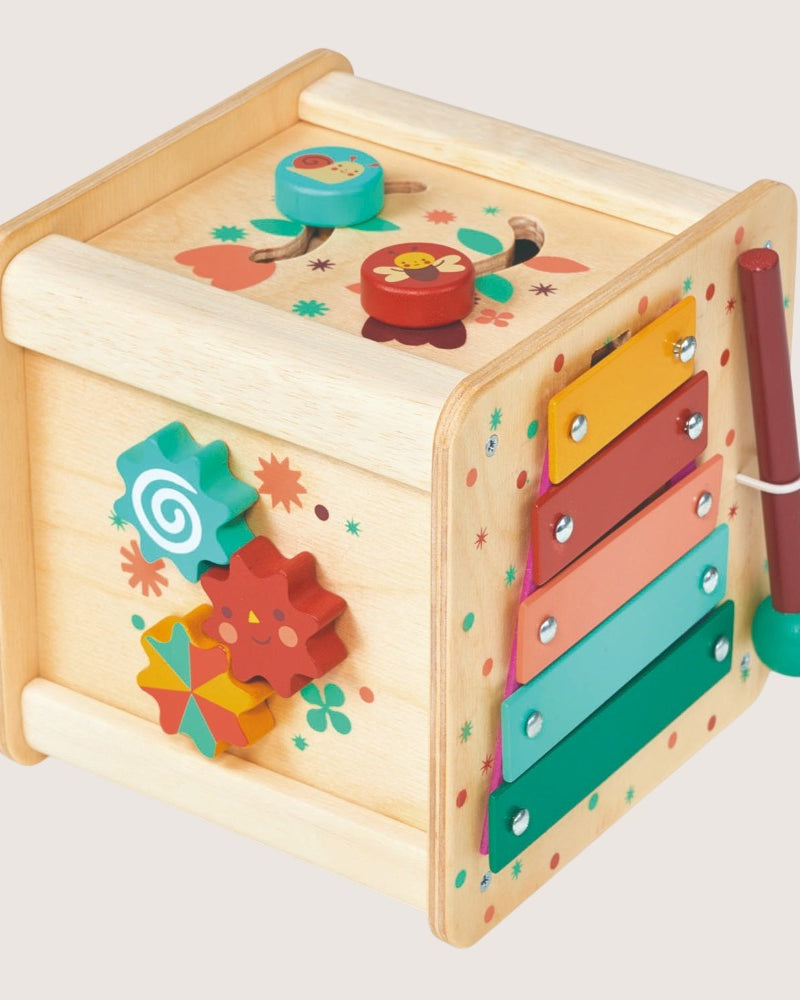
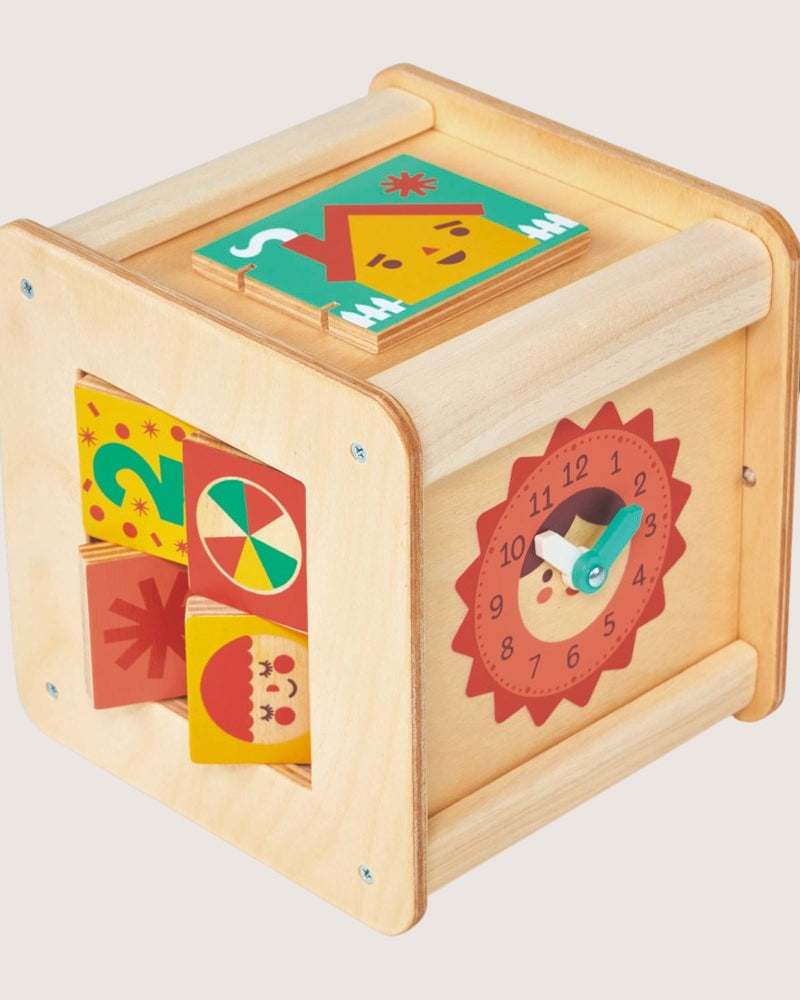
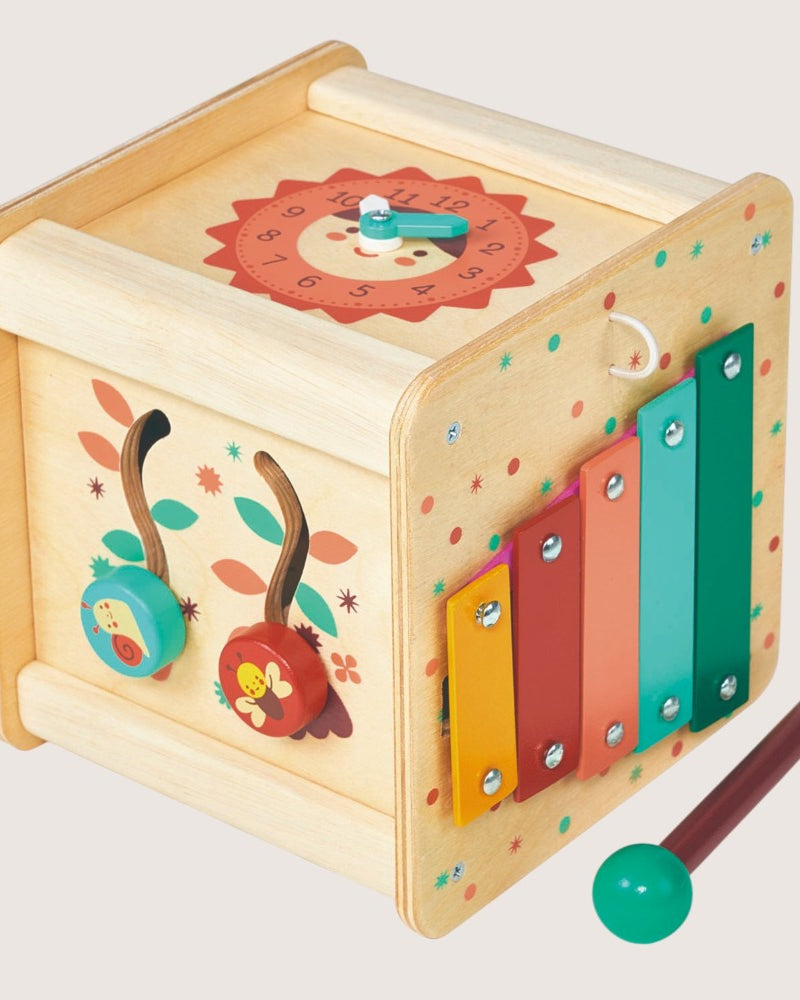






FAQs
What makes a toy Montessori-inspired vs true Montessori?
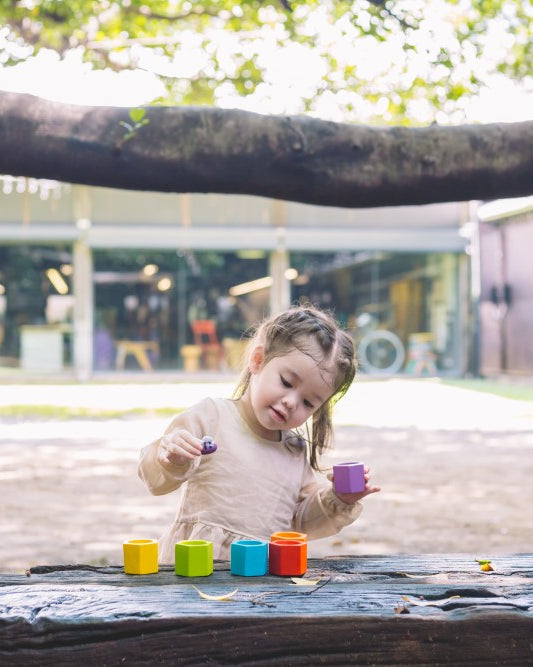
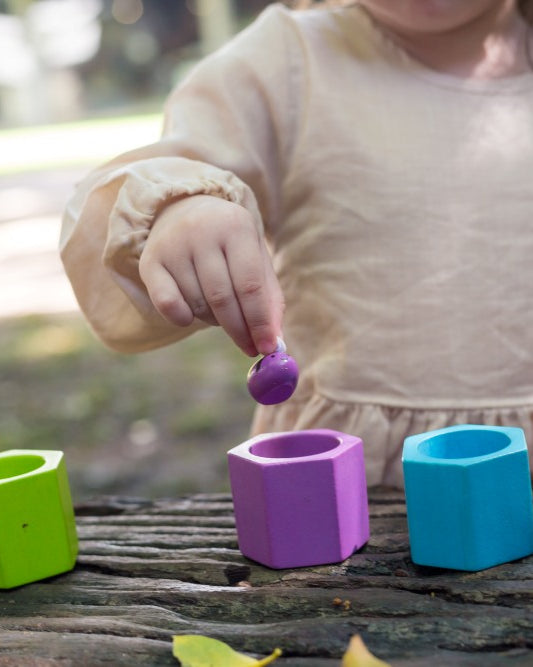
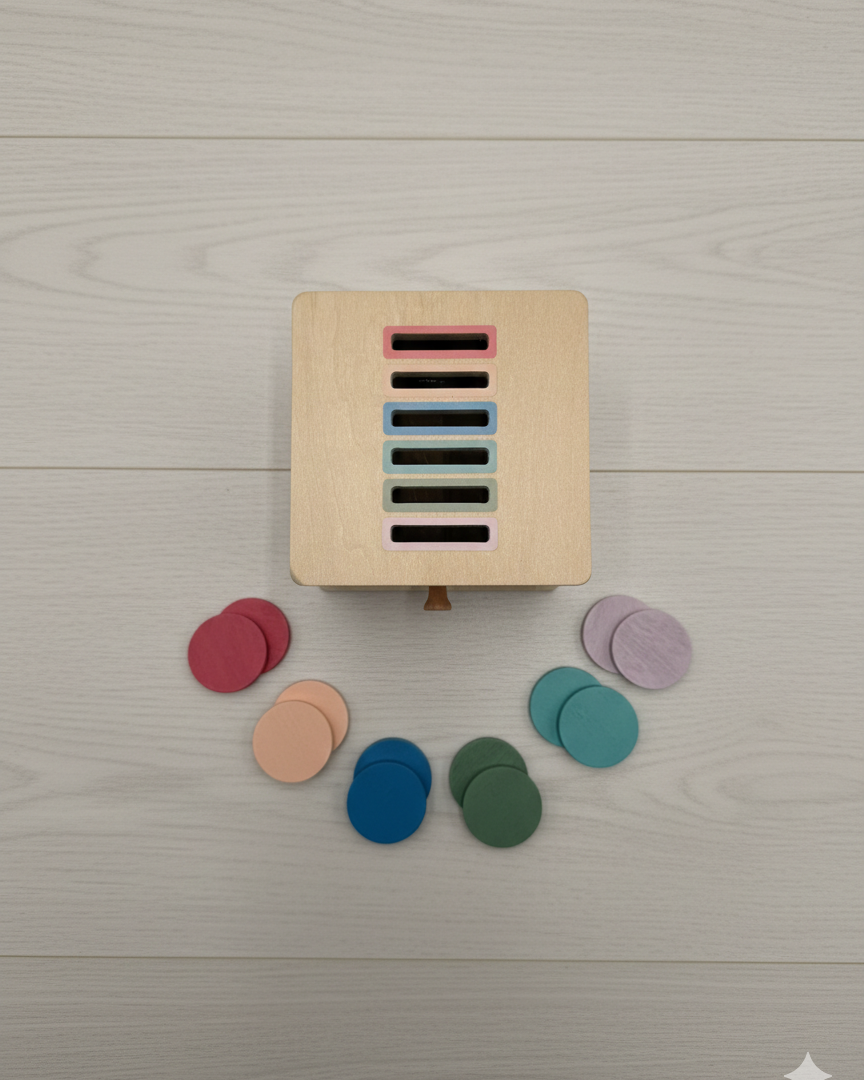
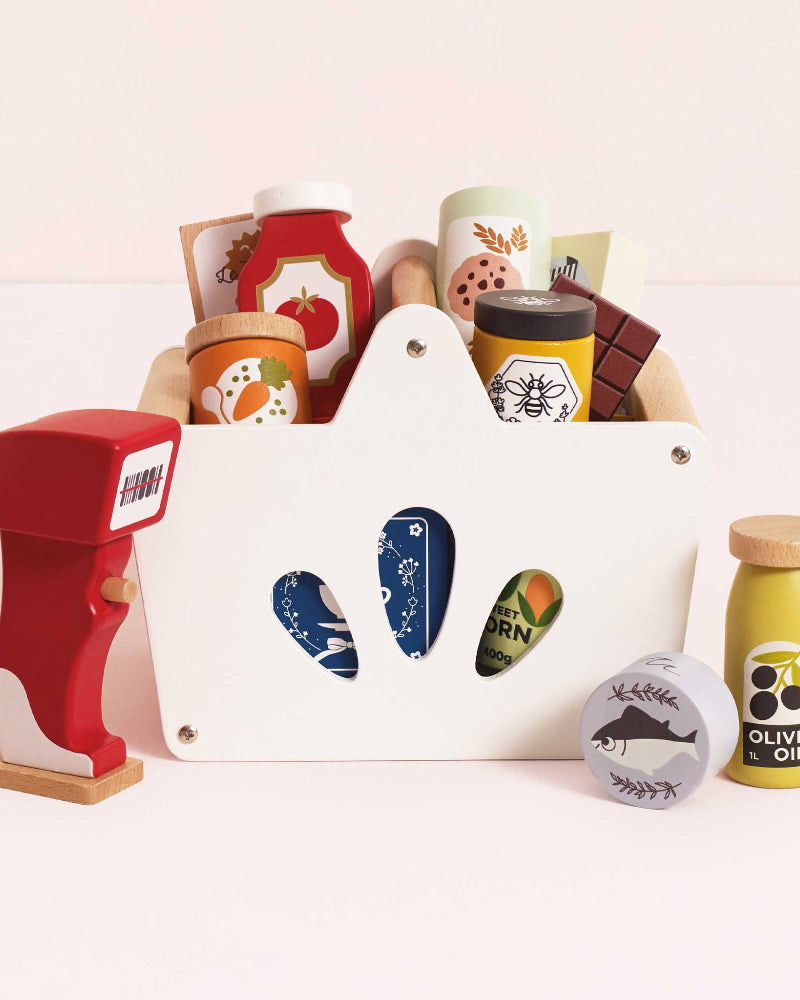
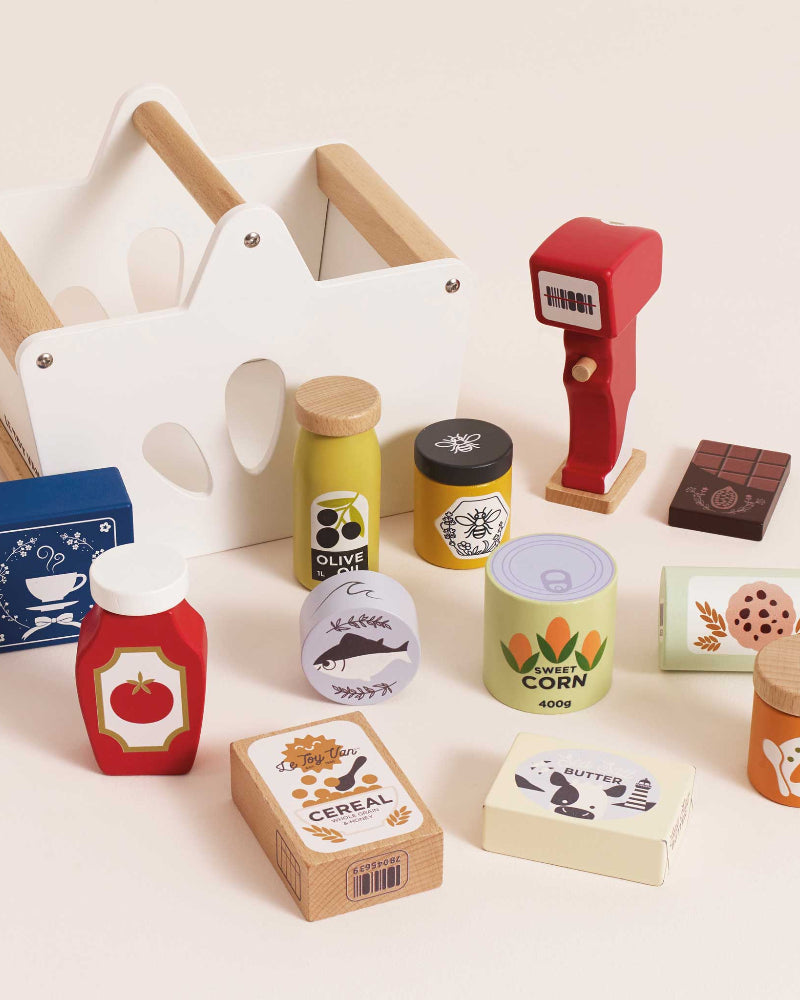
True Montessori materials are specific tools designed for use in Montessori classrooms — things like stacking rings, shape sorters, and sensory boards that isolate a single concept and teach through hands-on repetition. They follow a defined curriculum developed over a century ago. Montessori-inspired toys share the same principles — natural materials, open-ended play, no batteries or screens, child-led exploration — but aren't part of the formal Montessori curriculum. A wooden market stall with play groceries isn't something you'd find in a traditional Montessori classroom, but it encourages the same kind of practical life skill-building that the method values. We carry both in this collection because for us, the principles matter more than the label.
How do I choose Montessori toys for my child's age?
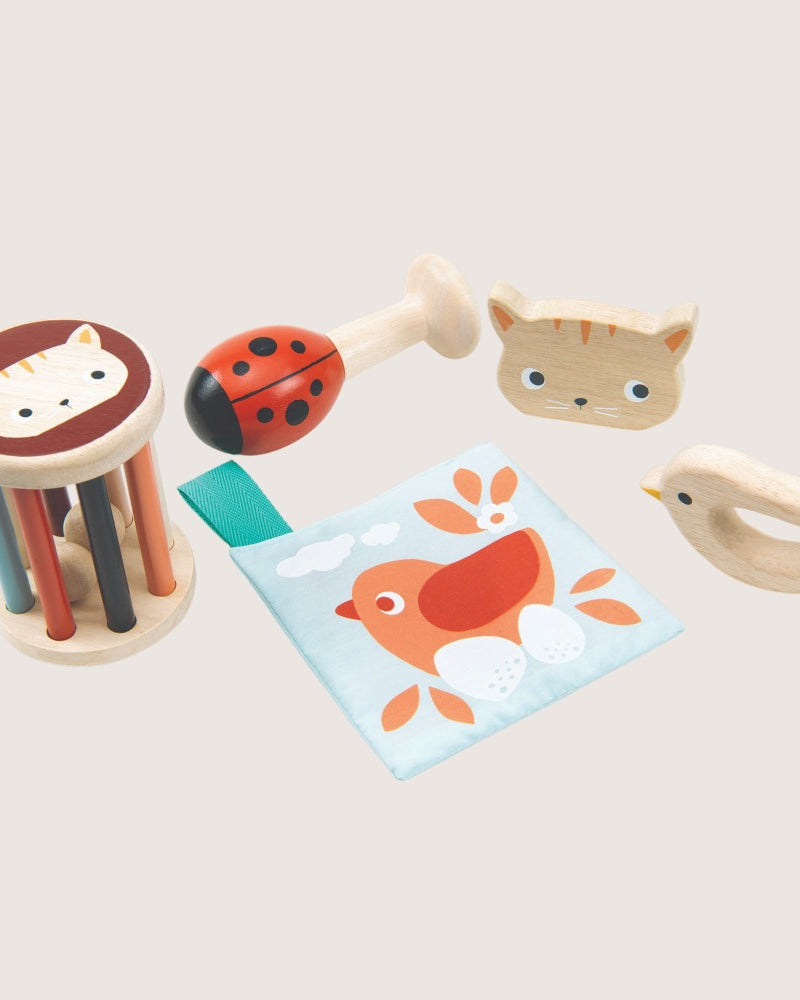
Match the toy to what your child is currently working on, not just their age on the box. For babies 6 to 12 months, look for simple sensory toys — things they can grasp, shake, mouth, and explore with their hands. For toddlers 1 to 2, look for toys that build coordination and cause-and-effect understanding — stacking, sorting, pushing, pulling. For children 2 to 4, practical life toys become the sweet spot — pretend cooking, shopping, caregiving, and building. For children 4 and older, toys that involve more complex problem-solving, creativity, and multi-step play keep them engaged. The best indicator is your child's interest. If they're drawn to a toy and want to use it repeatedly, it's the right level of challenge.
Why are Montessori toys more expensive than regular toys?
Materials and manufacturing. A wooden stacking toy made from sustainably sourced hardwood, sanded smooth, and finished with non-toxic paint costs more to produce than a plastic one injection-molded in a factory. The tradeoff is longevity — wooden toys last for years and can be passed between siblings or even generations. Plastic toys with batteries tend to break, run out of power, or lose their novelty within months. The cost per year of use on a well-made wooden toy is almost always lower than the cost per year on the cheaper alternative that gets replaced three times. That said, not every expensive toy labeled Montessori is worth the price. What you're paying for should be quality materials, thoughtful design, and safety testing — not just the word on the box.
What's a good first Montessori toy?
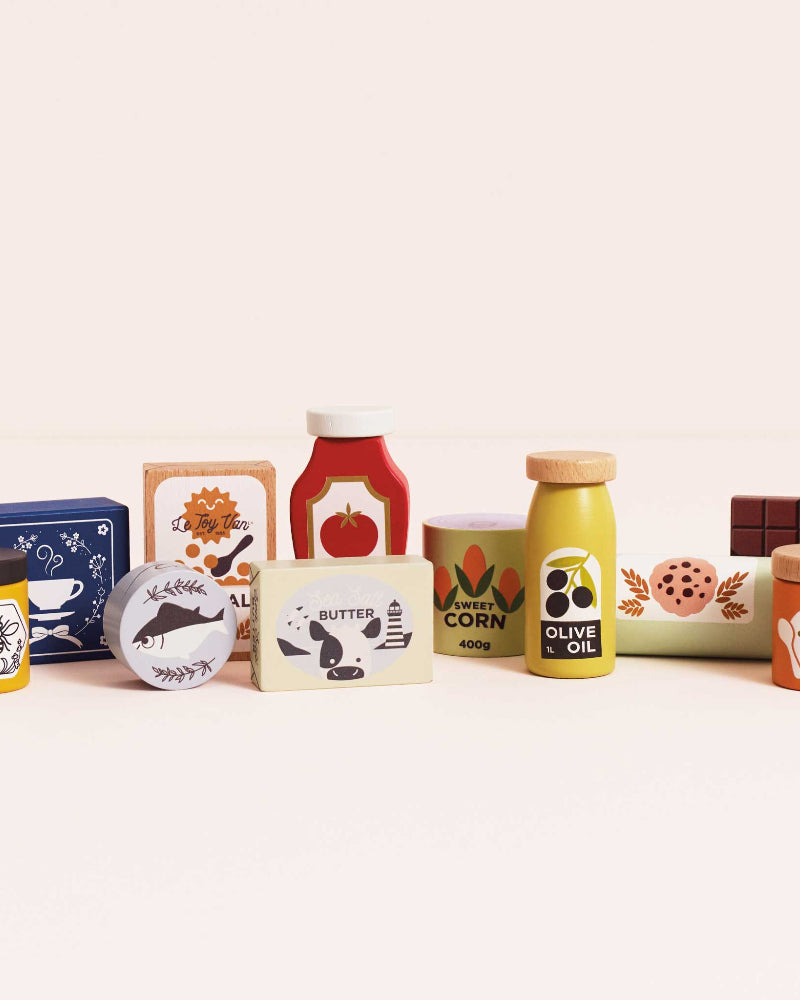
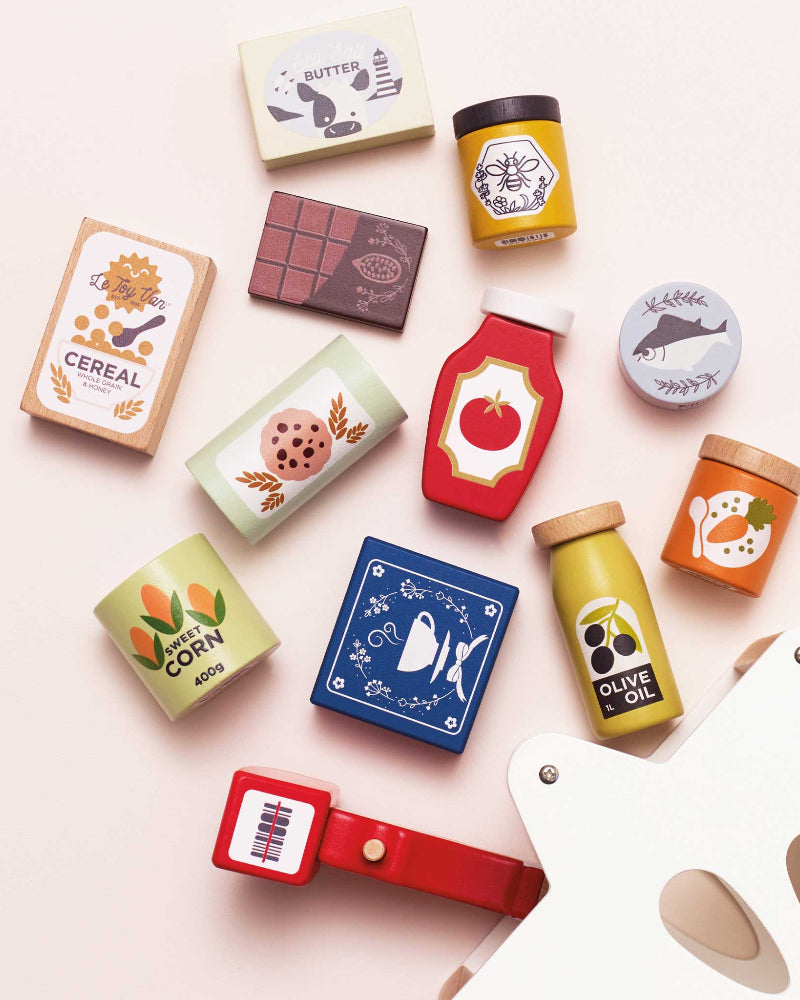
For babies, a simple wooden rattle or grasping toy is the best starting point — something they can hold, mouth, and shake safely. For toddlers, a stacking ring or shape sorter introduces problem-solving in a satisfying, repeatable way. For older children who haven't had Montessori toys before, practical life toys tend to be the easiest entry point because they connect to things children already see adults doing. A play kitchen set, a market stall, or a set of wooden food lets them jump straight into imaginative play without needing to learn how the toy works. Start with one or two toys rather than a full collection. Watch what holds your child's attention, then build from there.
How long will my child play with a Montessori toy?
Longer than you'd expect. Toys without batteries or prescribed play patterns tend to have a much longer shelf life because children find new ways to use them as they grow. A set of wooden blocks is a stacking toy for a 1 year old, a building material for a 3 year old, and a prop in elaborate imaginary worlds for a 5 year old. The simplicity is the point — when the toy doesn't tell the child what to do, the child keeps inventing new uses for it. That said, any single toy will have quieter periods. This is where toy rotation helps — putting a toy away for a few weeks and reintroducing it later often reignites interest because your child comes back to it with new skills and ideas.
Do you carry true Montessori materials or just inspired toys?
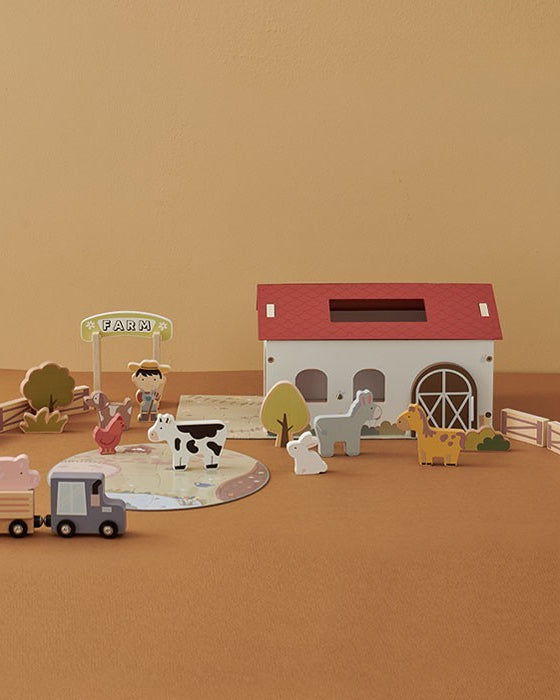
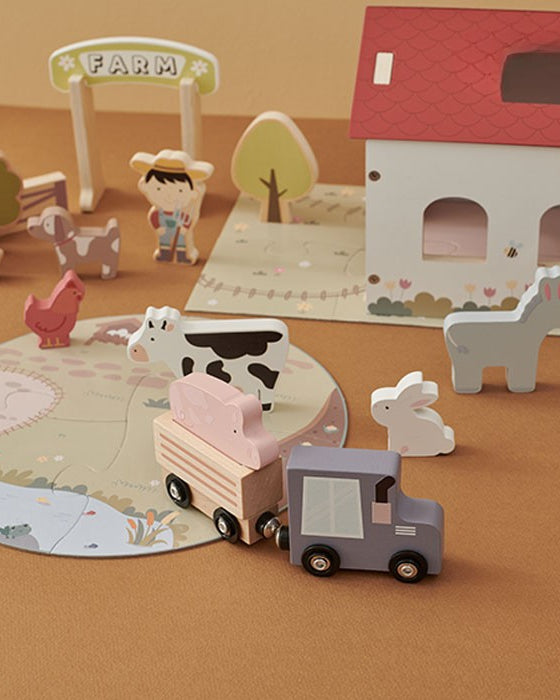
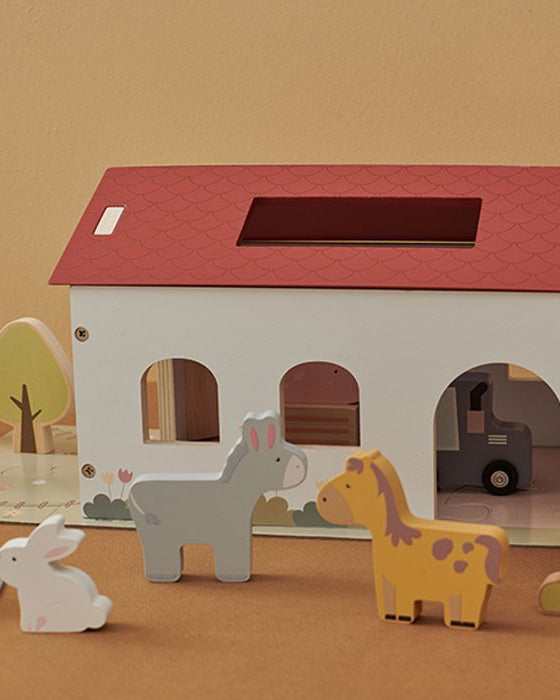
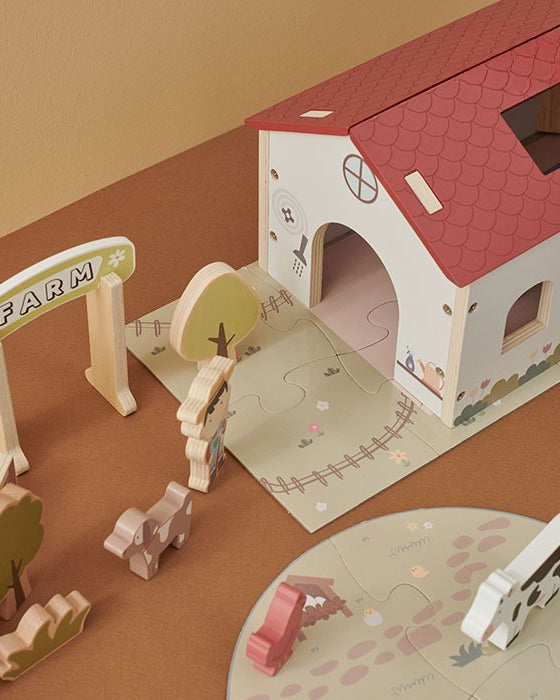
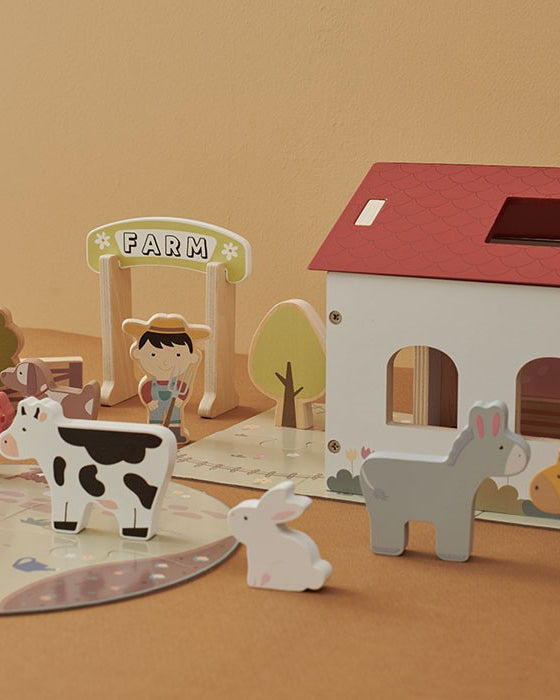
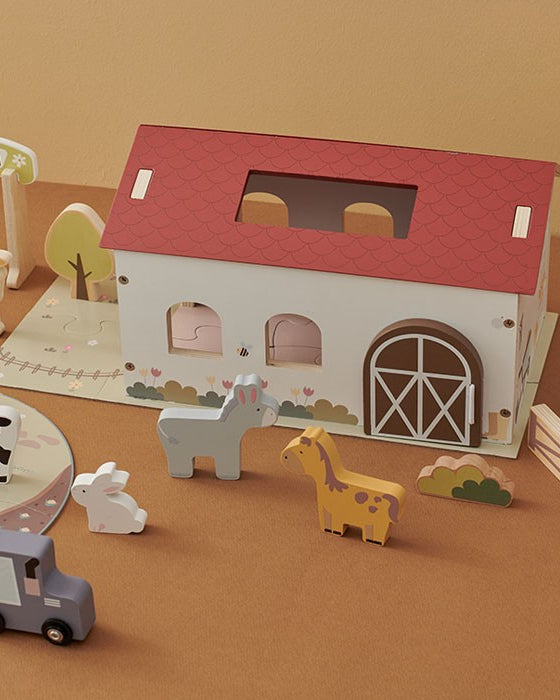
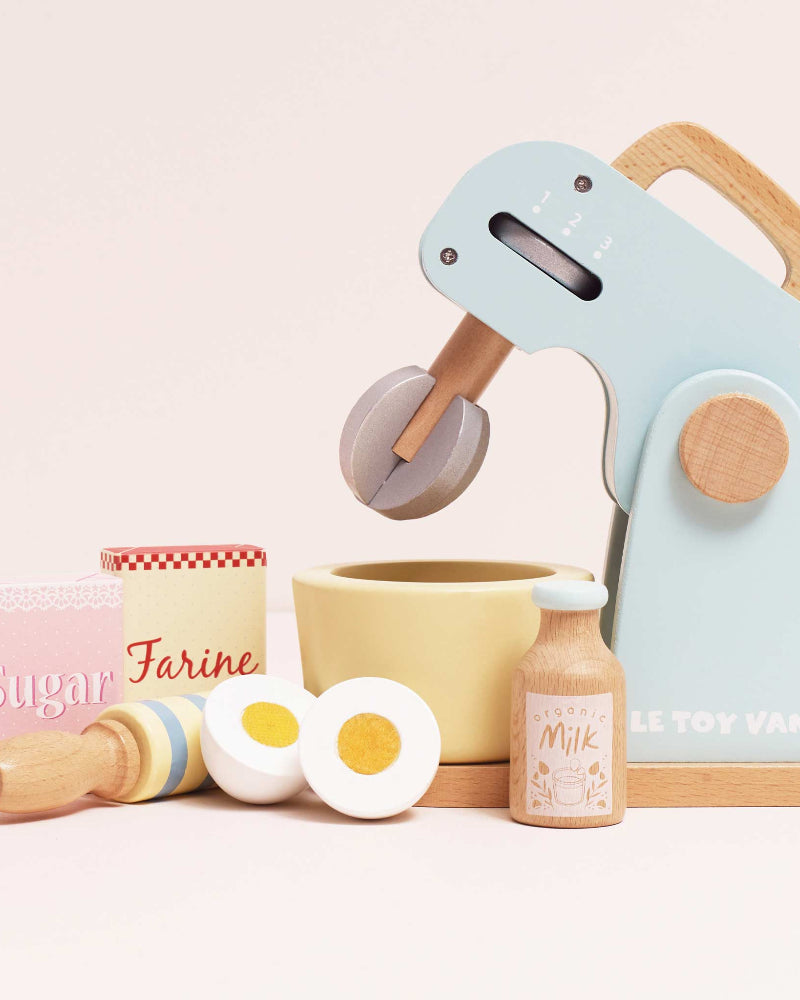
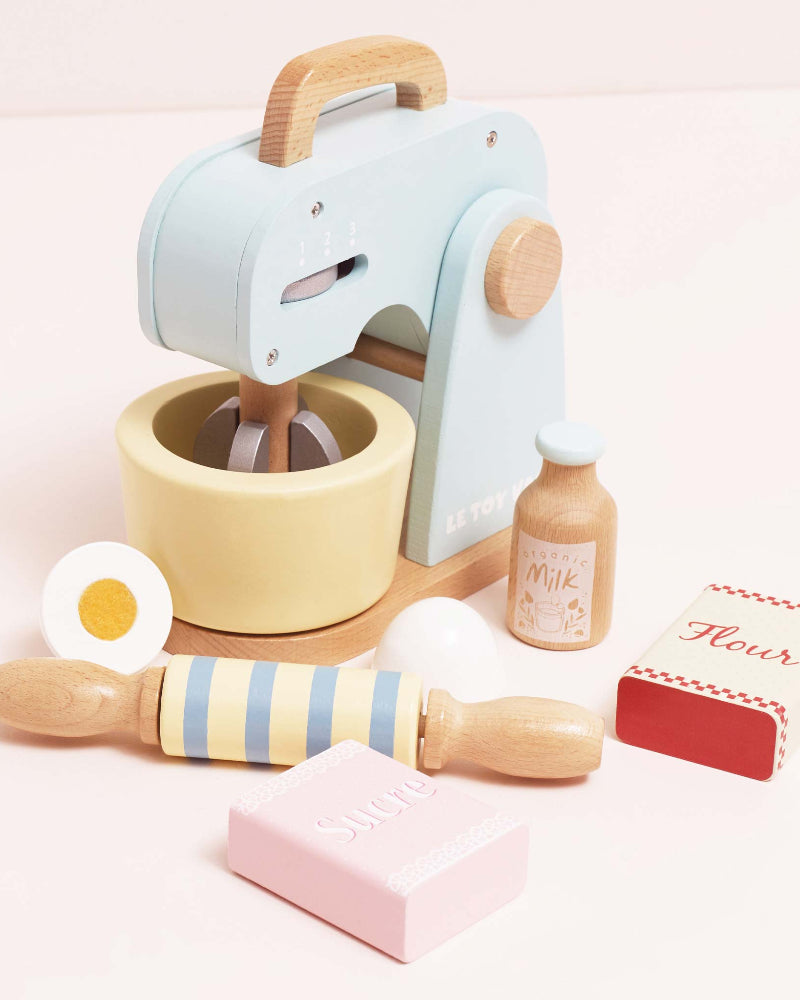
Both. Our collection includes true Montessori materials — sensory toys, stacking and sorting tools, and practical life items that align directly with the traditional Montessori curriculum. It also includes Montessori-inspired toys that share the same core principles — natural materials, open-ended play, no batteries or screens — but aren't part of the formal method. A wooden farmhouse playset or a baker's mixer set aren't things you'd find in a Montessori classroom, but they encourage the same kind of hands-on, child-led exploration. We include both because the underlying principles are what matter for your child's development, not whether a toy fits a strict definition.
Do I need to follow Montessori at home for these toys to work?
Not at all. You don't need a Montessori bedroom, a Montessori shelf, or any formal Montessori training for your child to benefit from these toys. The toys work because of how they're designed — natural materials that engage the senses, open-ended play that lets children lead, and a simplicity that encourages focus rather than overstimulation. Whether you follow Montessori principles at home or just want well-made toys that don't require batteries, these serve both families equally well.