
Open-Ended Play
Open-ended toys are toys without rules, instructions, or right answers. They invite children to invent the play rather than follow it - building, pretending, creating, and exploring in whatever direction their imagination takes them. Every toy in this collection is designed to grow with your child and support years of creative play.
★ No batteries, no screens, no pre-set functions
★ Designed to grow with your child, usable across multiple ages and stages
★ A mix of pretend play, building, sensory, and imaginative toys
★ Curated for creative, child-led play rather than prescribed outcomes
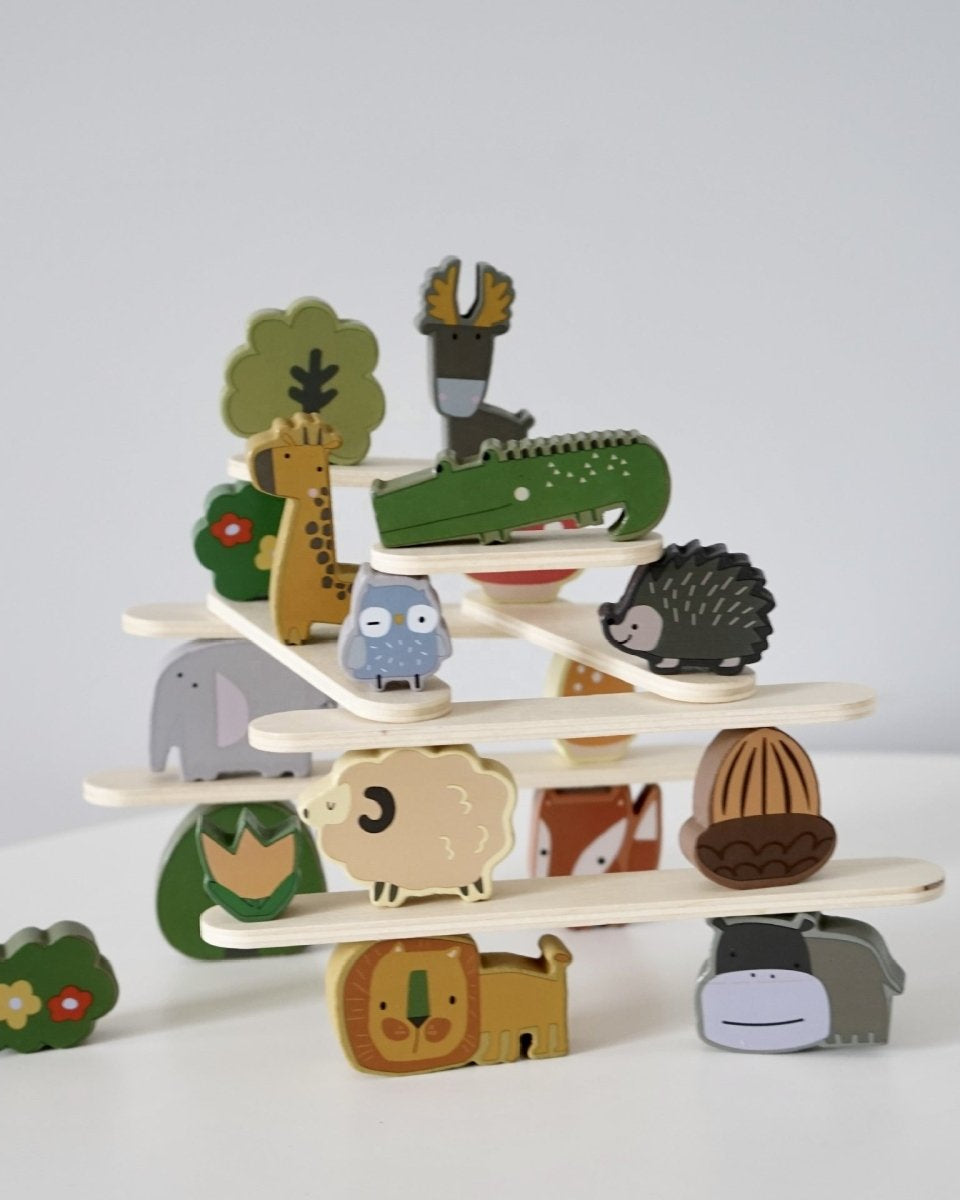
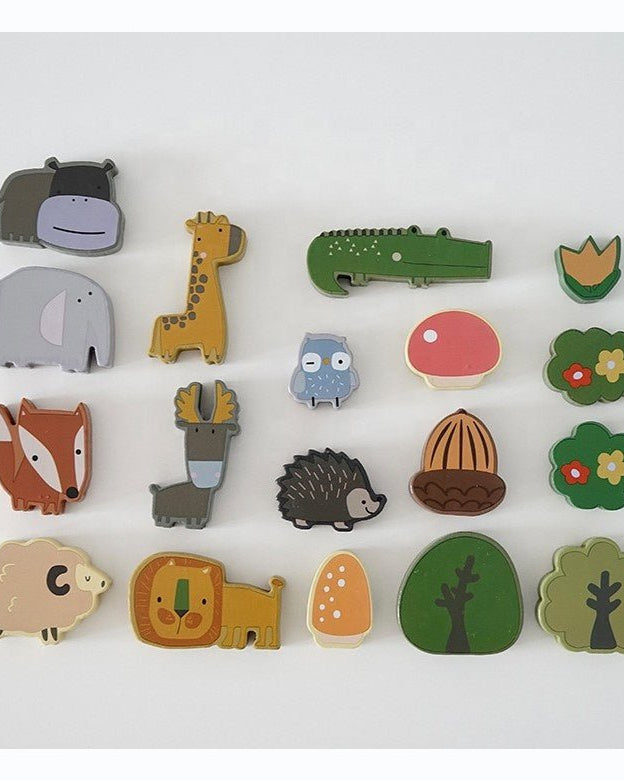
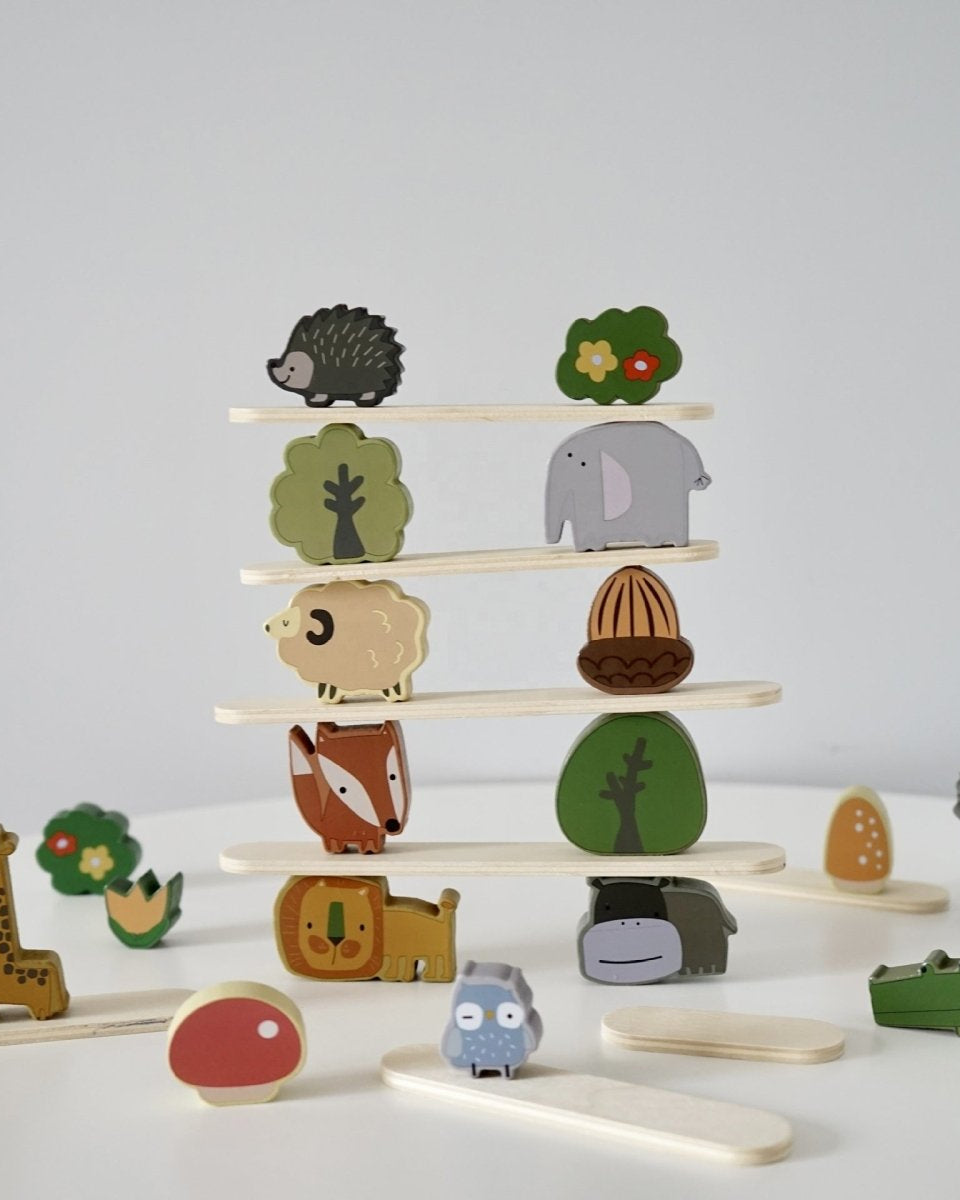
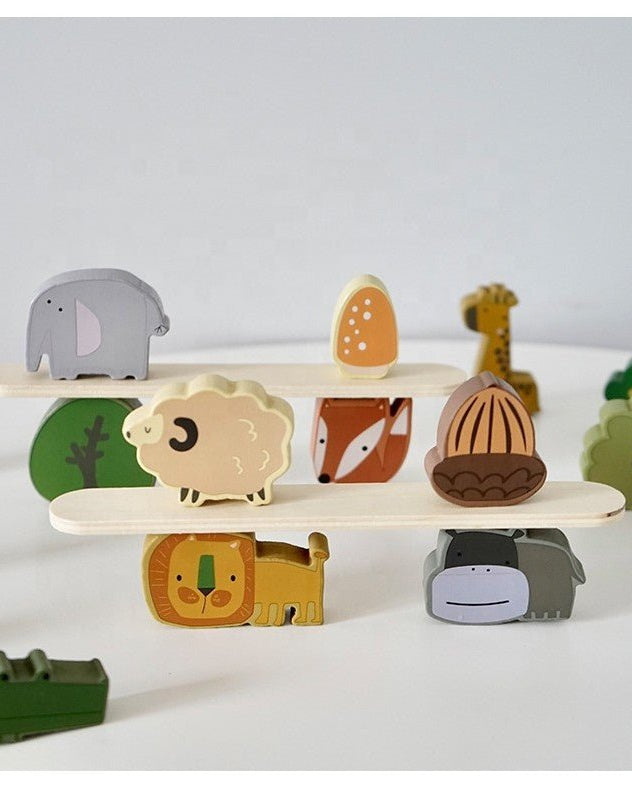






FAQs
What are open-ended toys?
Open-ended toys are toys without rules, instructions, or right answers. There's no single correct way to play with them — a child might use a set of wooden blocks to build a tower today, sort them by color tomorrow, and pretend they're food in a play kitchen next week. The toy doesn't tell the child what to do, which means the child has to invent the play themselves. This is different from closed-ended toys like puzzles, shape sorters, or battery-operated toys that have one specific function. Closed-ended toys build specific skills like problem-solving and cause-and-effect understanding, which is valuable — but open-ended toys build creativity, imagination, and flexible thinking because the child has to figure out what the toy should do. Most families benefit from having both kinds, but open-ended toys tend to hold a child's attention for longer because they adapt as the child grows and their interests change.
What are the benefits of open-ended play for children?
Open-ended play builds skills that closed-ended toys can't develop as effectively. The most obvious benefit is creativity — when a child has to invent what a toy should do, they're practicing creative thinking every single time they play. Beyond creativity, open-ended play supports problem-solving (figuring out how to make a tower stand, how to fit blocks together, how to tell a story with stuffed animals), emotional regulation (pretend play lets children work through real feelings in safe imaginary scenarios), language development (children narrate their play, which builds vocabulary and storytelling skills), and social skills when playing with others. Research on child development consistently shows that children who spend more time in self-directed, imaginative play tend to develop stronger creative thinking and problem-solving abilities as they grow older. The short version: open-ended play is where children practice the skills they'll need as adults.
What are good open-ended toys for a 4 year old?
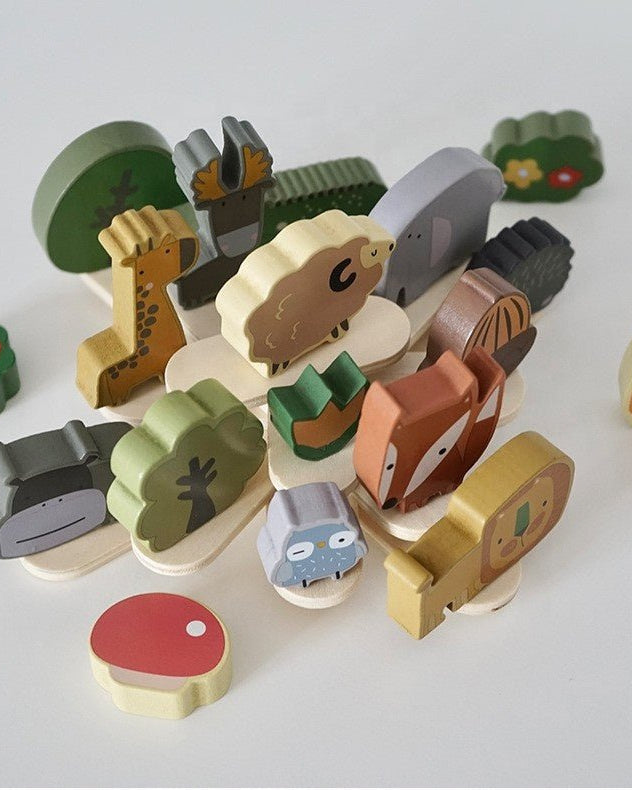
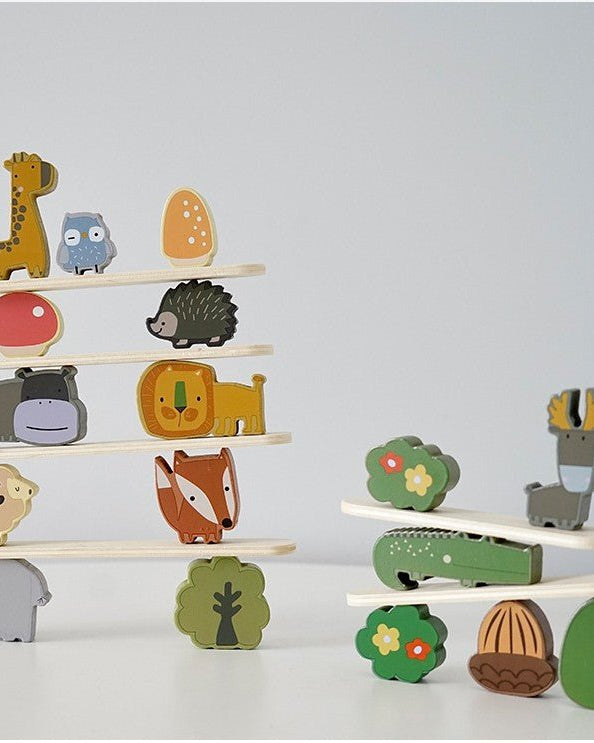
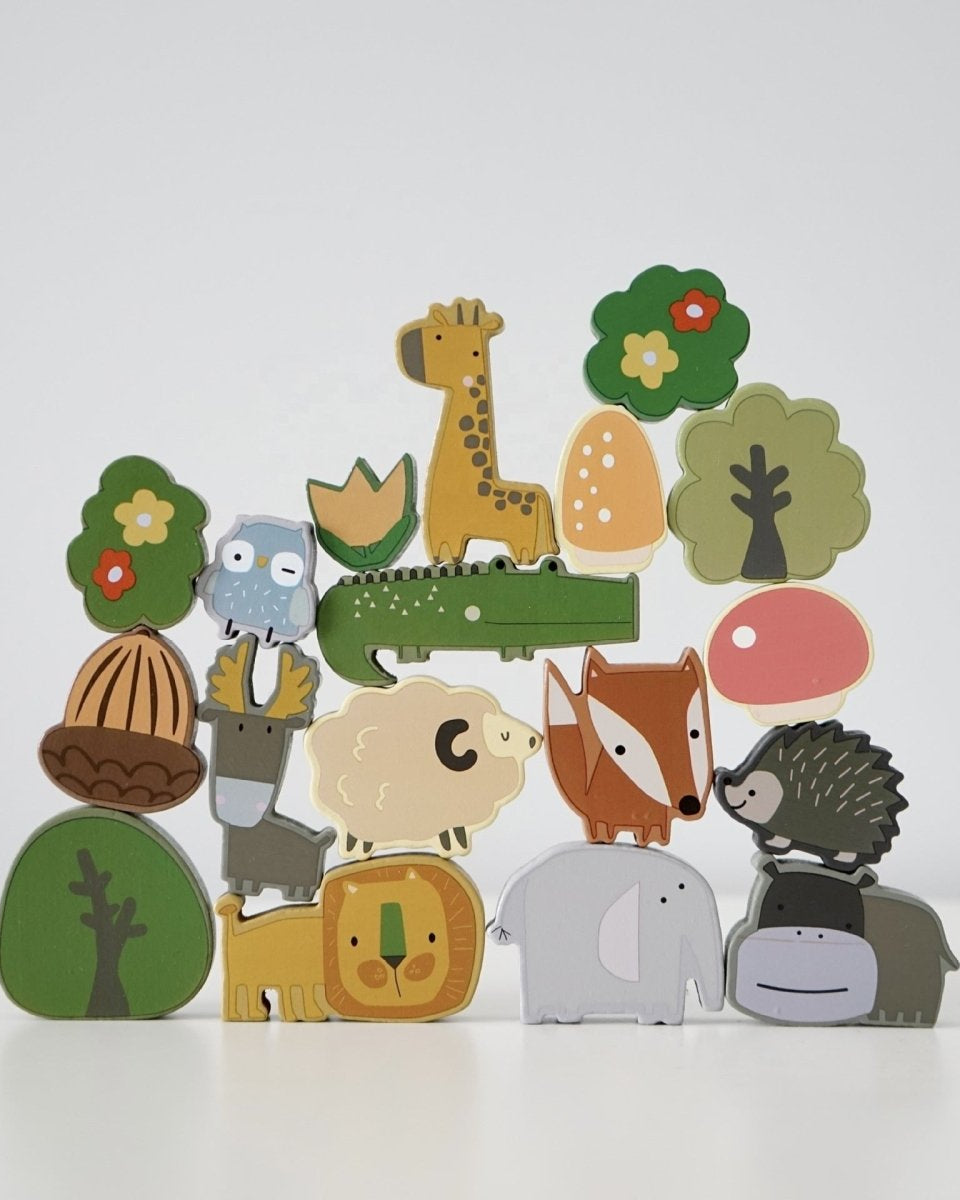
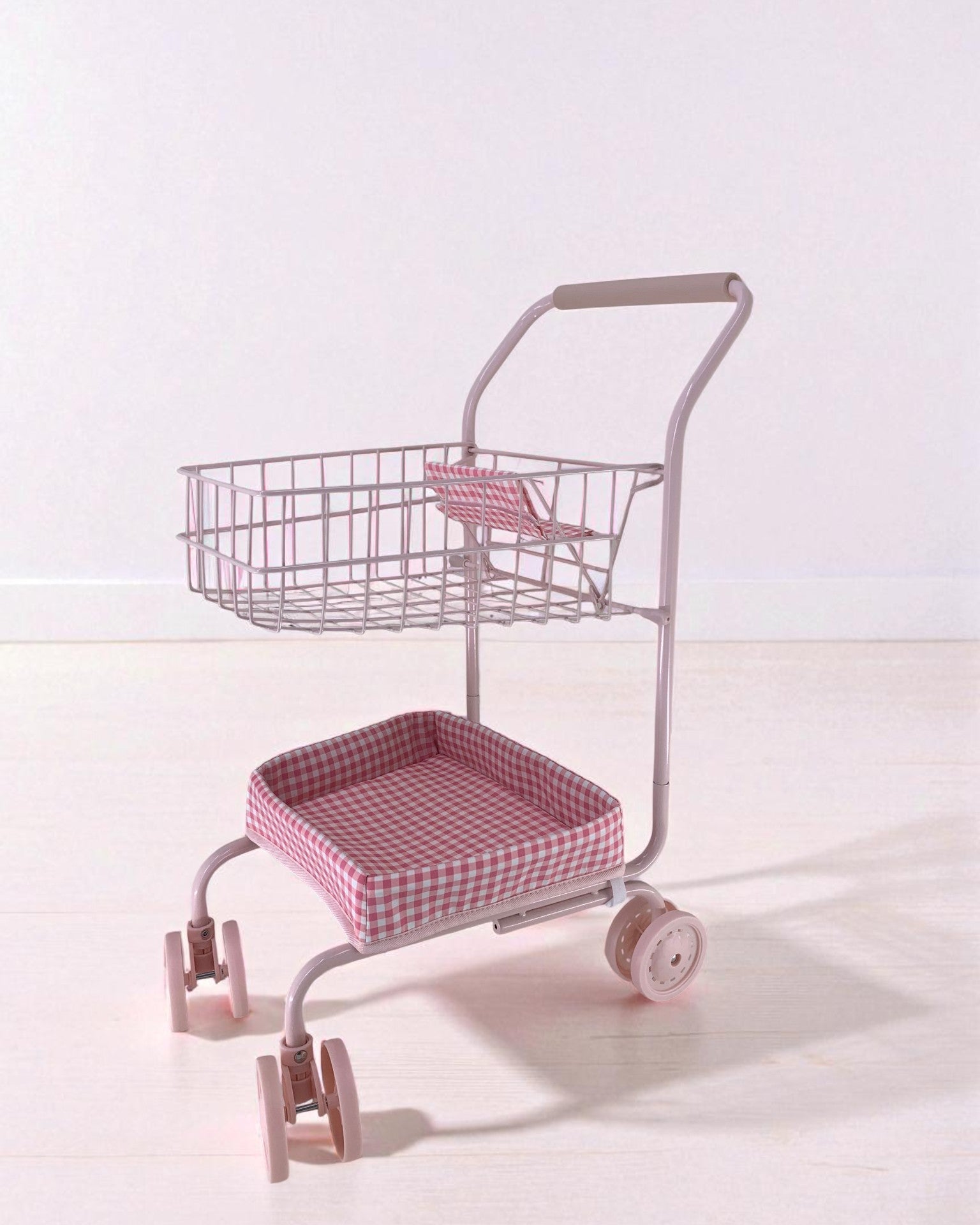
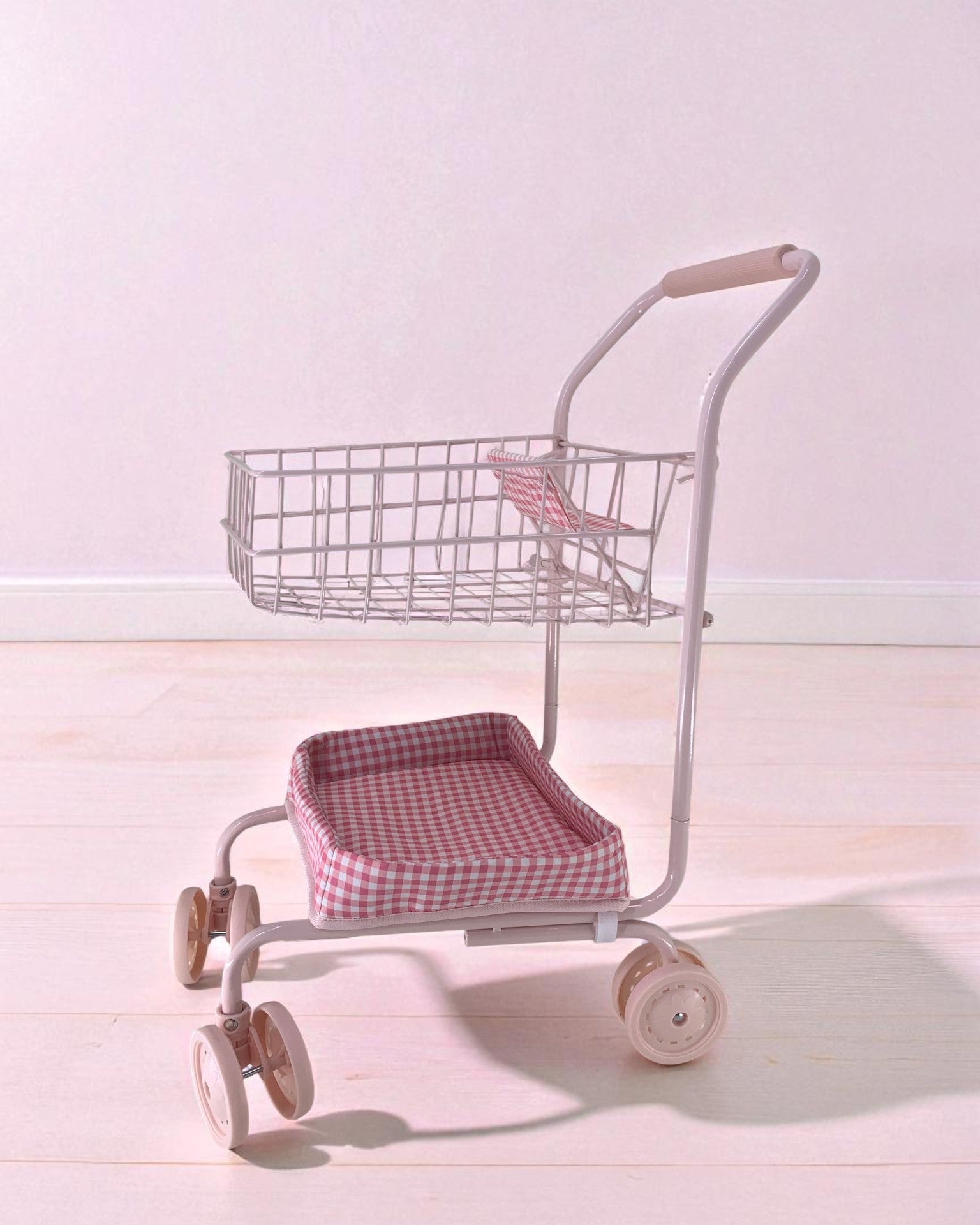
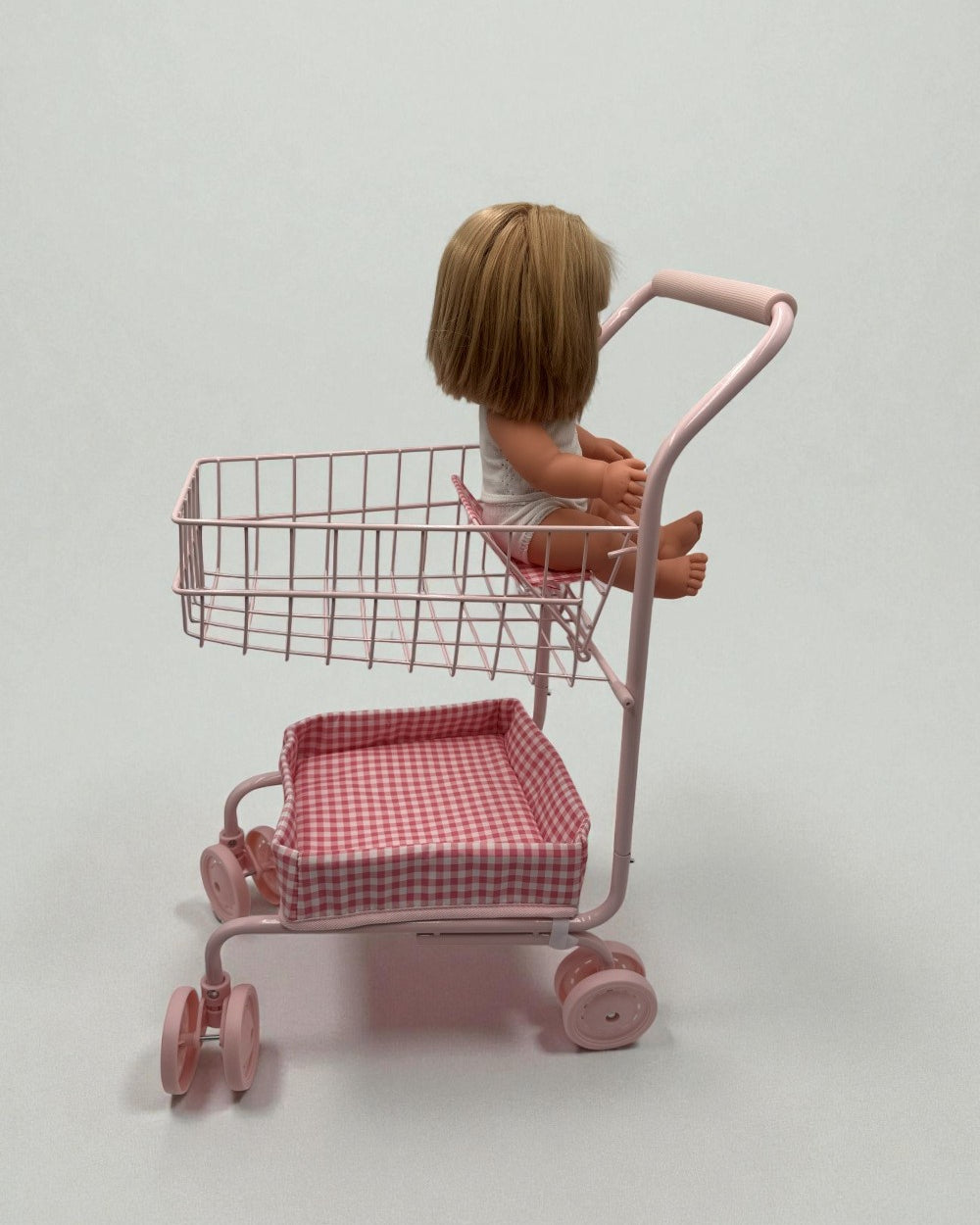
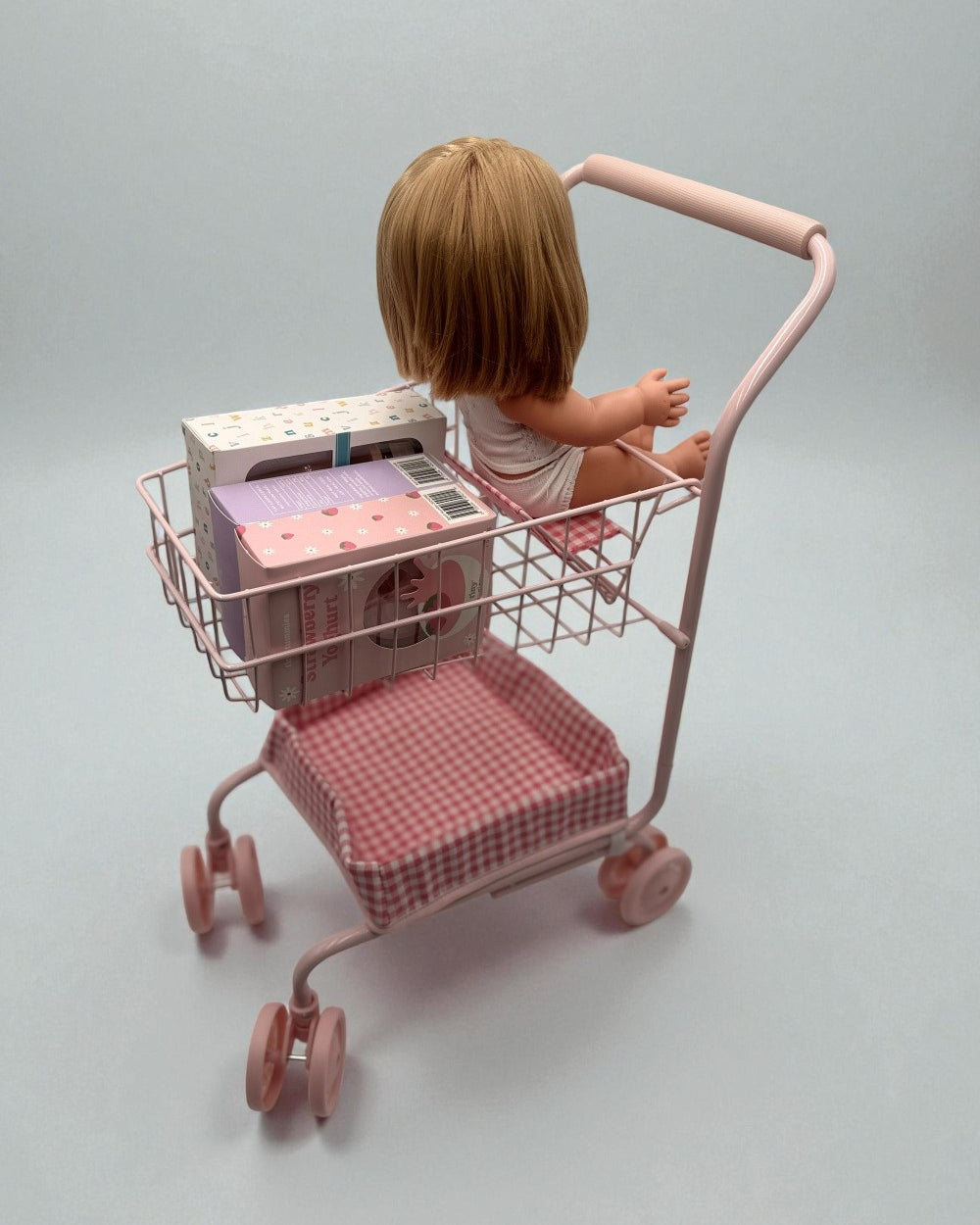
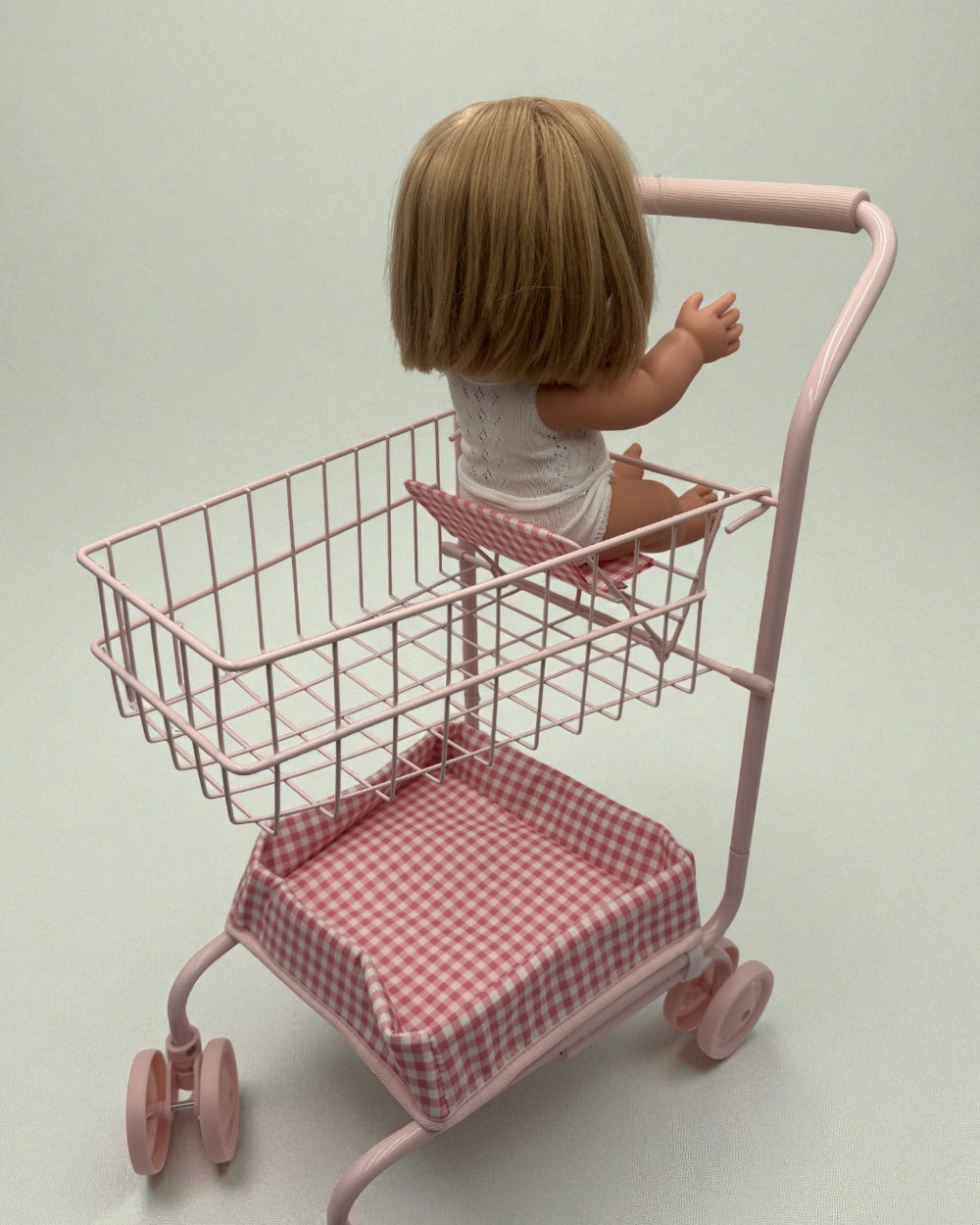
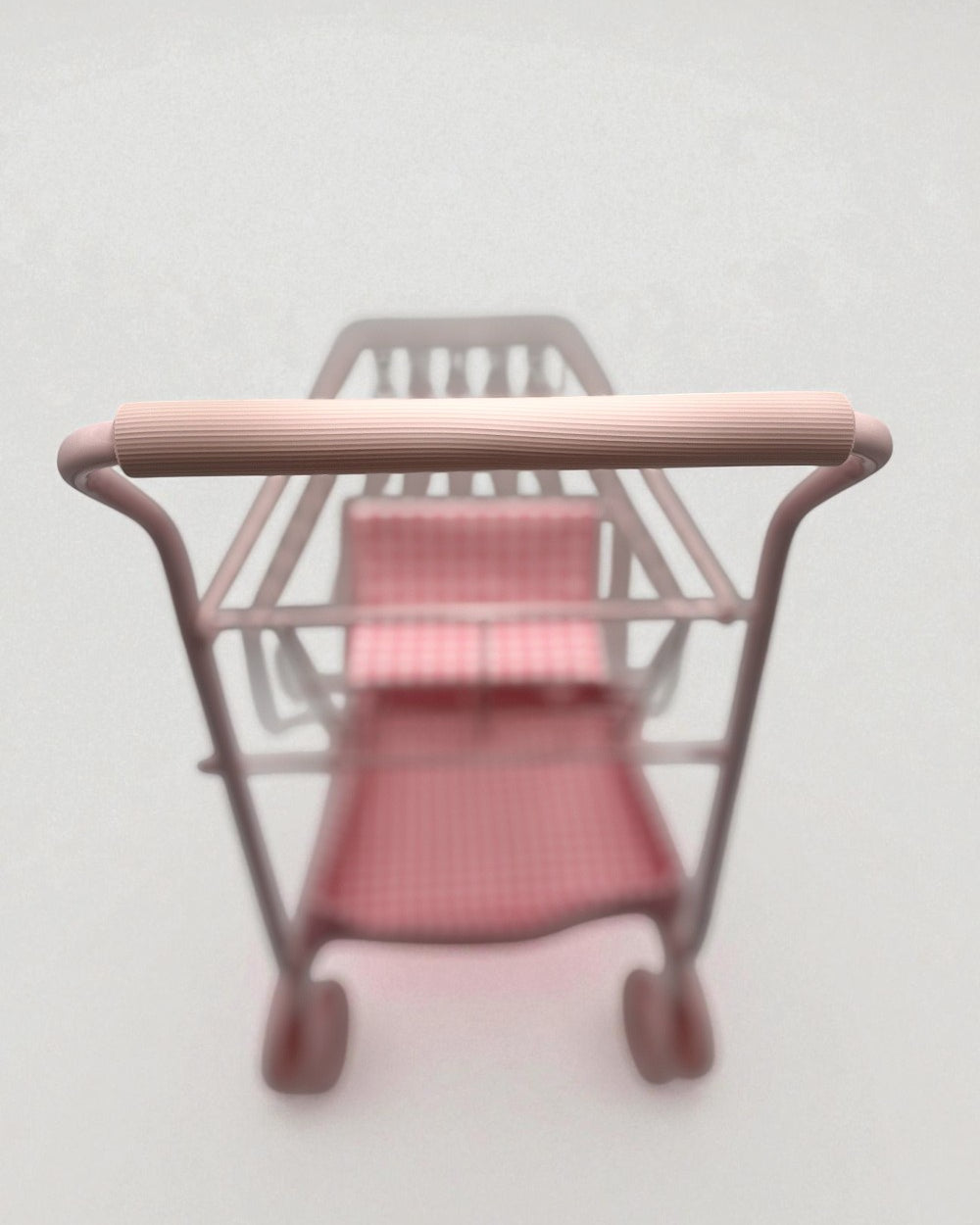
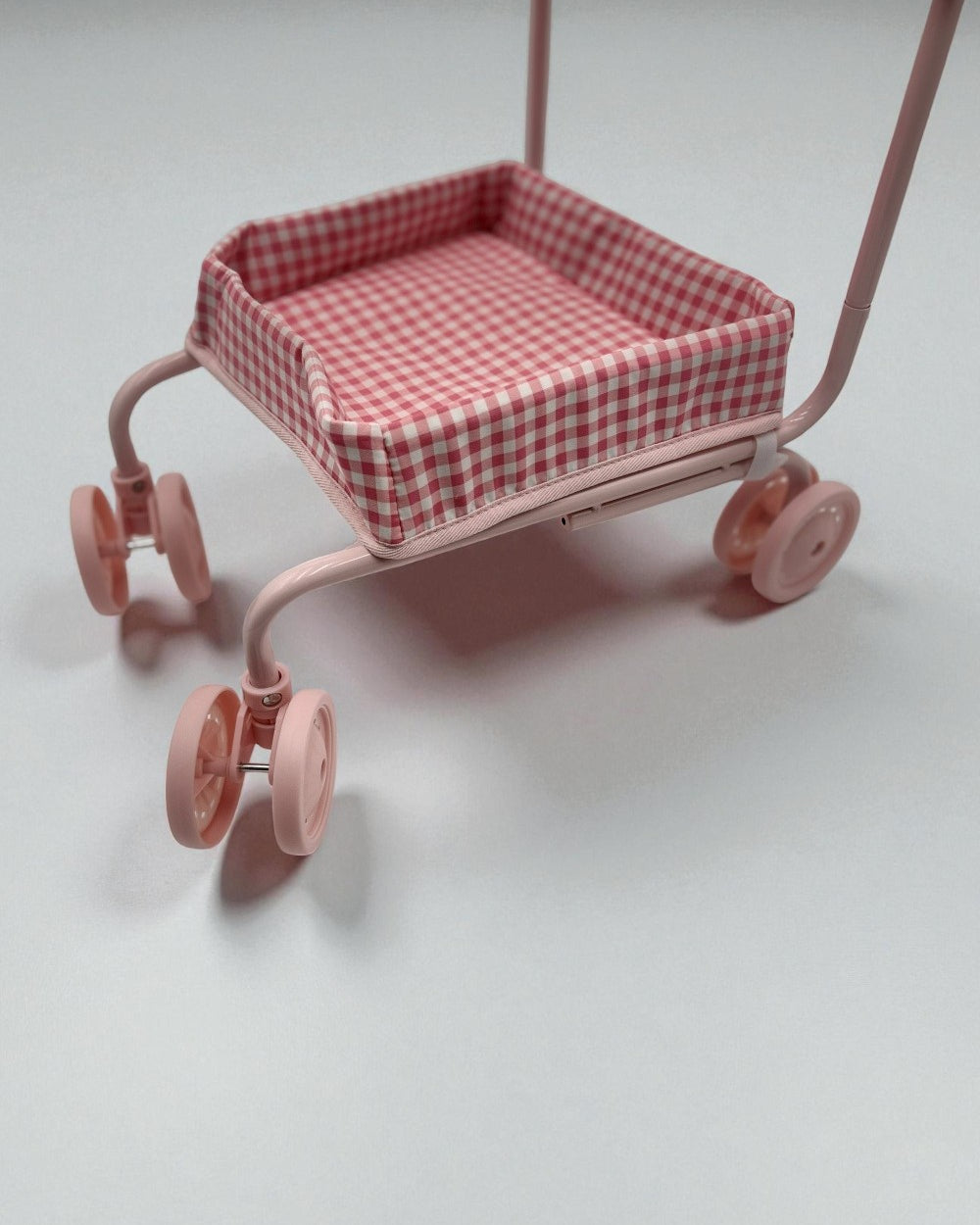
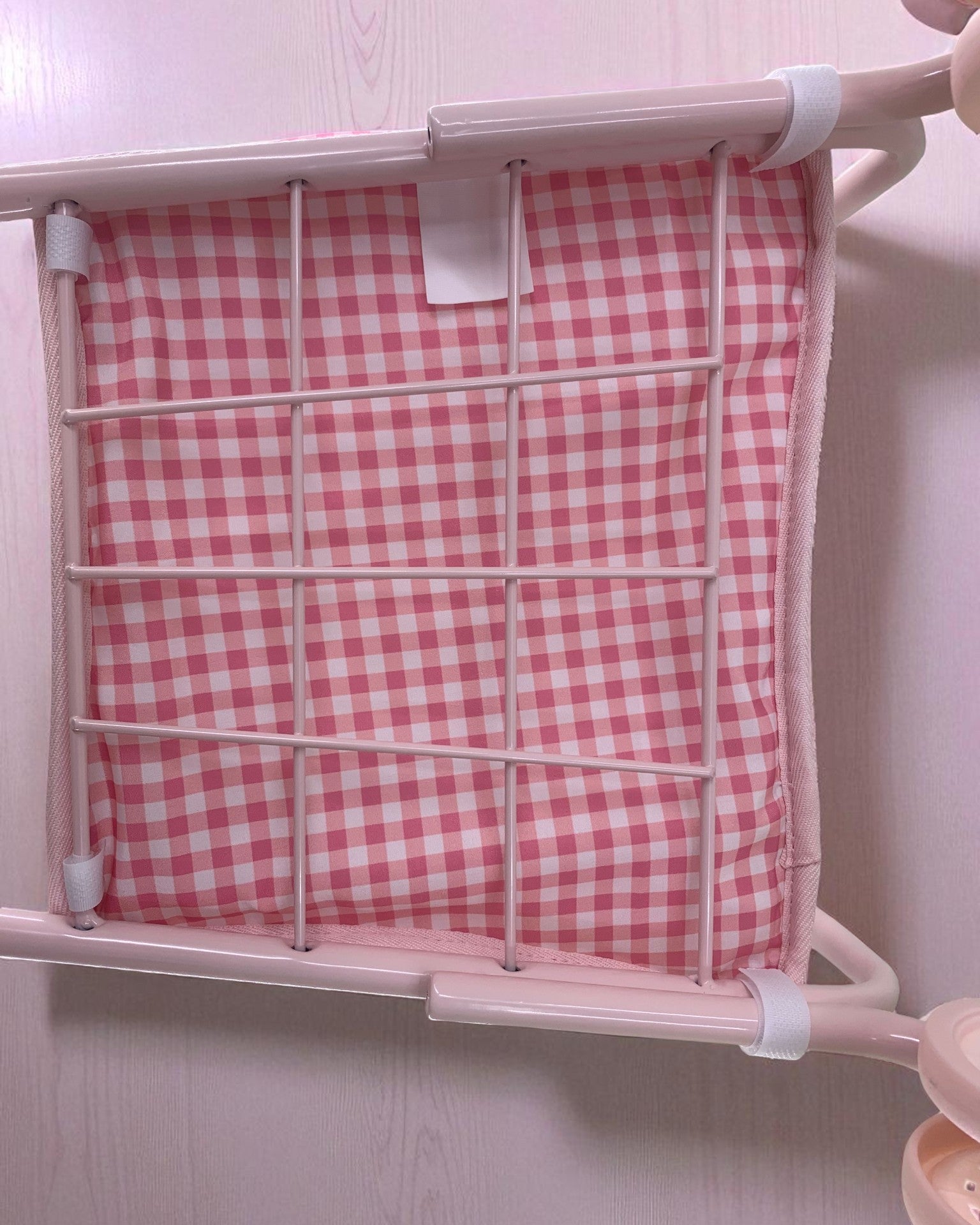
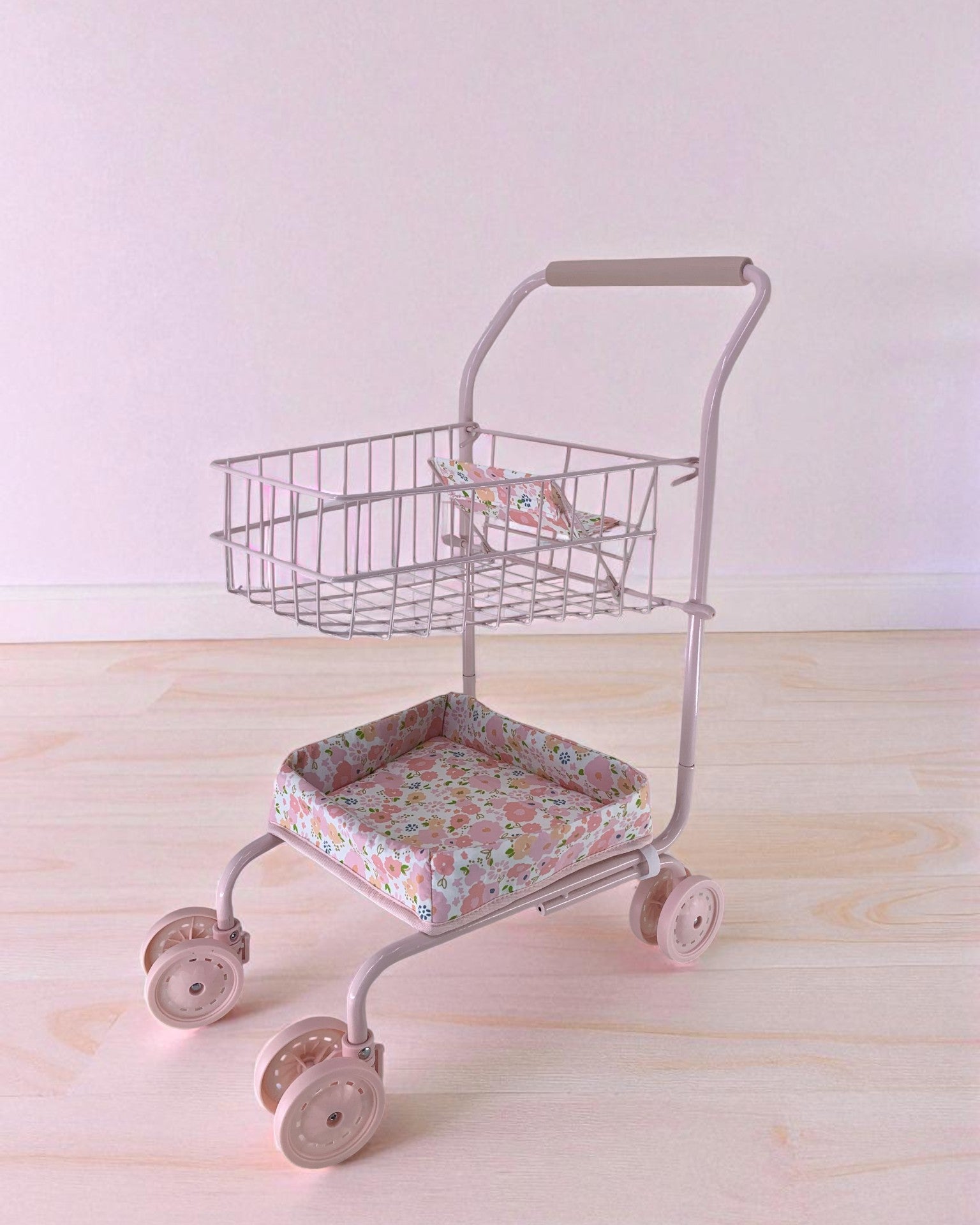
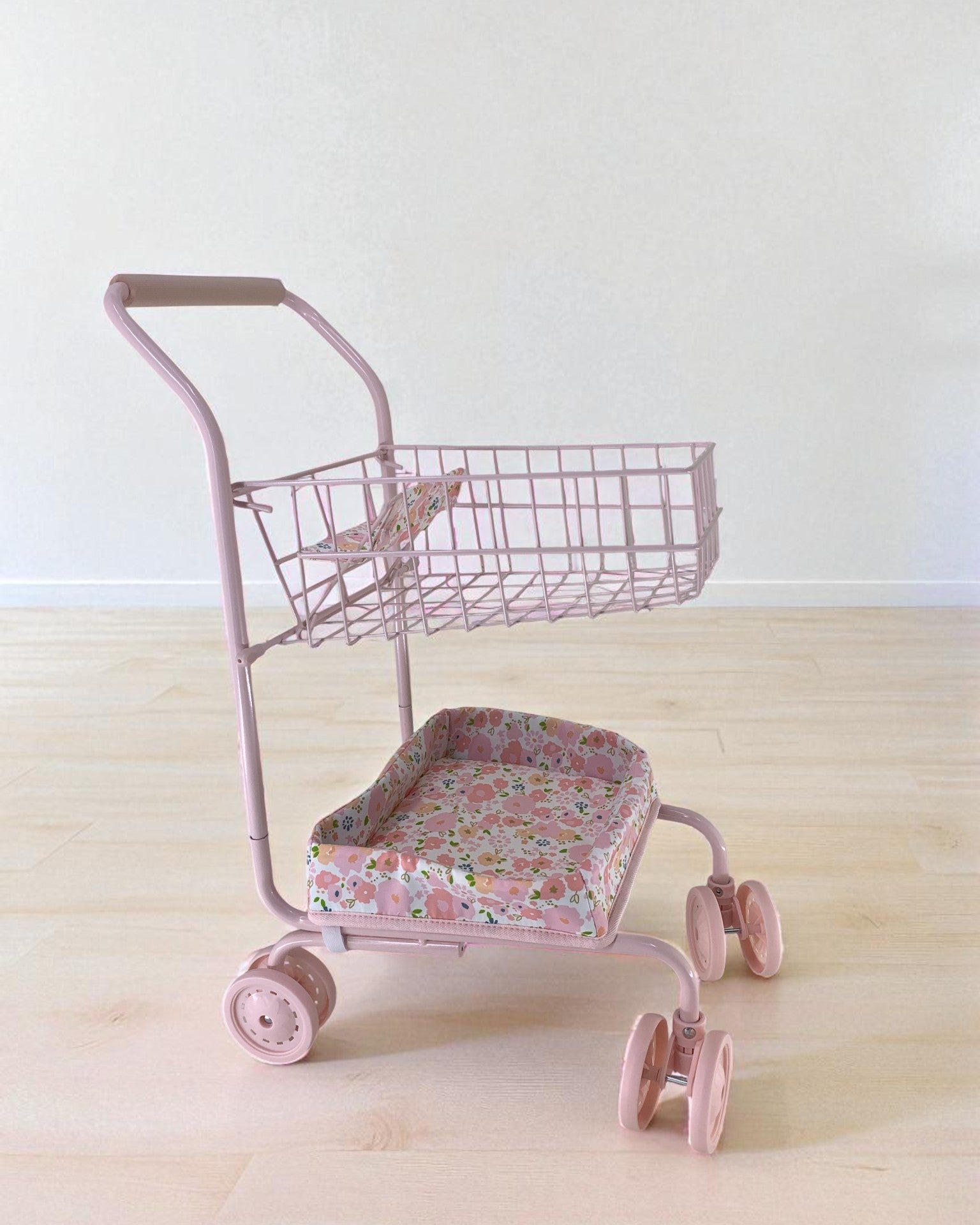
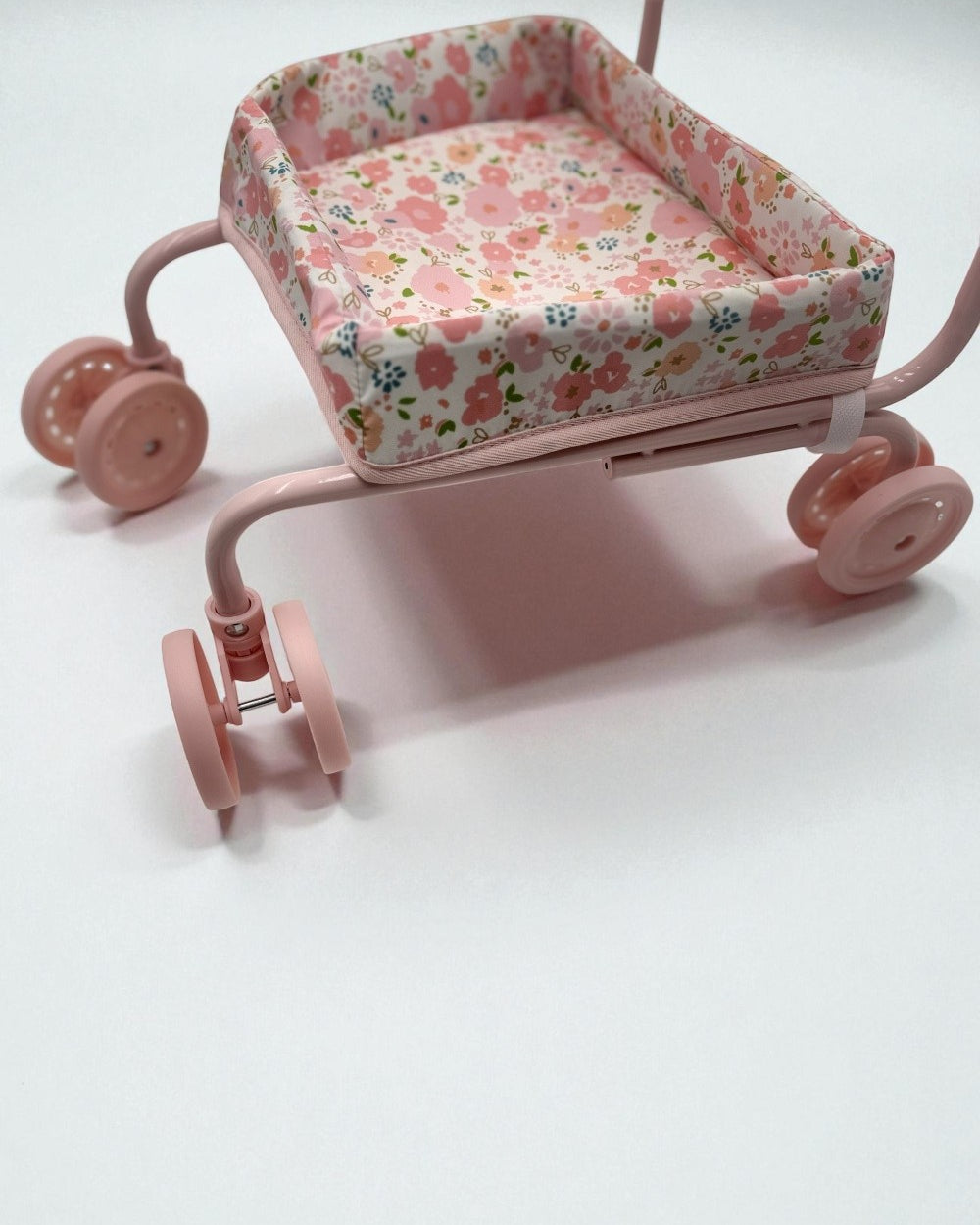
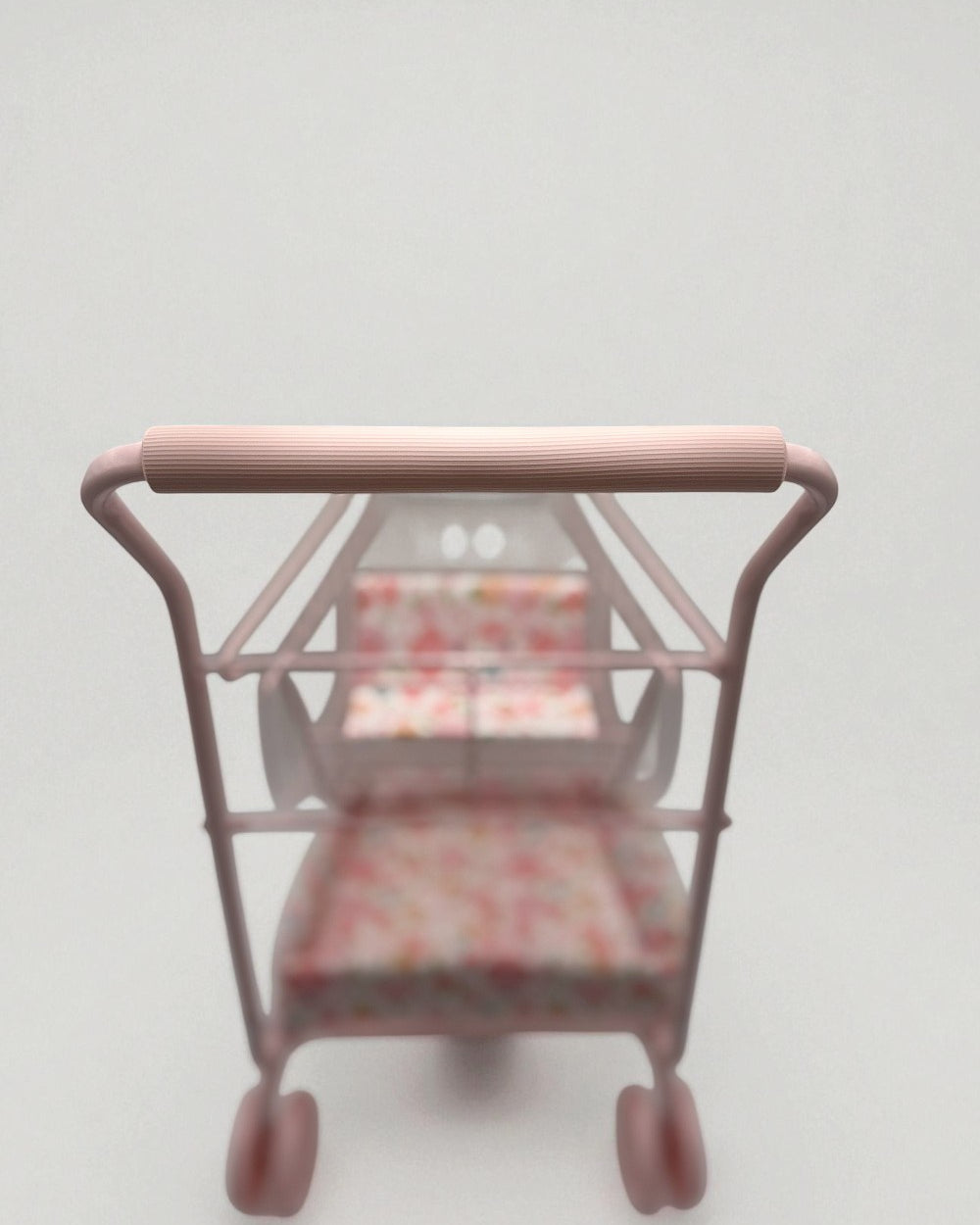
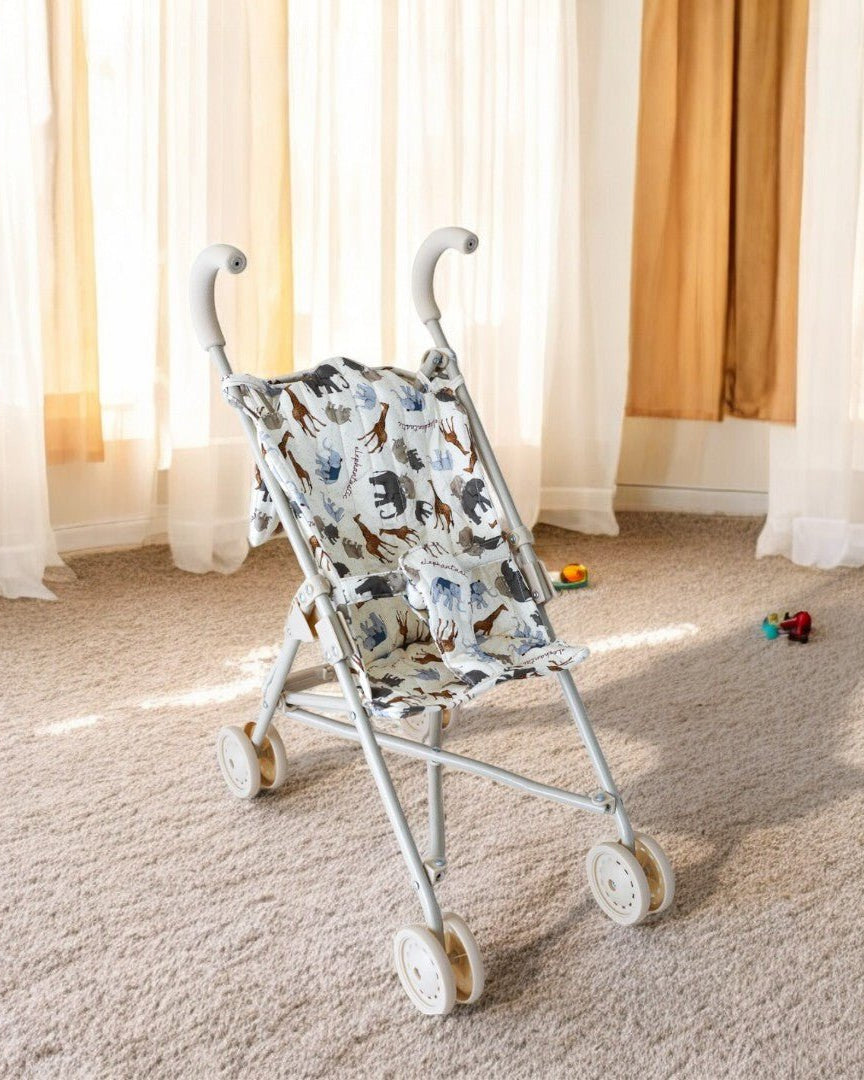
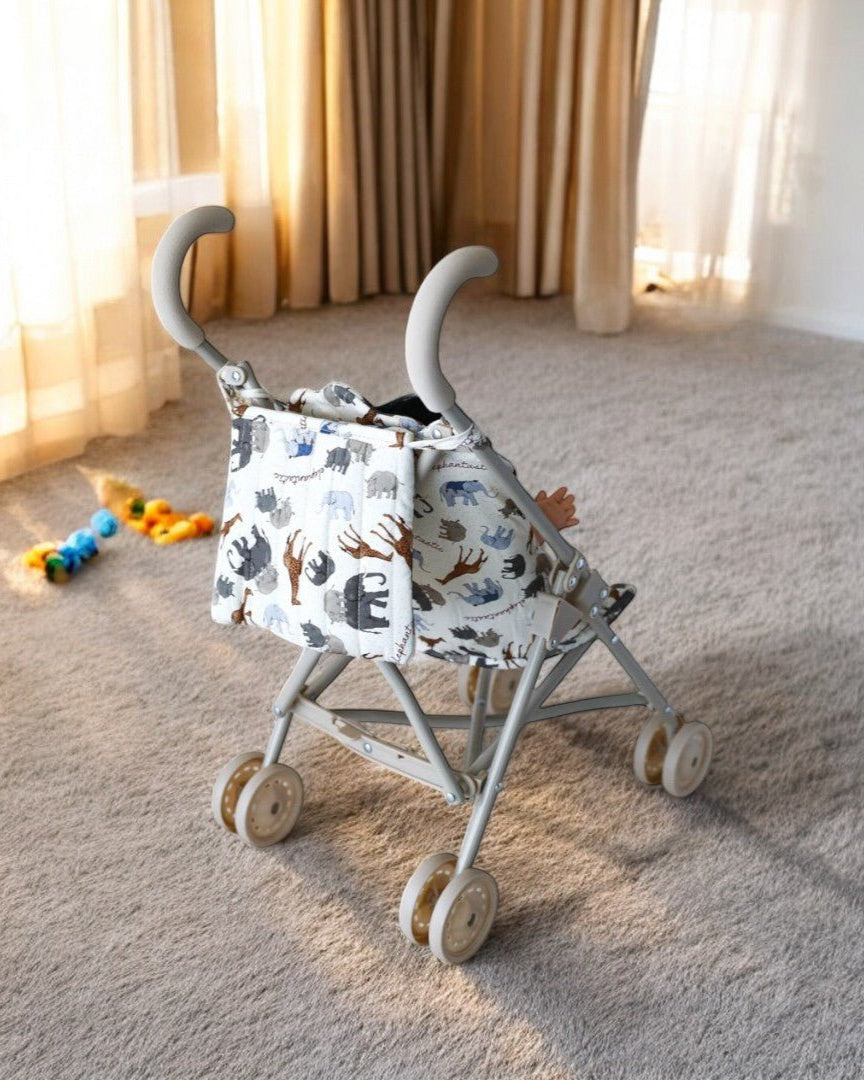
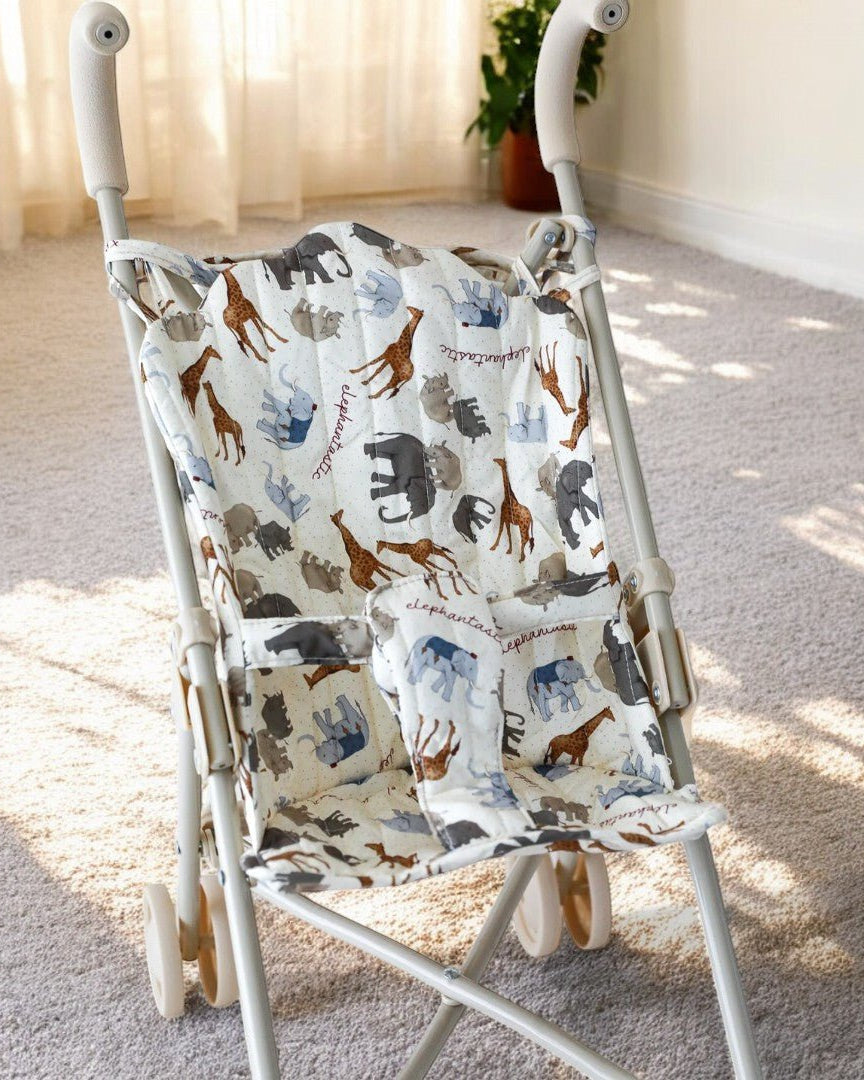
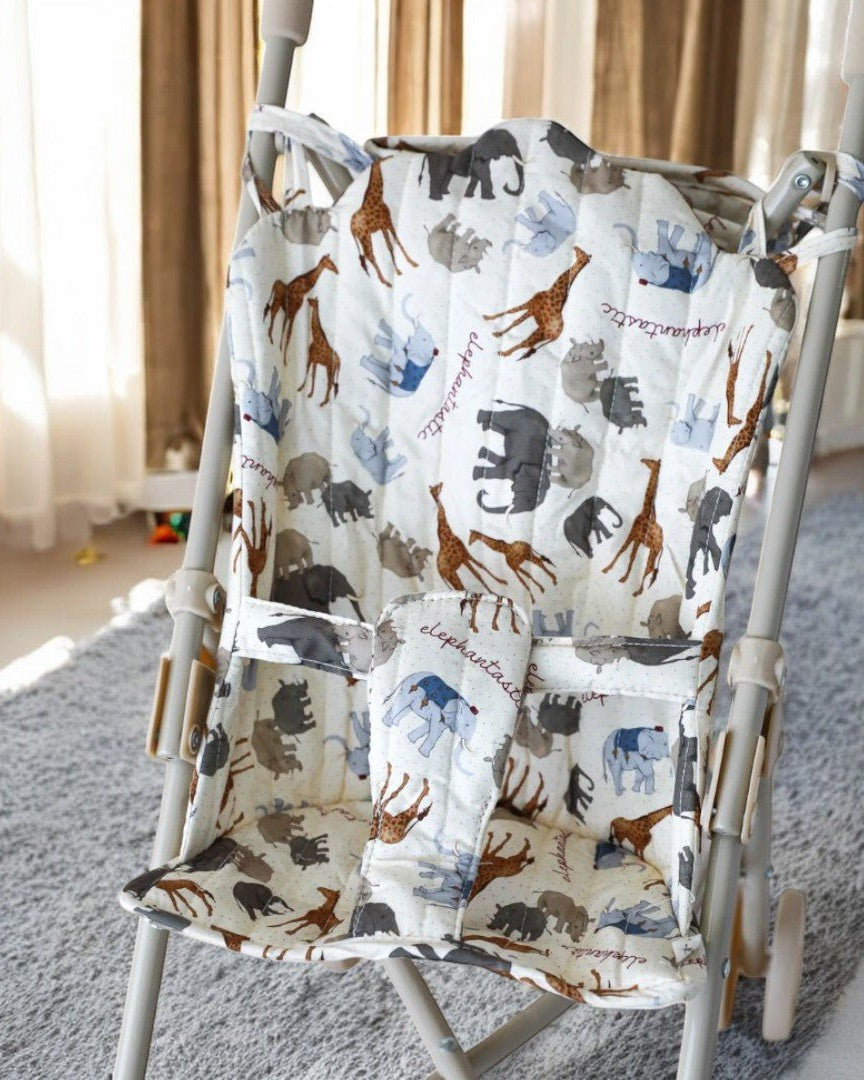
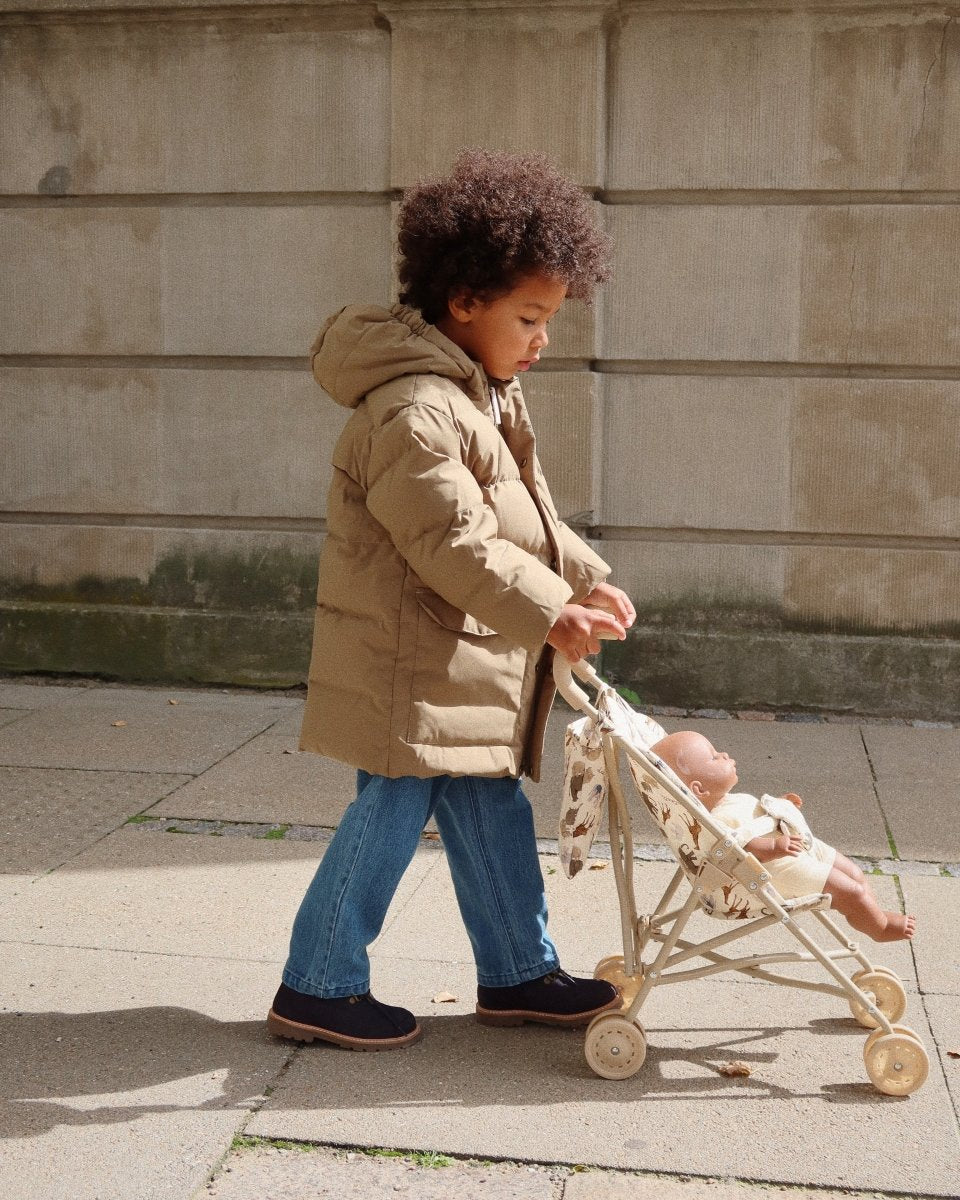
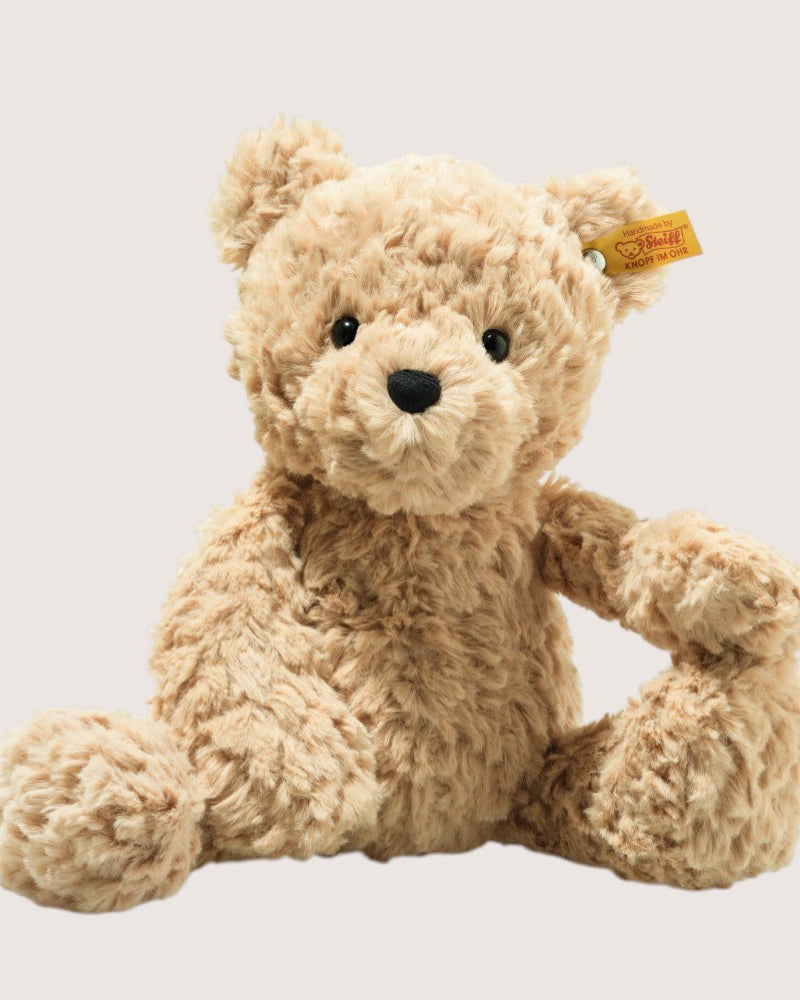
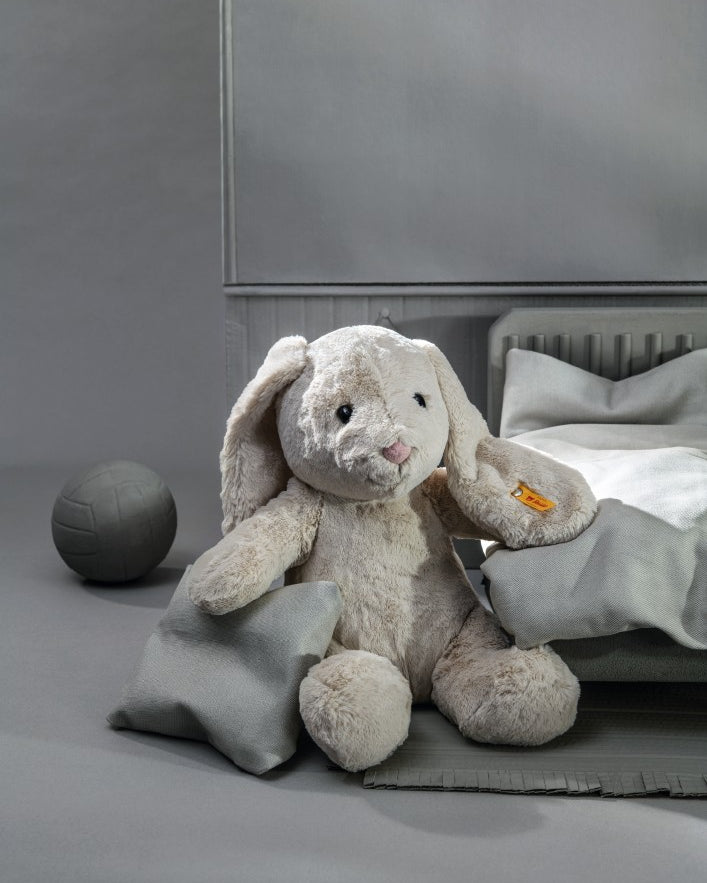
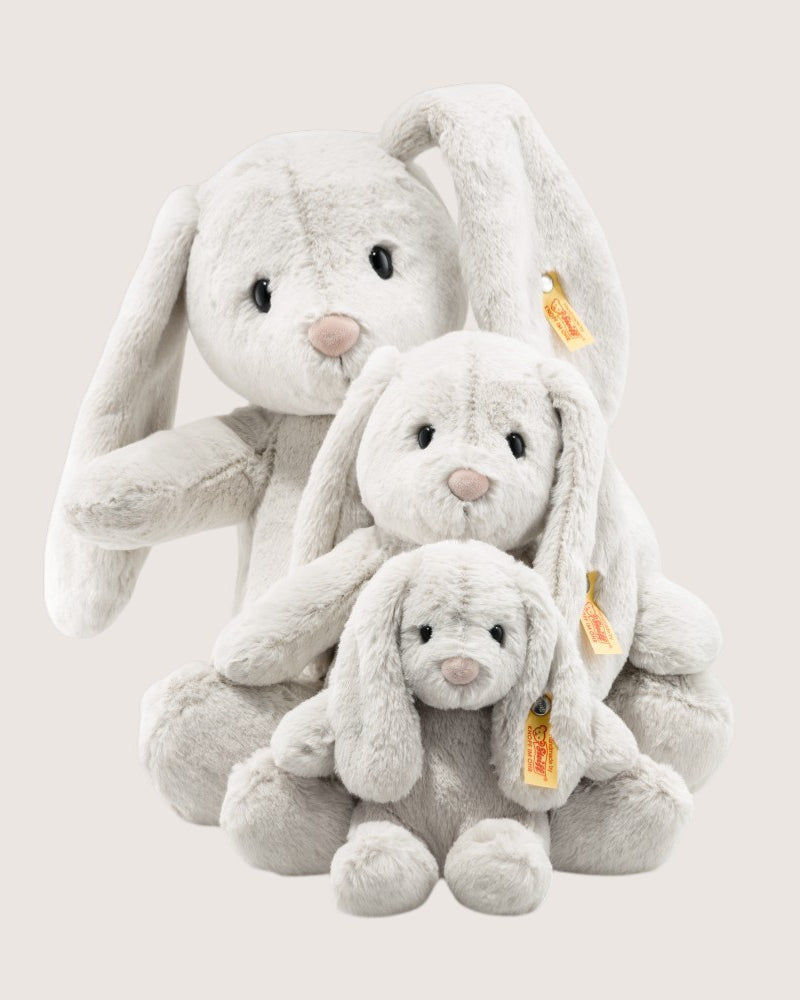
By age 4, children are ready for open-ended toys that support more complex imaginative play and storytelling. Good options include building blocks and construction sets (more pieces, more possibilities), pretend play sets like doll strollers, shopping carts, and play kitchens, doll and stuffed animal collections that can become characters in made-up scenarios, and environmental toys like our ball pit that create a space for imaginative games to unfold. At this age, the best open-ended toys are the ones that connect to what your child is already interested in. If they love animals, stuffed animals and animal figures become the foundation of hours of storytelling. If they love building, blocks and stacking sets keep them engaged. Watch what holds your child's attention and expand from there — most 4 year olds will give you clear signals about what kind of play they're drawn to.
How many open-ended toys should a child have?
Fewer than you'd think. Most children play more deeply with a small, curated collection than with an overflowing toy box. Ten to fifteen well-chosen open-ended toys is often enough to support years of creative play, especially if the toys combine well with each other — blocks that work with vehicles, stuffed animals that ride in doll strollers, ball pits that become landing pads for other toys. When children have too many options at once, they tend to switch quickly between toys without engaging deeply with any of them. A good rule of thumb: if your child is cycling through toys without settling into any one thing, they probably have too many visible options, not too few. Toy rotation helps — put some toys away for a few weeks, then reintroduce them later. Children come back to rotated toys with fresh interest and new ideas.
How do I get my child to play with open-ended toys?
Start small and be patient. Children who are used to battery-operated or screen-based toys sometimes need time to adjust to toys that don't entertain them automatically. The transition isn't usually dramatic — it just takes a few weeks of consistent availability. A few things that help: put the open-ended toy somewhere your child sees it regularly, not tucked away in a bin. Reduce the number of closed-ended toys available at the same time so there's less competition. Model the play occasionally without taking over — stack a few blocks yourself, then walk away and let your child decide what happens next. Resist the urge to show them how to play with the toy, since the whole point is that there's no correct way. Most importantly, give it time. The first time a child really clicks with an open-ended toy — the moment they invent something unexpected — is usually the beginning of a long relationship with that toy.
What makes your open-ended toys different?
Three things. First, curation — every toy in this collection was chosen because it genuinely invites creative, self-directed play. We don't include toys that claim to be open-ended but actually have pre-set functions or restricted uses. Second, quality and safety — every product is independently third-party tested through a CPSIA-accredited lab in the US, and we prioritize toys built to survive years of intensive, imaginative use. Open-ended toys get played with hard, and cheap materials don't hold up. Third, variety across categories — we didn't just pile up wooden blocks and call it an open-ended collection. You'll find building toys, pretend play sets, sensory environments like our ball pit, and caregiving toys like doll strollers and stuffed animals. The mix is intentional, because children benefit from having open-ended options across multiple types of play.
Do open-ended toys require more parental involvement?
Actually, the opposite — once children get used to them, open-ended toys typically require less parental involvement than battery-operated or screen-based toys. The reason is that open-ended toys sustain attention for longer. A child who's deep in an imaginative scenario with blocks, dolls, or a ball pit can play independently for 30 to 45 minutes or more, which is rare with closed-ended toys that lose their novelty quickly. There may be a short adjustment period if your child is used to toys that do the entertaining for them — during that phase, a little modeling or participation helps. But once the habit of self-directed play takes hold, open-ended toys become one of the best ways to give yourself quiet time. Many families tell us the real benefit isn't just what the toys do for their children — it's the 30 minutes of uninterrupted coffee they finally get in the morning.