
Wooden Toys
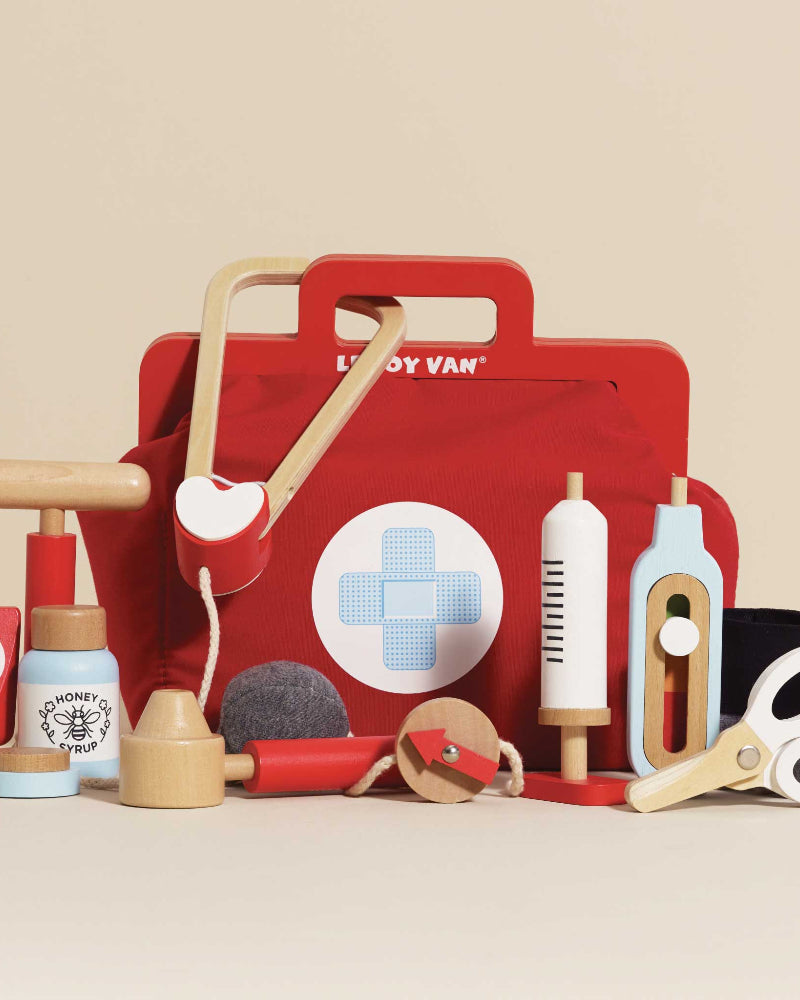
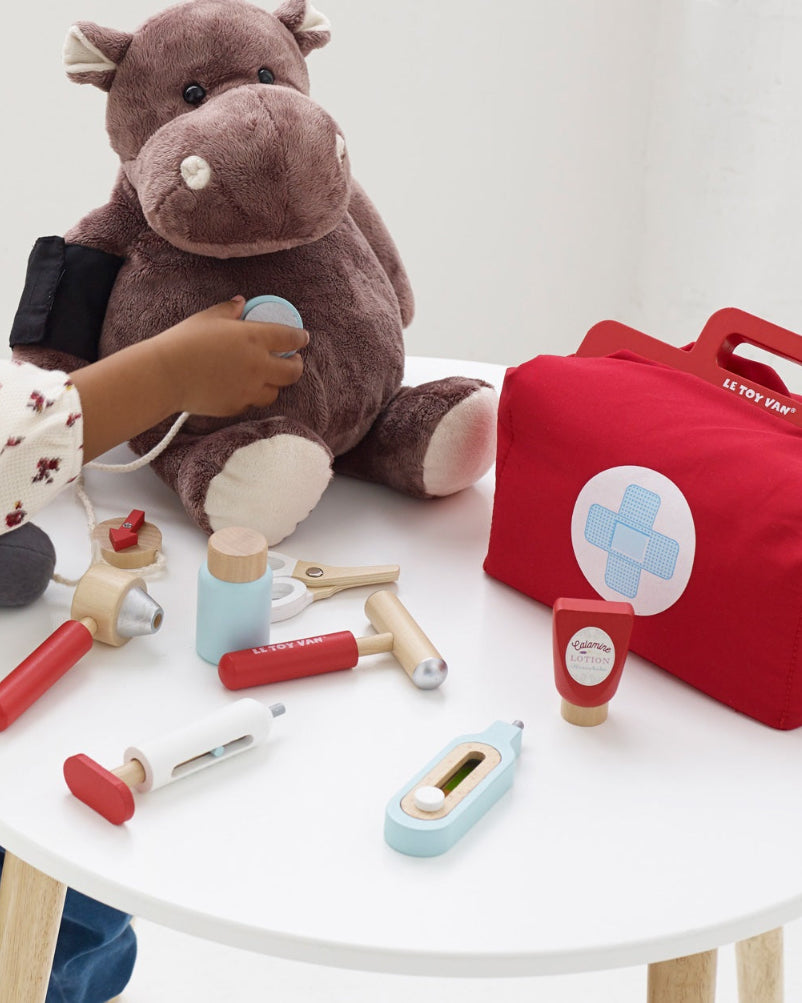
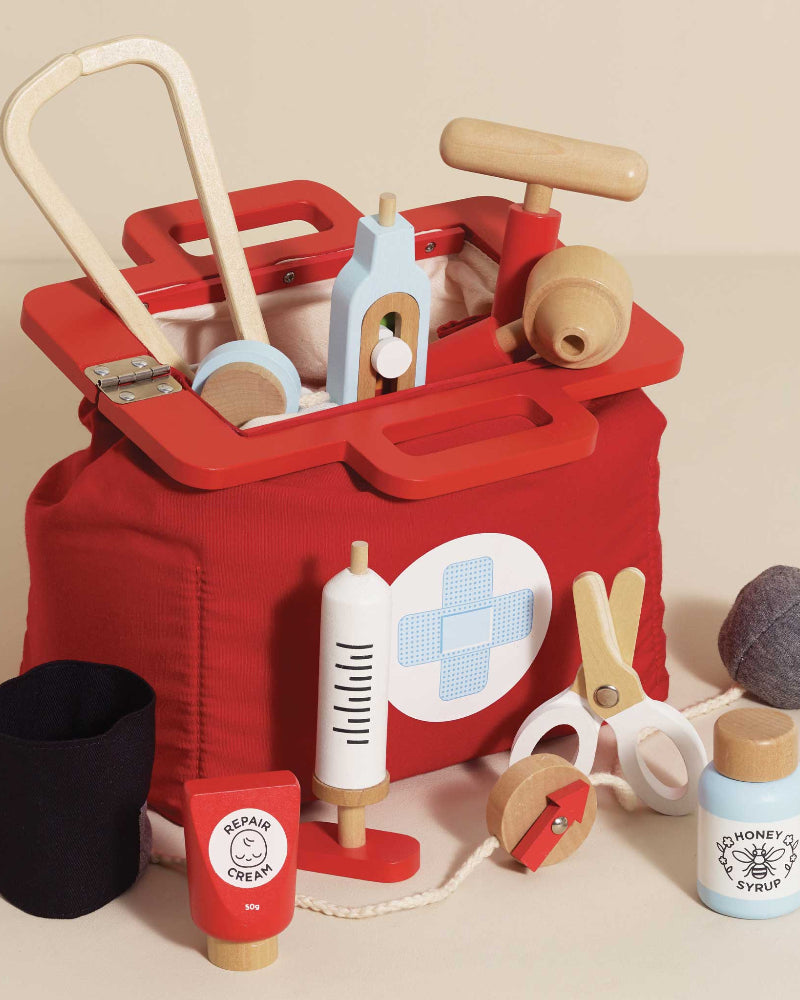
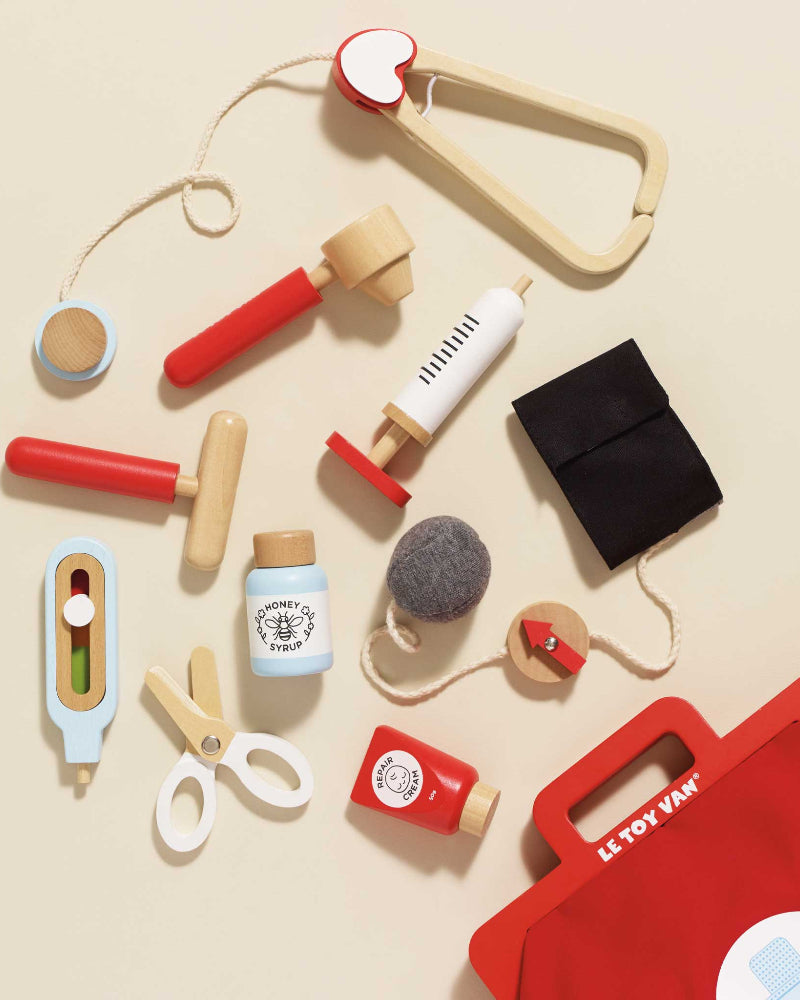
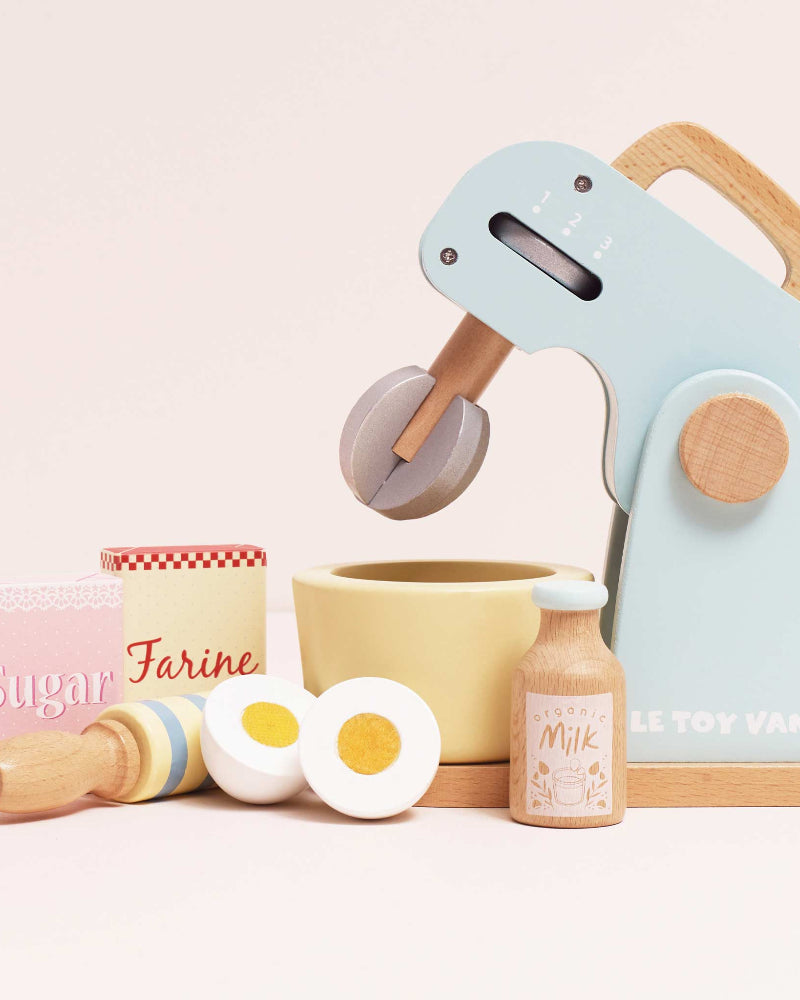
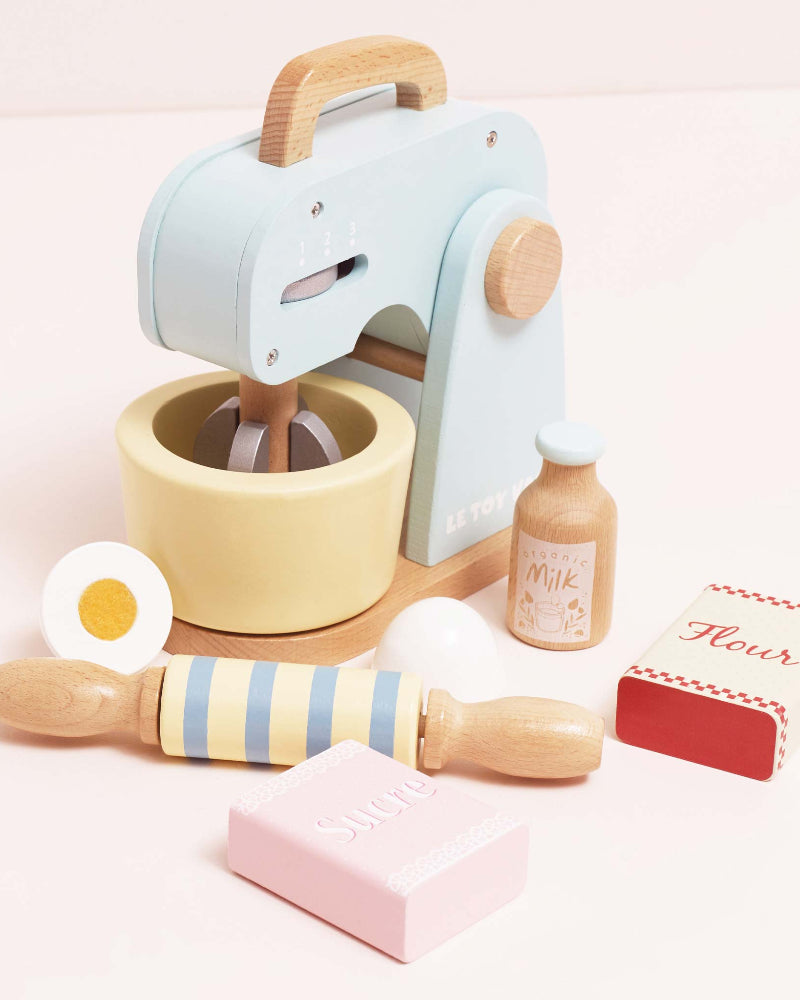
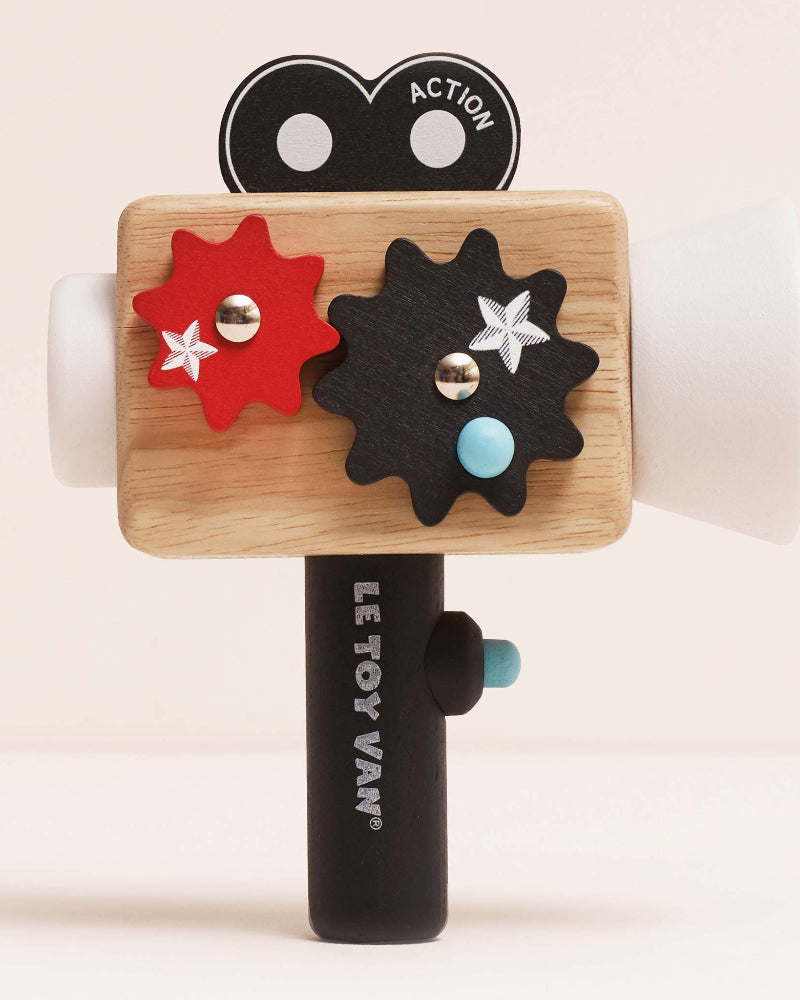
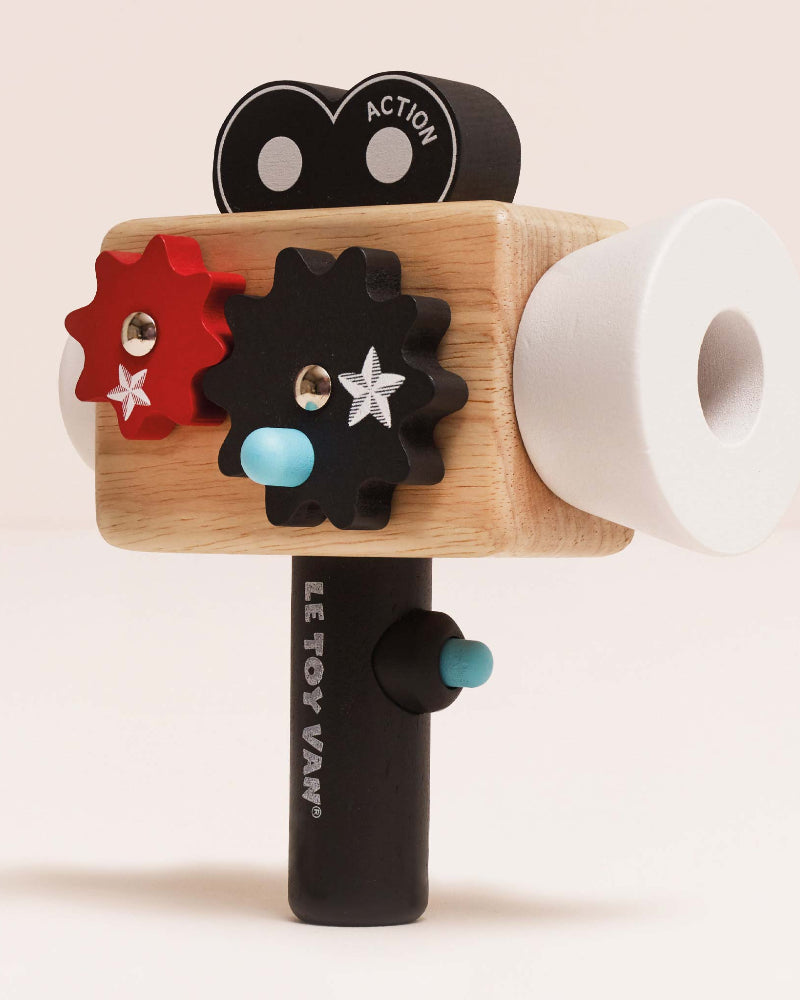
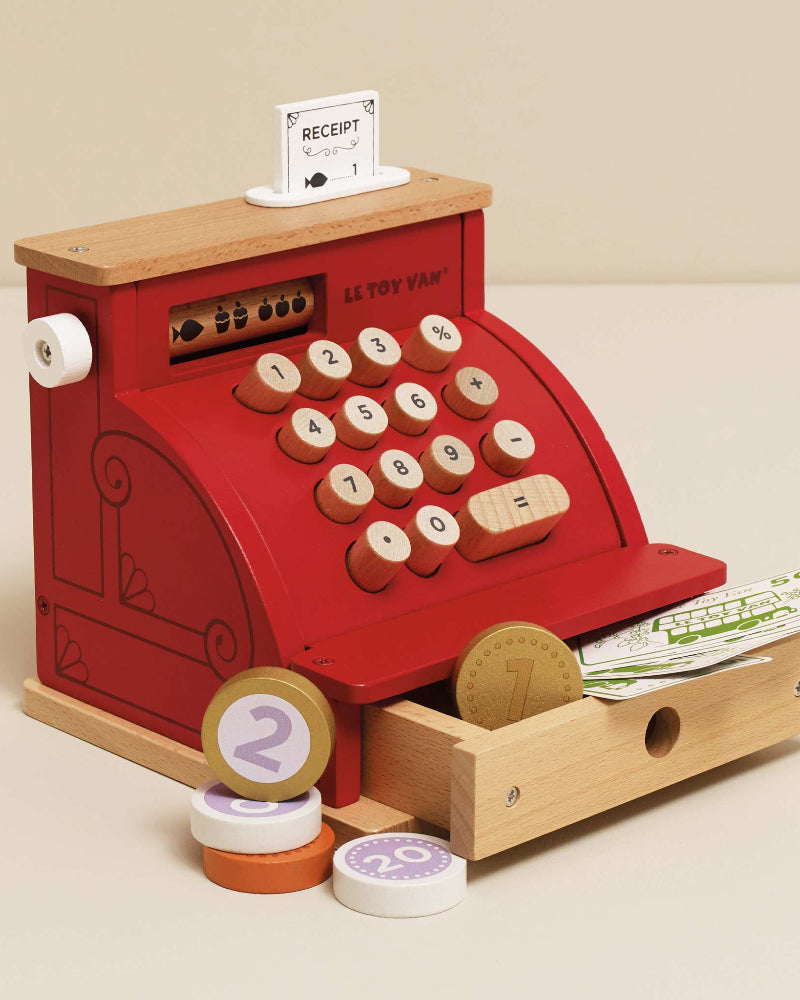
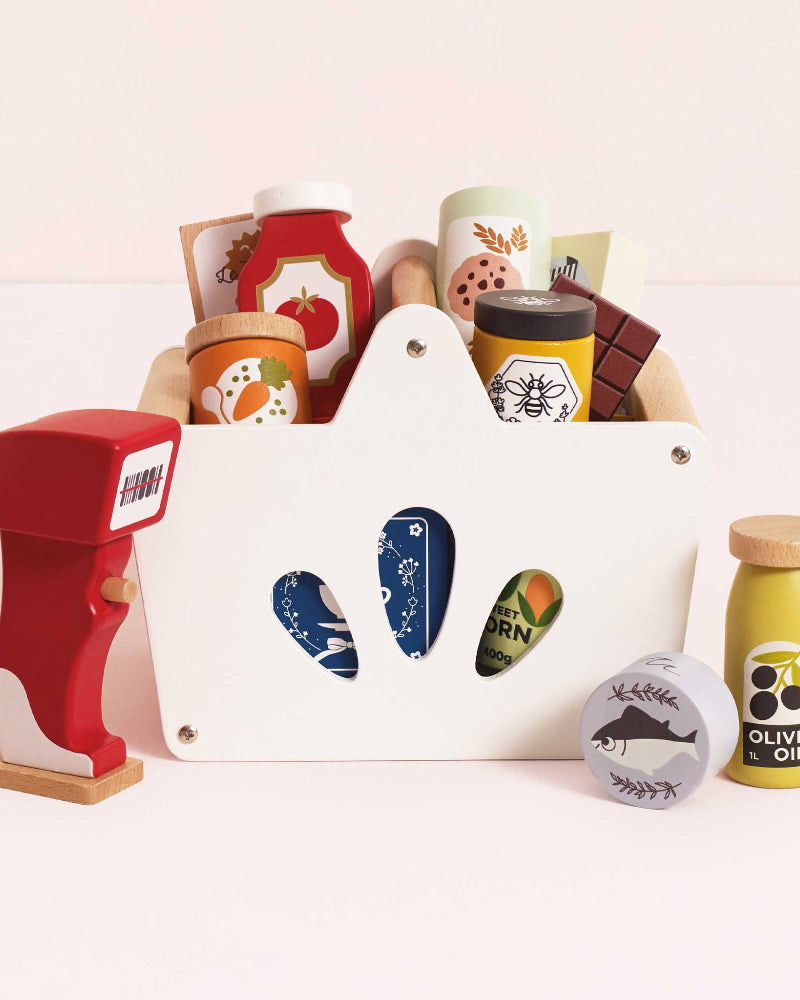
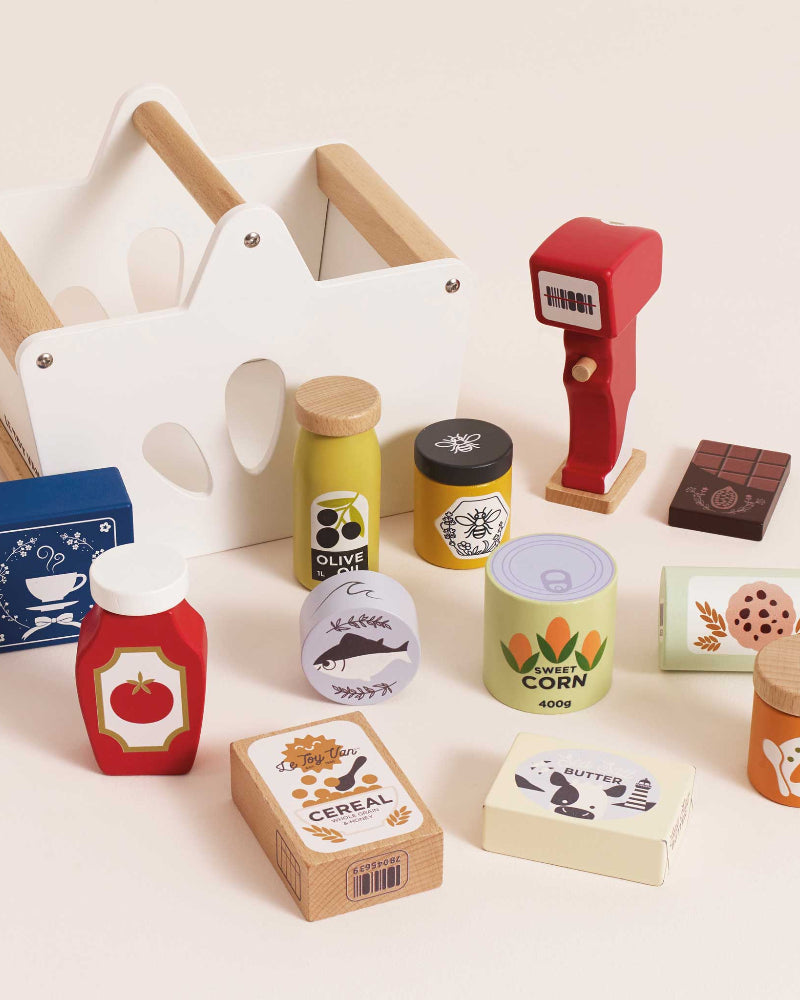
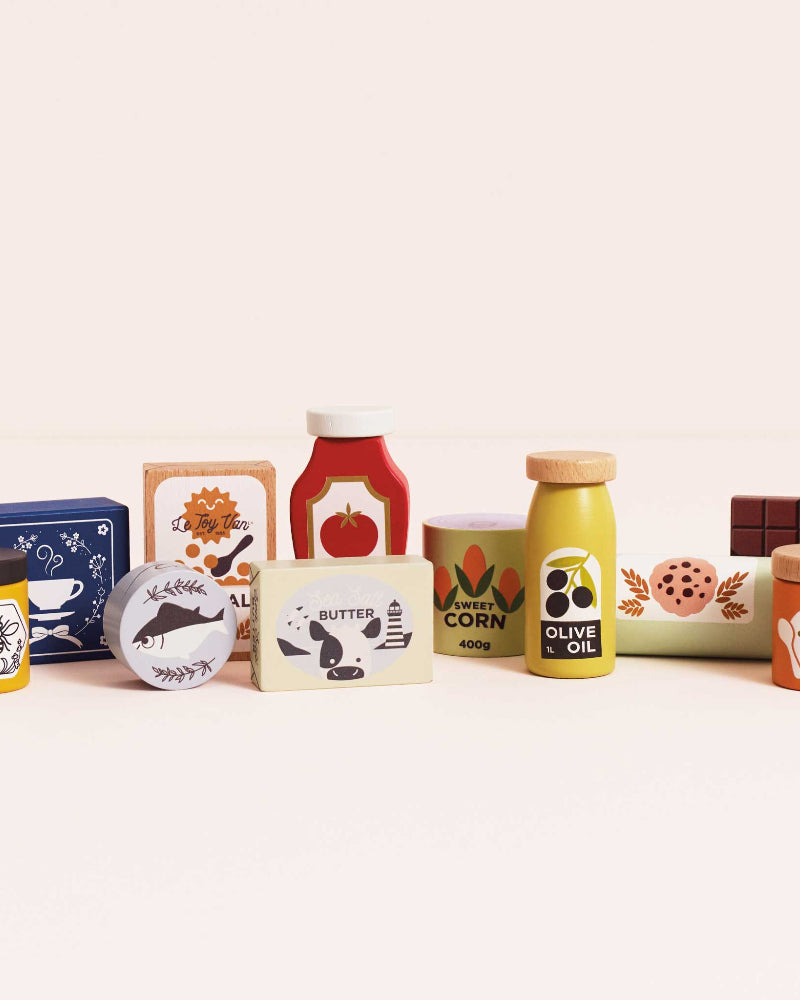
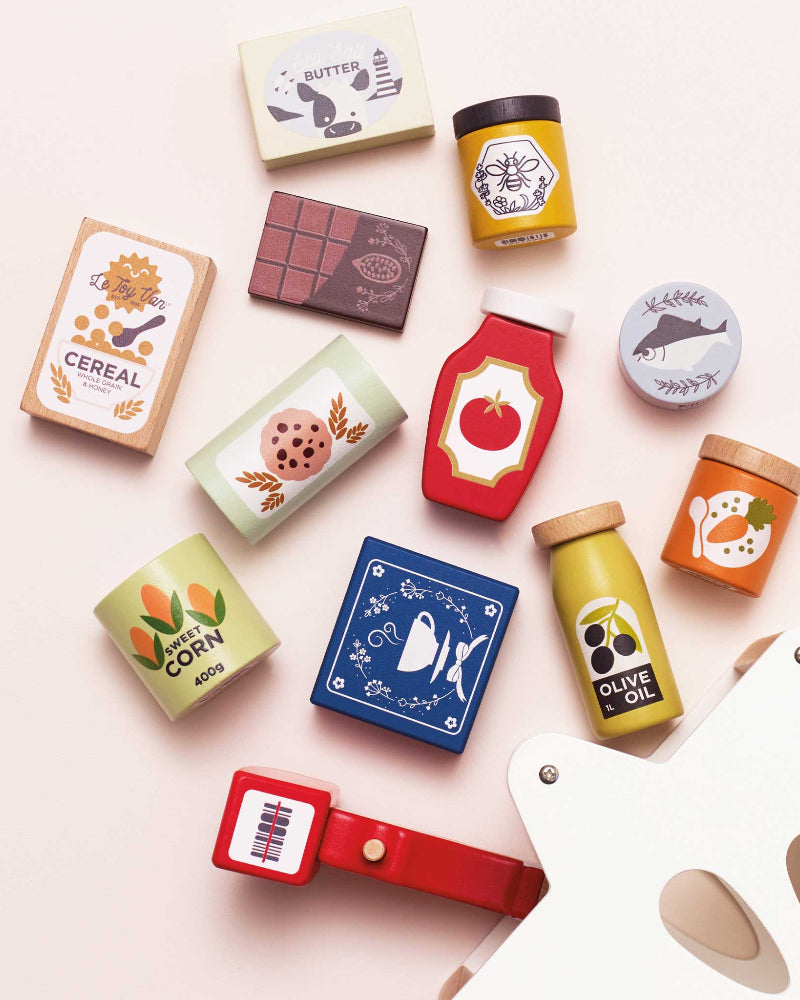
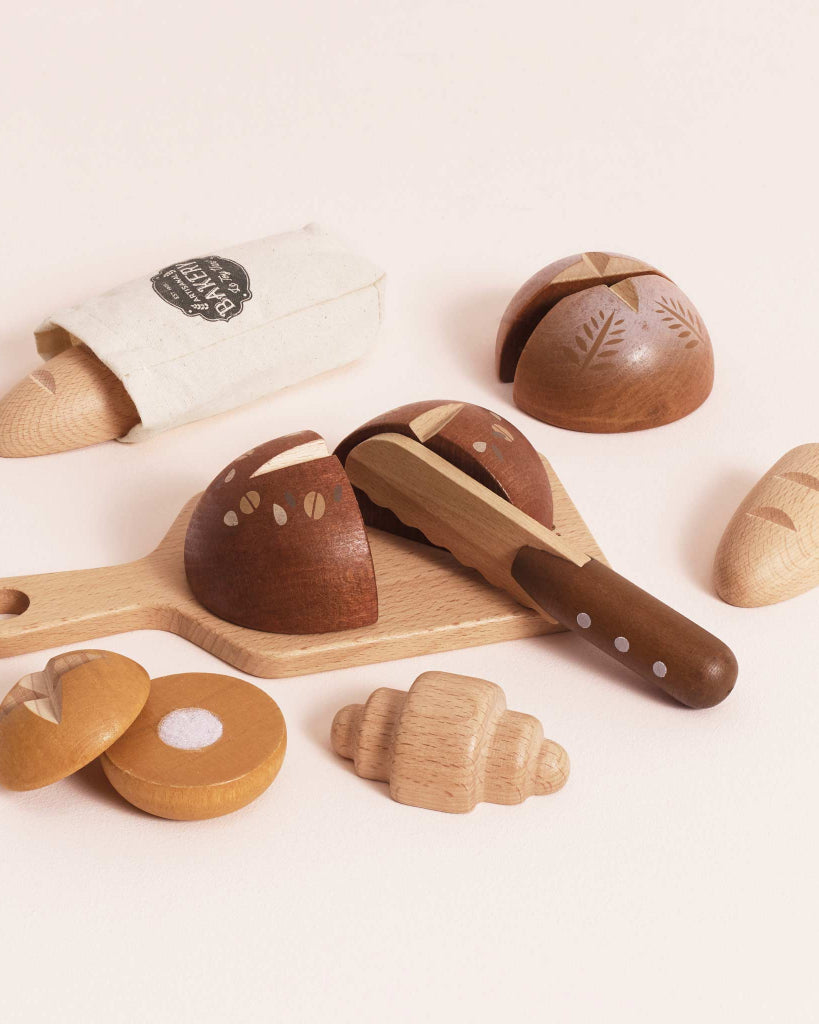
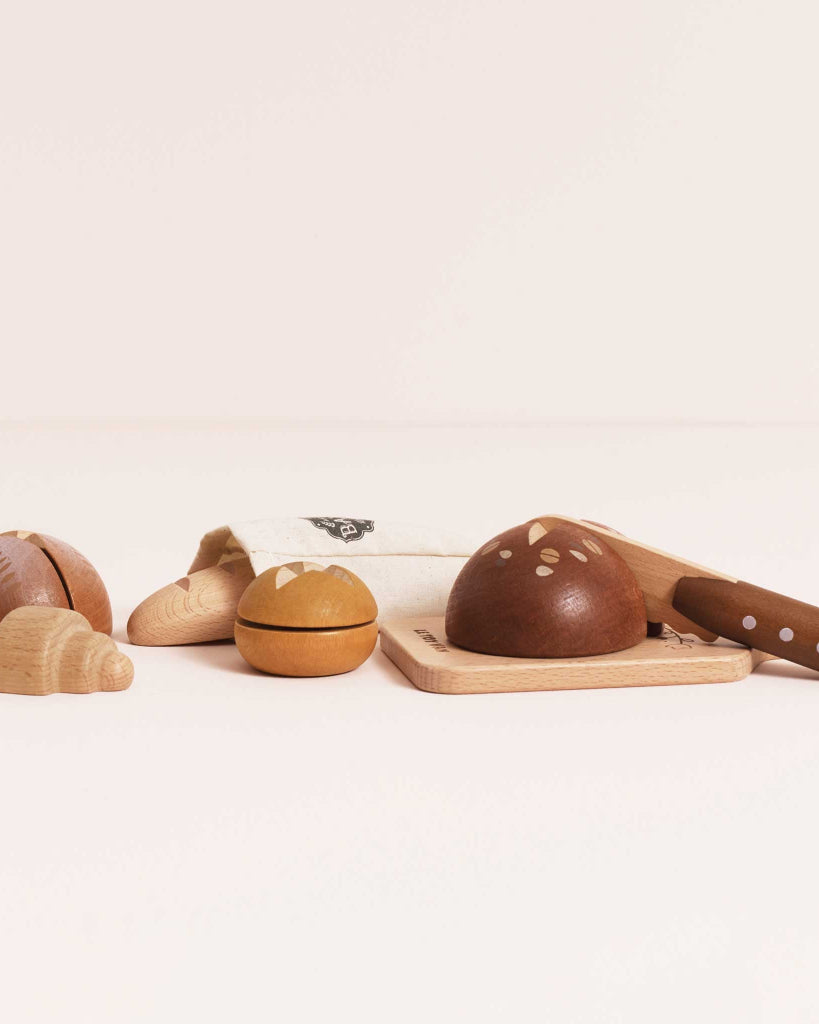
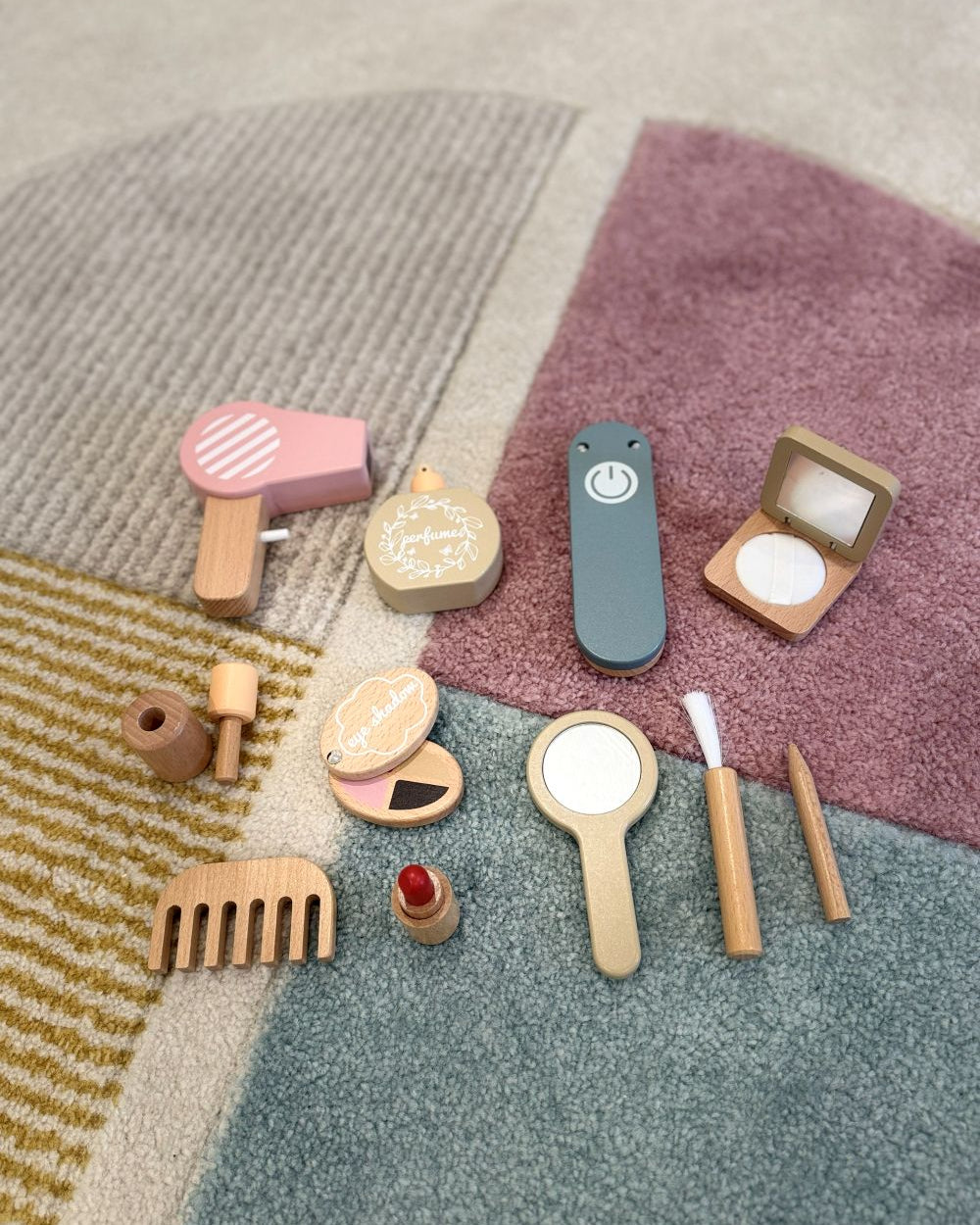
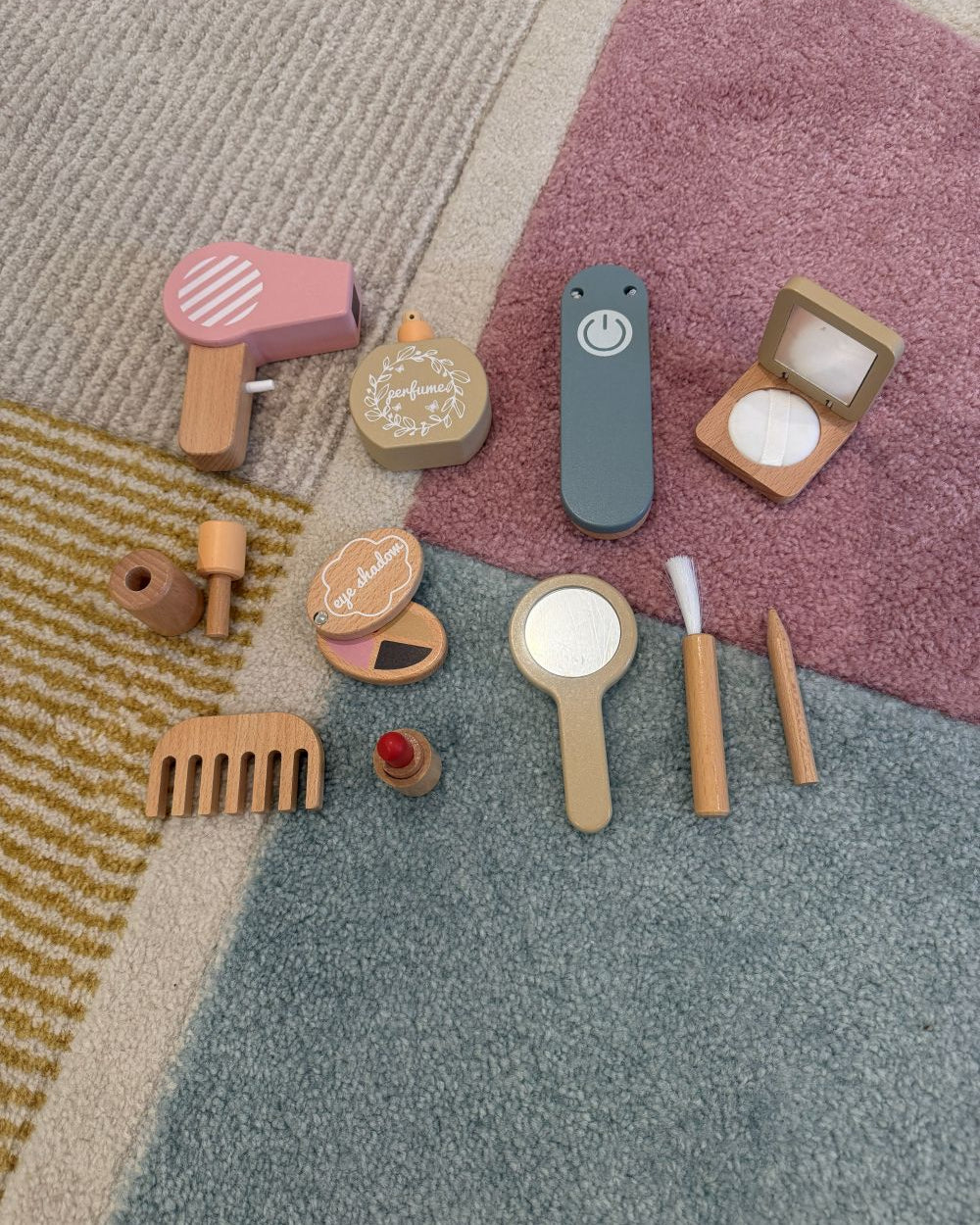
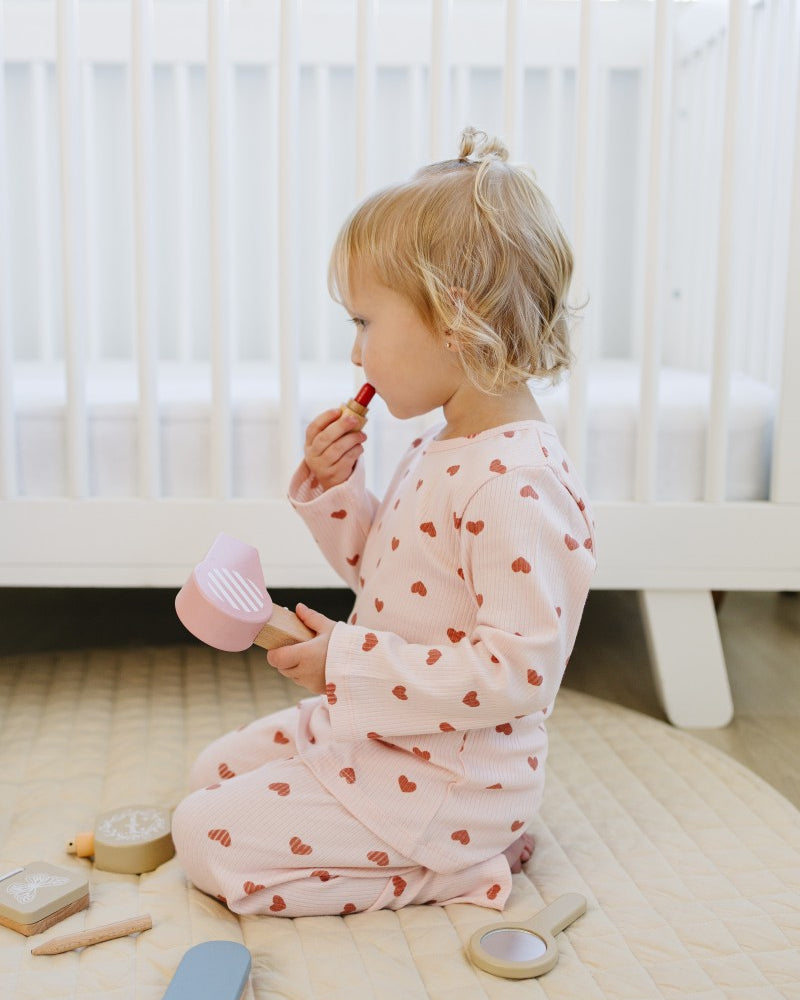
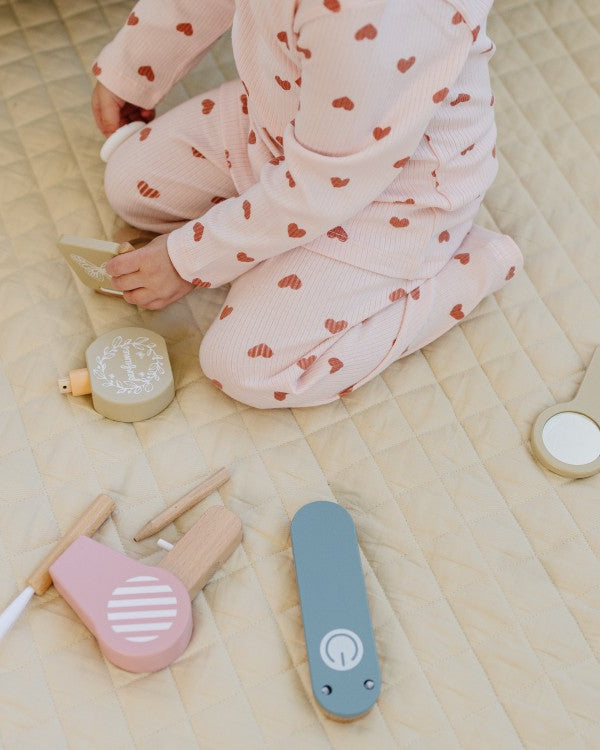
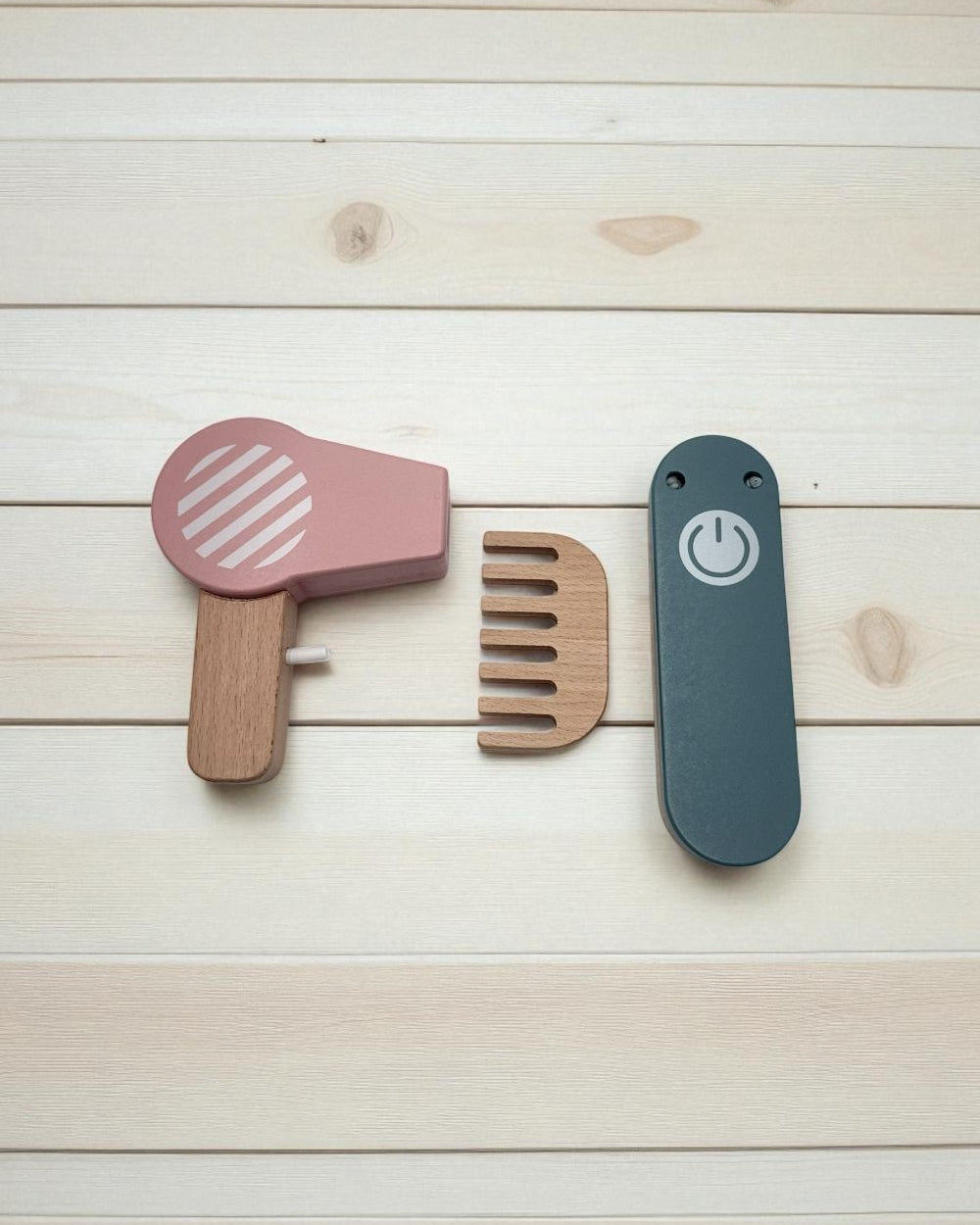
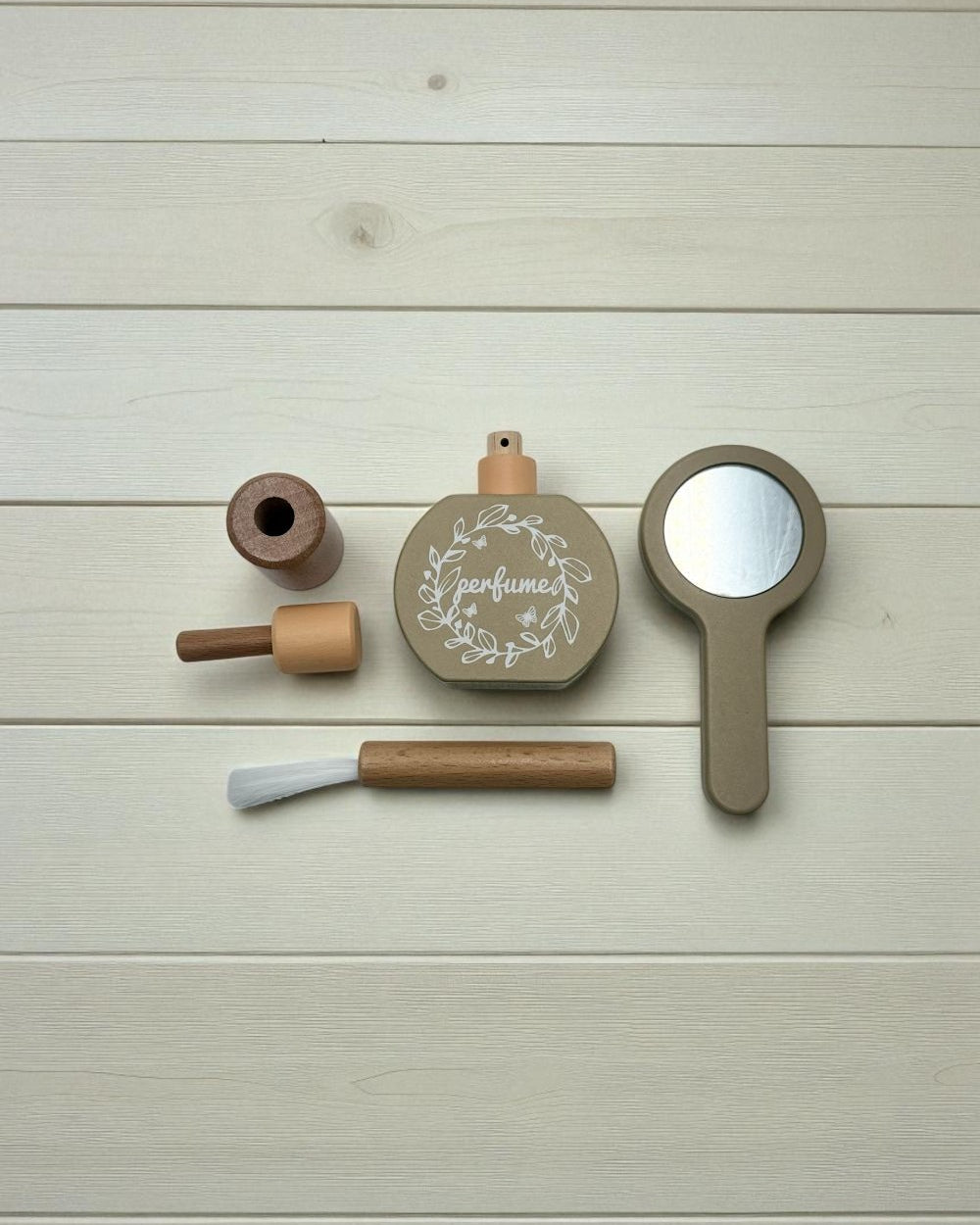
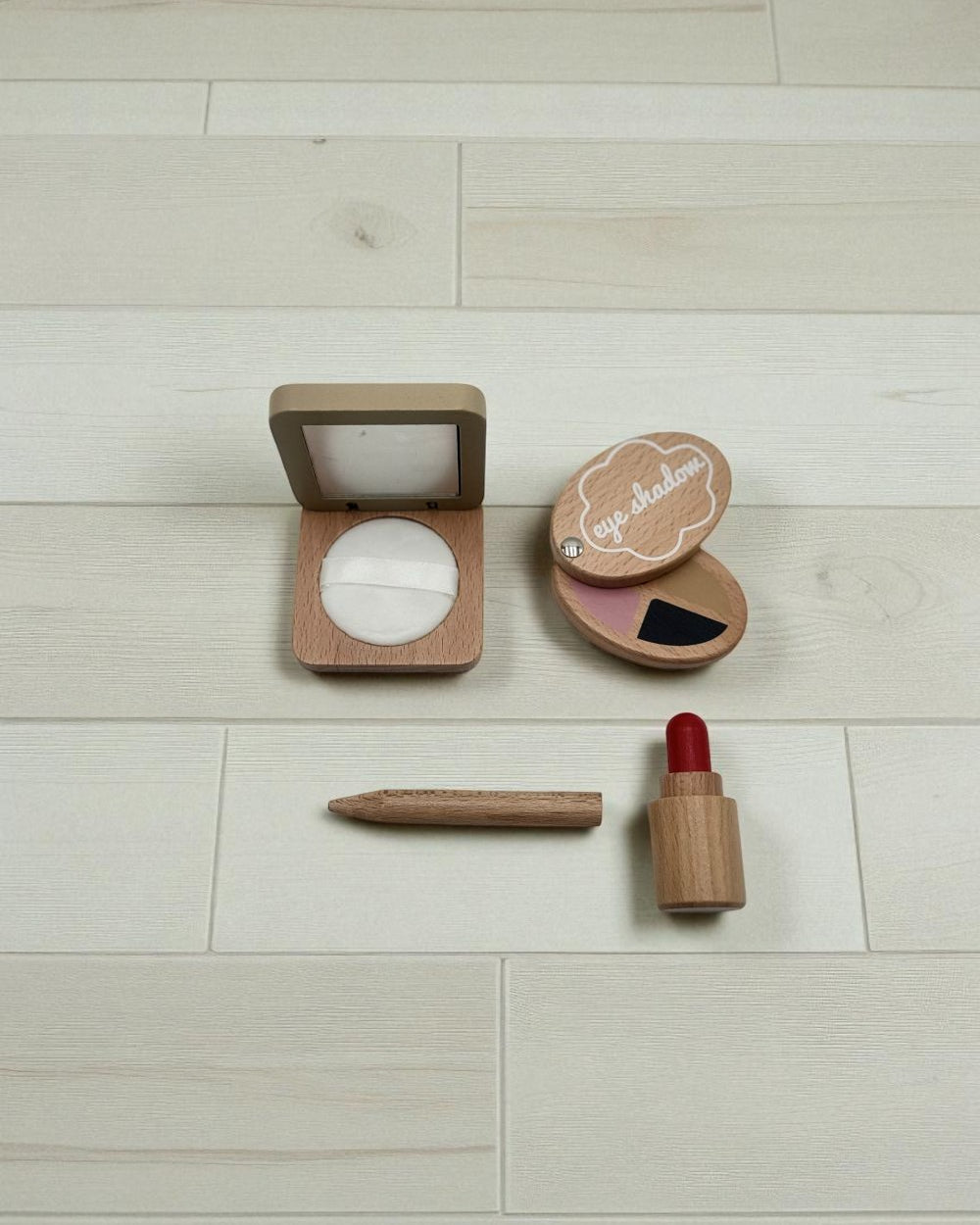
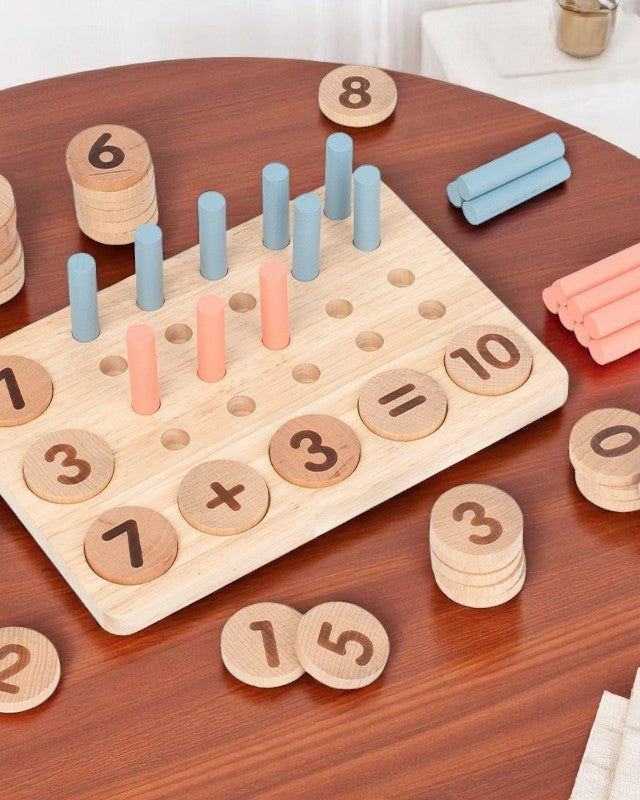
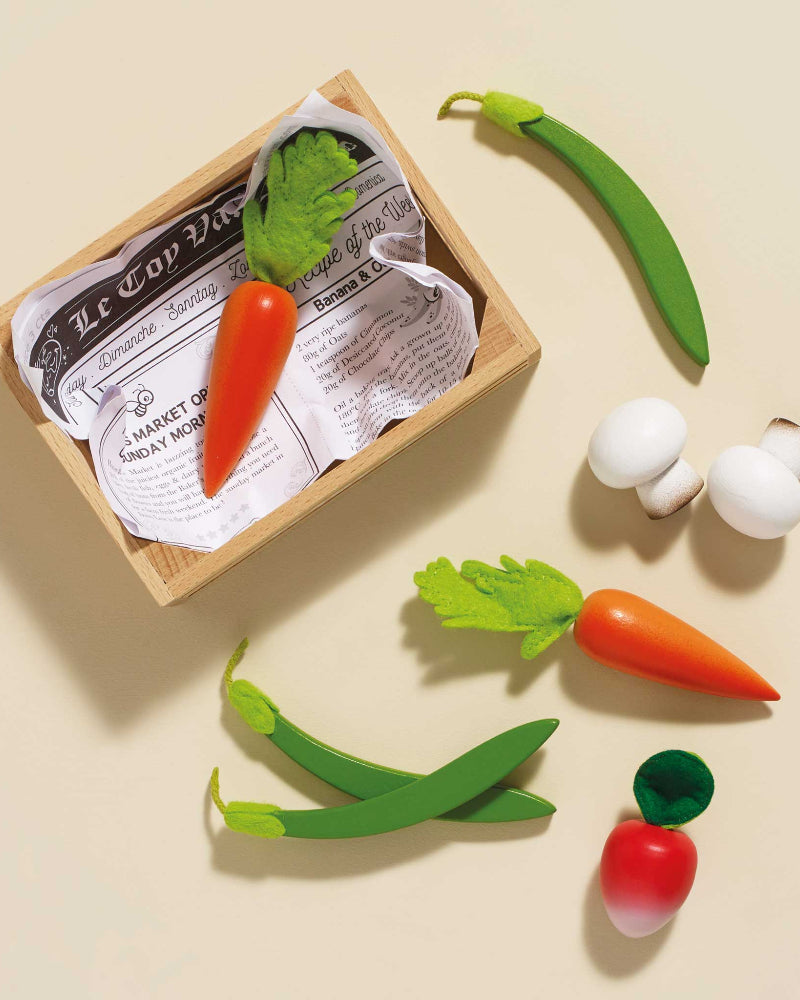
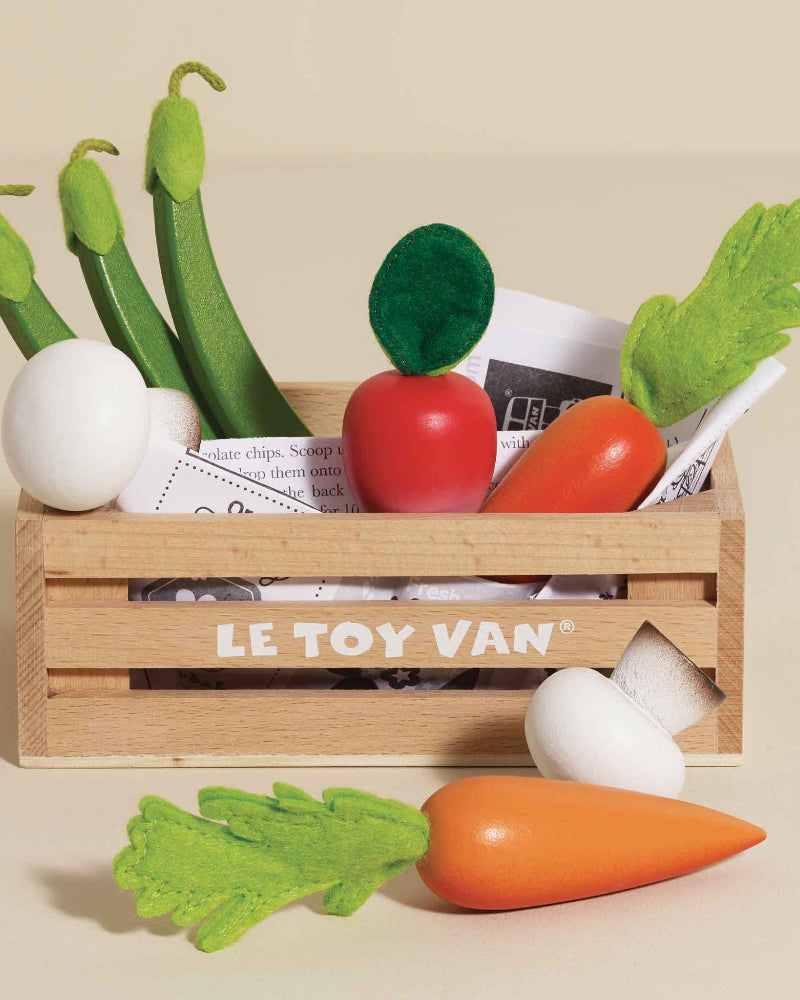
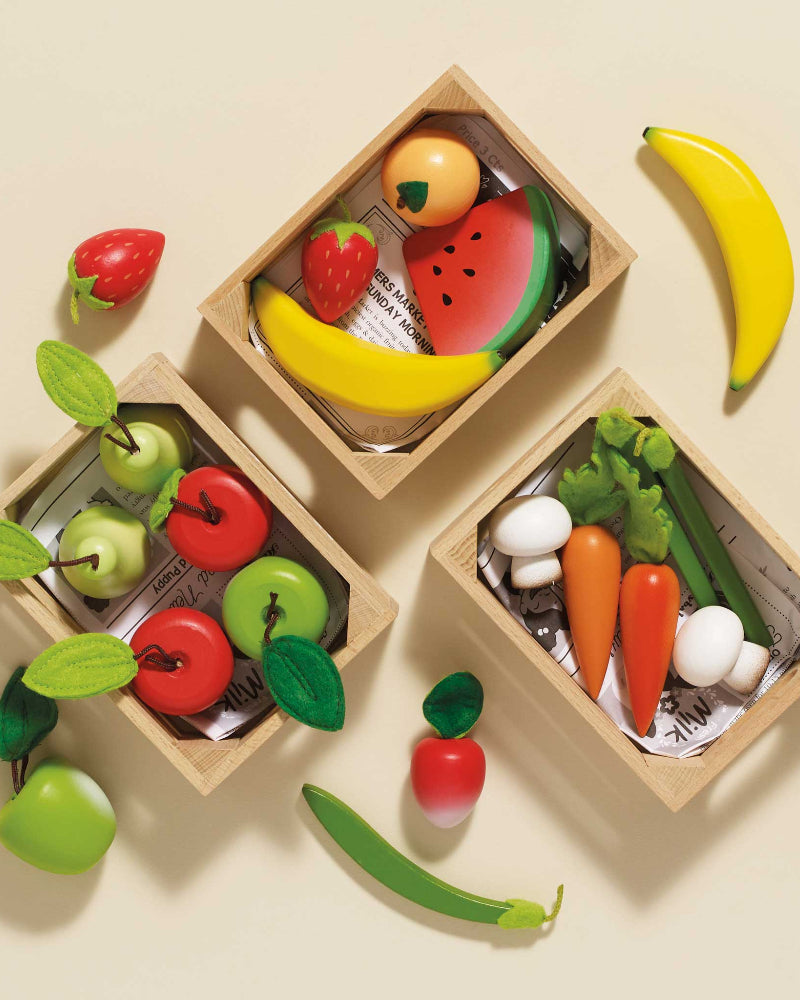
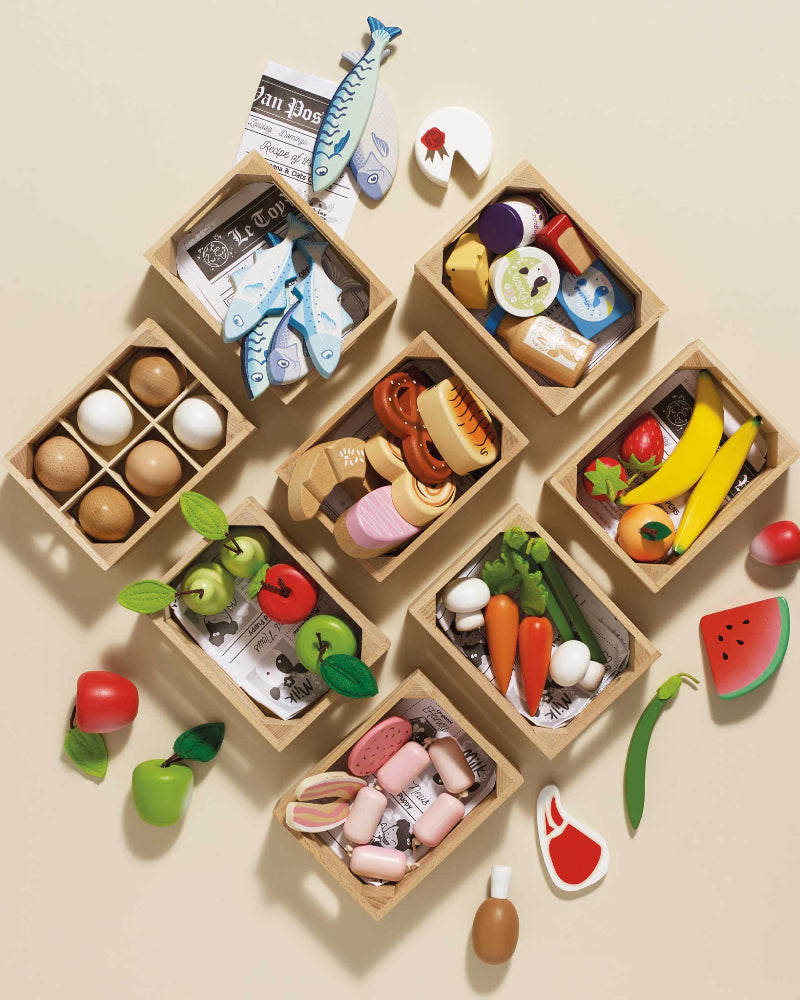
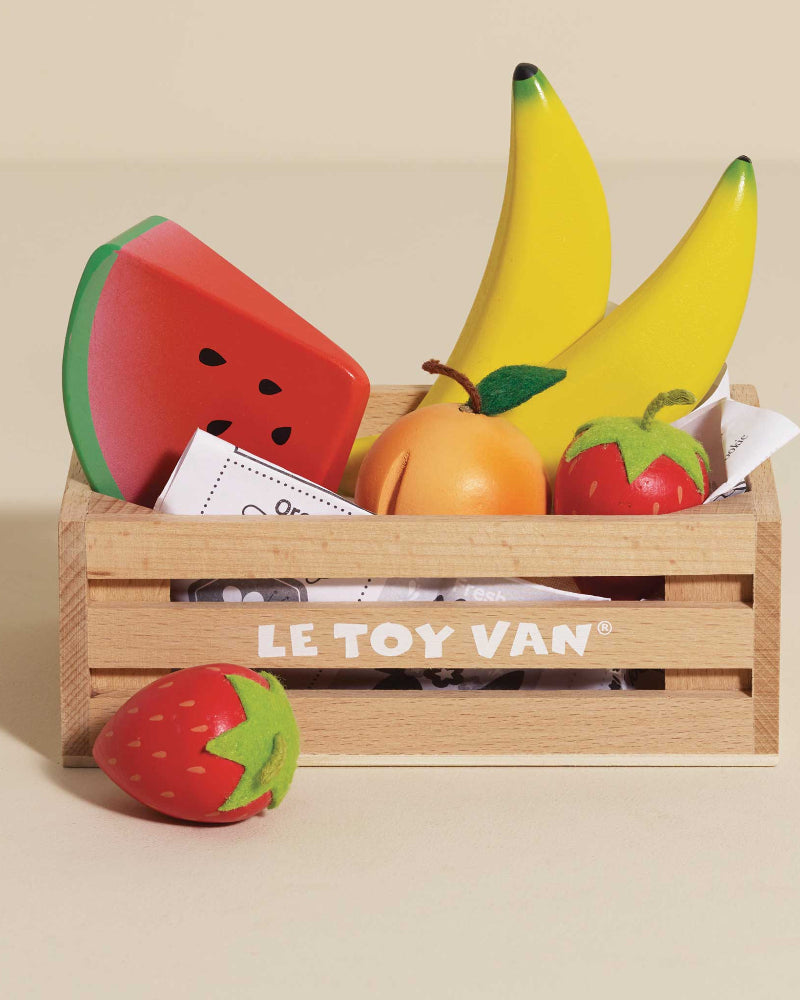
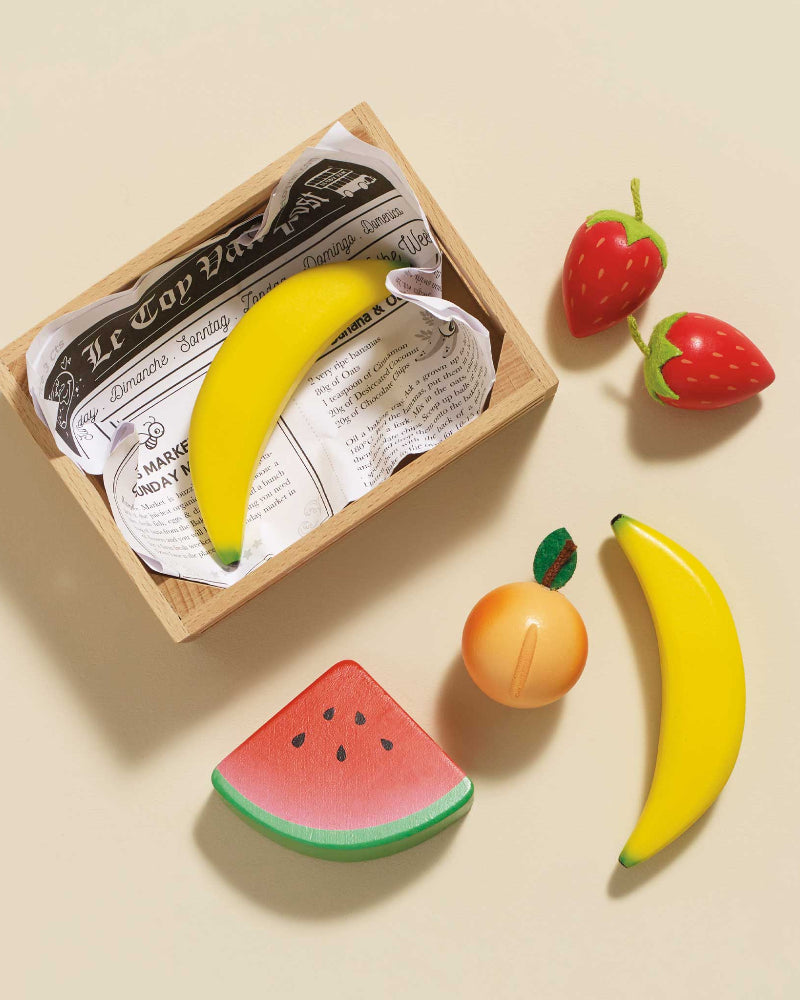
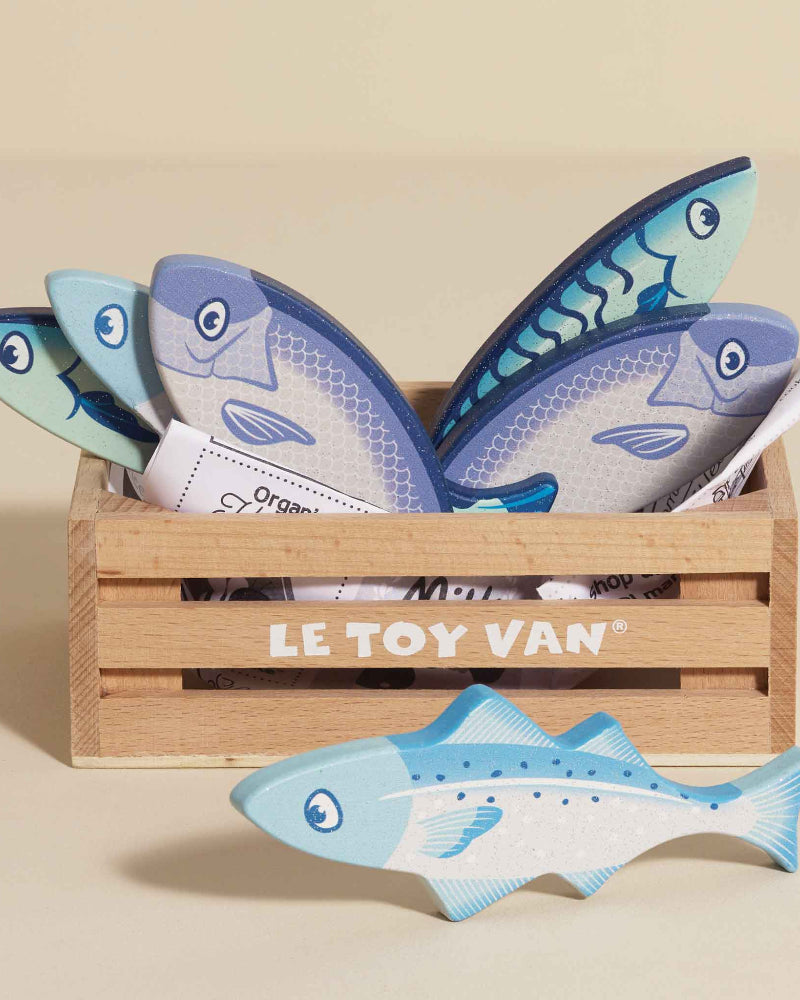
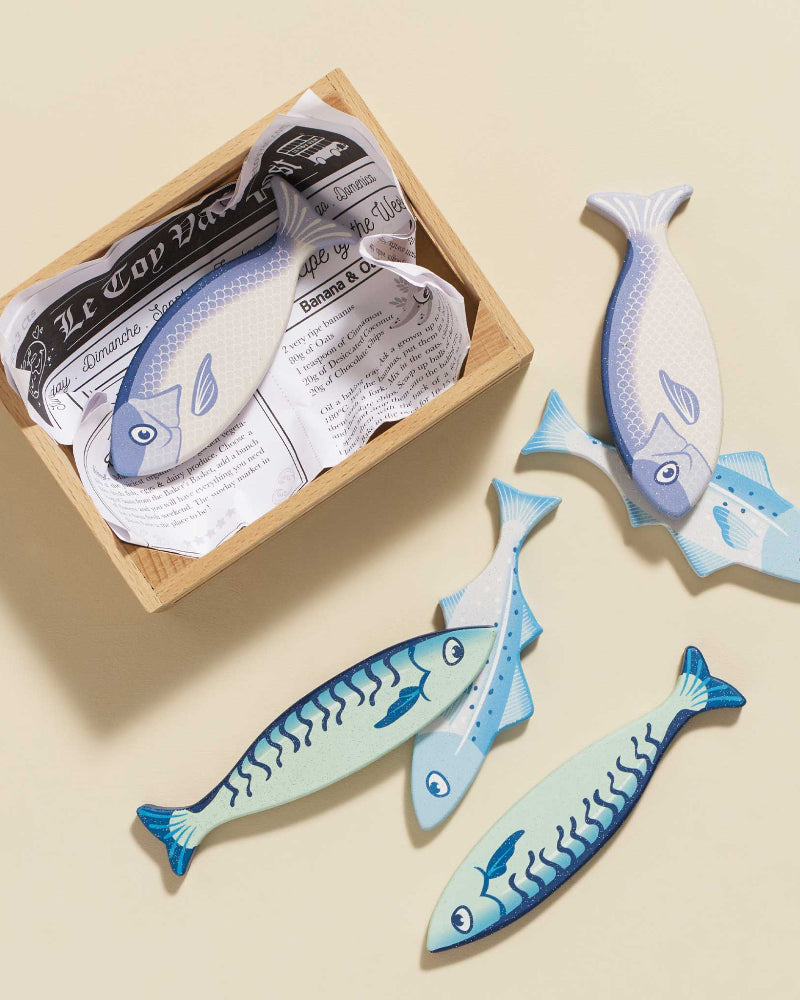
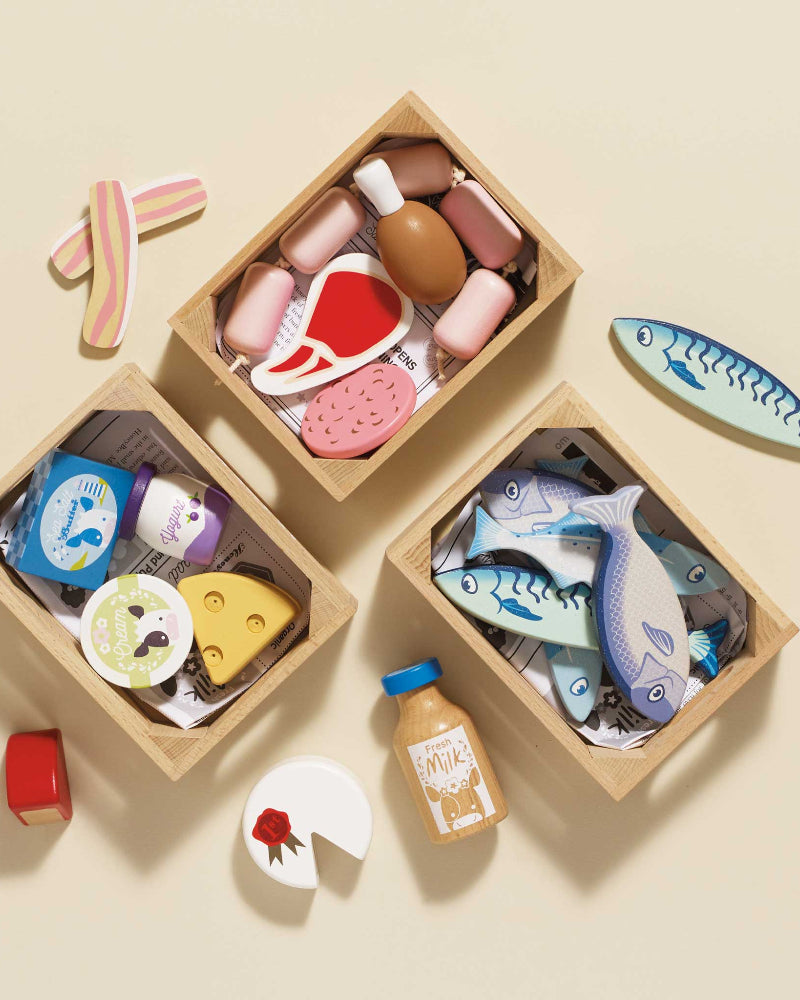
Wooden toys made from sustainably sourced wood, finished with non-toxic paints and sealants, and built to last for years. Our collection includes pretend play sets, building blocks, musical instruments, and classic toys. All independently CPSIA safety tested and designed for children from infancy through the early school years.
★ Sustainably sourced wood - responsibly harvested, not stripped from old-growth forests
★ Non-toxic paints and finishes (safe for mouthing and daily play)
★ CPSIA safety tested
★ Built to be passed down - wooden toys last years, not weeks








FAQs
Are your wooden toys non-toxic?
Yes. Every wooden toy in this collection is finished with non-toxic materials — water-based paints, food-grade oils, and beeswax are the most common. We don't carry toys finished with solvent-based lacquers, undisclosed paints, or anything that off-gasses into your home. Every product has been independently CPSIA safety tested through a third-party lab for lead, phthalates, and other harmful substances. For infant toys specifically, we look for finishes that have been tested for saliva exposure, since babies will inevitably mouth them. If a toy can't pass that bar, we don't sell it.
Are wooden toys safer than plastic toys?
In most cases, yes — but with some nuance. Wooden toys are typically made from solid, single-material construction, which means there's no concern about chemical leaching from plastics like BPA, phthalates, or PVC. They also don't break into sharp pieces the way brittle plastic does, and they don't off-gas chemicals into your home. That said, wooden alone isn't a guarantee of safety. A wooden toy painted with lead-based paint or finished with toxic sealants is no safer than a cheap plastic one. What matters is the combination of solid wood plus non-toxic finishes plus independent safety testing — which is the standard we apply to every product in this collection. Compared to a generic plastic toy from a big-box store, a well-made wooden toy is almost always the safer choice.
What are the best wooden toys for a 3 year old?
By age 3, most children are ready for wooden toys that involve more complex play — building, sorting, role-playing, and pretend scenarios. Good options include wooden blocks for stacking and construction, pretend play sets like a wooden kitchen or market stall, simple puzzles that build problem-solving skills, and wooden vehicles that encourage imaginative storytelling. At this age, small parts are also fine as long as your child is past the mouthing stage — toys with multiple pieces help build fine motor control and planning skills. The best test is whether the toy invites your child to use it in different ways across multiple play sessions. A toy that gets played with in three different ways in one week is the right level of challenge.
How do I safely clean and disinfect wooden toys?
Wooden toys need different cleaning treatment than plastic ones because wood absorbs moisture. Never submerge wooden toys in water, never run them through the dishwasher, and never use harsh chemical disinfectants — all three will damage the wood and break down the finish over time. The safest cleaning method is to wipe the toy with a cloth dampened with mild soap and warm water, then immediately wipe it dry with a clean cloth. For disinfecting, a diluted vinegar solution (one part white vinegar to one part water) works well — apply with a damp cloth, wipe down, then dry immediately. Avoid bleach, alcohol-based wipes, and ammonia cleaners. If a wooden toy gets accidentally soaked, dry it as quickly as possible and let it air dry completely before putting it back in rotation. For dirt or marks that won't come off with soap, a soft cloth with a small amount of baking soda paste usually does the trick.
How long do wooden toys last?
Years, often a decade or more with normal play. We hear from families whose wooden toys have been passed between siblings and even down to nieces and nephews — the same set of blocks getting played with by a second or third generation of children. The longevity depends on the wood quality and finish: solid hardwood with a properly applied non-toxic finish can take decades of use, while cheaper plywood or composite wooden toys may show wear within a year. Normal signs of aging include slight color fading, small dents from being dropped, and a softer patina on the wood — none of which affect how the toy functions. What you don't want to see is splintering, cracking, joints coming apart, or finish peeling off, which are signs of poor construction rather than normal wear.
Are wooden toys worth the higher price?
It depends on how you measure value. A $15 plastic toy that breaks within a few months and gets replaced three times costs $45 over the course of a year. A $40 wooden toy that lasts five years and gets passed to a younger sibling costs $4 per year per child. On a cost-per-year basis, wooden toys are almost always cheaper than the plastic alternatives, even though the upfront price is higher. Beyond the math, there's the quality of play — wooden toys tend to hold a child's attention longer because they feel substantial, encourage hands-on exploration, and don't rely on batteries or sounds that get tuned out. The real question isn't whether wooden toys are worth more than plastic ones — it's whether you'd rather buy one good toy that lasts or three cheap toys that don't.
Why are wooden toys considered good for learning?
Because they're simple in the best possible way. A wooden block doesn't tell a child what to do with it — there's no button to press, no light, no sound, no instructions. The child has to invent the play. That invention is where learning happens: figuring out how high a tower can go before it falls, sorting blocks by size or color, using them as ingredients in a pretend kitchen. Wooden toys also engage the senses in ways plastic doesn't — the weight in the hand, the smooth texture, the natural sound when two pieces tap together — and sensory engagement is closely tied to how children learn at every age. The best wooden toys are versatile enough that a child finds new ways to use them as they grow, which means the same toy supports learning across years rather than weeks.
What makes your wooden toys different from what's on Amazon?
Three things. First, curation — every toy in this collection has been hand-picked by us after testing dozens of alternatives. We don't list everything that's wooden; we list only what we'd give to our own kids. Second, safety testing — every product is independently third-party tested through a CPSIA-accredited lab in the US, regardless of whatever testing the manufacturer claims to have done. Most wooden toys on Amazon ship from overseas with manufacturer testing only, which isn't always equivalent to US standards. Third, materials transparency — we know exactly what kind of wood each toy is made from, what finish is used, and how it's constructed. If you ask us a question about a specific toy, we can answer it. Most Amazon listings can't.